
Mastering the Cyrillic alphabet in cursive can be an exciting journey for students, especially for those in early elementary grades. This printable resource, the Cyrillic Alphabet Cursive Practice Worksheet, offers a structured approach to help learners develop their handwriting skills while familiarizing themselves with the letters of the alphabet. This worksheet is designed to make the learning process engaging and straightforward, allowing students to practice independently.
Understanding the Worksheet Layout
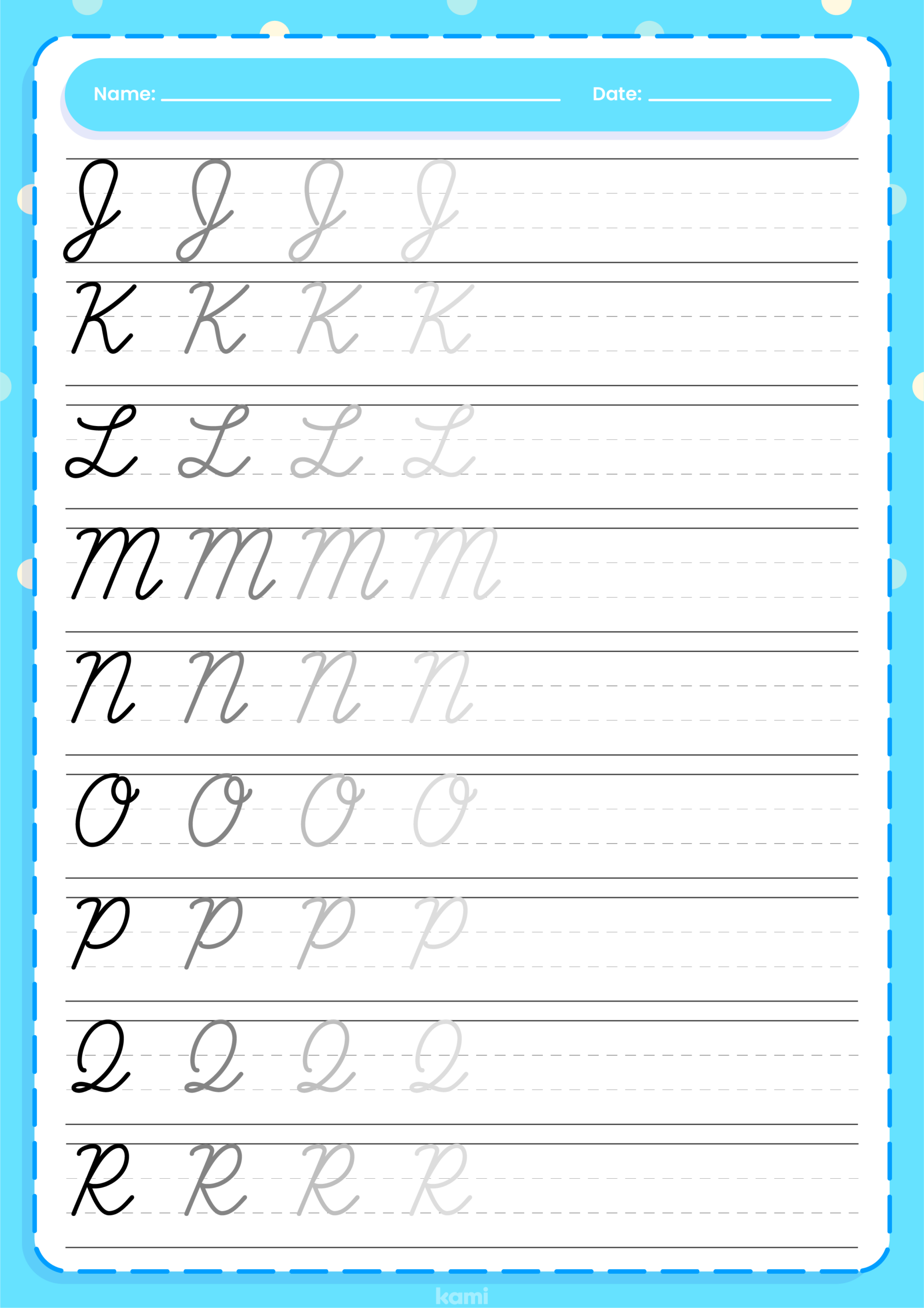
The Cyrillic Alphabet Cursive Practice Worksheet typically features a clean, organized layout that enhances usability. Each page includes the following elements:
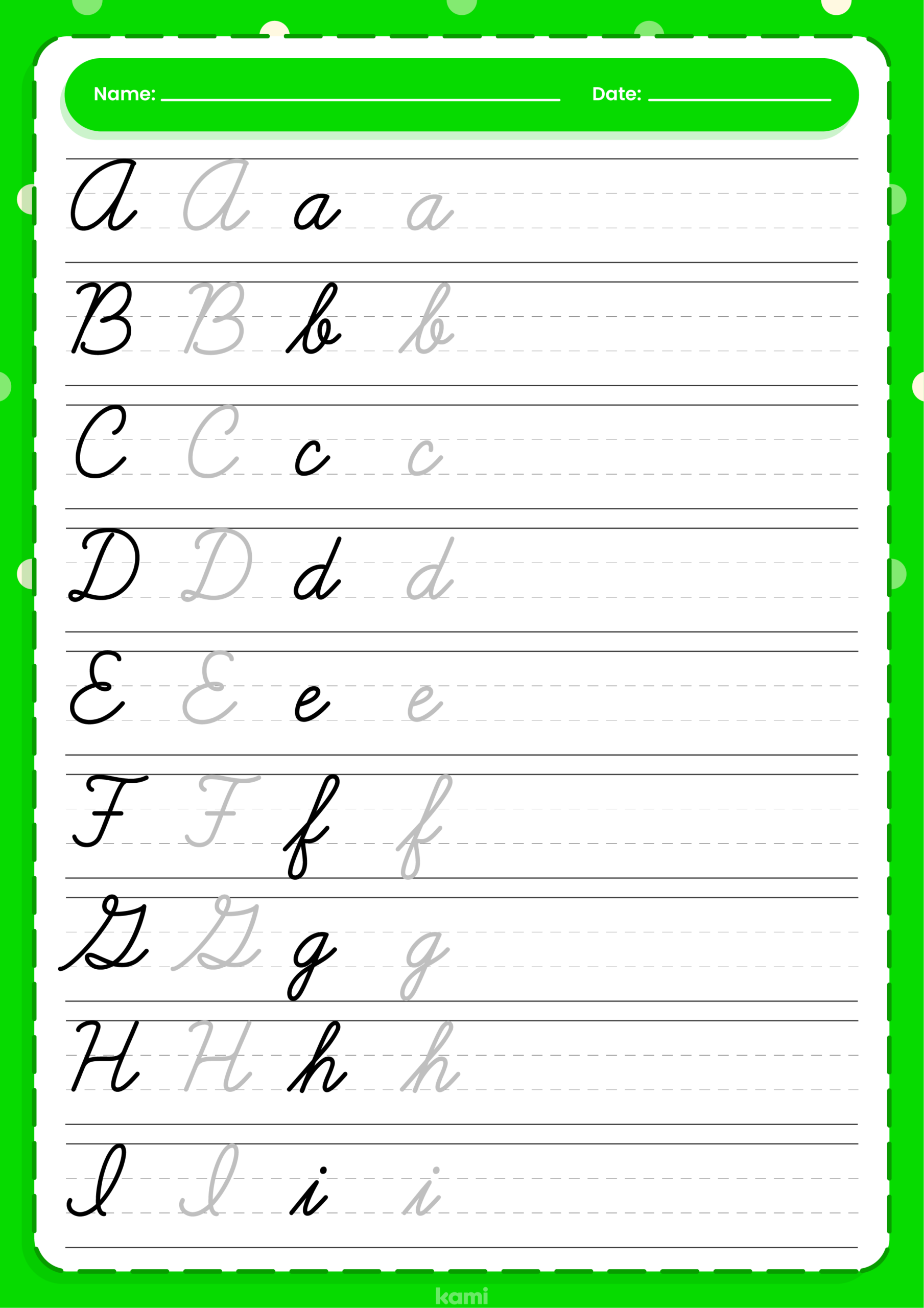
- Letter Guide: The worksheet provides a clear guide for each letter in the Cyrillic alphabet, showcasing both the printed and cursive forms. This dual representation helps students visualize the differences and similarities between the two styles.
- Practice Lines: Beneath each letter guide, you’ll find designated practice lines. These lines are spaced appropriately to accommodate young learners, allowing them to write each letter multiple times without feeling cramped.
- Visual Aids: Many worksheets include visual aids, such as arrows indicating the direction of letter strokes. This feature is crucial for helping students understand the flow of cursive writing.
- Themed Sections: Some versions of the worksheet may include themed sections where students can practice writing common words or phrases that utilize the letters they just learned. This contextual practice reinforces their understanding and retention.
This thoughtful layout ensures that students are not only practicing writing but also grasping the fundamentals of cursive script effectively.
Age Suitability and Classroom Use
The Cyrillic Alphabet Cursive Practice Worksheet is most suitable for students in grades 1-3, as they are typically at the stage where cursive writing is introduced. However, this resource can also be beneficial for older students or adults who are learning the Cyrillic script for the first time.
Independent Practice
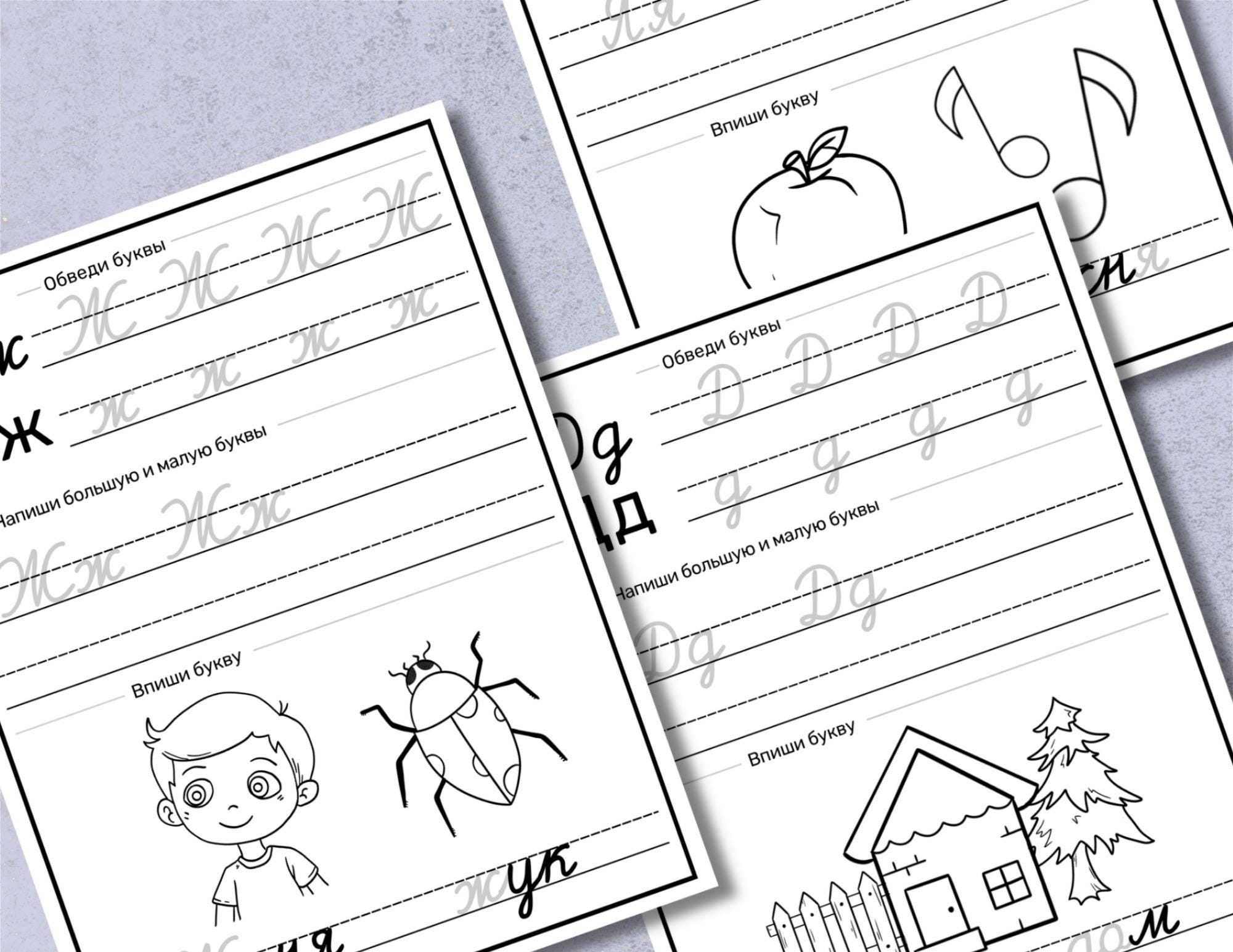
One of the key benefits of this worksheet is its design for independent practice. The clear instructions and structured layout mean that students can work through the exercises with minimal supervision. This independence fosters confidence in their writing abilities. Teachers can implement the worksheet during:
- In-Class Activities: Use it as part of a handwriting lesson, allowing students to practice during designated writing time.
- Homework Assignments: Encourage students to complete sections at home, reinforcing what they learned in class.
- Supplemental Resources: The worksheet can serve as a supplementary tool for students who may need extra practice outside of the standard curriculum.
Tracking Progress Effectively
Tracking student progress is essential in any educational setting. The Cyrillic Alphabet Cursive Practice Worksheet can facilitate this in several ways:
- Date Sections: Many worksheets include areas for students to date their work, helping teachers and parents monitor progress over time.
- Checklists: Incorporating a checklist for students to mark off letters they feel confident in can be motivating and provide a visual representation of their progress.
- Feedback Space: Leaving space at the bottom for teacher comments or feedback can aid in providing personalized guidance to each student, highlighting areas of improvement or mastery.
By using this worksheet as a tool for tracking progress, educators can make informed decisions on when to advance students to more complex writing tasks.
Printing and Material Recommendations
When preparing to print the Cyrillic Alphabet Cursive Practice Worksheet, consider the following tips to ensure the best results:
- Paper Type: For durability, print on standard 8.5 x 11-inch cardstock. This will hold up better to repeated use, especially if students are practicing with writing utensils that may smudge or tear thinner paper.
- Printer Settings: Use the best quality print setting on your printer. This ensures that all lines and guides are clear, which is crucial for effective handwriting practice.
- Laminating: If you want the worksheets to be reusable, consider laminating them. This allows students to practice with dry-erase markers and easily wipe them clean for repeated use.
By following these recommendations, you can create a practical and effective learning tool that students will appreciate.
Additional Features to Consider
While the Cyrillic Alphabet Cursive Practice Worksheet is an excellent standalone resource, you might also explore additional features or related materials to enhance the learning experience:
- Coloring Pages: Pair the worksheet with coloring pages that feature letters of the Cyrillic alphabet. This can make learning more interactive and engaging for younger students.
- Flashcards: Create flashcards based on the letters practiced in the worksheet. This can reinforce recognition and pronunciation, bridging the gap between writing and reading skills.
- Group Activities: Consider using the worksheets in group settings where students can practice together, sharing tips and techniques for forming letters.
Integrating these supplementary resources can enrich the learning environment and provide varied approaches to mastering the Cyrillic alphabet.
The Cyrillic Alphabet Cursive Practice Worksheet is an invaluable tool for teachers and parents alike, offering a structured way for students to develop their cursive writing skills while tracking their progress. Whether used in the classroom or at home, this resource can foster a love for writing and a deeper understanding of the Cyrillic script. Consider how you might implement this worksheet in your teaching strategy to support your students’ learning journeys.