
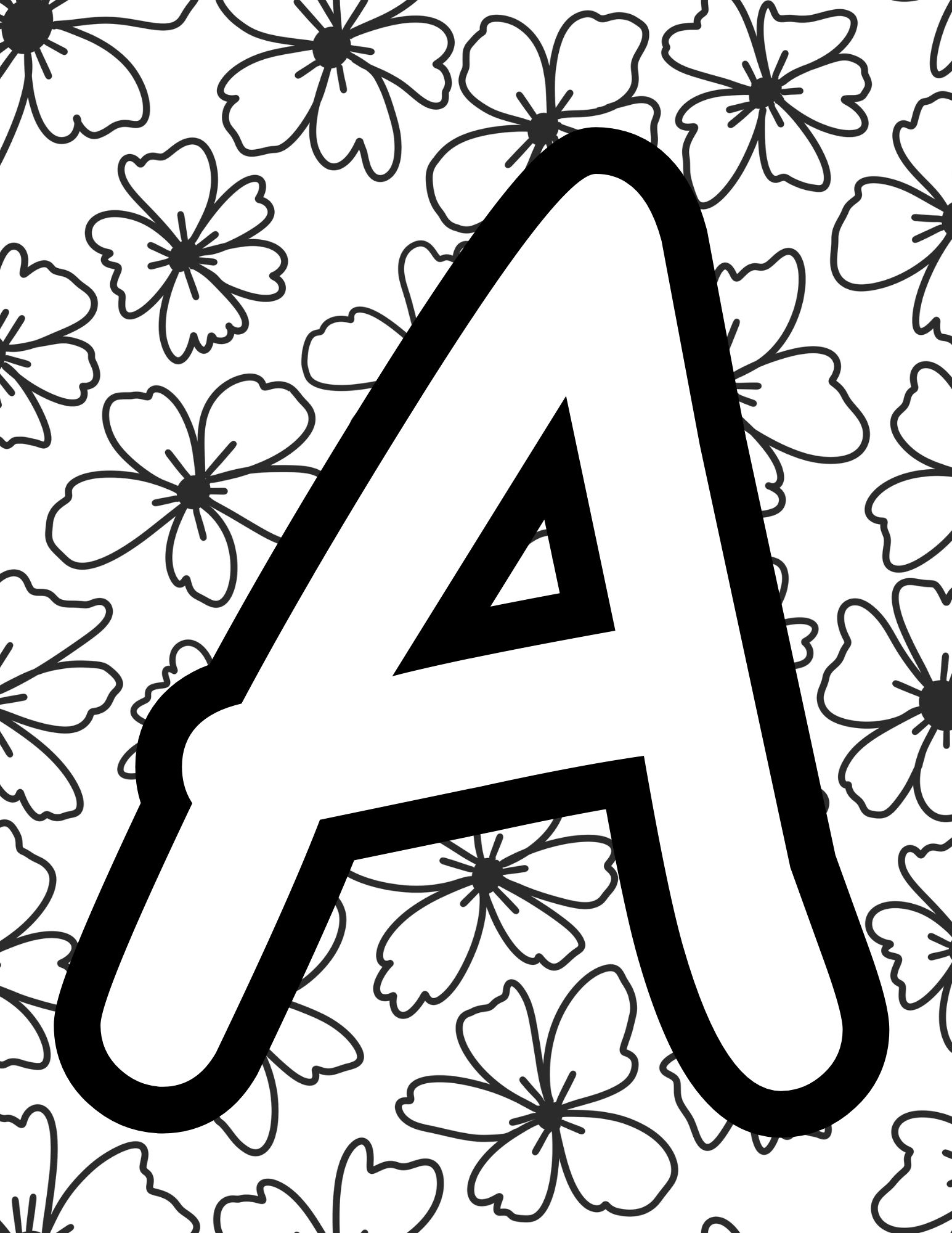
In a lively classroom, Ms. Thompson watched her first graders eagerly reach for their crayons, ready to bring their creativity to life. Today, they were working with printable resources that featured Cute Alphabet Letters To Color In. This activity not only sparked joy but also helped reinforce their understanding of the alphabet. If you’re looking for a fun and educational resource to engage young learners, these coloring pages might just be what you need.
The Benefits of Coloring Alphabet Letters
Coloring isn’t just fun; it’s an essential activity for young children that enhances fine motor skills, encourages creativity, and supports cognitive development. When children color Cute Alphabet Letters, they’re not only expressing themselves artistically but also practicing letter recognition and phonics. This dual focus makes it an excellent resource for teachers and parents alike.
By incorporating coloring into their learning, kids can better retain information. As they fill in each letter with vibrant colors, they’re more likely to remember the letter shapes and sounds. Plus, it’s a great way to keep them engaged during lessons or while reinforcing concepts at home.
How to Use Cute Alphabet Letters To Color In
Classroom Applications
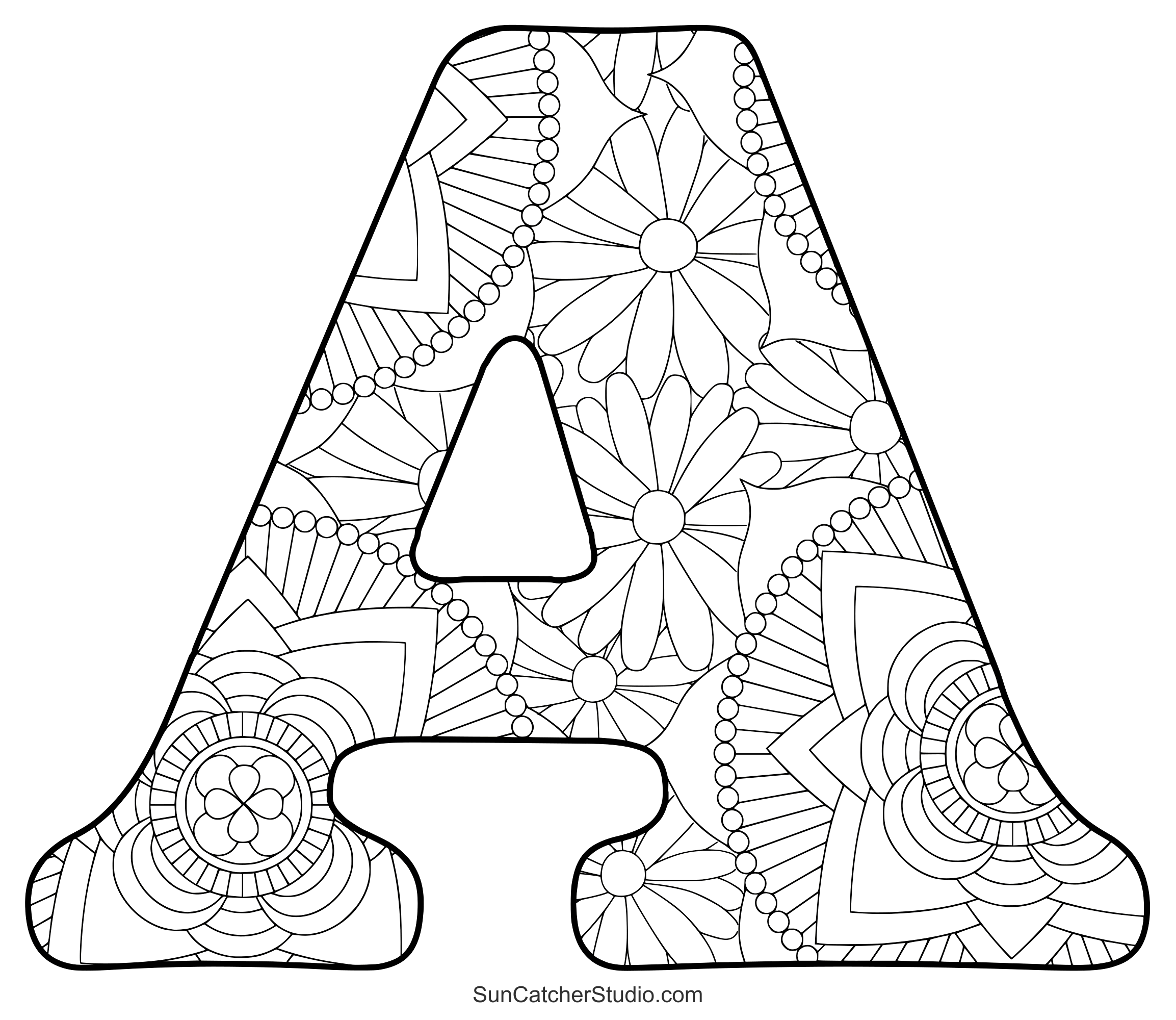
In a classroom setting, these coloring pages can be used in various ways:
- Individual Workstations: Set up coloring stations where students can choose their favorite letters to color. This allows for independent practice while giving you a moment to assist other students.
- Group Activities: Use these letters for group projects, where students can work together to create a colorful alphabet poster. This encourages teamwork and collaboration.
- Homework Assignments: Send the coloring sheets home as part of a homework assignment to reinforce what they learned in class.
Homeschooling Scenarios
For parents who homeschool, using Cute Alphabet Letters To Color In can be an effective way to integrate art into your curriculum:
- Daily Practice: Incorporate a letter of the day into your routine. Each day, you can focus on a new letter, allowing your child to color it in while discussing its sound and words that begin with that letter.
- Creative Projects: Use the colored letters to create flashcards or scrapbook pages, turning a simple coloring activity into an ongoing learning project.
Family Fun
Even if you’re not a teacher, these coloring pages can provide hours of fun for families:
- Rainy Day Activities: Keep these coloring sheets handy for those days when outdoor play isn’t possible. It’s a simple way to keep kids entertained while they learn.
- Birthday Party Activities: Set up a coloring station at children’s parties. Guests can take home their creations as party favors, combining fun with education.
Tips for Effective Coloring Sessions
To make the most out of coloring sessions with your students or children, consider these practical tips:
- Use Quality Paper: When printing, opt for heavier-weight paper or cardstock. This helps prevent bleed-through and allows for better handling, especially if kids are using markers.
- Coloring Tools: Provide a variety of coloring tools, such as crayons, colored pencils, and markers. Each tool offers a different experience and can enhance creativity.
- Encourage Creativity: Remind kids that there are no wrong colors. Whether they want to color the letter “A” pink or the letter “B” rainbow-colored, all choices are valid!
Downloading and Printing Your Coloring Pages
Finding and downloading Cute Alphabet Letters To Color In is as easy as a few clicks. Many websites offer free printable templates designed specifically for educational purposes. Here’s how to do it:
- Search for Printable Resources: Use search terms like “free printable alphabet coloring pages” or specifically “Cute Alphabet Letters To Color In.” This will help you find a variety of options.
- Choose the Right Format: Look for PDFs, as these are less likely to reformat when printed. Ensure they are designed to fit standard paper sizes (like A4 or Letter) for easy printing.
- Print Settings: When printing, select the portrait orientation for better results. Check the print preview to ensure everything is aligned correctly.
Encouraging Independent Practice
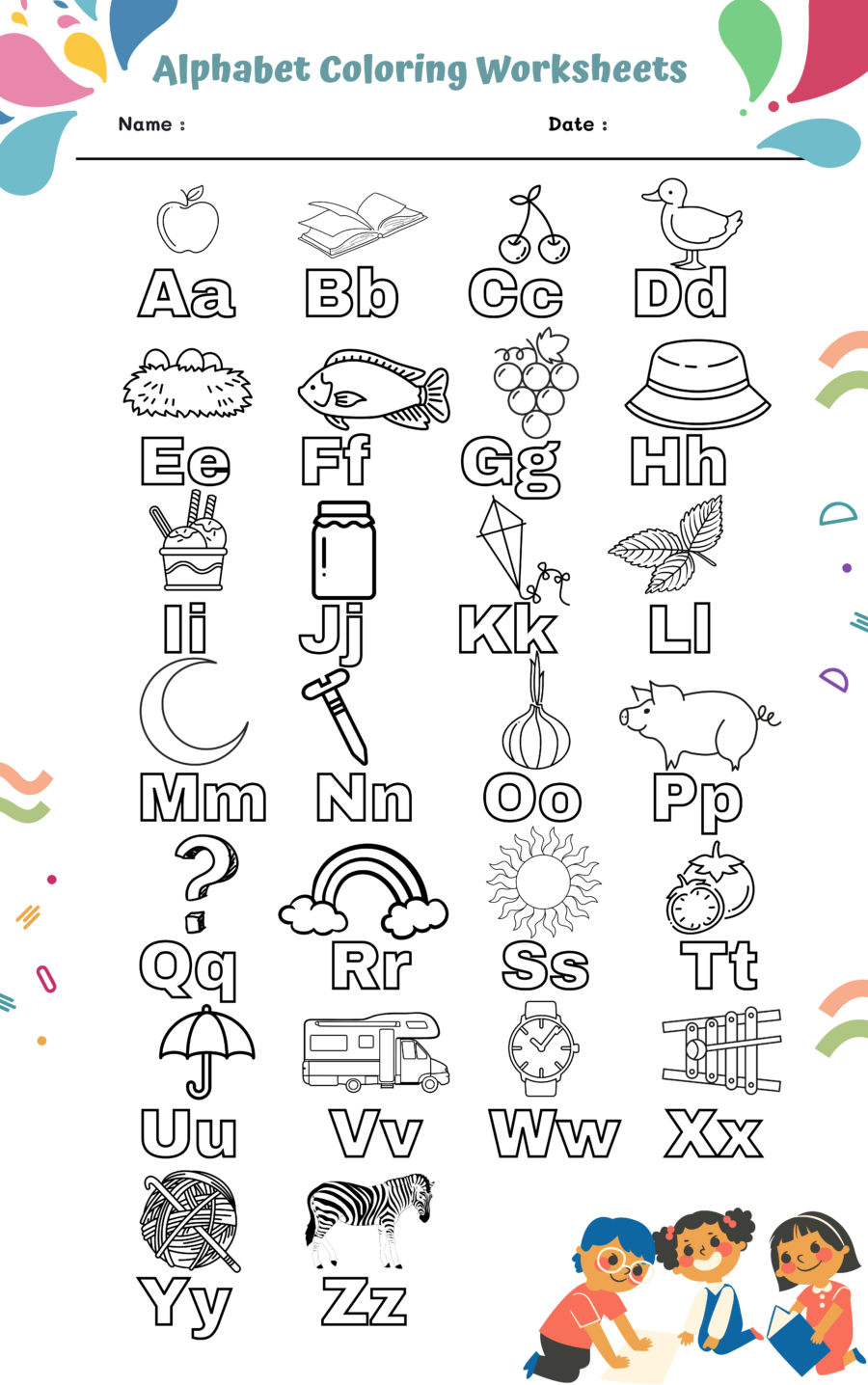
For young learners, independent practice is crucial. Here’s how to set them up for success:
- Clear Instructions: Provide straightforward instructions on how to color each letter. For example, “Color the letter ‘C’ in any color you choose! Try to stay inside the lines.”
- Set Goals: Encourage kids to color a certain number of letters each day. This can help them stay focused and give a sense of accomplishment.
- Display Their Work: Create a space in your classroom or home where finished letters can be displayed. This not only boosts confidence but also makes learning visible and celebrated.