
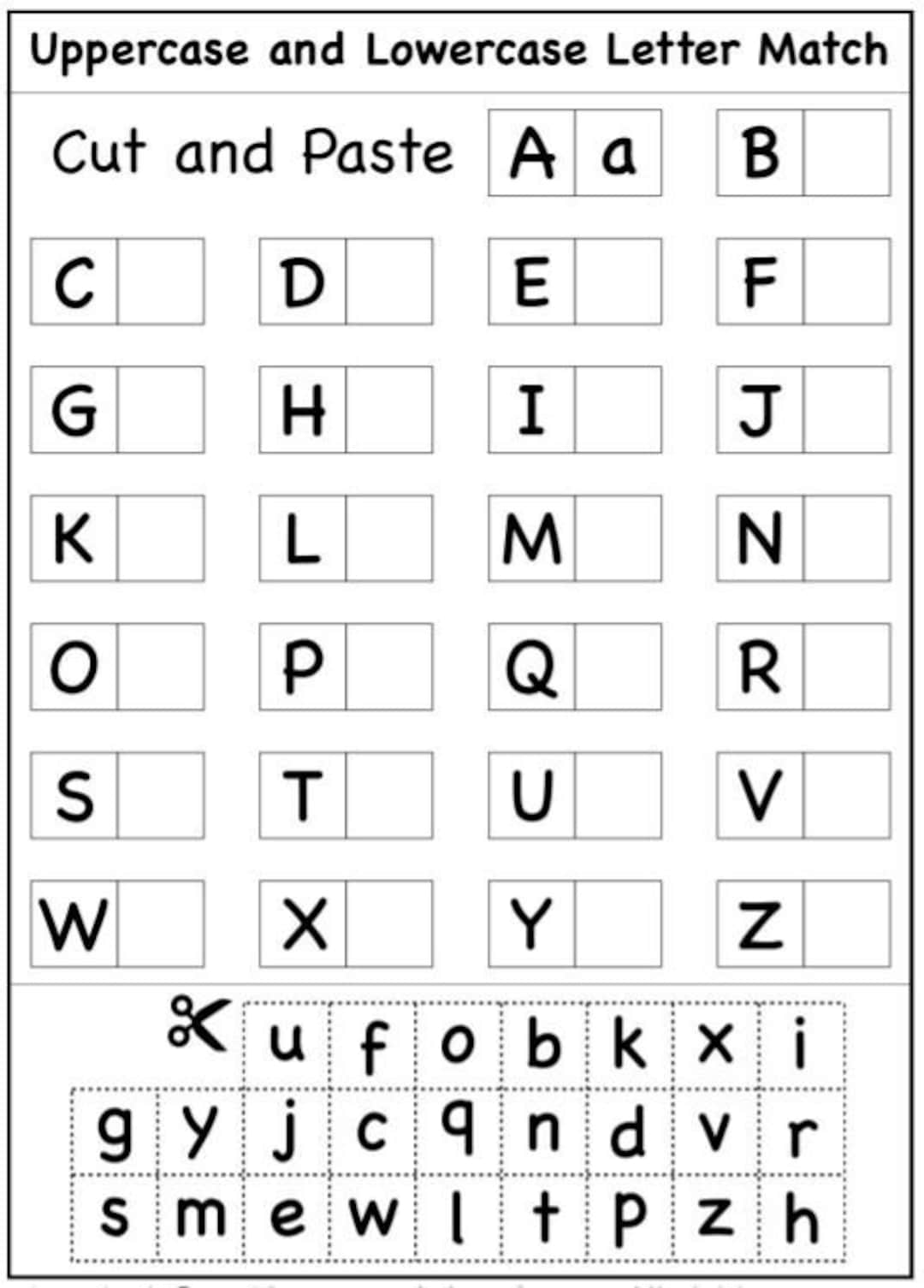
Cut And Paste Alphabet Worksheets For Kindergarten are an excellent resource for reinforcing letter recognition and fine motor skills in young learners. These worksheets engage children in hands-on activities where they cut out letters and paste them in the correct order or on designated sections of the worksheet. This not only makes learning fun but also helps develop essential skills that will serve them well in their educational journey.
Why Use Cut And Paste Worksheets?
Cut and paste worksheets are highly effective in a kindergarten classroom or at home. They provide a tactile learning experience that is crucial for young children. By engaging in cutting and pasting, children enhance their hand-eye coordination and fine motor skills, which are vital for writing and other activities. Furthermore, these worksheets help reinforce the alphabet in a way that is interactive and memorable.
When you introduce Cut And Paste Alphabet Worksheets For Kindergarten, you’re not just teaching letters; you’re also promoting creativity and critical thinking. Children get to choose where to place the letters, encouraging them to think about the order of the alphabet and the sounds each letter makes.
Preparing Your Classroom for Cut And Paste Activities
To make the most out of these worksheets, you’ll want to prepare your classroom or home environment effectively. Here are some practical tips:
- Gather Supplies: Ensure you have enough scissors, glue sticks, and the worksheets printed. Consider using cardstock for durability, especially if the worksheets will be reused or handled multiple times.
- Set Up Workstations: Create small workstations with all the necessary supplies. This can help manage classroom traffic and keep students focused. Each station can have a worksheet, scissors, and a glue stick.
- Provide Clear Instructions: Before starting, walk the children through the activity. Demonstrate how to cut and paste properly. This will help minimize frustration and ensure everyone understands the task.
- Monitor and Assist: Circulate around the room to provide assistance as needed. Some children may need help with cutting or understanding the task. Offer guidance and encouragement to keep them motivated.
- Plan for Cleanup: Have a cleanup process in place. Designate a space for scraps of paper and glue sticks to avoid clutter and distractions.
Types of Cut And Paste Alphabet Worksheets
There are various types of Cut And Paste Alphabet Worksheets that cater to different learning objectives. Here are a few examples:
Letter Matching Worksheets
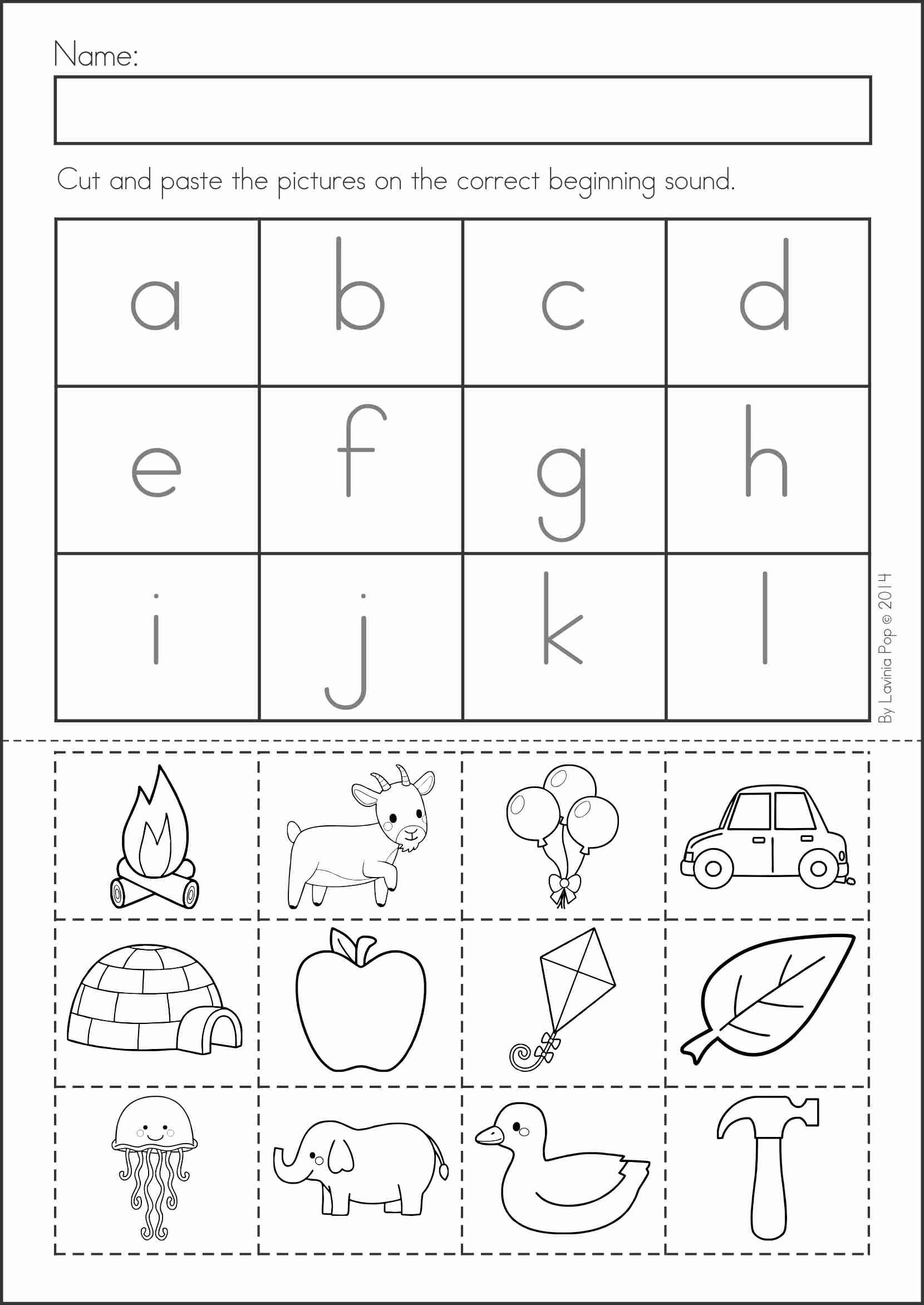
These worksheets typically feature a variety of letters that children must cut out and match to the corresponding images or words. For instance, if a child cuts out the letter “A,” they might need to paste it next to an apple image. This activity reinforces letter recognition and phonetic sounds.
Alphabet Sequencing Worksheets
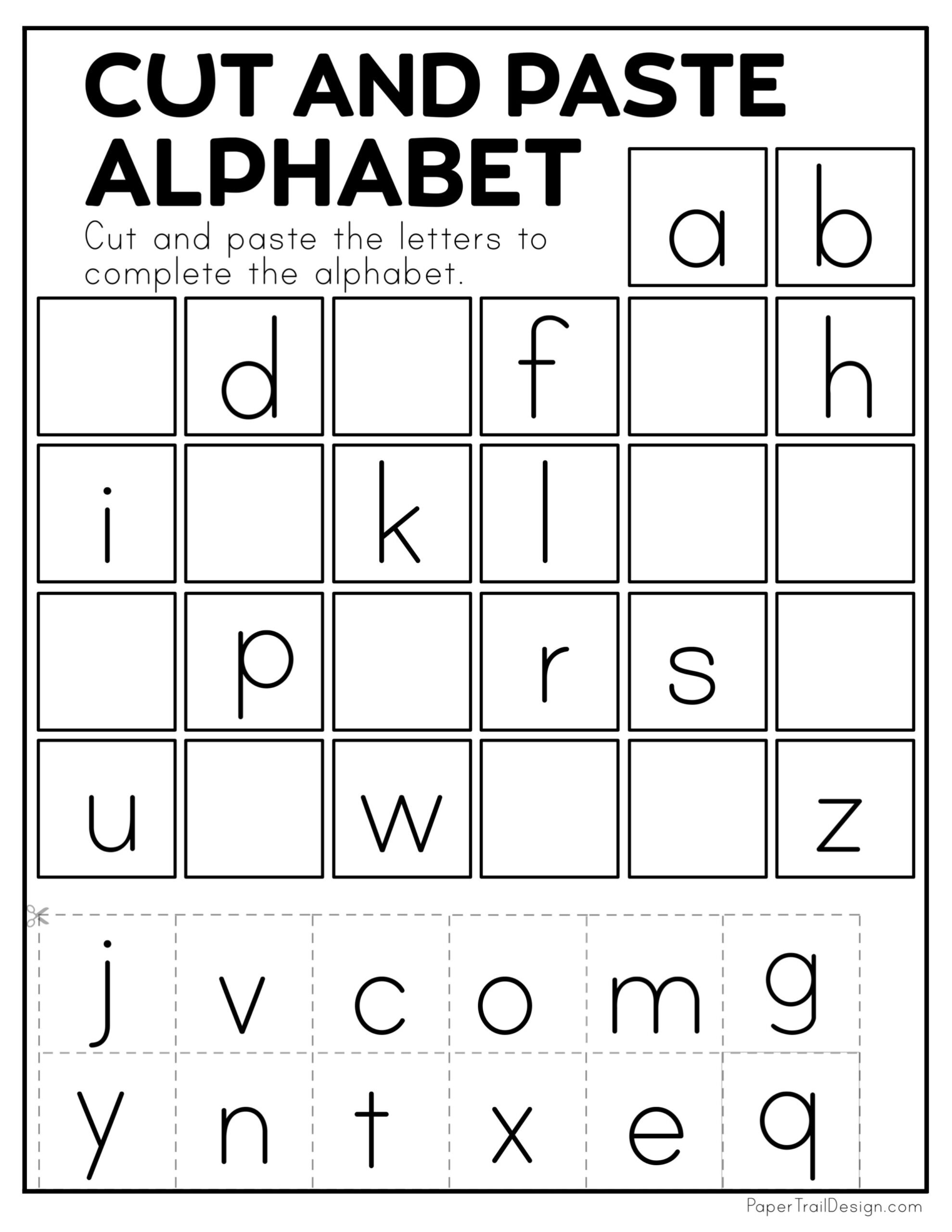
In these worksheets, children cut out letters from a template and must paste them in alphabetical order. This helps them understand the sequence of the alphabet and promotes memory retention through active participation.
Word Formation Worksheets
These are slightly more advanced and involve children cutting out letters to form simple words. For example, they might need to use the letters “C,” “A,” and “T” to spell “cat.” This reinforces both letter recognition and basic spelling skills.
Integrating Worksheets Into Your Curriculum
Cut And Paste Alphabet Worksheets can easily fit into a broader literacy curriculum. Here’s how you can integrate them into your daily lessons:
- Start with Phonics: Before introducing the worksheets, spend some time on phonics. Teach children the sounds associated with each letter, which will make the cut and paste activity more meaningful.
- Combine with Storytime: After a story that includes alphabet themes, have children use worksheets that correlate with the story. For example, if the story features animals, use animal-themed cut and paste worksheets.
- Use as Assessment Tools: These worksheets can also serve as informal assessments. Observe how well children can recognize letters and follow directions during the activity.
- Encourage Group Work: Pair students to work on worksheets together. This encourages collaboration and allows them to learn from one another.
- Incorporate Technology: If available, consider using a projector to display the worksheets on a screen. You can guide the entire class through the activity before they start working individually.
Tips for Maximizing Engagement
To keep children engaged with Cut And Paste Alphabet Worksheets, consider these strategies:
- Add Creativity: Allow children to decorate their worksheets with colors or stickers after completing the cut and paste activity. This adds a personal touch and makes the activity feel special.
- Create a Display: After completing the worksheets, display them around the classroom. This not only boosts their confidence but also fosters a sense of community and pride in their work.
- Incorporate Songs and Rhymes: Use alphabet songs or rhymes while children are working. This keeps the atmosphere lively and reinforces learning through music.
- Offer Choices: Provide a variety of worksheets so children can choose which ones they want to work on. This autonomy can lead to increased motivation and interest.
- Adjust Difficulty Levels: Tailor worksheets to meet the varying skill levels in your classroom. For advanced learners, consider worksheets that require spelling small words, while beginners can focus on letter recognition.
By incorporating Cut And Paste Alphabet Worksheets For Kindergarten into your teaching strategy, you can create a dynamic and engaging learning environment. Remember to keep the atmosphere fun and supportive, allowing children to explore and experiment with letters in a hands-on way. One immediate tip: print multiple copies of each worksheet so you can easily switch activities or provide additional practice as needed.