
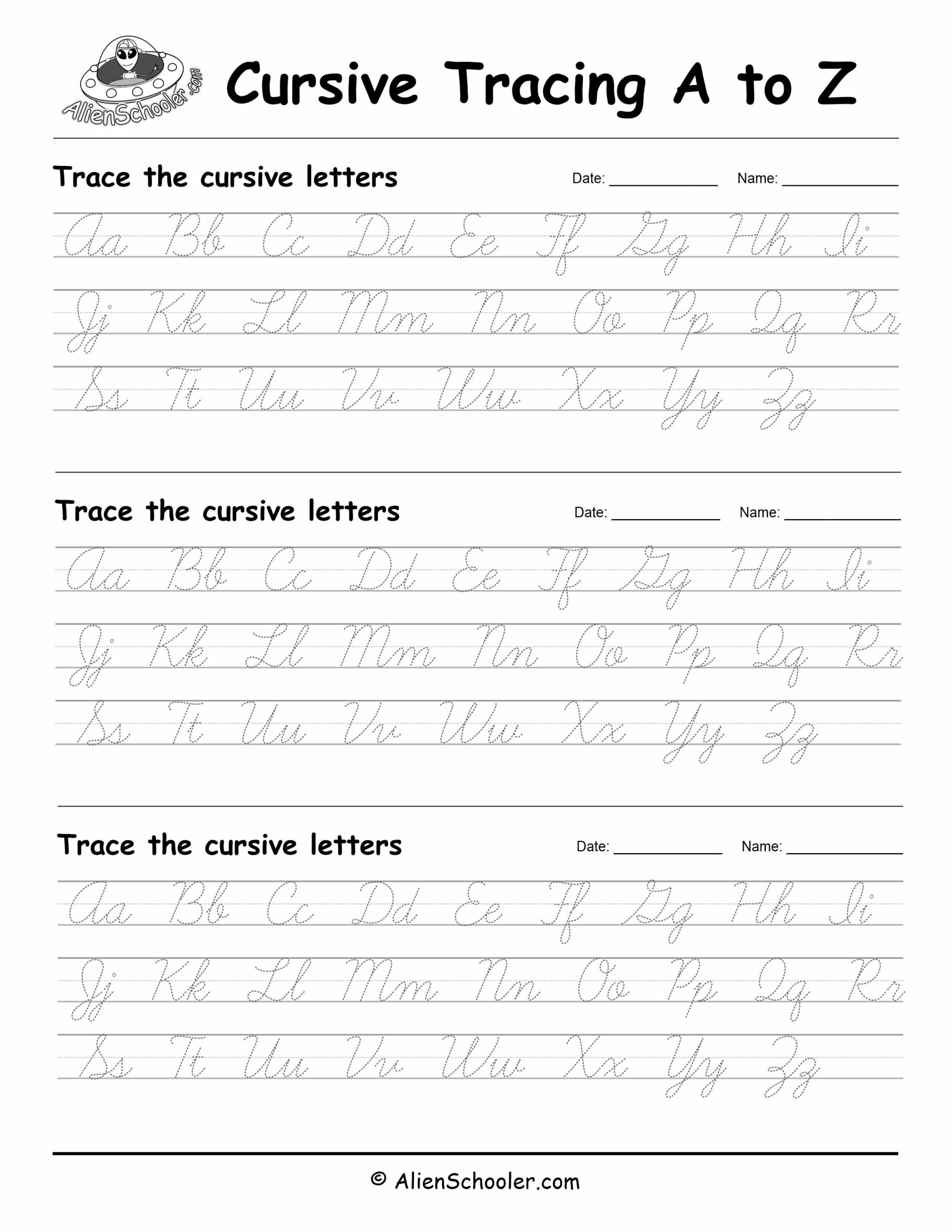
As Jamie sat at the kitchen table, her pencil hovered over a worksheet filled with beautifully crafted cursive letters. Her mother had just printed out a Cursive Lowercase Alphabet Tracing Worksheet, keen to help Jamie improve her handwriting skills. It’s a straightforward yet essential resource for teachers and parents alike, offering a structured way for kids to practice forming each letter. But how can you effectively incorporate this tracing worksheet into your teaching routine? Let’s explore some practical strategies and tips.
Understanding the Importance of Cursive Writing
Cursive writing plays a vital role in developing fine motor skills and cognitive functions in children. Research shows that writing in cursive can enhance memory retention and improve overall literacy. By using a Cursive Lowercase Alphabet Tracing Worksheet, you can help students not only learn to write the letters but also understand the flow and connection between them.
Why Focus on Lowercase Letters?
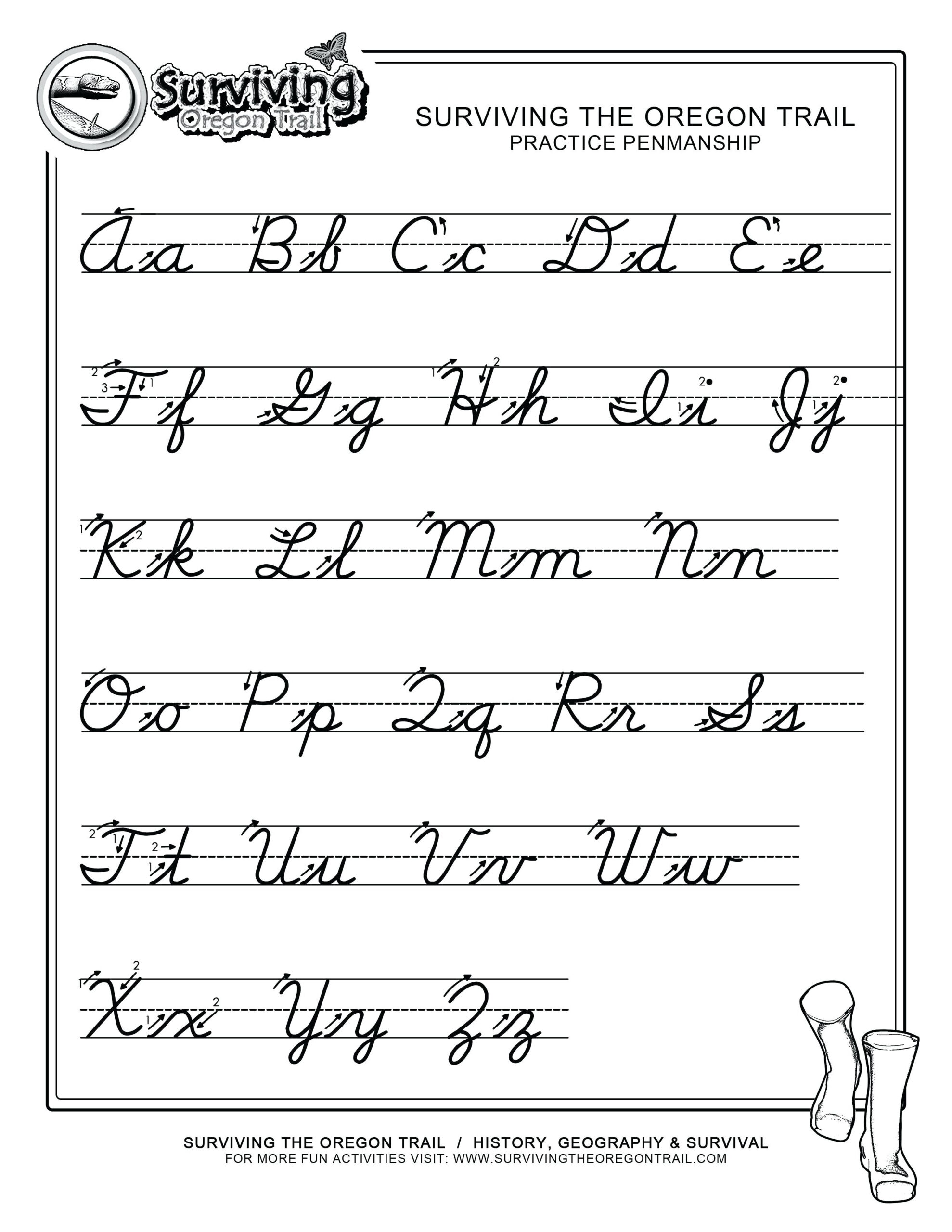
Most written communication utilizes lowercase letters, making it essential for young learners to master them first. Starting with lowercase letters helps build a solid foundation for writing. This focus helps children gain confidence, as they will often find themselves using these letters in everyday writing tasks.
Best Practices for Using the Cursive Lowercase Alphabet Tracing Worksheet
When integrating the Cursive Lowercase Alphabet Tracing Worksheet into your teaching or home practice, consider the following strategies:
Set a Regular Practice Schedule
Consistency is key when it comes to developing handwriting skills. Instead of overwhelming students with a lengthy session, break down the tracing practice into manageable chunks throughout the week. For example, dedicate 10-15 minutes each day to focus on two or three letters. This approach reinforces learning and gives children the opportunity to absorb the skill over time.
Create a Comfortable Learning Environment
Make sure that the workspace is inviting and free from distractions. A well-lit area with a comfortable chair can help children focus better. Additionally, using a good quality pencil or pen can make a significant difference in how they feel about writing. Remember, the goal is to create a positive association with writing!
Incorporating Different Activities
While tracing is a fundamental activity, it’s beneficial to incorporate varied exercises to keep children engaged. Here are a few ideas:
Writing in the Air
Before moving to the worksheet, have the children practice writing letters in the air with their fingers. This activity helps them visualize the motion of forming each letter. It’s a fun way to enhance muscle memory before they even touch the paper.
Use of Sensory Materials
Try using sand, shaving cream, or even finger paint to allow children to form letters using their hands. This sensory approach encourages engagement and can be particularly helpful for kinesthetic learners who thrive on tactile experiences.
Combine With Storytelling
Encourage children to come up with short stories or sentences that include the letters they are tracing. This practice not only reinforces their learning but also sparks creativity. For instance, after tracing the letter “a,” they could write a simple sentence like “A cat sat on a mat.”
Tracking Progress
As you incorporate the Cursive Lowercase Alphabet Tracing Worksheet into your routine, it’s essential to track progress. Here are practical ways to do so:
Create a Chart
Design a simple chart where children can mark off letters they’ve mastered. This visual representation of progress can be incredibly motivating. You could even introduce a reward system for completing certain milestones.
Encourage Self-Assessment
After a week of practice, have children assess their own work. They can compare their tracing with the original letters and note areas for improvement. This reflection helps them become more aware of their writing style and areas that need focus.
Choosing the Right Paper and Tools
When using the Cursive Lowercase Alphabet Tracing Worksheet, the choice of paper and writing tools can significantly impact the learning experience.
Paper Type
Using standard printer paper works well, but if you want durability, consider using cardstock. It holds up better to repeated use, especially if you plan to laminate the worksheets for long-term use. Laminating allows children to practice with dry-erase markers, making cleanup easy and promoting repeated use without wasting paper.
Writing Instruments
A variety of writing tools can make tracing more enjoyable. For younger children, thicker crayons or markers can provide better grip and control. As they progress, transitioning to pencils or fine-tipped markers can help refine their skills.
Encouraging Creativity Beyond Tracing
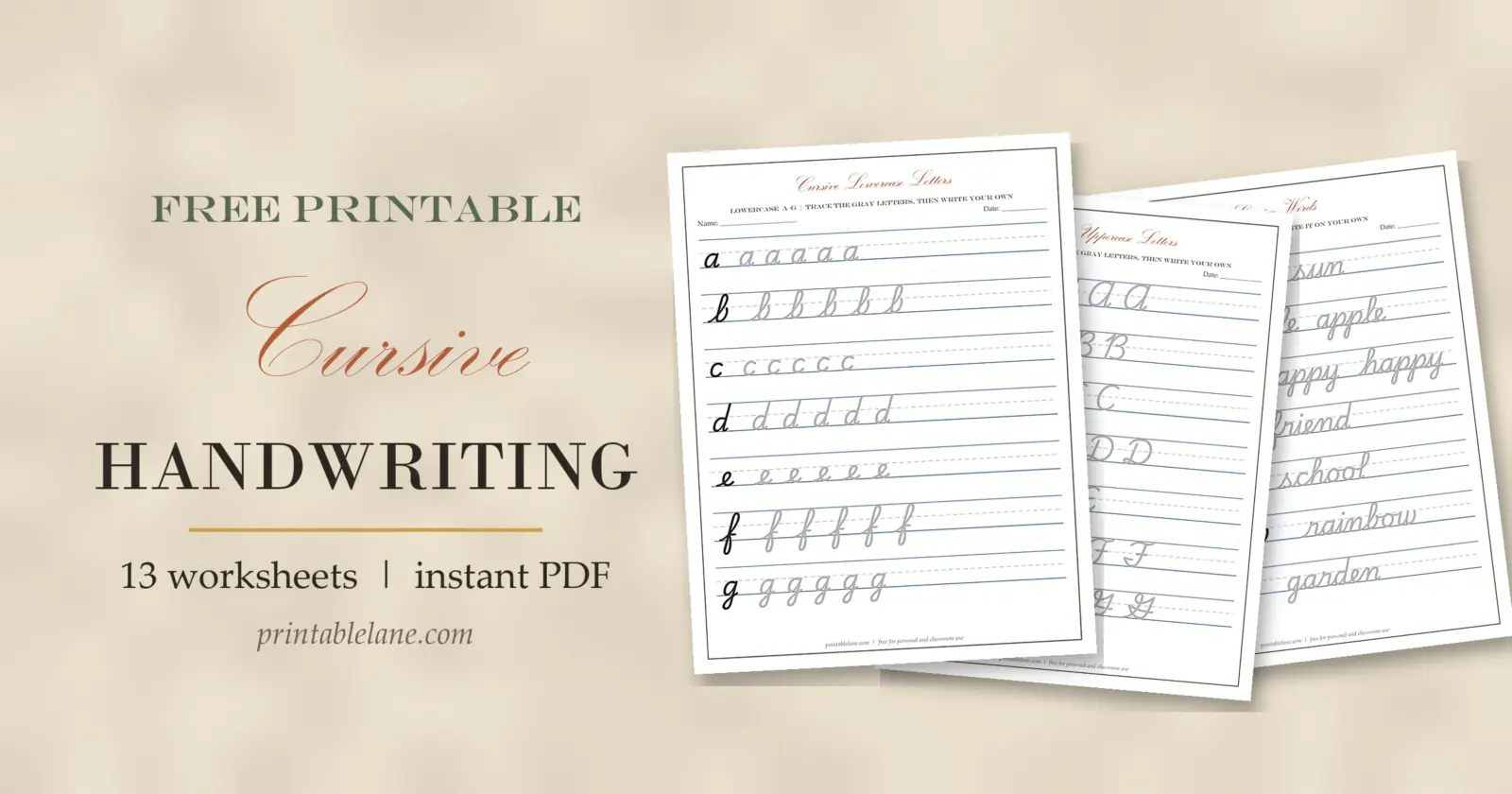
Once children feel confident in tracing, encourage them to create their own cursive letters. You can prompt them to write their names or draw pictures and label them using cursive. This transition from tracing to independent writing fosters creativity and reinforces their learning.
Incorporating Technology
In today’s digital age, utilizing technology can also be beneficial. There are various apps and online resources that focus on cursive writing practice. While nothing replaces the tactile experience of using a worksheet, these tools can offer additional support and variety.