
Teaching cursive writing can be a rewarding experience, especially when you have effective tools at your disposal. The Cursive Alphabets Capital And Small Letters Worksheet stands out among similar resources by offering a structured layout that facilitates both learning and practice. This worksheet is specifically designed to help children master the art of cursive writing through a clear, engaging format that encourages creativity and skill development.
Understanding the Worksheet’s Layout
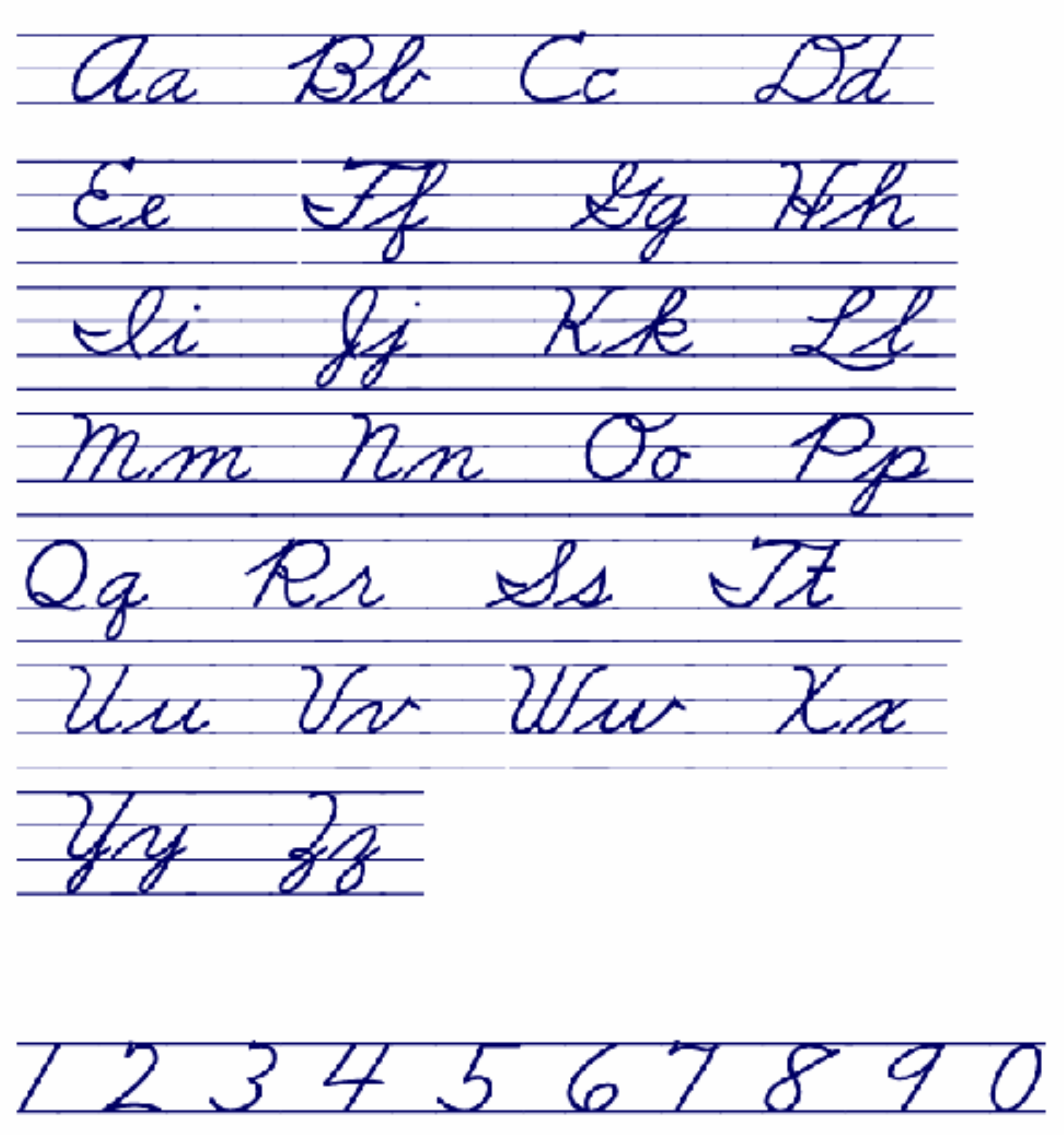
The Cursive Alphabets Capital And Small Letters Worksheet is thoughtfully designed with a user-friendly layout. Each page typically features two sections: one for capital letters and another for small letters. This division is crucial because it allows students to focus on one aspect of cursive writing at a time, which can reduce overwhelm and enhance learning.
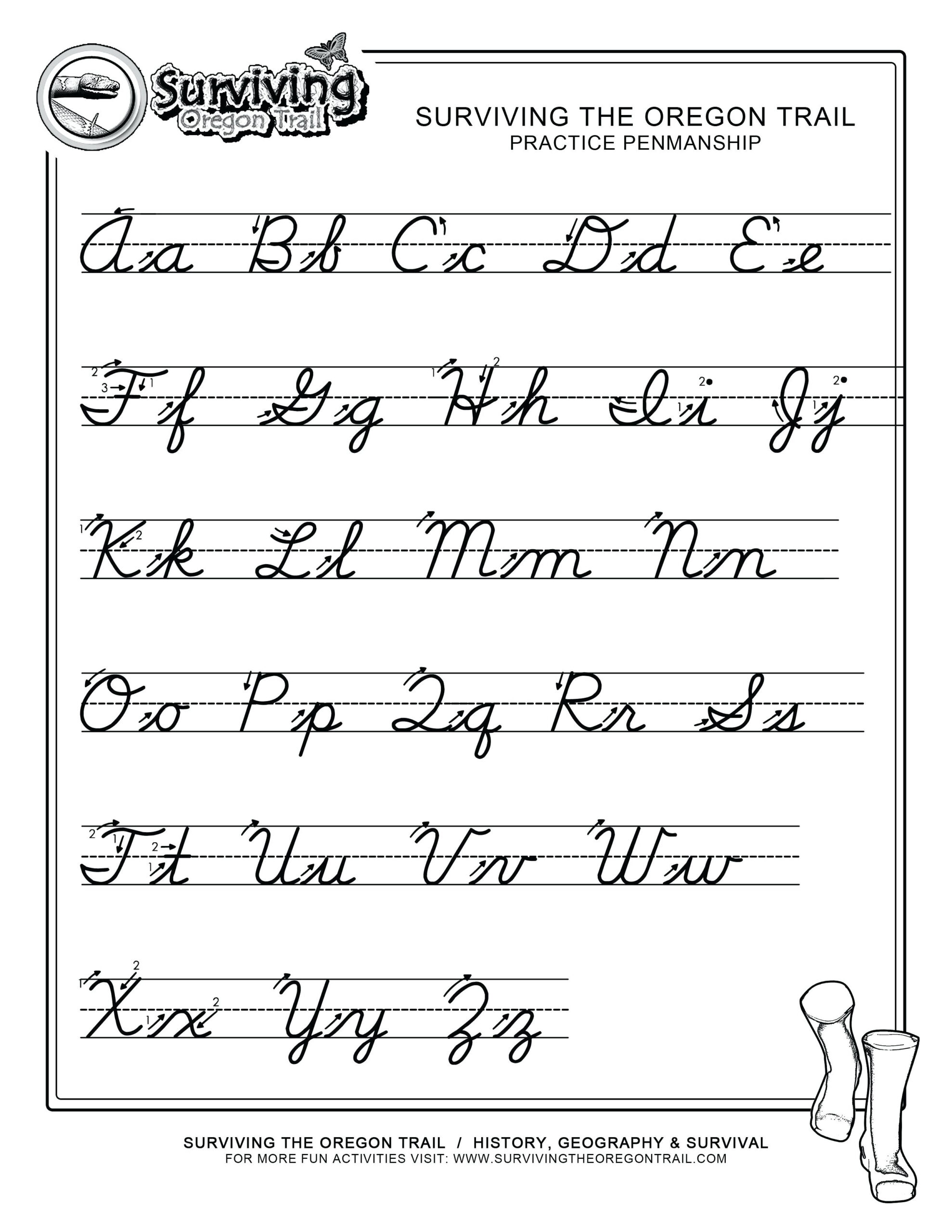
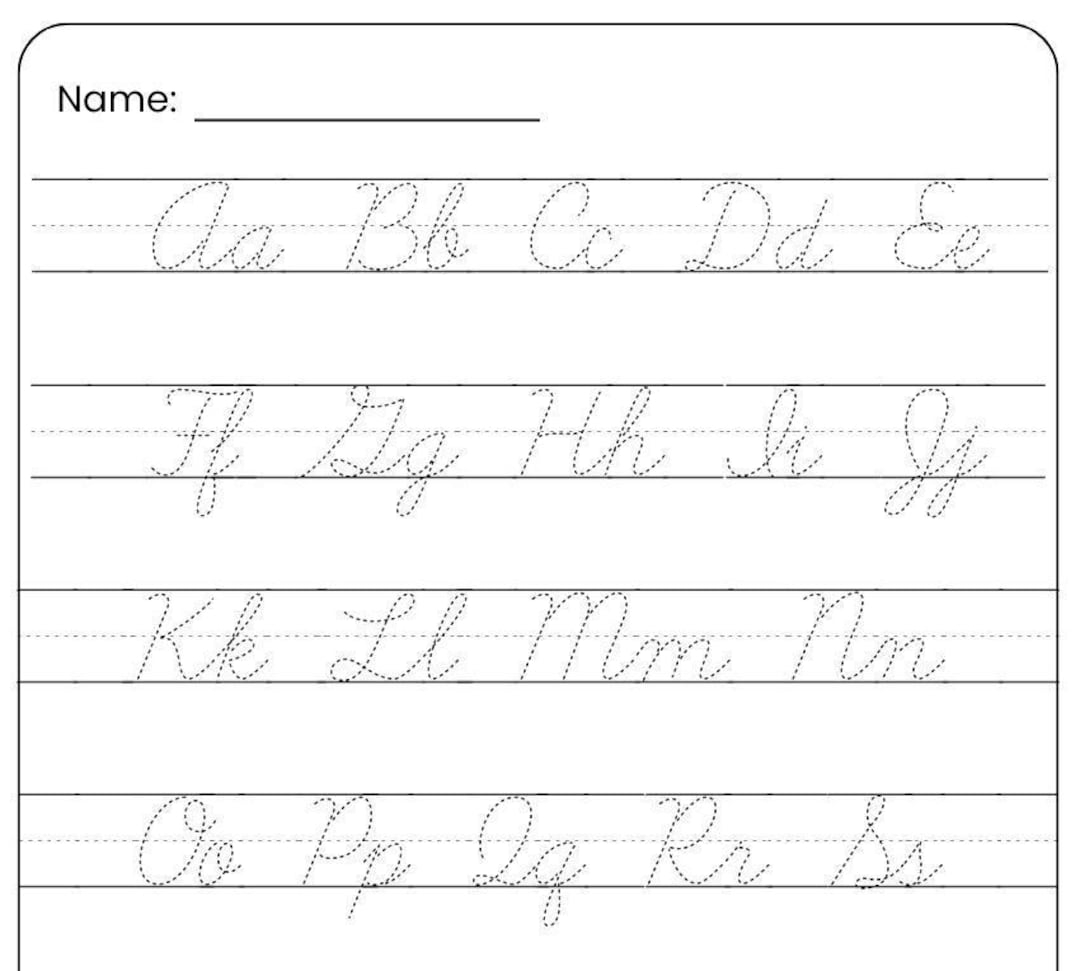
In the capital letters section, you’ll find each letter presented in a large, bold format, making it easy for young learners to trace and replicate the formations. The small letters section follows a similar design, providing ample space for practice. With clear guidelines and arrows indicating the direction of strokes, children can learn the proper movements required to form each letter.
How to Use the Worksheet Effectively
For teachers and parents, the Cursive Alphabets Capital And Small Letters Worksheet can be integrated into various educational settings. Here are several practical ways to utilize this resource:
- Daily Practice: Incorporate the worksheet into daily routines. Set aside 10-15 minutes each day for cursive practice. Consistency is key when developing writing skills.
- Incorporate Games: Turn writing practice into a fun activity by introducing games. For instance, create a timed competition where students see how many letters they can trace correctly within a minute.
- Combine with Other Activities: Pair the worksheet with other writing activities, such as story writing or journaling. Encourage students to write a short paragraph using cursive after practicing individual letters.
- Peer Review: Allow students to exchange worksheets and provide feedback to one another. This not only reinforces their learning but also builds confidence in their writing abilities.
Appropriate Age and Grade Levels
This worksheet is primarily suited for early elementary students, typically in grades K-2. At this stage, children are often introduced to cursive writing, making the resource an ideal fit for their learning needs. It’s also beneficial for older students who may need additional practice or reinforcement in cursive writing skills.
The Benefits of Practicing Cursive Writing
Engaging with the Cursive Alphabets Capital And Small Letters Worksheet offers numerous benefits beyond just learning to write in cursive. Here are a few key advantages:
- Improved Motor Skills: Cursive writing requires a different set of fine motor skills compared to print writing. The continuous flow of cursive letters helps develop hand-eye coordination and dexterity.
- Enhanced Cognitive Development: The act of writing in cursive can stimulate brain activity, improving memory retention and comprehension. This is particularly beneficial for young learners as they make connections between letters and sounds.
- Personal Expression: Cursive writing allows for personal flair and creativity. As students become more confident in their cursive skills, they may begin to develop their unique styles, which can foster a sense of identity and self-esteem.
Practical Tips for Printing and Usage
When preparing to use the Cursive Alphabets Capital And Small Letters Worksheet, consider the following practical tips:
- Paper Choice: Opt for high-quality paper that can withstand repeated tracing. Cardstock is an excellent choice if you plan to laminate the worksheets for durability.
- Printer Settings: If printing at home, ensure your printer settings are adjusted for the best quality. A higher DPI (dots per inch) setting can yield sharper images of the letters, making it easier for children to trace.
- Laminating: For repeated use, laminate the worksheets. This way, children can use dry-erase markers to practice without needing to print new sheets constantly.
- Color Coding: Use color coding to differentiate between capital and small letters. This visual aid can help children quickly recognize the different styles and forms of cursive writing.
Encouraging Progress and Assessment
As students work through the Cursive Alphabets Capital And Small Letters Worksheet, it is essential to monitor their progress. Here are some strategies for assessment:
- Track Improvement: Keep a record of each child’s progress over time. Note improvements in letter formation, speed, and overall confidence.
- Celebrate Milestones: Acknowledge achievements, no matter how small. Celebrating milestones can motivate students to continue practicing and improving their cursive skills.
- Provide Feedback: Offer constructive feedback on their writing. Highlighting strengths while gently addressing areas for improvement can foster a positive learning environment.
The Cursive Alphabets Capital And Small Letters Worksheet is not just a tool for teaching cursive; it’s a gateway to enhancing fine motor skills, cognitive development, and personal expression. By integrating this resource into your teaching or homeschooling routine, you can create a rich learning experience that encourages children to embrace the art of cursive writing.
One particularly useful detail is that integrating cursive writing into daily tasks, such as writing notes or lists, reinforces the skill in a practical context, making learning feel relevant and engaging.