
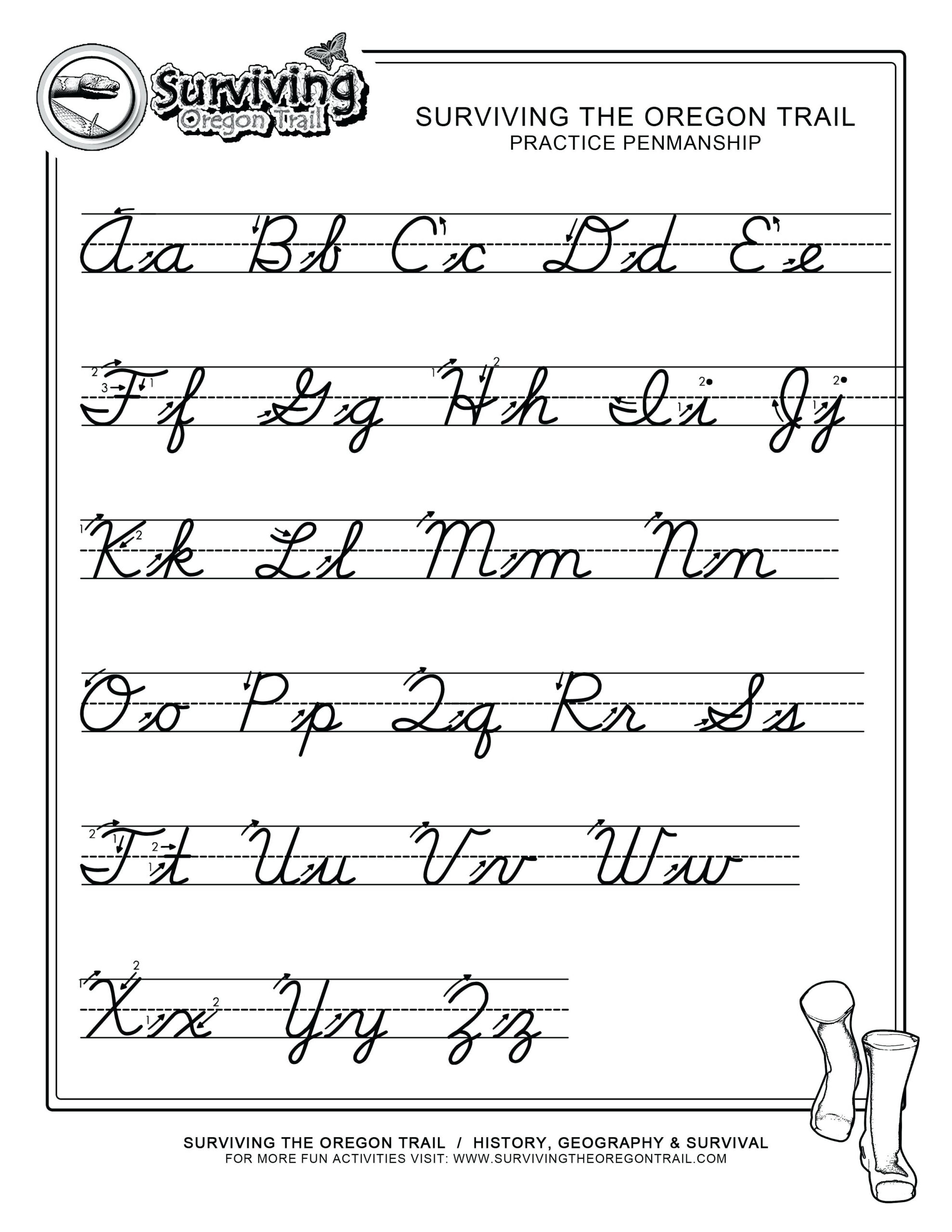
Cursive Alphabet Worksheets With Arrows offer a structured approach to teaching cursive writing, making it easier for children to learn the flow and formation of each letter. These worksheets typically feature arrows that guide young learners through the correct strokes, helping them develop muscle memory and confidence. If you’re looking to enhance your lesson plans, these resources can be invaluable for classrooms and homeschooling settings alike.
Understanding the Importance of Cursive Writing
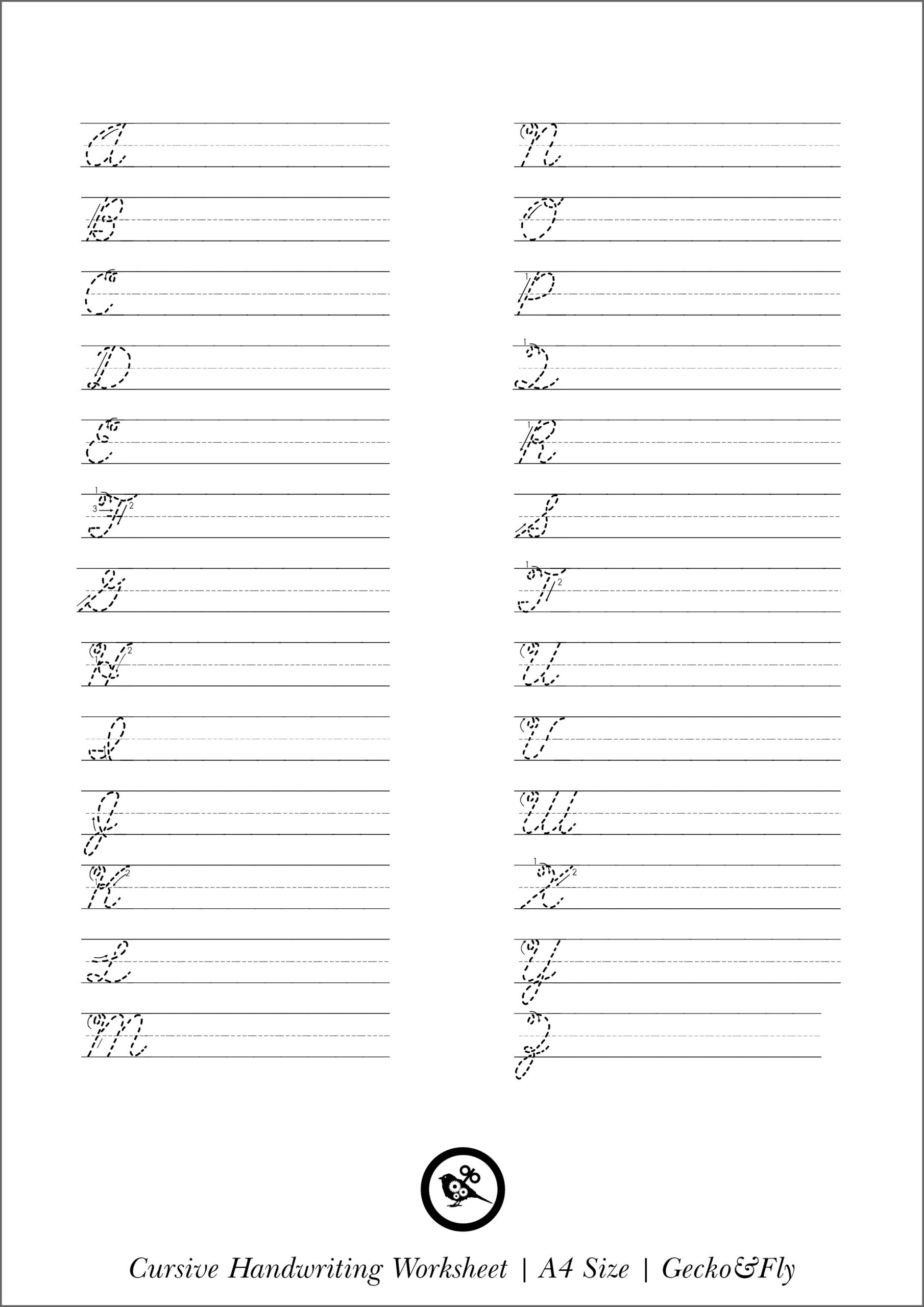
Cursive writing is an essential skill for children, often taught in elementary school. It helps improve fine motor skills, encourages creativity, and fosters a personal writing style. By integrating Cursive Alphabet Worksheets With Arrows into your teaching strategy, you provide students with a visual aid that can significantly enhance their learning experience.
The worksheets often cater to various age groups, typically starting from kindergarten through third grade. The visual arrows assist in demonstrating how to connect letters smoothly, which can be particularly beneficial for students who struggle with standard printing. This transition to cursive can spark excitement in writing, as children begin to see their own flair in their handwriting.
How to Use Cursive Alphabet Worksheets With Arrows
When it comes to implementing these worksheets in your classroom or home, the process is straightforward. Here’s a step-by-step guide to maximize their effectiveness:
- Choose Your Worksheets: Start by selecting the appropriate Cursive Alphabet Worksheets With Arrows that match your teaching goals. Look for resources that cover both uppercase and lowercase letters to provide a comprehensive learning experience.
- Download and Print: Most worksheets are available in PDF format, making them easy to download and print. When printing, make sure to use standard letter size (8.5 x 11 inches) for easy handling. If you plan to reuse the worksheets, consider printing them on cardstock for durability.
- Set Up a Writing Station: Create a comfortable and distraction-free space for writing. Provide various writing tools, such as gel pens or colored pencils, which can make the practice more enjoyable for children.
- Introduce the Worksheets: Begin with a brief introduction to cursive writing. Explain the purpose of the arrows and how they can guide students in forming each letter correctly.
- Practice Together: Go through the first few letters as a group. Demonstrate the movements, encouraging students to trace over the arrows with their fingers before picking up their writing instruments.
- Monitor Progress: As students work through the worksheets, take the time to walk around and observe their technique. Look for correct letter formation and fluidity in their writing. If you notice consistent mistakes, it may be beneficial to revisit those particular letters.
- Provide Feedback: After students complete the worksheets, offer constructive feedback. Highlight their improvements and provide tips for areas needing more practice. Positive reinforcement can motivate them to keep progressing.
- Incorporate Fun Activities: To further engage students, consider combining worksheet practice with creative activities. For example, have them write short stories or journal entries in cursive after they’ve practiced the letters.
Recognizing Mastery in Cursive Writing
Understanding what mastery looks like is crucial when using Cursive Alphabet Worksheets With Arrows. Here are a few indicators to help you assess whether students have grasped the concepts:
- Letter Formation: Each letter should be formed correctly, following the guided arrows. Look for consistent height, slant, and spacing between letters.
- Fluidity and Speed: As students become more comfortable, they should write faster while maintaining accuracy. This fluidity signifies growing confidence in their cursive skills.
- Connection of Letters: Students should be able to connect letters smoothly without lifting their pencil excessively. This skill is a key component of cursive writing.
- Personal Style Development: Over time, students will start to develop their unique cursive style. Encourage this individuality, as it signifies they are comfortable with the writing process.
Adapting Worksheets for Different Learning Styles
Not every child learns the same way, and adapting your teaching approach can make a significant difference. Here are a few strategies to cater to various learning styles:
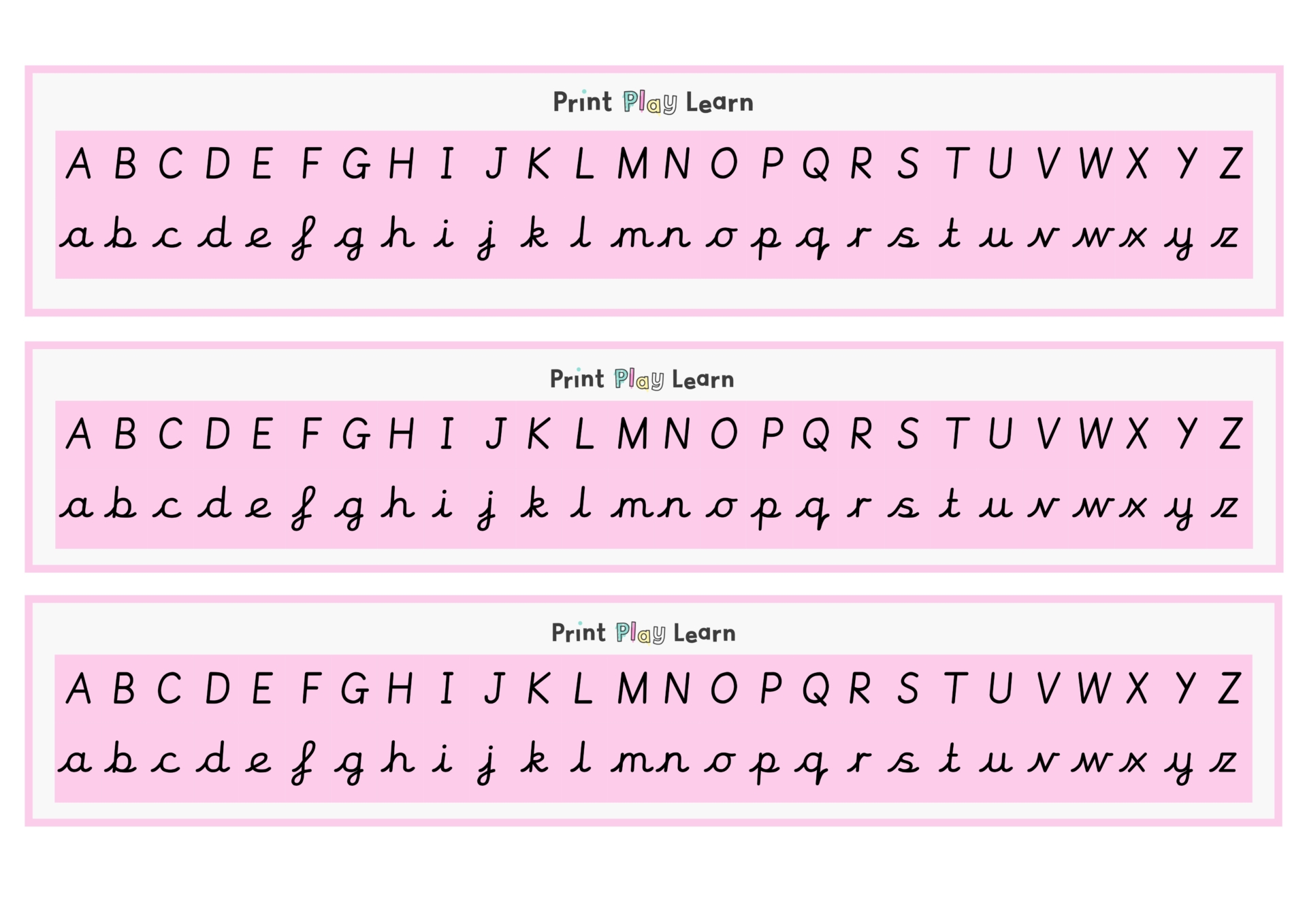
- Visual Learners: For students who learn best through visuals, use color-coded worksheets. Highlight different strokes in various colors to help them understand how each letter is constructed.
- Kinesthetic Learners: Incorporate movement into the learning process. Let students practice writing letters in the air or on large surfaces like whiteboards before moving onto paper.
- Auditory Learners: Consider integrating songs or rhymes that incorporate the letters of the alphabet. This approach can make learning cursive more engaging and memorable.
- Struggling Writers: For students who find cursive challenging, allow them to start with a thicker pen or pencil. This can help them gain control over their writing instruments, making it easier to form letters correctly.
Using Cursive Alphabet Worksheets With Arrows effectively requires a thoughtful approach, but the benefits are profound. With patience and practice, students can develop a love for cursive writing that lasts a lifetime.
One last detail to keep in mind is that lamination can enhance the durability of your worksheets. Laminating them allows for dry-erase markers to be used, making it easy for children to practice repeatedly without wasting paper.