
Teaching children how to write in cursive can feel daunting. The transition from print to cursive is a significant step in a child’s education, and many parents and teachers seek effective tools to facilitate this process. A Cursive Alphabet Lowercase And Uppercase Worksheet is an invaluable resource that can help children practice their handwriting in a structured way. This guide will walk you through how to choose, download, and effectively use these worksheets to support handwriting skills at home.
Understanding the Importance of Cursive Writing
Cursive writing is more than just a stylistic choice; it promotes fine motor skills and cognitive development in young learners. When children learn to write in cursive, they engage different muscles in their hands, improving their dexterity. Additionally, cursive writing can enhance memory retention, as the fluid motion of cursive letters often helps students recall information better than print writing.
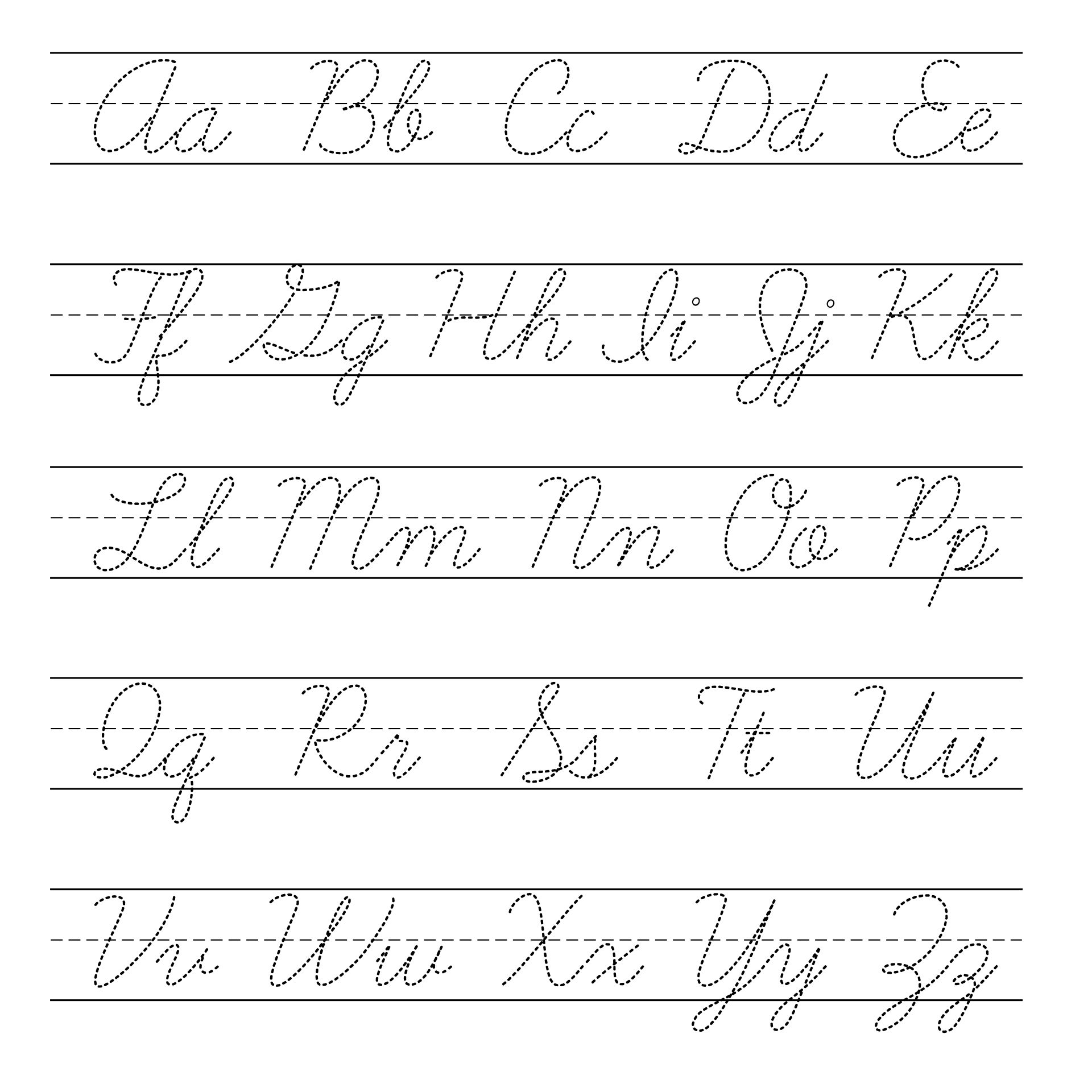
The Cursive Alphabet Lowercase And Uppercase Worksheet specifically targets both uppercase and lowercase letters, providing a comprehensive tool for young learners. Typically suited for children in grades 2-4, these worksheets can bridge the gap for those who may struggle with traditional handwriting methods.
Choosing the Right Cursive Worksheet
When selecting a worksheet, consider the following factors:
- Age Appropriateness: Ensure the worksheet is designed for the right age group. For younger children, opt for worksheets with larger letters and plenty of space for practice.
- Layout: Look for worksheets that feature clear instructions and ample practice space. Portrait layout often works best for home printers, as it provides more vertical space for writing.
- Material Quality: If you plan to print multiple copies, consider using cardstock for durability. Cardstock holds up better if you plan to laminate the sheets for repeated use.
Once you’ve selected a suitable worksheet, you can easily download it. Most resources are available in PDF format, which ensures that the layout remains consistent across different devices.
Printing Your Cursive Worksheets
After downloading the Cursive Alphabet Lowercase And Uppercase Worksheet, the next step is to print it. Here are some practical tips:
- Printer Settings: Set your printer to the highest quality to ensure the letters are clear and easy to read.
- Paper Size: Standard letter size (8.5 x 11 inches) is typically used, but check the worksheet details for any specific size recommendations.
- Test Print: Before printing multiple copies, do a test print to ensure everything appears as expected. This step can help avoid wasting paper and ink.
Setting Up a Learning Environment
Creating a conducive learning environment is crucial for effective practice. Here’s how to set up:
- Quiet Space: Choose a distraction-free area where your child can focus on their handwriting.
- Materials: Gather all necessary materials before starting. This includes the printed worksheets, pencils, erasers, and possibly a ruler for drawing straight lines.
- Routine: Establish a routine that incorporates handwriting practice. This could be part of a daily schedule or a specific time set aside each week.
Using the Cursive Worksheet Effectively
Once everything is set up, it’s time to look at the worksheet. Here’s a step-by-step approach you can follow:
- Demonstration: Start by demonstrating how to write each letter. Use a whiteboard or a blank sheet of paper to show the fluid motion of cursive writing.
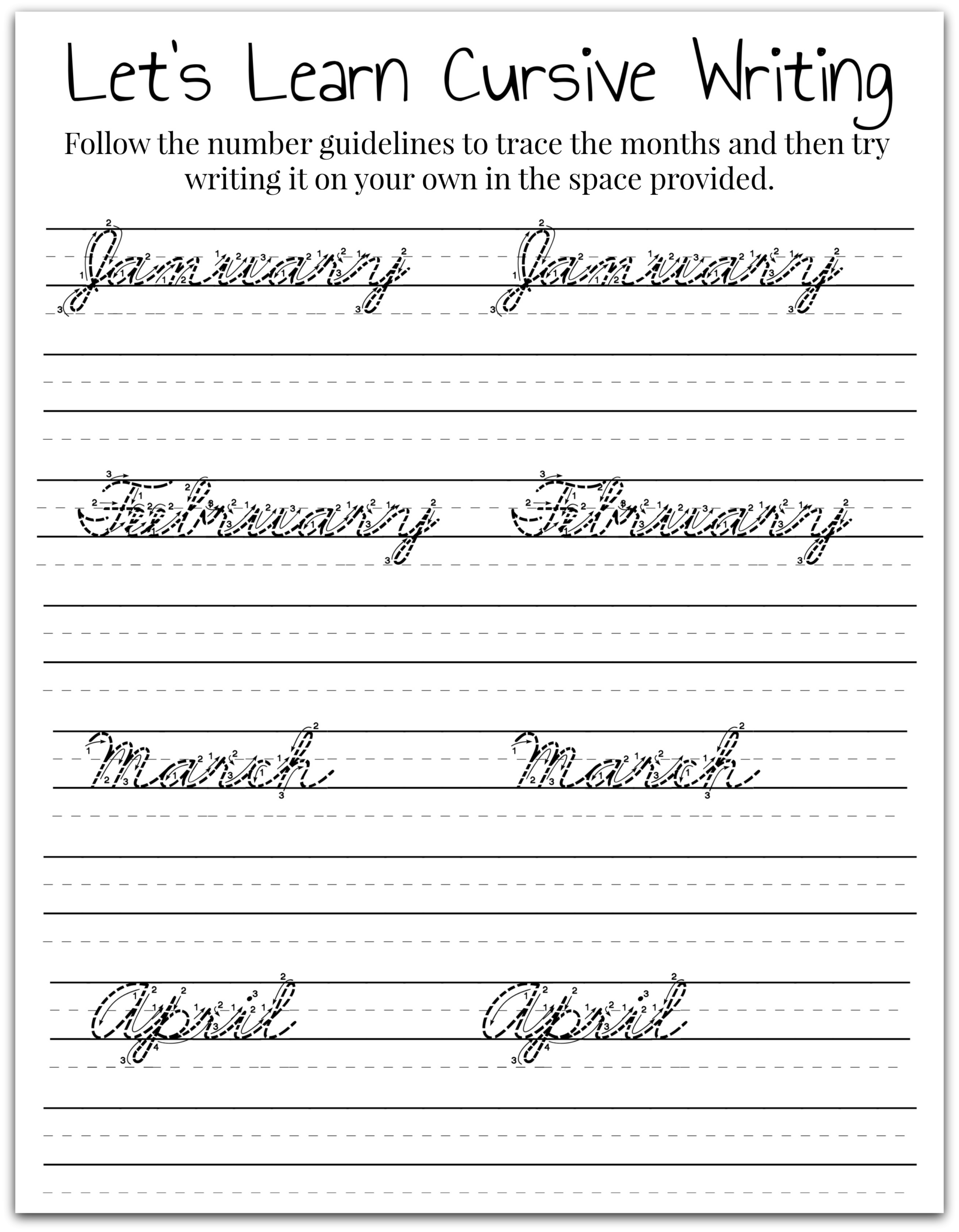
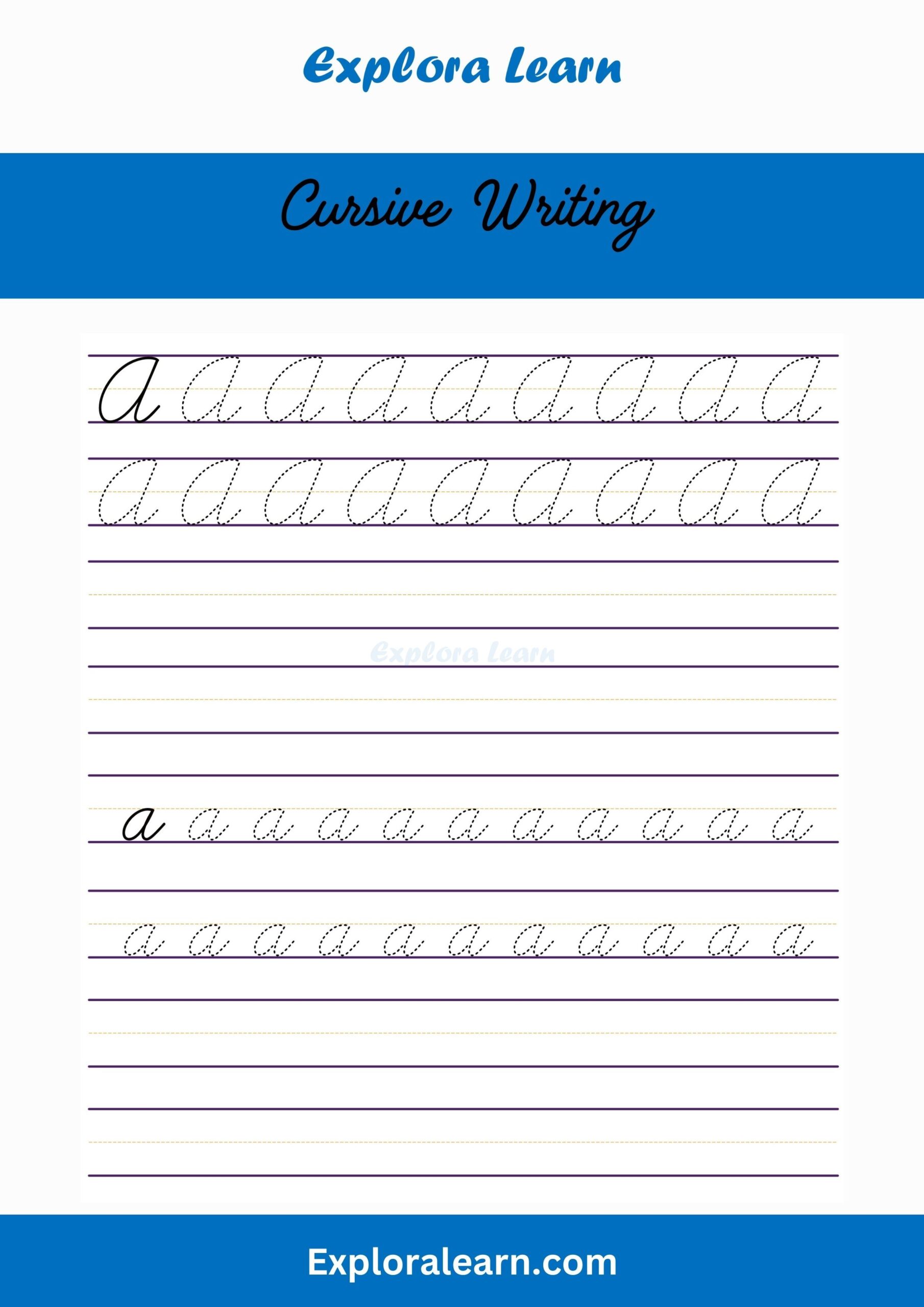
- Model Practice: Have your child trace over the letters on the worksheet first. This helps them understand the shape and flow of each letter.
- Independent Practice: After modeling, encourage your child to practice writing the letters independently. Remind them to focus on the connections between letters, which is a key feature of cursive writing.
- Provide Feedback: Offer constructive feedback as they practice. Highlight improvements and gently correct any mistakes to reinforce learning.
- Progress Tracking: Keep track of their progress. You can do this by saving completed worksheets and comparing them over time to see improvement.
Incorporating Cursive Writing in Daily Activities
To further enhance your child’s cursive writing skills, integrate cursive writing into daily activities. Here are some ideas:
- Create a Journal: Encourage your child to keep a cursive writing journal. They can write about their day or express their thoughts, which makes practice more engaging.
- Letters to Family: Have them write letters to family members in cursive. This not only helps with writing but also builds connections with loved ones.
- Art Projects: Combine cursive writing with art by creating posters or cards that feature cursive lettering. This can make the practice feel more like a fun project rather than just a worksheet task.
Tips for Success
- Patience is Key: Remember that learning cursive takes time. Celebrate small achievements to keep motivation high.
- Use Resources: Don’t hesitate to utilize online videos or tutorials that demonstrate cursive writing techniques. These can provide visual aids that are helpful for both you and your child.
- Regular Practice: Consistency is crucial. Aim for short, daily practice sessions rather than long, infrequent ones.
By incorporating a Cursive Alphabet Lowercase And Uppercase Worksheet into your child’s learning routine, you are setting them up for success in their handwriting journey. With the right tools, a structured approach, and a supportive environment, your child will develop confidence in their cursive writing skills.
To start today, try printing a worksheet and setting aside a few minutes for practice. You’ll likely notice improvement in no time!