
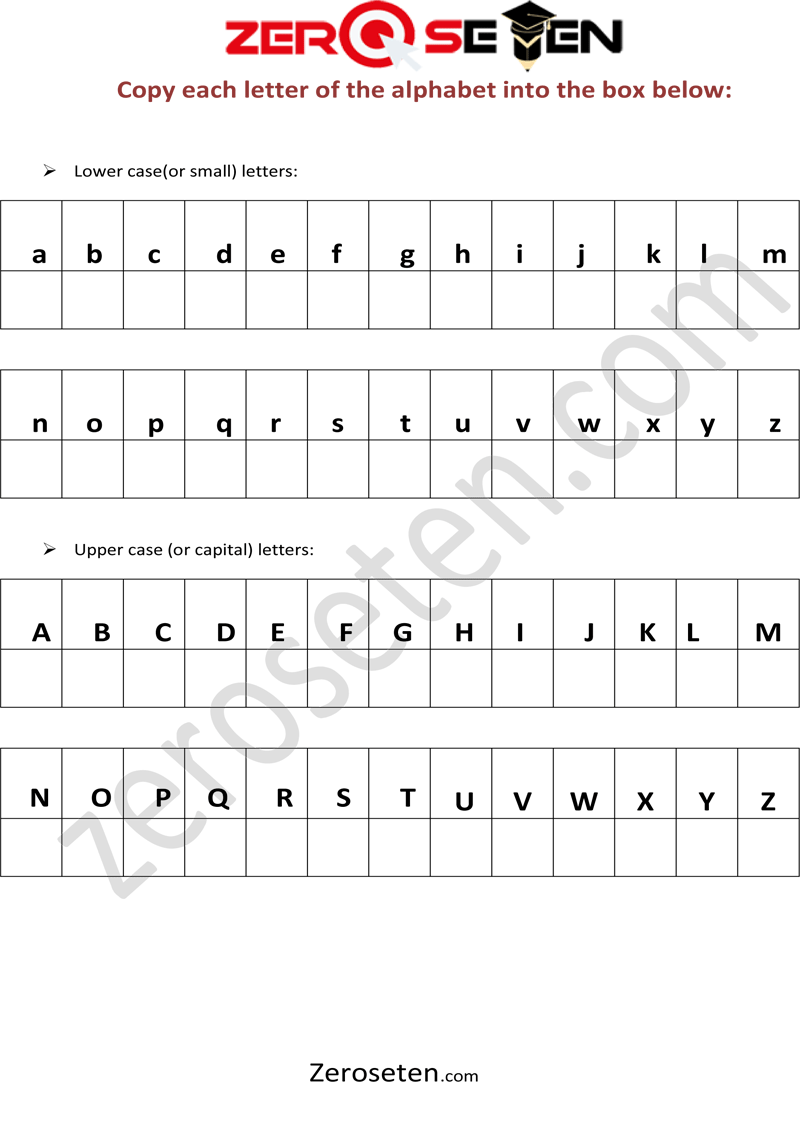
In a cozy classroom filled with the sound of scribbling pencils and soft chatter, Ms. Thompson watches as her first graders eagerly practice their letters. She knows that a solid foundation in letter formation is essential for their writing skills. To support this, she introduces the Copy Letters Of The Alphabet Worksheet, a versatile resource designed to help young learners master their letters through repetition and practice.
Understanding the Importance of Letter Formation
Letter formation is a fundamental skill that impacts a child’s ability to write effectively. Proper formation not only aids in legibility but also builds confidence in young writers. The Copy Letters Of The Alphabet Worksheet is tailored for preschool to early elementary students, typically ages 4 to 7, making it an ideal tool for both classroom and home use.
When children repeatedly practice letters, they develop muscle memory. This repetition helps solidify their understanding of how letters are constructed, which is crucial as they progress to more complex writing tasks. By incorporating this worksheet into your learning routine, you’re providing students with a structured approach to mastering the alphabet.
Setting Up the Copy Letters Of The Alphabet Worksheet
To get started, you’ll need to download and print the Copy Letters Of The Alphabet Worksheet. Here’s how to set it up effectively:
- Download the Worksheet: Ensure you have a reliable printer. The worksheet is typically available in PDF format, which maintains the layout and prevents any formatting issues.
- Choose the Right Paper: Standard 8.5” x 11” printer paper works well, but if you want the worksheets to last longer, consider using cardstock. This heavier paper can withstand repeated use, especially if you plan to laminate the pages.
- Print in Portrait Orientation: For most home printers, using portrait orientation is best. This layout helps students focus on one letter at a time without feeling overwhelmed.
With the worksheet printed, you can now create a conducive learning environment. Set up a quiet workspace with adequate lighting and provide a variety of writing tools—pencils, markers, or even crayons—to keep the activity engaging.
Incorporating the Worksheet Into Daily Learning
To maximize the benefits of the Copy Letters Of The Alphabet Worksheet, consider integrating it into a daily or weekly routine. Here’s a simple plan:
- Daily Practice: Set aside 10-15 minutes each day for students to work on their letters. This consistent practice helps reinforce their learning without feeling like a chore.
- Focus on One Letter at a Time: Each day, select a letter for the students to practice. Start with uppercase letters, as they are often easier for beginners. Once they are comfortable, introduce lowercase letters.
- Combine with Other Activities: To keep the lessons dynamic, incorporate other activities such as letter scavenger hunts or alphabet songs. This variety helps reinforce the letters they are practicing in different contexts.
Monitoring Progress and Providing Feedback
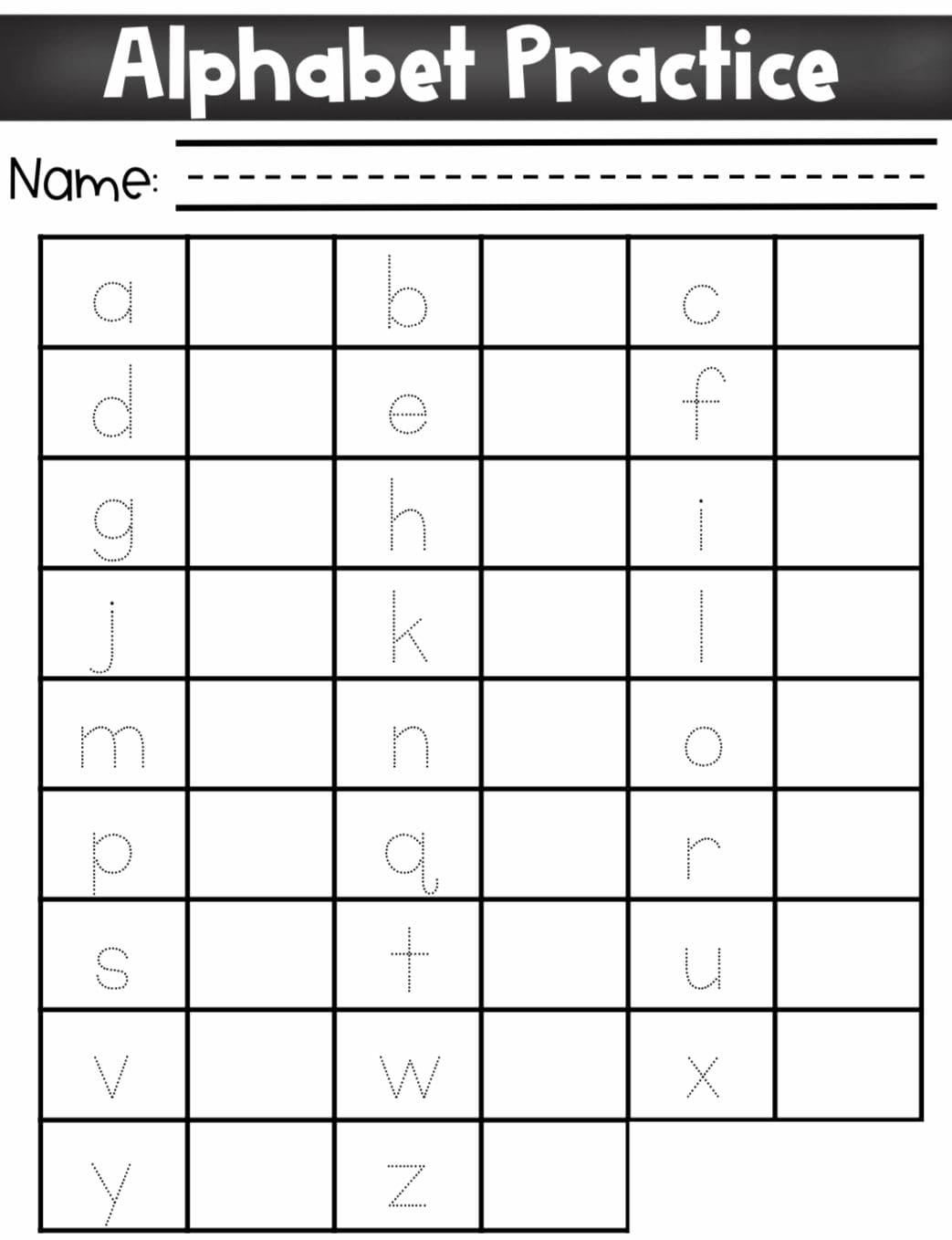
As your students work through the Copy Letters Of The Alphabet Worksheet, take the time to monitor their progress. Here are some tips for providing constructive feedback:
- Observe Grip and Posture: Ensure that students hold their writing instruments correctly and maintain a proper sitting posture. This is crucial for developing good writing habits.
- Praise Efforts: Celebrate their successes, no matter how small. Positive reinforcement encourages children to continue practicing and improving.
- Offer Specific Guidance: If a student struggles with a particular letter, provide targeted assistance. Demonstrate the correct formation and allow them to practice again.
Customizing the Worksheet for Different Needs
Every child learns at their own pace, so it’s helpful to customize the Copy Letters Of The Alphabet Worksheet to cater to different skill levels. Here are a few ideas:
- Add Visual Aids: For younger or struggling learners, consider adding images next to each letter that starts with that letter sound (e.g., an apple next to ‘A’). This visual connection can aid memory.
- Differentiate Letter Sizes: You might create versions of the worksheet with larger or smaller letters based on the child’s writing abilities. Larger letters can be easier for those just starting, while smaller letters can challenge more advanced students.
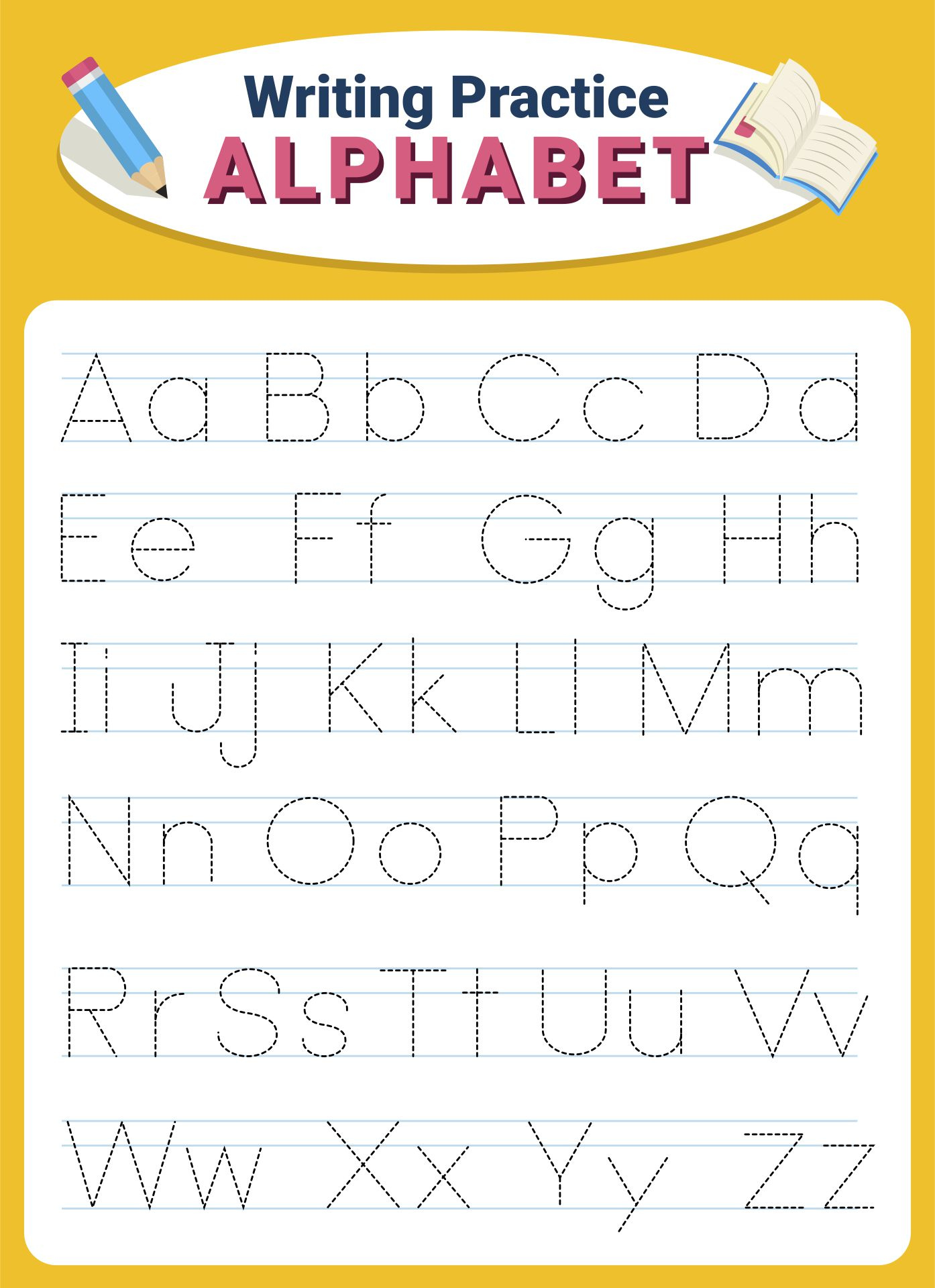
- Incorporate Tracing and Free Writing: Include areas on the worksheet for tracing letters followed by blank spaces for free writing. This approach encourages independence while still providing support.
Using the Worksheet Beyond Handwriting
While the primary goal of the Copy Letters Of The Alphabet Worksheet is to practice handwriting, there are numerous ways to extend its use in your curriculum:
- Phonics Practice: Use the worksheet to reinforce phonics by having students say the letter sounds aloud as they write. This connection between sound and symbol is essential for reading development.
- Creative Storytelling: After practicing letters, encourage students to create short stories or sentences using words that begin with the letters they’ve learned. This not only reinforces their writing skills but also fosters creativity.
- Letter Recognition Games: Turn the worksheet into a game. For example, have students race to find and write letters in their environment, then return to the worksheet to practice those letters.
By integrating the Copy Letters Of The Alphabet Worksheet into your teaching strategy, you’re setting up your students for success in their writing journey. With consistent practice, feedback, and a bit of creativity, you can help them build a strong foundation for their literacy skills. Whether you’re in a classroom or a home setting, this resource is a valuable tool to support young learners in mastering the alphabet.