
Using Colouring Sheets For The Letters Of The Alphabet is an excellent way to engage young learners while teaching them about letters. These sheets combine the joy of coloring with foundational literacy skills, making them a valuable resource for teachers and parents. Let’s explore how to effectively use these sheets, what skills they reinforce, and tips for maximizing their educational impact.
Benefits of Colouring Sheets for Letter Recognition
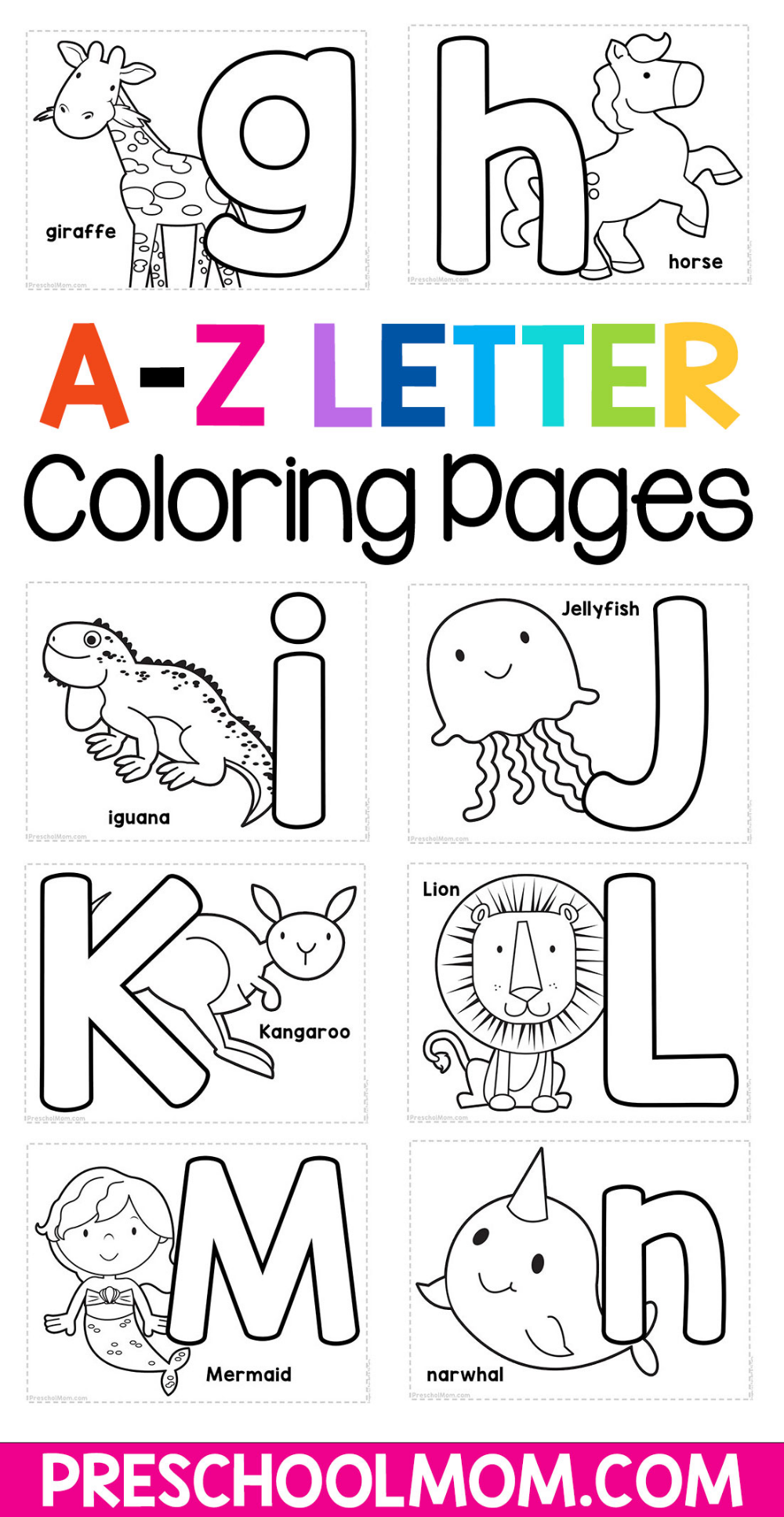
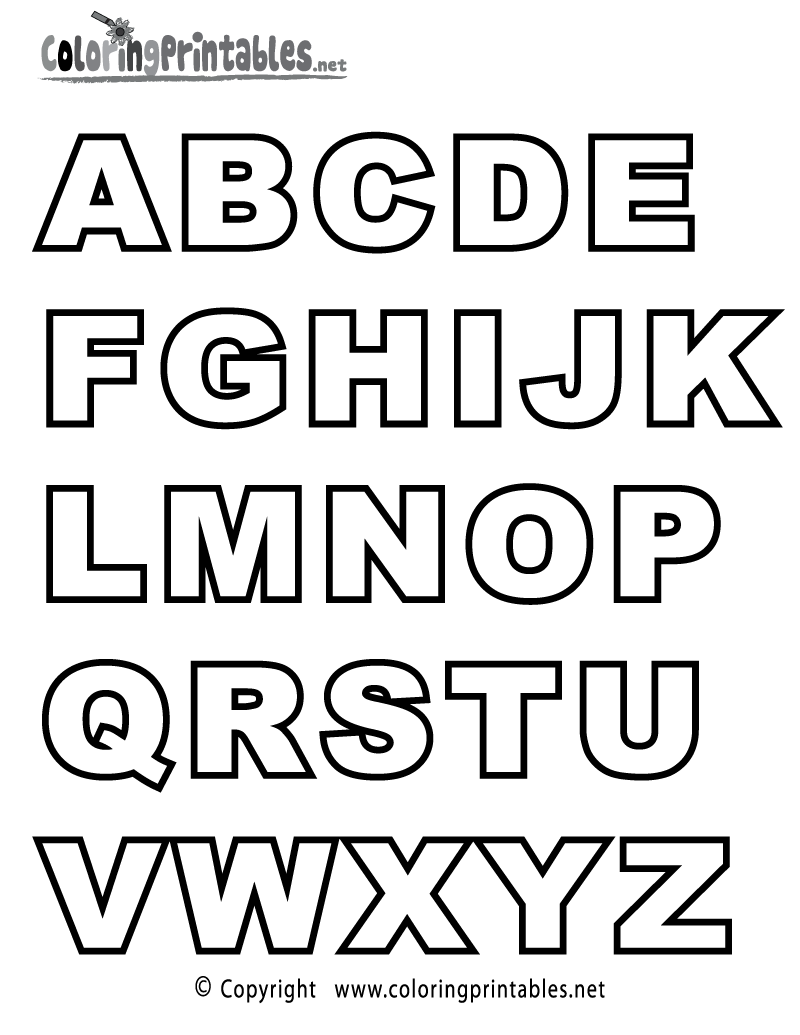
Colouring sheets designed for the letters of the alphabet serve multiple educational purposes. They primarily help children recognize and memorize the letters while improving fine motor skills. As kids color, they learn about letter shapes, sounds, and even words that start with those letters.
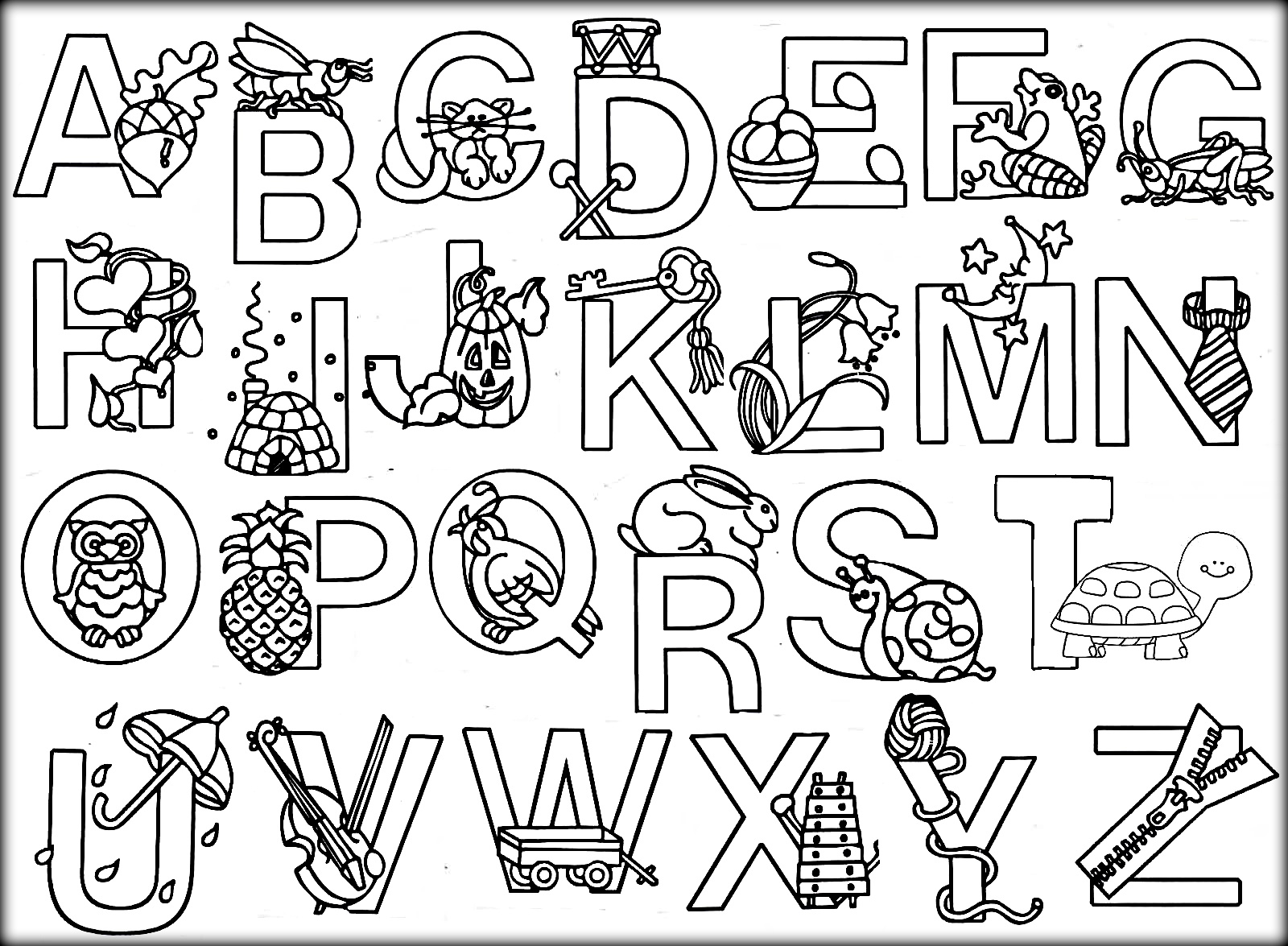
For instance, a sheet featuring the letter “A” might include an apple illustration. This not only reinforces the letter’s shape but also connects it with a word beginning with that letter. Children can practice saying the letter and the word aloud as they color, reinforcing auditory learning along with visual engagement.
Selecting the Right Colouring Sheets
When choosing colouring sheets for the letters of the alphabet, consider the following:
- Age Appropriateness: For preschoolers, opt for sheets with large, simple letters and basic shapes. As children grow older, you might choose more intricate designs that incorporate both letters and words.
- Print Quality: Ensure the sheets are high-resolution PDFs. This will prevent them from becoming pixelated when printed. Look for options that specify they are optimized for printing.
- Illustration Style: Choose sheets that appeal to your students’ interests. For example, if they love animals, find sheets that incorporate animals alongside the letters.
Preparing and Using Colouring Sheets in the Classroom
Before introducing colouring sheets into your lessons, here’s how to prepare and effectively use them:
- Print the Sheets: Use standard A4 or letter-sized paper for printing. If possible, print on cardstock for durability, especially if the sheets will be used multiple times or laminated for future use.
- Set Up a Colouring Station: Organize a space with various coloring materials such as crayons, markers, and colored pencils. This encourages creativity and makes the activity more engaging.
- Introduce the Activity: Start by explaining the letter and its sound. Show the colouring sheet and discuss any words or images associated with that letter. Encourage students to think of additional words that start with the letter.
- Monitor Progress: As students work, circulate around the classroom. Check for understanding by asking them to identify the letter and say a word that begins with it. This helps you gauge their grasp of the material.
Assessing Mastery and Progress
Understanding how to assess whether children have mastered the letters is crucial. Here are some practical strategies:
- Observe Coloring Techniques: Watch how students handle their coloring tools. Are they using appropriate pressure and control? This can indicate their fine motor skill development.
- Verbal Reinforcement: Ask students to say the letter and one word that starts with it as they finish coloring. This reinforces their learning and provides immediate feedback on their understanding.
- Incorporate Games: After coloring, turn the activity into a fun game. For example, have a “letter hunt” where students find objects in the classroom that start with the letter they just colored.
Enhancing the Learning Experience
To further enrich the learning experience, consider incorporating these additional activities:
- Story Time: After coloring, read a story that features words beginning with the letter of the day. This helps children see the letter in context.
- Group Activities: Pair students to share their sheets and discuss the letters. This promotes social interaction and reinforces their learning through teaching.
- Display Work: Create a classroom display of completed colouring sheets. This recognition boosts confidence and encourages pride in their work.
Immediate Tips for Implementation
Here’s a quick tip to get started: Choose a letter for the week and focus on it with various activities. Use the colouring sheets as a core component, but also include songs, stories, and physical activities related to that letter. This multi-faceted approach will make mastering the alphabet fun and engaging for your students.
By thoughtfully incorporating Colouring Sheets For The Letters Of The Alphabet into your teaching strategy, you can effectively support early literacy development in an enjoyable and interactive way.