
Teaching children the alphabet can be an exciting journey, and Colouring Pages Of The Alphabet Letters can be a fun and effective tool in that process. These printable resources not only make learning letters enjoyable but also allow children to express their creativity while reinforcing letter recognition. In this guide, we will explore how to effectively use these colouring pages in various educational settings, whether in a classroom, during homeschooling, or at home.
What Are Colouring Pages Of The Alphabet Letters?
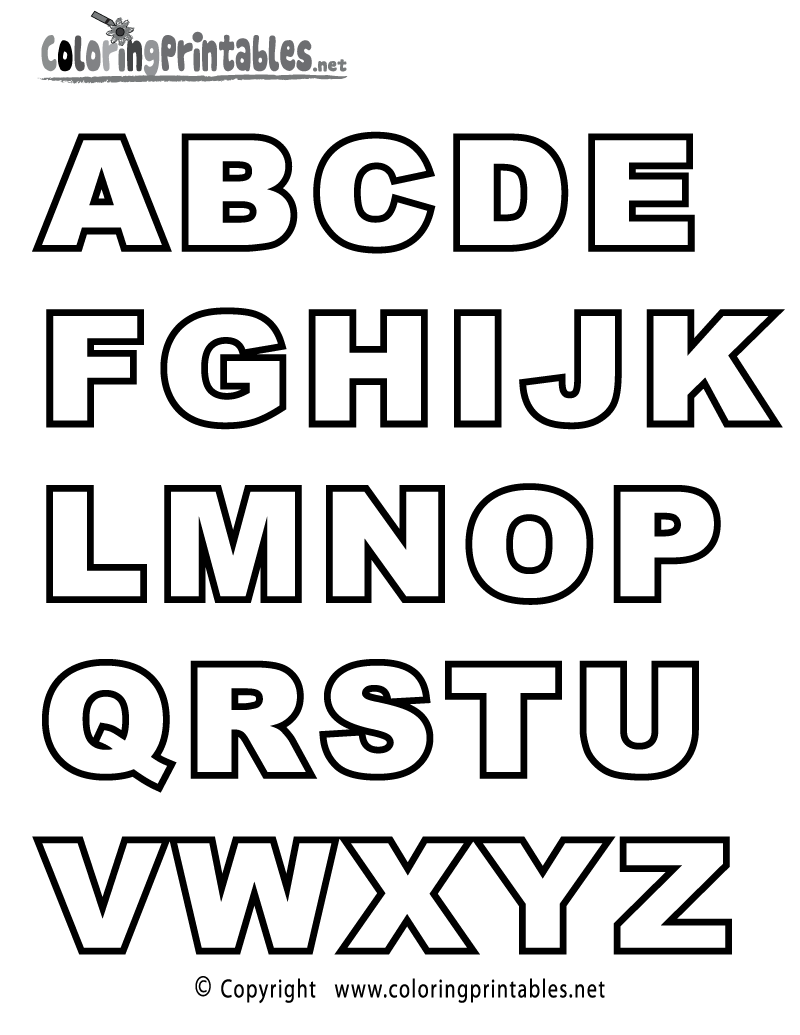
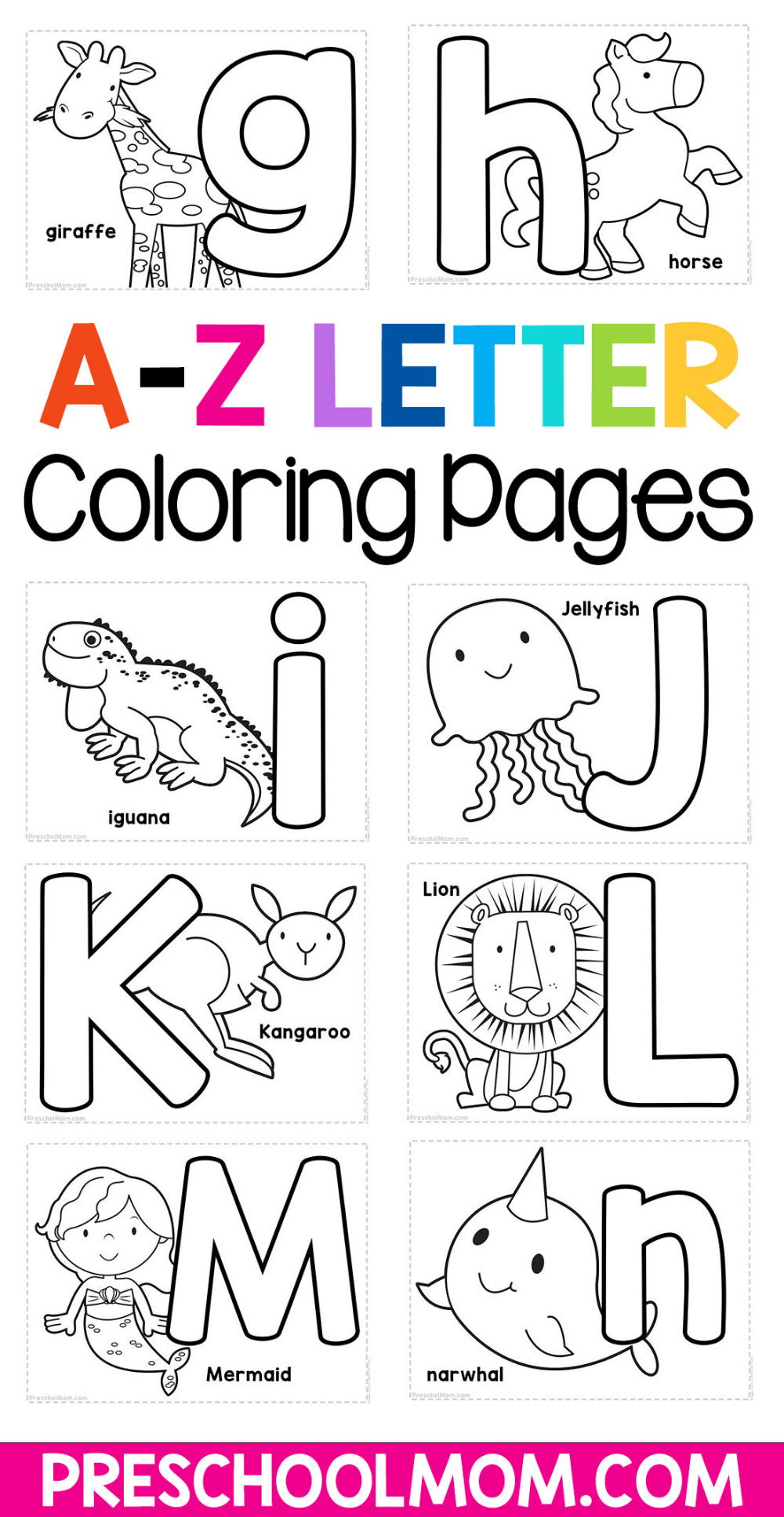
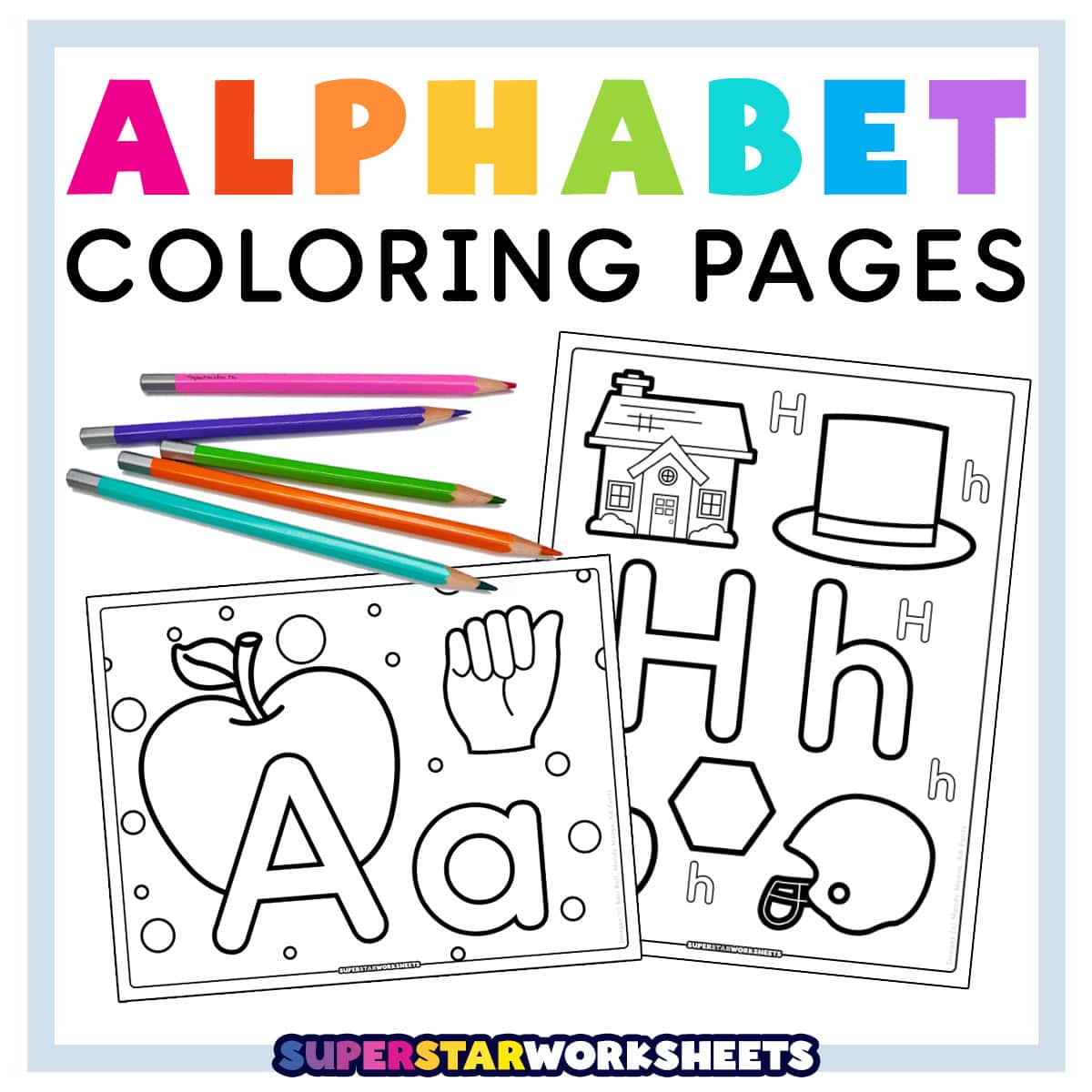
Colouring pages featuring alphabet letters typically display each letter in a large, bold font, often accompanied by images representing words that start with those letters. For instance, the letter “A” may be illustrated alongside an apple. This visual association helps children connect the letter with its sound and meaning. By colouring these pages, children engage with each letter actively, making the learning process more memorable.
Benefits of Using Colouring Pages in Learning
Incorporating Colouring Pages Of The Alphabet Letters into your teaching strategy offers numerous benefits:
- Visual Learning: Children often learn better when they can see and touch. Colouring engages their visual and tactile senses, reinforcing their understanding of the alphabet.
- Fine Motor Skills Development: As children colour, they practice grip and control, which are essential for writing skills.
- Creativity and Expression: Colouring allows children to express themselves artistically, which can enhance their enthusiasm for learning.
- Focus and Concentration: Colouring can help improve focus and concentration, as children need to pay attention to the task at hand.
How to Integrate Colouring Pages Into Your Lessons
Classroom Settings
In a classroom environment, Colouring Pages Of The Alphabet Letters can be integrated into various lesson plans. Here’s how:
- Introduction to Letters: Start with a specific letter of the day. Introduce the letter using visual aids, then hand out the corresponding colouring page. Discuss the letter’s sound and words that start with it.
- Group Activities: Organize group colouring sessions where children can work together. This fosters teamwork and discussion about their favourite letters and the images represented on their pages.
- Display Completed Work: Create a classroom display board where students can showcase their coloured pages. This not only boosts their confidence but also enhances their engagement with learning.
Homeschooling and Home Use
For homeschooling or at-home learning, Colouring Pages Of The Alphabet Letters can be used in several ways:
- Daily Practice: Designate a specific time each day for colouring. This can be a calming activity that helps to establish a routine.
- Theme-Based Learning: Combine colouring pages with themed learning weeks (e.g., animals, food, or seasons). This can help reinforce vocabulary while making the activity more engaging.
- Parent-Child Bonding: Use colouring as a bonding activity. Sit down with your child, colour together, and discuss the letters and words as you go.
Choosing the Right Materials
Selecting the right materials for Colouring Pages Of The Alphabet Letters can enhance the experience. Here are some tips:
- Paper Type: Use thicker paper or cardstock for durability. This helps prevent tearing and allows for a variety of colouring materials, from crayons to markers.
- Printing Settings: If you’re printing from home, ensure your printer settings are adjusted for high-quality output. Portrait layout typically works best for most home printers, ensuring the letters are clear and bold.
- Colouring Tools: Provide a variety of colouring tools such as crayons, coloured pencils, and markers. Each tool offers a different texture and experience, keeping the activity fresh and exciting.
Encouraging Further Learning
While Colouring Pages Of The Alphabet Letters are excellent for letter recognition, consider incorporating additional activities to deepen learning:
- Letter Crafts: After colouring a letter, engage children in a craft related to that letter. For example, after colouring “B,” they could make a small paper boat.
- Story Time: Read a story that features words starting with the letter of the day. This can reinforce the sound and usage of the letter in context.
- Games and Activities: Create games where children must find objects around the house or classroom that start with the letter they just coloured. This encourages them to think critically about the alphabet in their environment.
Where to Find Printable Colouring Pages
Many websites offer free or low-cost Colouring Pages Of The Alphabet Letters. Look for resources that provide high-quality, printable options. Here are a few key features to consider when choosing:
- Variety of Designs: Ensure the resource offers a range of designs for each letter, catering to different interests and age groups.
- Download Formats: PDFs are typically the best format for printing, as they maintain the quality and layout without reformatting issues.
- User Reviews: If possible, check reviews or testimonials from other parents or teachers. This can give you insight into the quality and effectiveness of the resources.
Tips for Maximizing Engagement
To make the most out of Colouring Pages Of The Alphabet Letters, consider these additional tips:
- Incorporate Music: Play songs that teach the alphabet while children colour. This can create a fun atmosphere and reinforce learning through auditory means.
- Create a Reward System: Consider setting up a simple reward system for completing colouring pages. Stickers or small treats can motivate children to engage with the material.
- Make It Social: If possible, arrange playdates or group activities where children can colour together. This social aspect can enhance their enjoyment and learning.
Using Colouring Pages Of The Alphabet Letters effectively can transform the learning experience for children. By integrating these pages into your teaching strategies, you not only make learning letters enjoyable but also foster creativity and essential skills that will benefit them in their educational journey. Whether in a classroom, homeschool, or at home, these resources can be a delightful addition to your alphabet teaching toolkit.