
Coloring worksheets can be a delightful way to help children grasp the phonetic sounds of each letter in the alphabet. By integrating creativity with education, these worksheets not only make learning fun but also reinforce essential language skills. In this article, we’ll explore how to effectively use coloring worksheets for each alphabet sound in various settings, including classrooms and homes.
What Are Coloring Worksheets For Each Alphabet Sound?
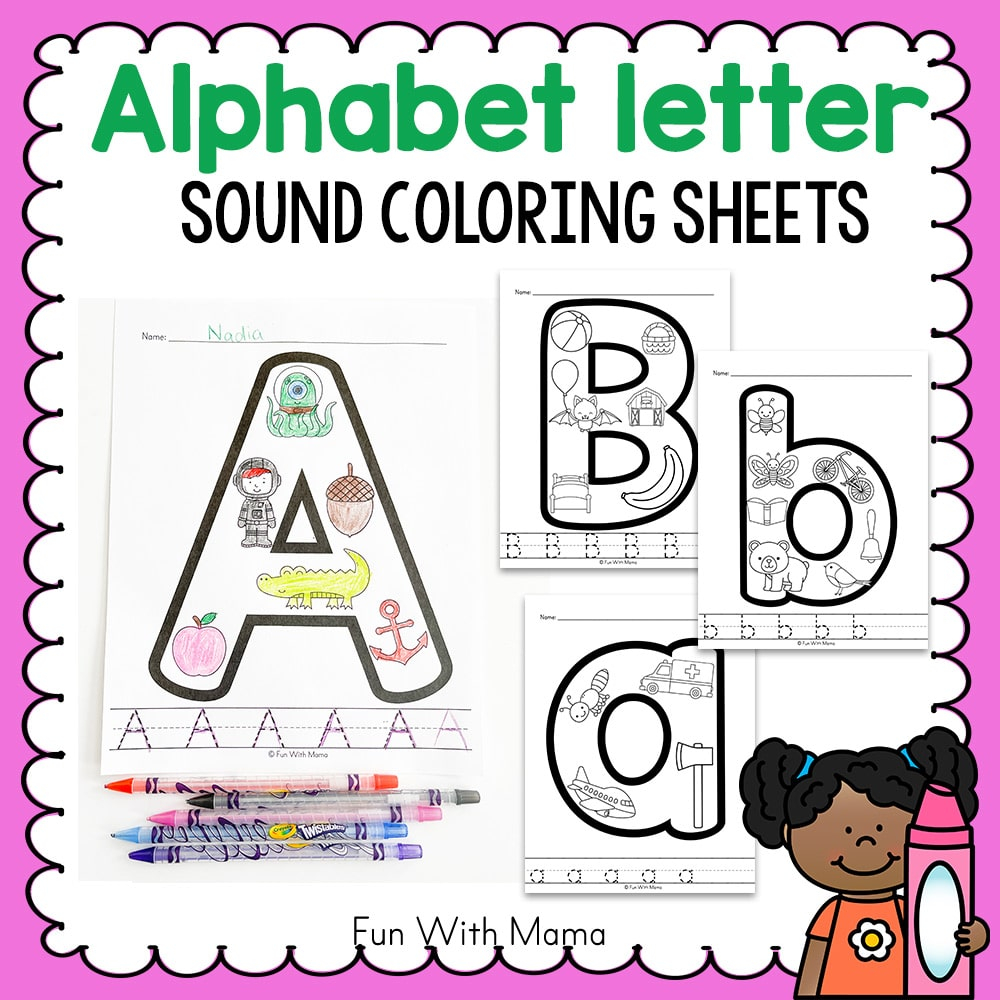
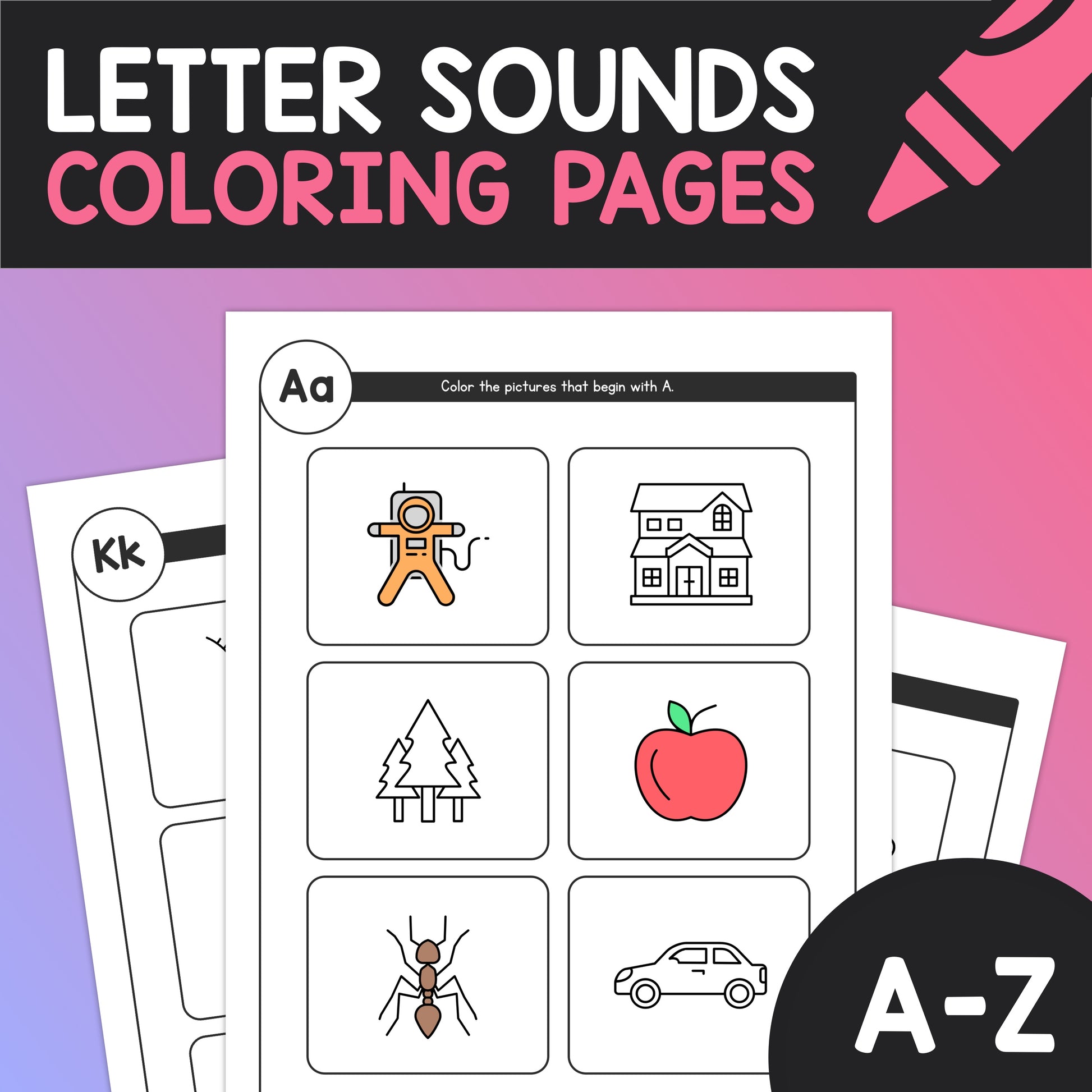
Coloring worksheets designed for each alphabet sound typically feature a letter alongside corresponding images that start with that letter. For instance, an “A” worksheet might include an apple, an alligator, and an ant, all waiting to be colored in. This visual association helps children remember the sounds letters make, providing an engaging way to learn phonics.
These worksheets can be printed and used repeatedly, making them a practical tool for teachers and parents. They can be especially helpful for preschool and kindergarten students, typically ages 3 to 6, who are just beginning their reading journey.
How to Use Coloring Worksheets Effectively
In the Classroom
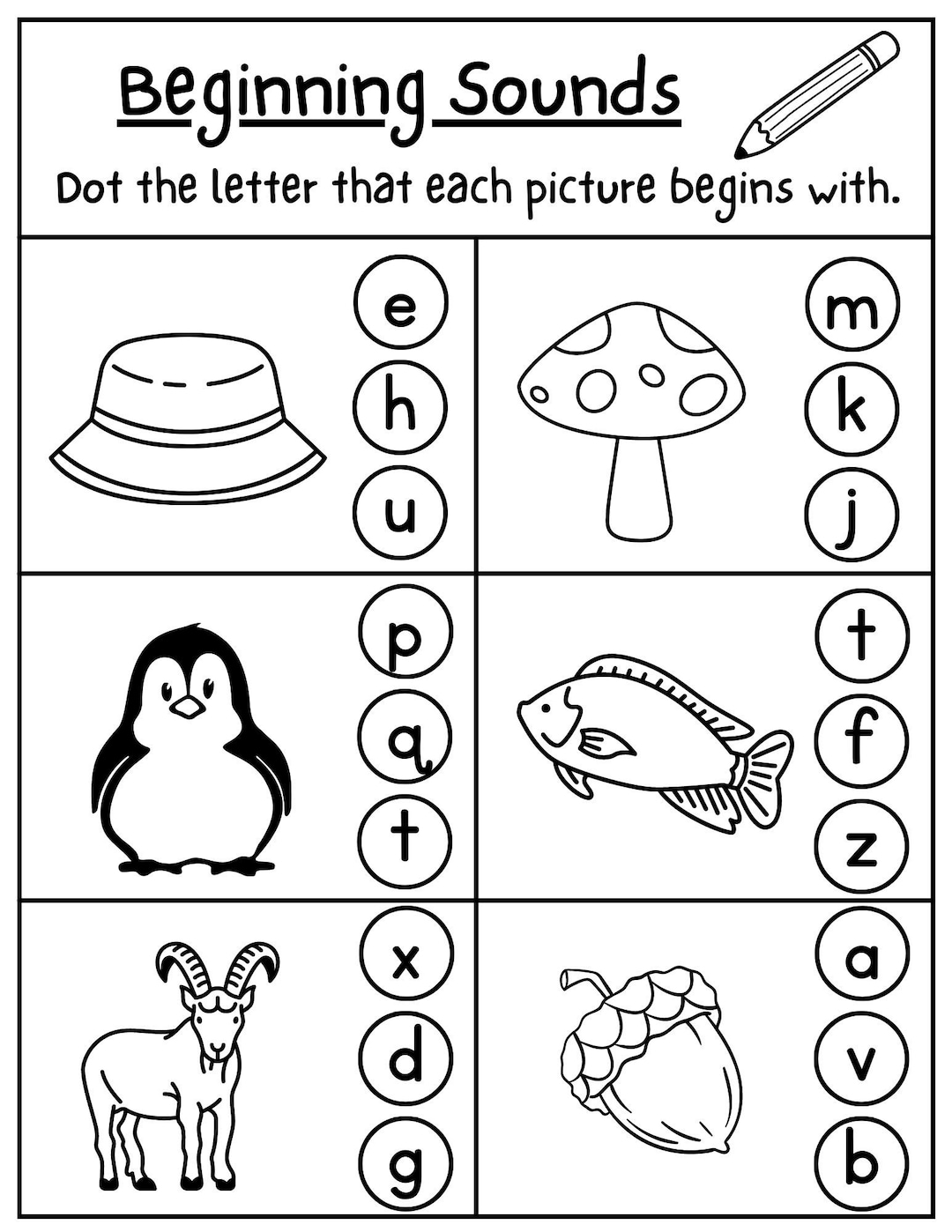
When using coloring worksheets in a classroom setting, consider the following strategies:
- Bulk Printing: For a full class, print multiple copies of each worksheet to ensure every student has one. Using standard letter-sized paper (8.5 x 11 inches) is usually best for most printers.
- Group Activities: Pair students up and have them work together on the worksheets. This encourages collaboration and discussion about the sounds each letter makes.
- Incorporate Instruction: Before handing out the worksheets, take a moment to review the sounds of the letters with the class. This sets a clear purpose and provides context for the coloring activity.
- Display Finished Work: Once completed, display students’ colored worksheets on a bulletin board. This not only boosts confidence but also reinforces their learning.
At Home
For parents and caregivers, coloring worksheets can be an excellent addition to a home learning environment. Here’s how to incorporate them effectively:
- Daily Practice: Set aside a specific time each day for coloring activities. Consistency helps reinforce learning and builds routine.
- Use as Rewards: After completing a reading session or other educational activity, allow children to color a worksheet as a reward. This creates a positive association with learning.
- Interactive Learning: Engage with your child while they color. Ask them to sound out the letters and words associated with the images they are coloring. This interaction deepens understanding and retention.
Choosing the Right Materials
Paper Type
When printing coloring worksheets, consider the type of paper you use. Standard printer paper is sufficient for most activities, but if you want the worksheets to withstand repeated use, consider using:
- Cardstock: Thicker than standard paper, cardstock holds up better, especially if you plan to laminate the worksheets for durability.
- Bristol Board: This option is sturdy and provides a smooth surface, making it ideal for coloring with markers or crayons.
Coloring Supplies
The type of coloring supplies can also impact the experience. Here are some recommendations:
- Crayons: A classic choice for younger children, crayons are easy to grip and come in various colors.
- Colored Pencils: These provide precision and are less messy than markers, making them suitable for older children.
- Markers: While vibrant, markers can bleed through thinner paper, so ensure your worksheets are suitable for them.
Enhancing the Learning Experience
To maximize the benefits of coloring worksheets for each alphabet sound, consider adding these activities:
- Sound Games: After coloring, play games where you say a word, and the child identifies the starting letter and sound. This reinforces the connection between letters and sounds.
- Story Time: Incorporate storybooks that emphasize the letters being colored. This contextualizes the learning and makes it more relatable.
- Creative Extensions: Encourage children to create their own drawings or write words that start with the letter they just colored. This expands their engagement and creativity.