
Coloring pages for preschoolers of the alphabet are an excellent resource to engage young learners while helping them familiarize themselves with letters. These printable resources not only encourage creativity but also serve as effective educational tools for early literacy development. If you are a teacher or a parent, using these coloring pages can make learning the alphabet fun and interactive.
Benefits of Using Coloring Pages for Alphabet Learning
Coloring pages offer multiple benefits for preschoolers learning the alphabet. They provide a hands-on approach to education, allowing children to associate letters with images, which enhances memory retention. Here are a few key benefits:
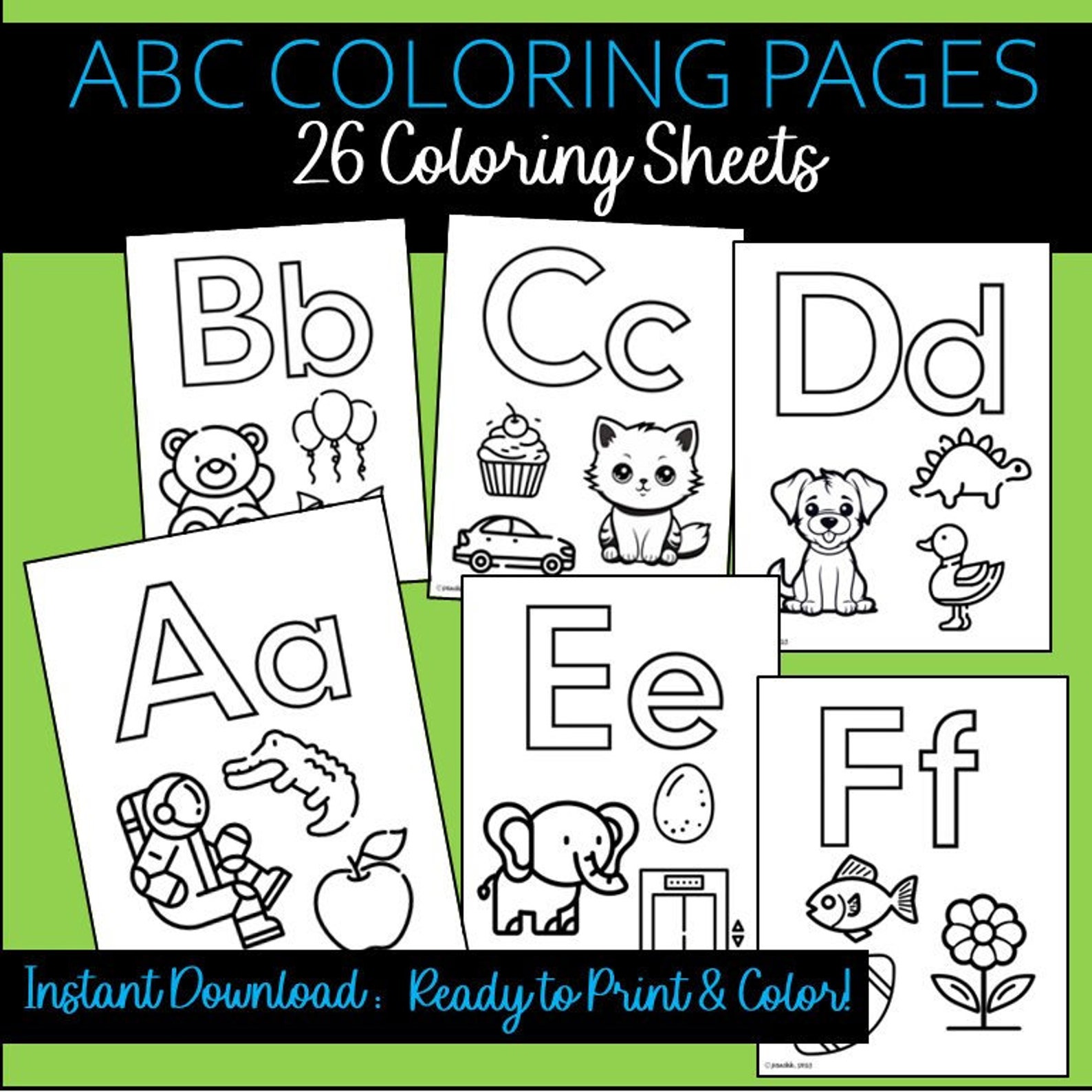
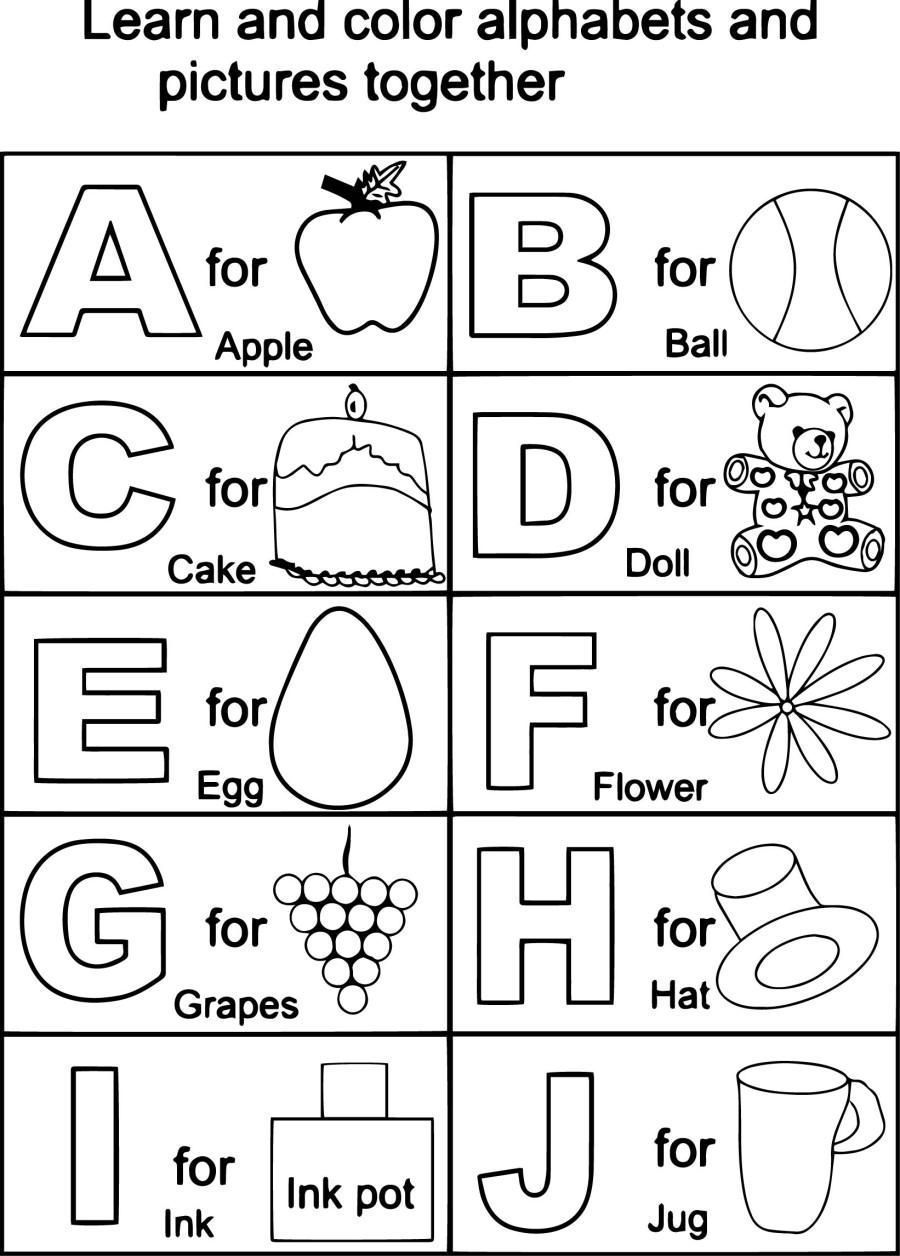
- Visual Learning: Young children often learn best through visual stimuli. Coloring pages help them visualize letters and associate them with words and objects. For example, a page featuring the letter “A” with an apple reinforces the connection between the letter and its sound.
- Fine Motor Skills Development: As children color, they practice important motor skills. Holding crayons or markers helps strengthen their grip, which is crucial for future writing skills.
- Creativity and Expression: Coloring allows children to express themselves artistically. They can choose colors and patterns, making the learning experience more personal and enjoyable.
- Focus and Concentration: Engaging with coloring pages can improve a child’s ability to focus. Completing a coloring page requires attention to detail, which can help build concentration skills over time.
Choosing the Right Coloring Pages
When selecting coloring pages for preschoolers of the alphabet, consider the following factors:
- Age Appropriateness: Ensure that the complexity of the coloring pages matches the developmental level of your students. Simple outlines are best for younger preschoolers, while slightly more detailed images may work for older ones.
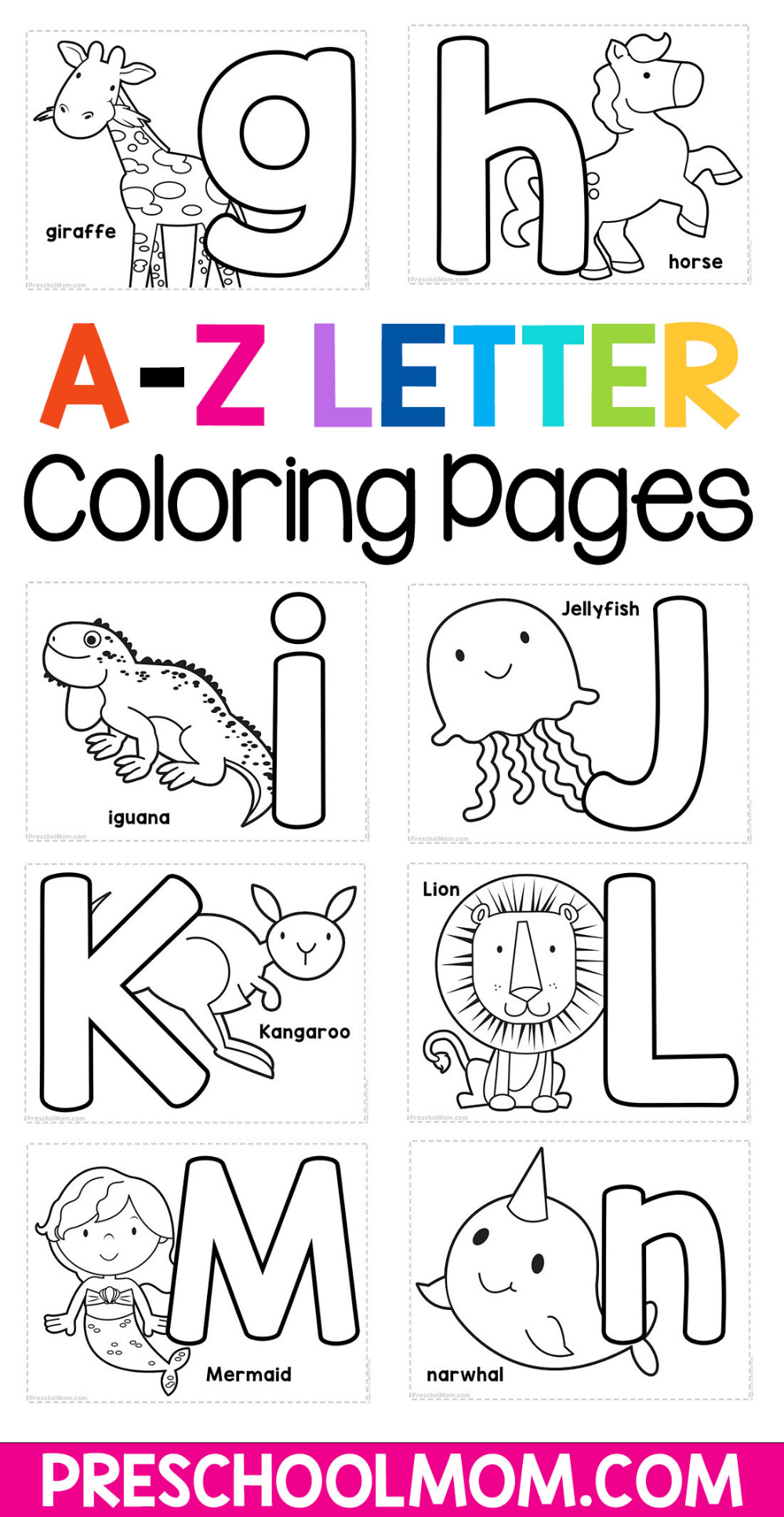
- Theme and Relevance: Look for pages that incorporate themes relevant to the child’s interests. For example, if a child loves animals, choose pages that feature animals alongside their corresponding letters.
- Printability: Opt for pages that are easy to print and don’t require complicated settings. Most home printers handle standard paper sizes like letter (8.5″ x 11″) or A4 well, so ensure your selected pages are formatted for these sizes.
Preparing for Classroom Use
If you’re a teacher planning to use coloring pages for preschoolers of the alphabet in your classroom, here are some practical tips:
- Bulk Printing: When printing for a full class, consider printing multiple copies of each page. This way, children can choose their favorites without waiting for others to finish. Use a high-quality printer to ensure clear images.
- Paper Quality: For coloring pages, using cardstock often yields better results than standard printer paper. Cardstock holds up better against coloring tools and is less likely to tear.
- Organization: Keep a binder or folder with a variety of coloring pages organized by letter or theme. This makes it easy to access different pages during lessons and allows for quick distribution to students.
- Incorporating into Lessons: Use coloring pages as part of a larger lesson plan. For example, you might introduce a letter, discuss its sound, and then let students color an associated page. This reinforces learning through multiple activities.
Creative Ways to Use Coloring Pages
In addition to simple coloring, there are many creative ways to incorporate alphabet coloring pages into learning activities:
- Color and Write: After coloring, encourage children to practice writing the letter on a separate sheet. This dual activity reinforces their recognition and writing skills.
- Group Activities: Organize group coloring sessions where children can share their colored pages and discuss what they learned about each letter. This encourages social interaction and verbal skills.
- Art Displays: Create a classroom display featuring completed coloring pages. This not only boosts children’s confidence but also serves as a visual alphabet reference for them.
- Seasonal Themes: Rotate coloring pages based on the seasons or holidays to keep the content fresh and engaging. For instance, use autumn-themed pages for the letter “F” featuring fall leaves.
Tips for Parents at Home
If you’re a parent looking to use coloring pages for preschoolers of the alphabet at home, consider these tips:
- Set Up a Station: Create a dedicated coloring space at home with crayons, markers, and coloring pages. Having a designated area can encourage children to engage with learning materials more frequently.
- Interactive Learning: While your child colors, engage in conversation about the letters and words. Ask them what they know about the object being colored (e.g., “What sound does the ‘B’ in ‘Ball’ make?”). This promotes language development alongside art.
- Encourage Sharing: If you have multiple children, encourage them to share their colored pages with each other. This not only builds sibling bonds but also allows children to learn from one another.
- Limit Screen Time: Utilize coloring pages as an alternative to screen time. This hands-on activity can be both fun and educational, providing a break from digital devices.
Downloading and Printing Coloring Pages
Finding quality coloring pages for preschoolers of the alphabet online is easier than ever. Many websites offer free downloadable resources that you can print at home. Here’s how to efficiently download and print:
- Search for Quality Resources: Look for reputable sites that specialize in educational materials. Check reviews or recommendations to ensure you’re accessing quality content.
- Use PDF Formats: PDFs are often the best format for printing as they maintain their layout and quality. Ensure the coloring pages you choose are in PDF format to avoid any formatting issues when printing.
- Check Print Settings: Before printing, double-check your printer settings. Ensure you’re using the correct paper size and that the images are set to print at 100% to avoid distortion.
- Test Print: It’s always a good idea to print one page as a test to see how it looks. This helps to check whether the colors come out as expected and to ensure the lines are clear for coloring.
Incorporating coloring pages for preschoolers of the alphabet into your teaching or parenting routine can create a fun and effective learning environment. By selecting the right pages, preparing for classroom use, and utilizing creative approaches, you can enhance a child’s educational experience while fostering a love for learning. Start today by exploring available resources and consider printing a few to get started!