
Coloring pages for preschoolers letters offer a unique blend of creativity and education, making them an essential resource for teachers and parents alike. These printable pages are designed not just to entertain but also to reinforce letter recognition, fine motor skills, and creativity in young learners. Unlike typical worksheets, these coloring pages provide a visually stimulating way for children to engage with letters, making learning both fun and effective.
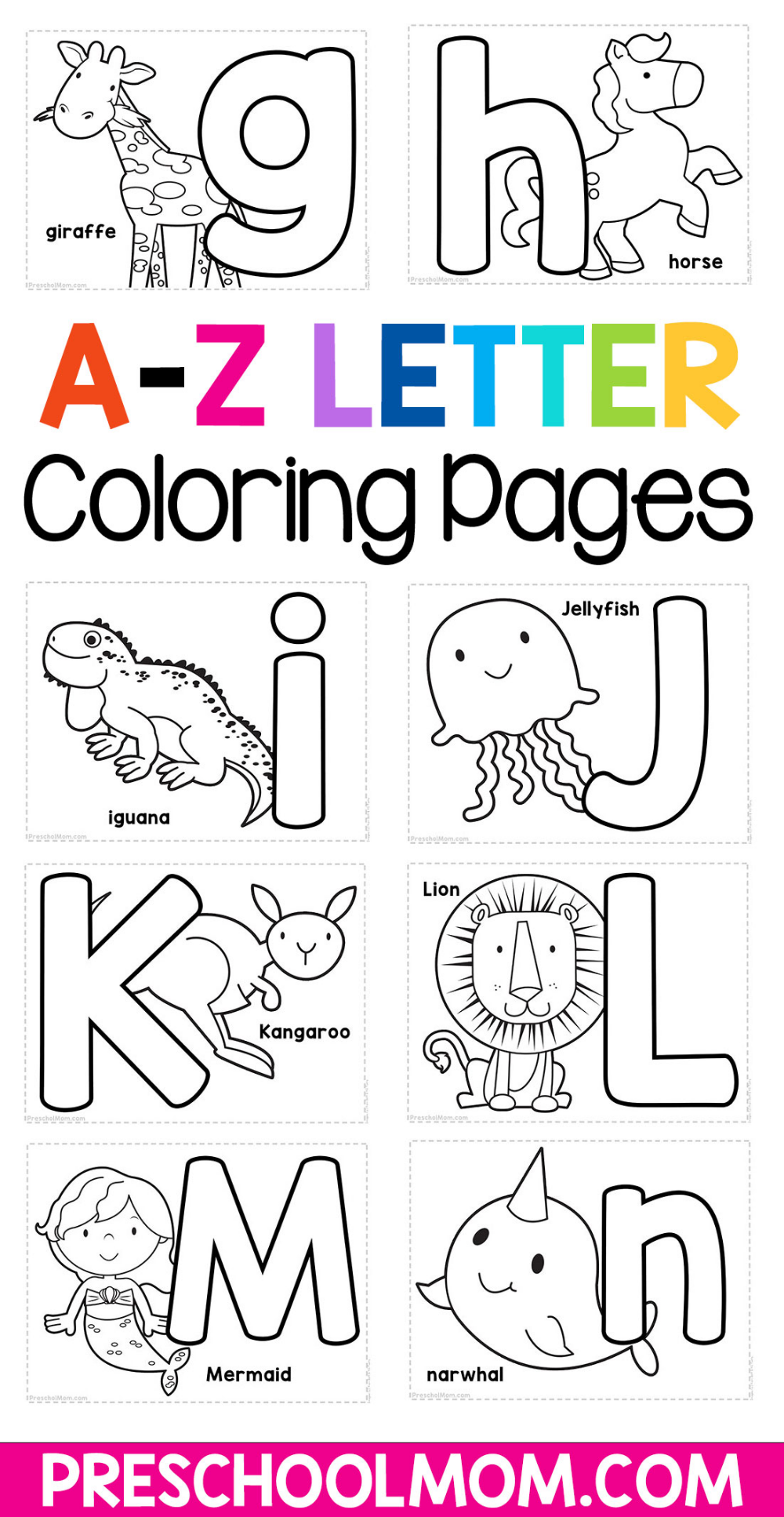
The Importance of Coloring Pages for Letter Recognition
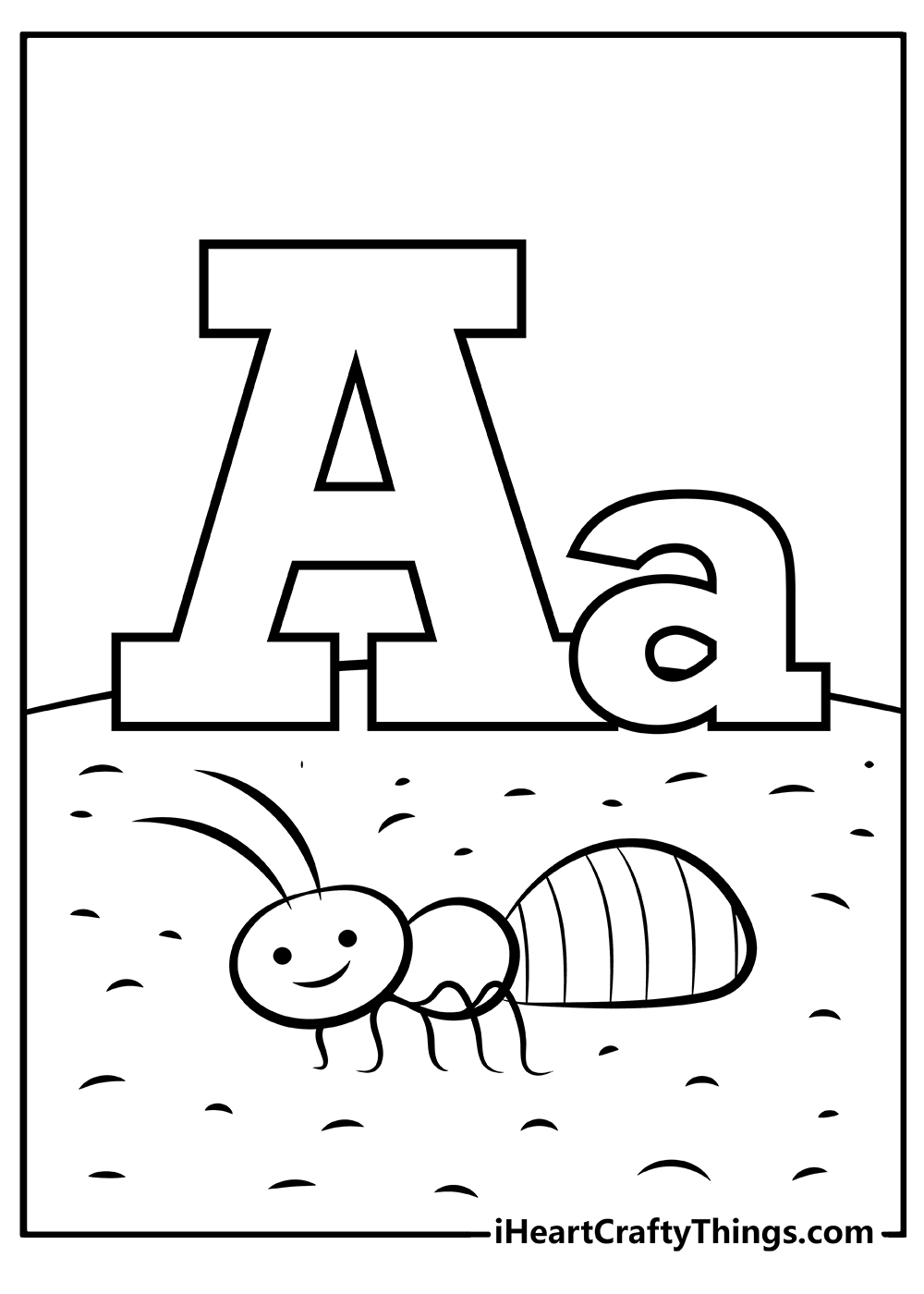
Coloring pages specifically designed around letters can significantly enhance a preschooler’s understanding of the alphabet. At this age, children are often very visual learners, and associating letters with images can help solidify their recognition. For instance, a coloring page featuring the letter “A” alongside an apple allows children to connect the letter with a familiar object, reinforcing their learning in a memorable way.
Additionally, coloring helps develop fine motor skills, which are crucial for writing later on. As children grasp crayons or markers and fill in the letters, they practice the hand movements necessary for forming these letters when they begin to write. This dual benefit of learning and skill development is what makes coloring pages an invaluable tool in early childhood education.
How to Use Coloring Pages in the Classroom
Incorporating coloring pages for preschoolers letters into your lesson plans can be straightforward and effective. Here are a few practical ways to utilize these resources:
- Letter of the Day: Choose a letter each day and provide a corresponding coloring page. Begin the day by introducing the letter, discussing its sound, and showing examples of words that start with that letter. After the discussion, allow the children to color the page. This reinforces their learning and makes it a fun activity they can look forward to.
- Creative Story Time: After coloring, encourage children to come up with a short story or sentence that includes words starting with the letter they colored. This not only enhances their vocabulary but also fosters creativity and verbal skills.
- Group Activities: You can use coloring pages as part of group activities. Set up stations where children can rotate and color different letters. This encourages teamwork and social interaction while they learn.
Choosing the Right Coloring Pages
When selecting coloring pages for preschoolers letters, consider the following factors:
- Simplicity: Pages should feature large, clear letters with bold outlines that are easy for small hands to color. Intricate designs can be overwhelming for young children.
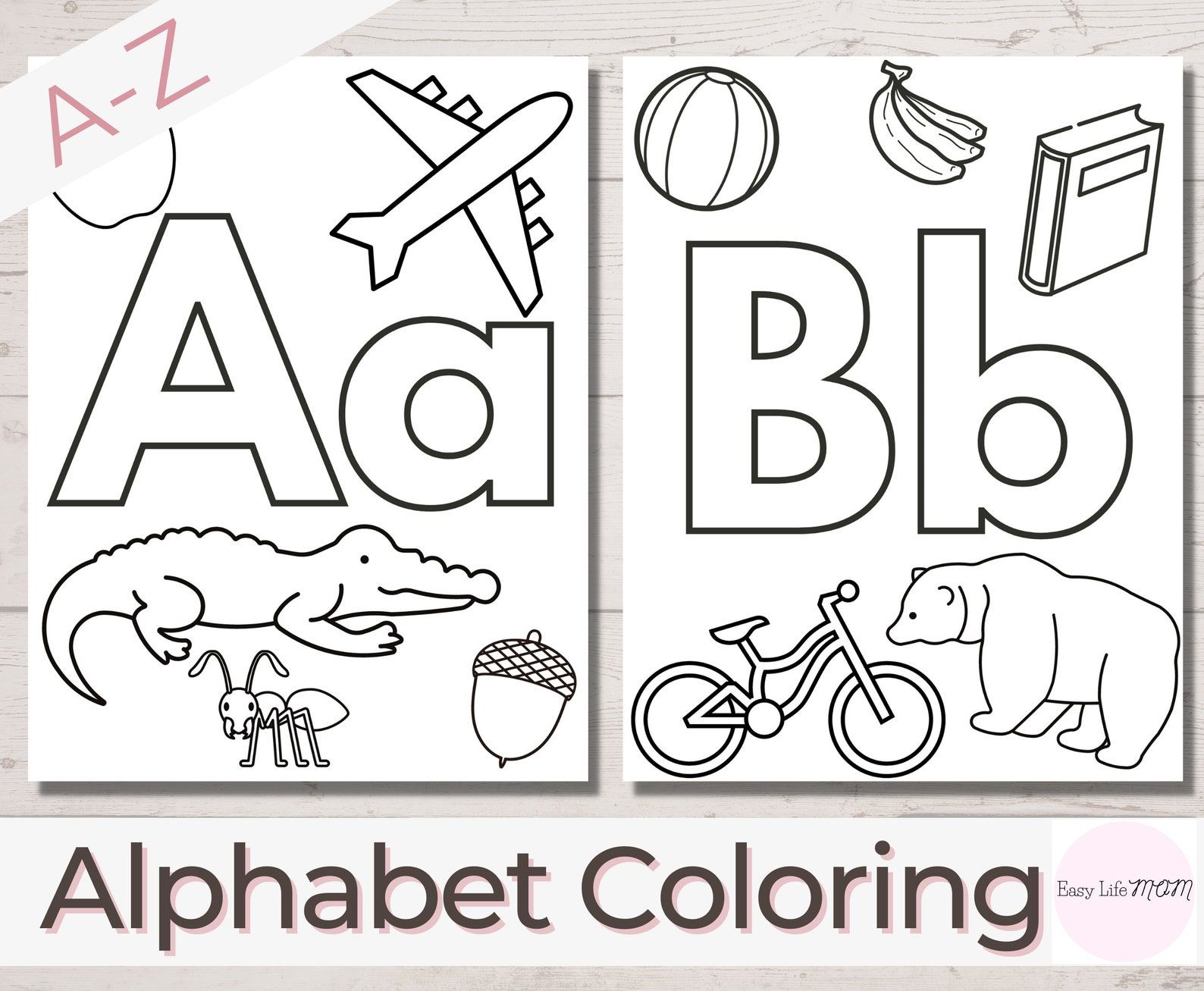
- Engaging Images: Look for pages that incorporate relatable images alongside the letters. For example, including a picture of a ball with the letter “B” can make the learning process more engaging.
- Age Appropriateness: Ensure the content is suitable for preschoolers. Avoid themes that may not resonate with their experiences or understanding.
Tips for Printing and Preparing Coloring Pages
Once you’ve selected the coloring pages, here are some practical tips to ensure a smooth experience:
- Paper Type: Use cardstock if you want the coloring pages to be more durable, especially if they will be used in a classroom setting. For home use, regular printer paper is usually sufficient.
- Print Settings: Portrait layout typically works best for most home printers. Ensure you check your printer settings to avoid any formatting issues, especially if printing multiple pages.
- Coloring Tools: Provide a variety of coloring tools, such as crayons, markers, and colored pencils. Each tool offers a different experience, allowing children to explore their creativity.
Integrating Letter Coloring Pages Into Daily Learning
To maximize the educational potential of coloring pages for preschoolers letters, consider integrating them into daily learning routines. Here are a couple of ideas:
- Daily Review: After completing a coloring page, have a short review session where children can share what they learned about the letter. This reinforces retention and encourages public speaking.
- Home Connection: Send coloring pages home for children to complete with their families. This not only reinforces what they learn in school but also allows parents to engage with their child’s education.
By embedding these coloring activities into the daily learning process, you’ll create a rich educational environment that nurtures both academic and creative development.