
Coloring pages are a fantastic resource for preschoolers learning the alphabet. These pages provide a fun and interactive way for young children to familiarize themselves with letters and develop fine motor skills. guide you through the process of selecting, downloading, printing, and effectively using coloring pages for preschoolers alphabet to maximize their educational benefits.
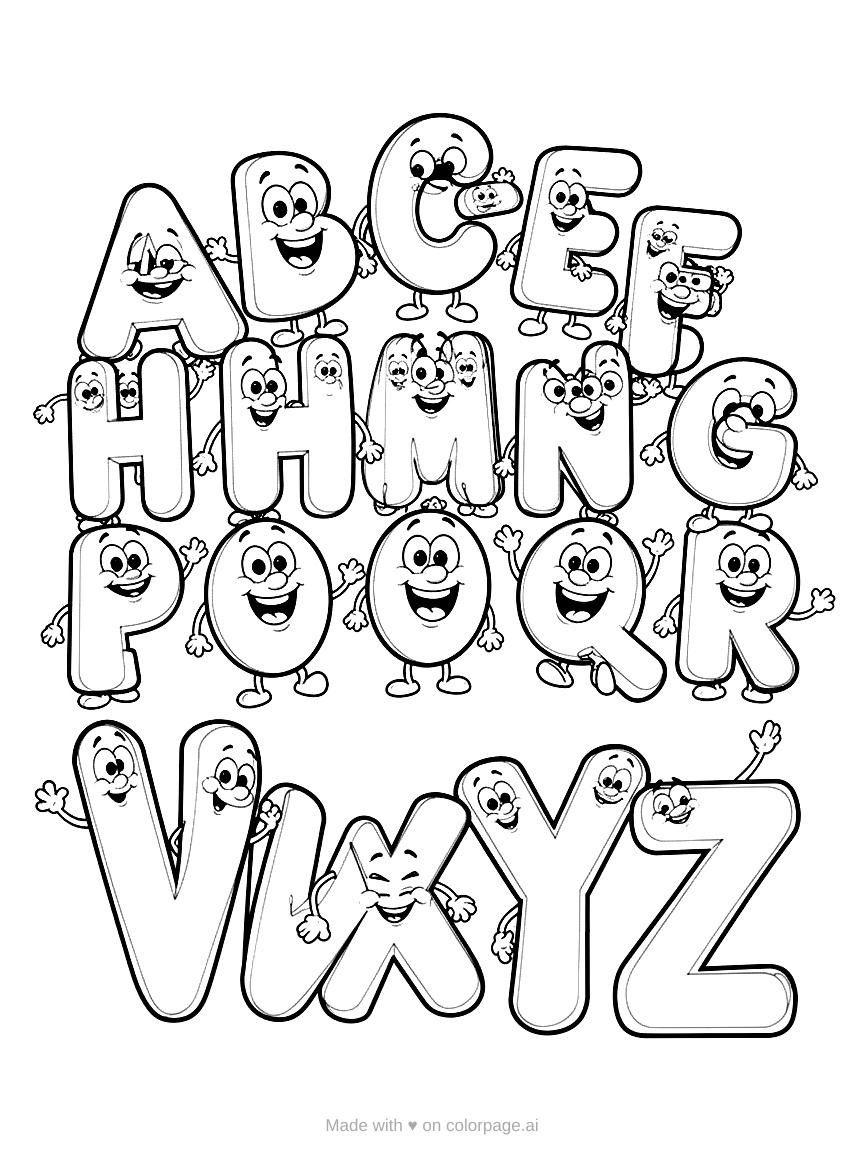
Selecting the Right Coloring Pages
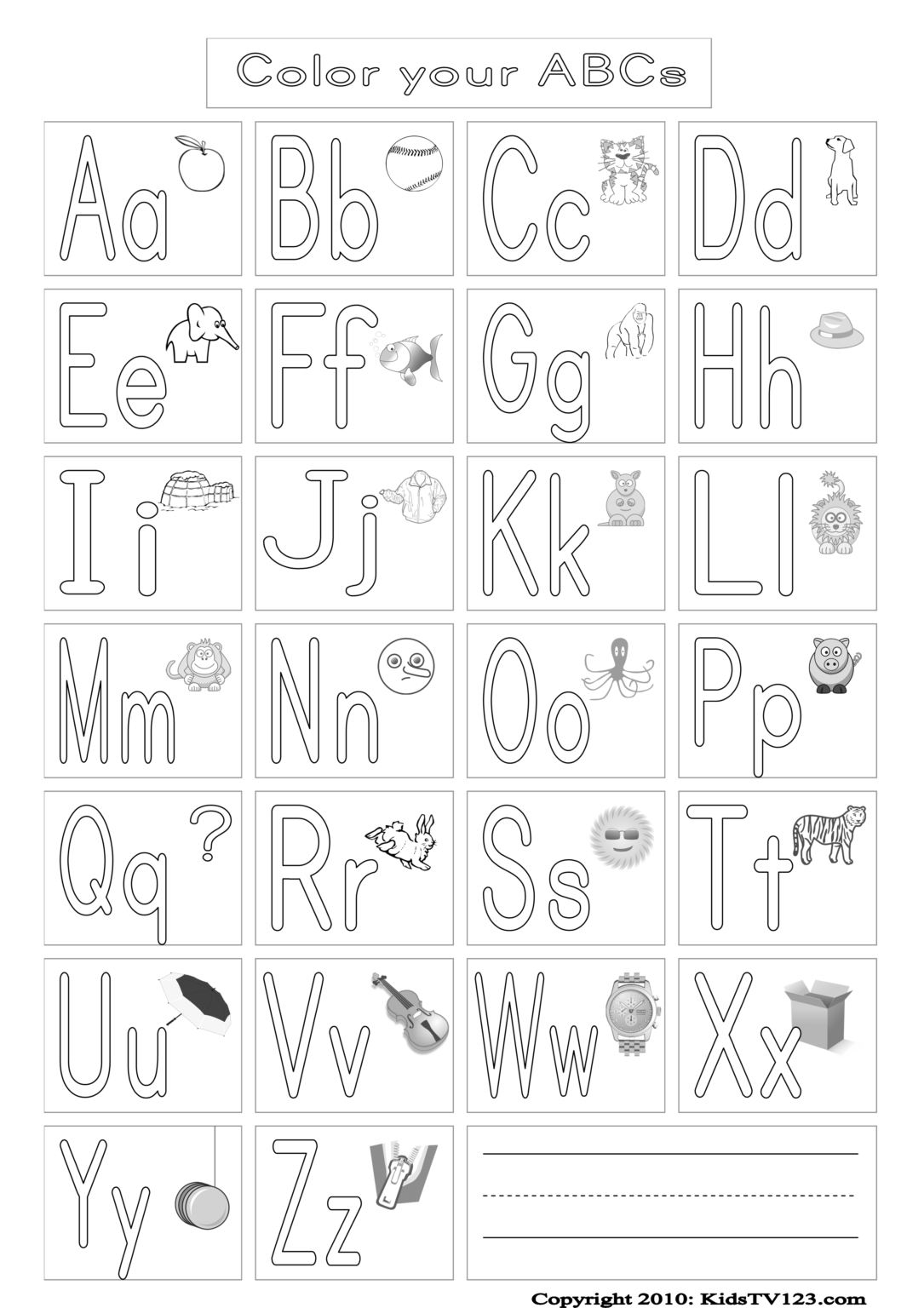
When it comes to coloring pages for preschoolers, choice matters. Look for pages that feature each letter of the alphabet in a clear, bold font, accompanied by images that represent words starting with that letter. For example, the letter ‘A’ might be paired with an apple, while ‘B’ could be linked to a ball. This not only makes the activity enjoyable but also reinforces letter recognition and vocabulary.
Where to Find Printable Coloring Pages
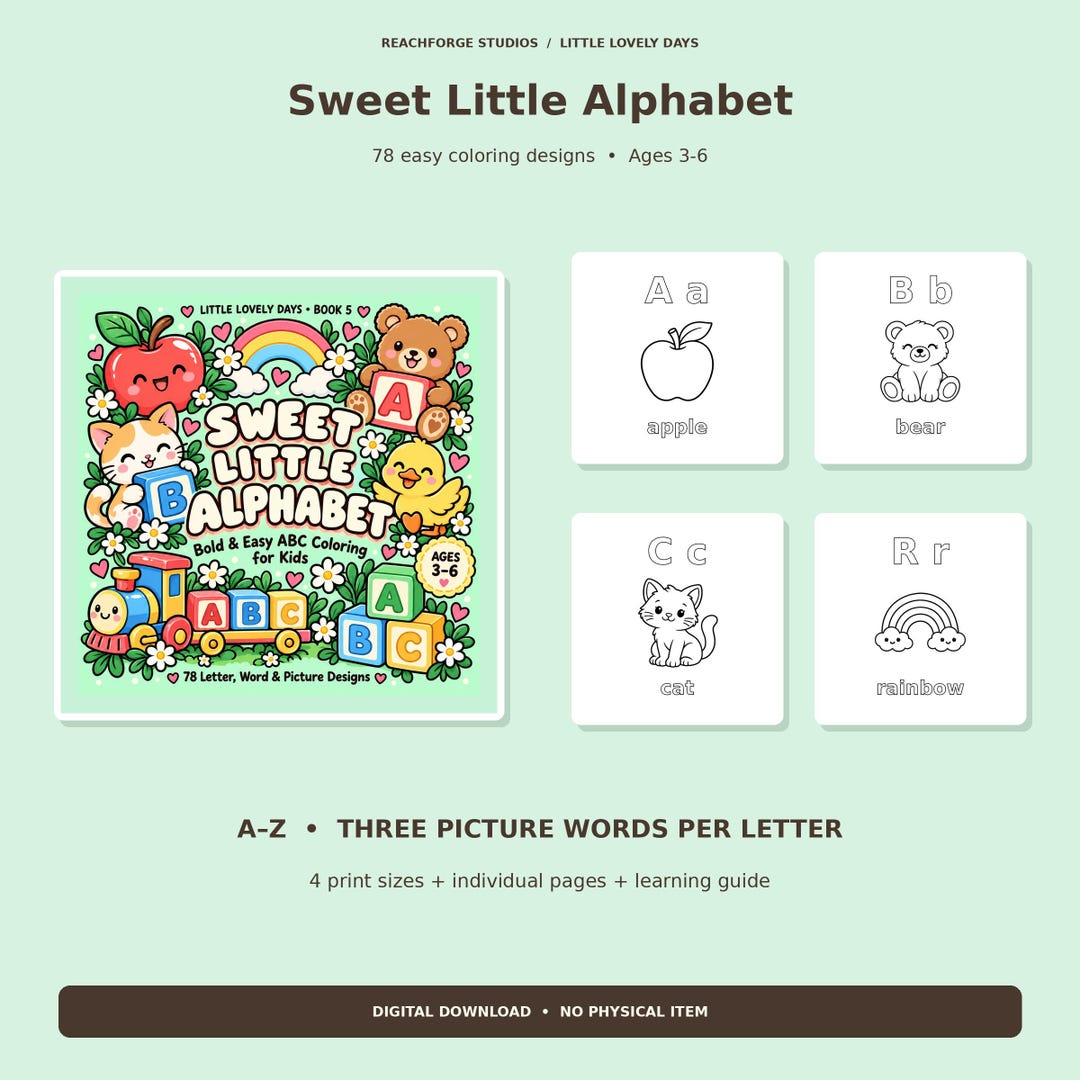
There are numerous websites that offer free or low-cost printable coloring pages. Some popular platforms include:
- Educational resource websites
- Teacher supply sites
- Art and craft blogs
Ensure that the pages you choose are age-appropriate and designed for preschoolers, as these will typically feature larger letters and simpler images.
Downloading and Preparing the Pages
Once you’ve selected your coloring pages, the next step is to download them. Most resources will offer the pages in PDF format, which is ideal for printing. PDFs maintain their formatting better than image files, reducing the risk of distortion when printed.
Tips for Downloading
- Check the file size: Smaller files typically download faster and are easier to manage.
- Review printing options: Some sites allow for customizable options, such as selecting specific pages or adjusting the size.
After downloading, open the files and review them to ensure they are complete and correctly formatted.
Printing the Coloring Pages
Printing coloring pages for preschoolers alphabet should be straightforward. Here are some tips to ensure the best results:
- Paper Type: Use standard printer paper for most coloring activities. However, if you expect the pages to be heavily colored, consider using cardstock. This thicker paper holds up better and can withstand more coloring.
- Printer Settings: Set your printer to the highest quality for the best results. Portrait layout typically works best for coloring pages, as it allows ample space for children to color without feeling cramped.
- Size Adjustment: If your printer settings allow, adjust the scale to fit the page properly without cutting off any images or text.
Setting Up the Coloring Activity
Now that you have your coloring pages printed, it’s time to set up the activity. Creating a conducive environment can enhance the experience for preschoolers.
Creating a Coloring Station
- Materials Needed: Gather coloring supplies such as crayons, markers, and colored pencils. Make sure to choose non-toxic options suitable for young children.
- Comfortable Seating: Ensure that the children have a comfortable place to sit, whether it’s a small table with chairs or a cozy spot on the floor with cushions.
- Organization: Keep materials organized in bins or containers, allowing easy access for kids to find what they need without frustration.
Engaging Children With the Coloring Pages
While coloring, engage the children in conversation about the letters and images. This interaction helps reinforce learning and keeps them focused.
Strategies for Engagement
- Ask Questions: Encourage them to identify the letters and the corresponding words. For example, ask, “What starts with the letter A?” This will help them make connections between the image and the letter.
- Coloring Together: Join in on the coloring activity. This not only models the behavior but also makes the activity more enjoyable for the children.
- Display Their Work: Once the pages are colored, display them on a wall or bulletin board. This gives a sense of accomplishment and pride in their work.
Expanding the Learning Experience
Coloring pages for preschoolers alphabet can be expanded into a broader learning experience. Consider integrating these activities into a larger curriculum focused on literacy and art.
Additional Activities to Consider
- Alphabet Songs: Sing songs that incorporate the letters of the alphabet to reinforce recognition.
- Storytime: Read books that focus on the alphabet or specific letters, enhancing vocabulary and comprehension skills.
- Craft Projects: Use the colored pages in craft projects, such as making an alphabet book or creating a collage.