
Coloring pages for letters free can transform your teaching approach, making learning the alphabet both fun and interactive. These resources provide a creative outlet for young learners while reinforcing their letter recognition skills. If you are working in a classroom or at home, these printable coloring pages offer an excellent way to engage children in an educational activity that nurtures both their artistic and cognitive development.
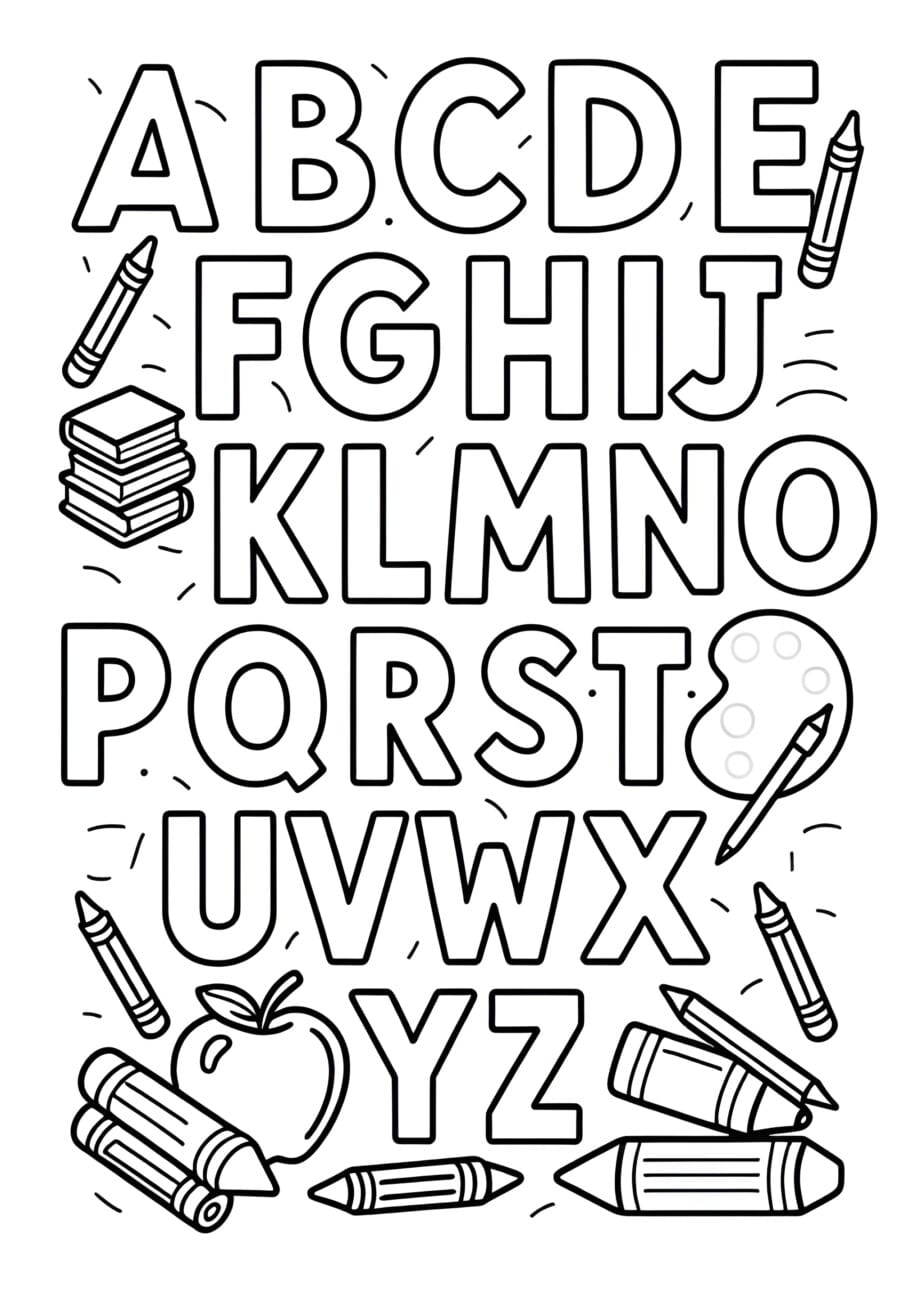
The Importance of Coloring Pages in Early Education
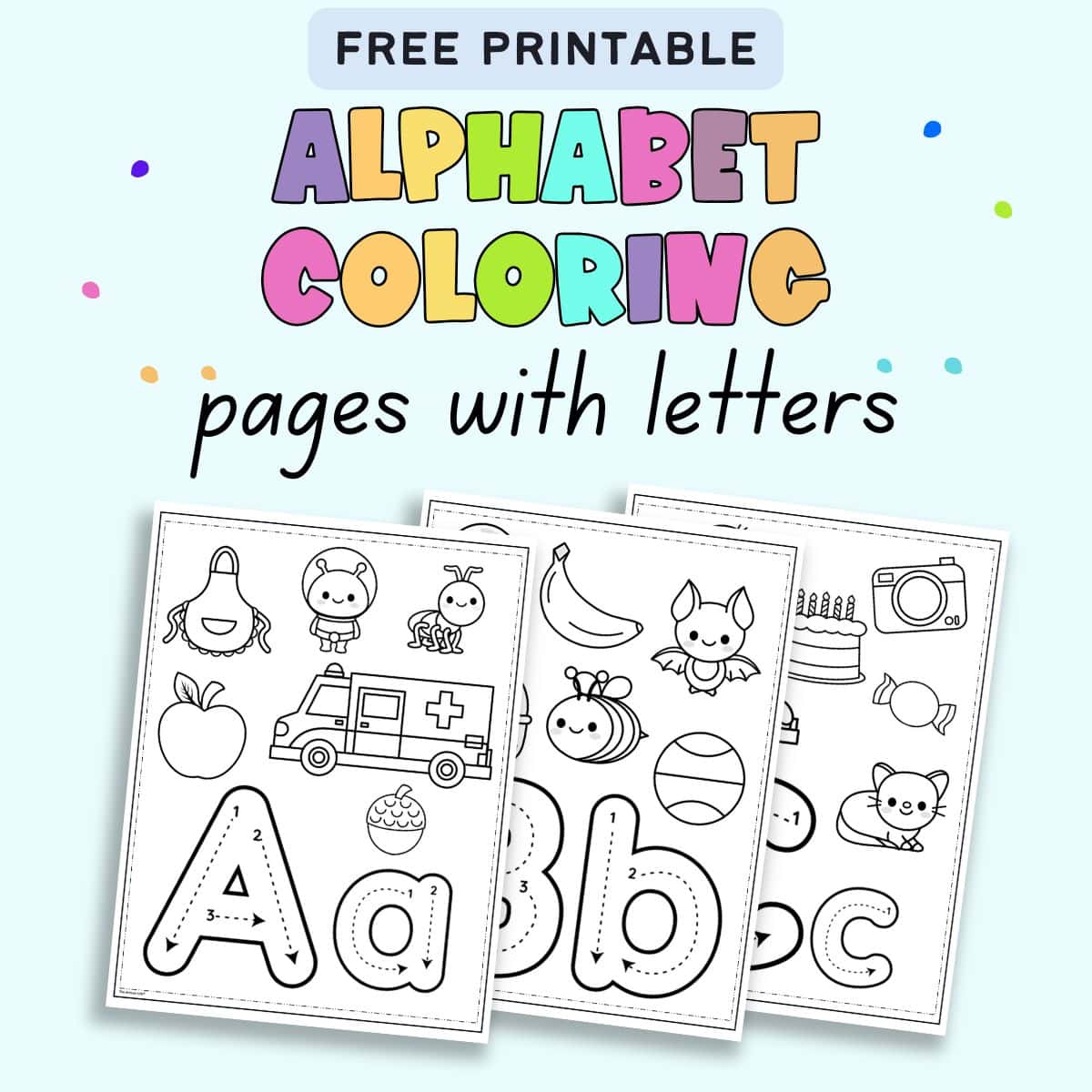
Coloring pages serve as an essential tool for early childhood education. They not only entertain but also help develop fine motor skills, hand-eye coordination, and creativity. When children color letters, they become more familiar with the shapes and sounds associated with each letter. This early exposure lays a foundation for reading and writing skills.
Incorporating coloring activities into your lesson plans can make the learning process enjoyable. For instance, you might assign a letter of the week and provide corresponding coloring pages. As students color, you can discuss words that begin with that letter, enhancing their vocabulary. This dual approach—coloring while learning—helps reinforce their understanding of letters in a holistic manner.
How to Use Coloring Pages for Letters Free in Your Lessons
There are numerous ways to integrate coloring pages into your educational activities, whether you are teaching in a traditional classroom setting or homeschooling. Here are some practical ideas:
- Letter of the Week Activities: Choose a letter each week and provide coloring pages that feature that letter. Encourage students to color and decorate the page, discussing words that start with the letter during the activity.
- Alphabet Games: Create a fun game where students must find items in the classroom that start with the letter they are coloring. This could be a great way to reinforce their learning while keeping them active.
- Personalized Alphabet Books: Have students color pages and compile them into their own personalized alphabet books. This not only gives them a sense of ownership but also serves as a great review tool.
- Group Coloring Sessions: Set up a coloring station in your classroom where students can work together. This promotes social interaction and collaborative learning.
- Home Learning Activities: For parents teaching at home, coloring pages can be an excellent way to keep kids engaged while reinforcing letter recognition. Set aside a specific time each week for coloring and letter-related discussions.
Each of these methods encourages interactive learning, making the experience enjoyable and memorable for young learners.
Finding Quality Coloring Pages for Letters Free
While many websites offer free printable coloring pages, it’s crucial to select high-quality resources that are appropriate for your audience. Look for pages that are:
- Age-appropriate: Ensure the complexity of the designs matches the skill level of your students. Simple designs work well for younger children, while more intricate patterns might engage older kids.
- Printable: Opt for pages that are easy to download and print. PDF formats are often the best choice as they preserve the layout and design.
- Variety of styles: Choose resources that offer a range of artistic styles, from cartoonish to more realistic representations of letters. This variety can cater to different preferences and encourage creativity.
Some reputable sources for free coloring pages include educational websites, teacher resource sites, and even local library websites. Always check for copyright restrictions and ensure that the resources are genuinely free for educational use.
Tips for Printing and Using Coloring Pages
When preparing to print coloring pages for letters free, consider the following tips to ensure the best results:
- Paper Quality: Use a heavier paper, like cardstock, for durability, especially if you plan to laminate the pages. Standard printer paper works well for simple coloring activities.
- Printer Settings: Set your printer to the best quality settings to ensure crisp lines and vibrant colors. If you’re printing in bulk for a class, check if your printer can handle multiple pages efficiently.
- Coloring Tools: Provide a variety of coloring tools such as crayons, markers, or colored pencils. Each medium can yield different results and may inspire creativity in your students.
- Storage Solutions: Once students have completed their coloring pages, consider creating a display area in your classroom. This not only showcases their work but also reinforces their learning as they see their efforts celebrated.
These practical tips will help you prepare effective and engaging coloring pages that enhance the learning experience.
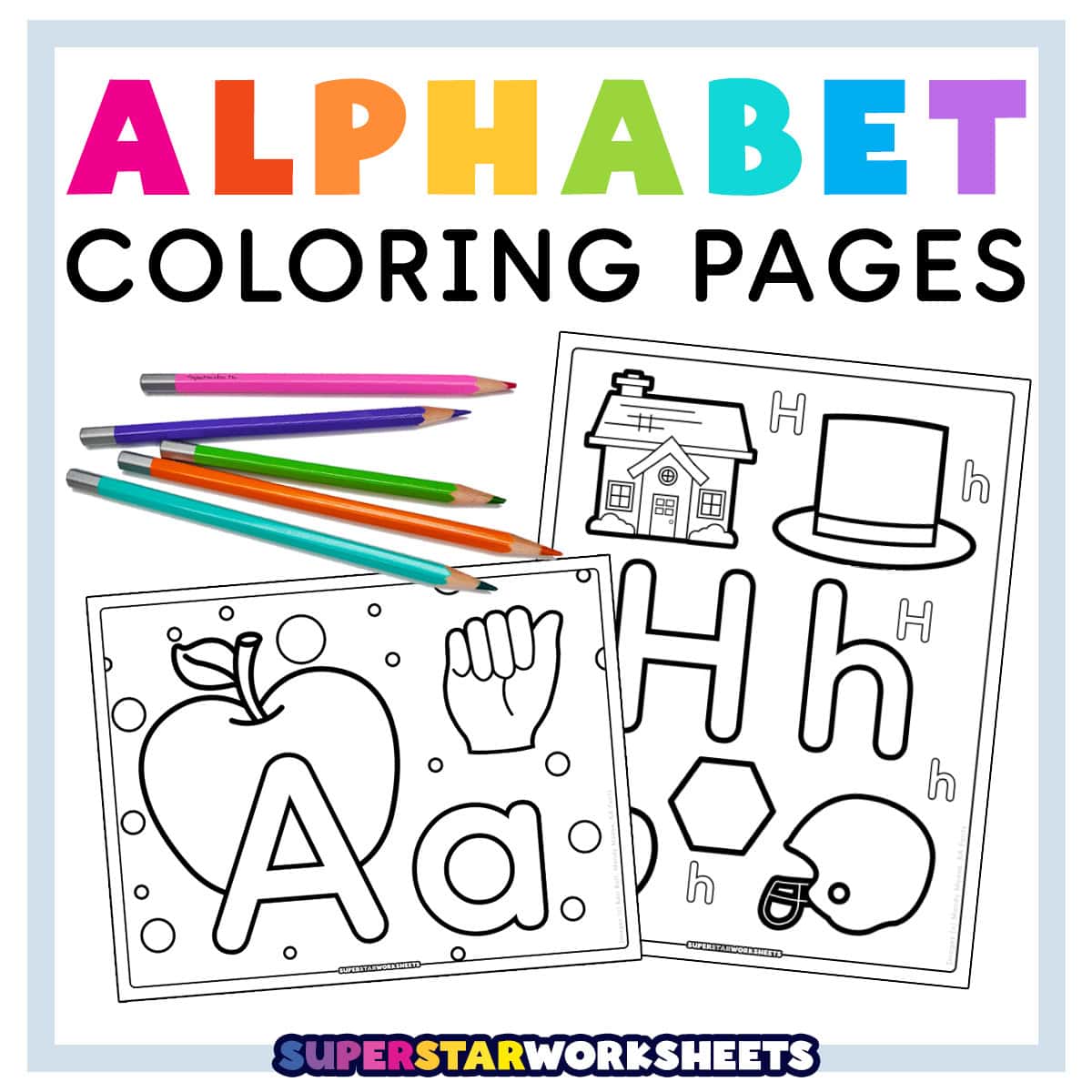
Engaging Students With Themed Coloring Pages
To further enhance the learning experience, consider incorporating themes into your coloring pages. For example:
- Seasonal Themes: Use holiday or seasonal themes to connect coloring activities with the time of year. For instance, during Halloween, you can provide coloring pages featuring letters with spooky designs.
- Storybook Characters: Tie in popular storybook characters that start with the week’s letter. This can create excitement and provide context for the letters.
- Animals and Nature: Kids love animals! Use themed coloring pages featuring animals that start with the letters they are learning. This can lead to discussions about the animals and their habitats.
By integrating these themed pages, you can create a richer learning environment, making letter recognition not just an academic exercise but a fun and memorable experience.