
Coloring pages are a fantastic way to engage children while helping them learn essential skills. Specifically, Coloring Pages For Kids Letters are not only fun but also serve as a tool to reinforce letter recognition, improve fine motor skills, and enhance creativity. These printable resources can easily fit into your home or homeschool routine, making learning enjoyable and interactive.
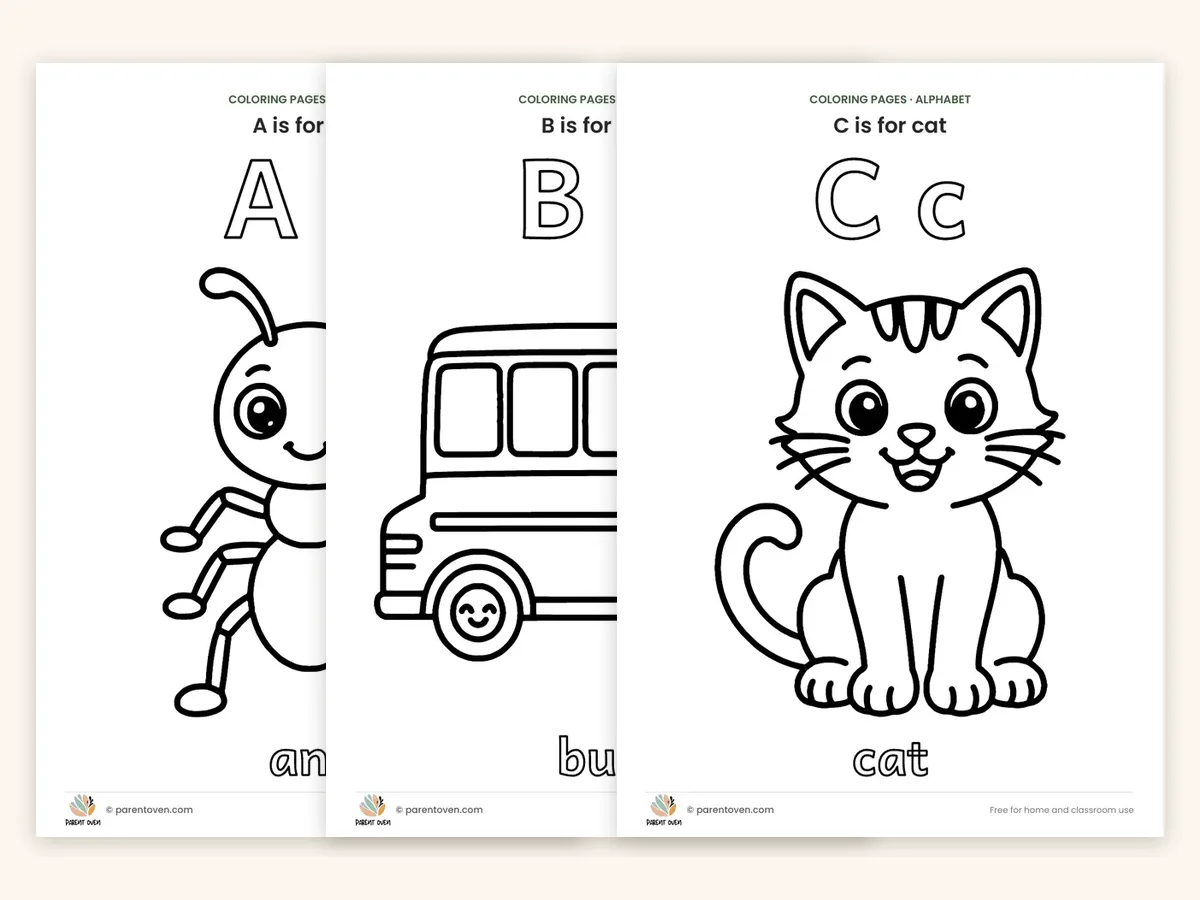
Why Use Coloring Pages for Letter Learning
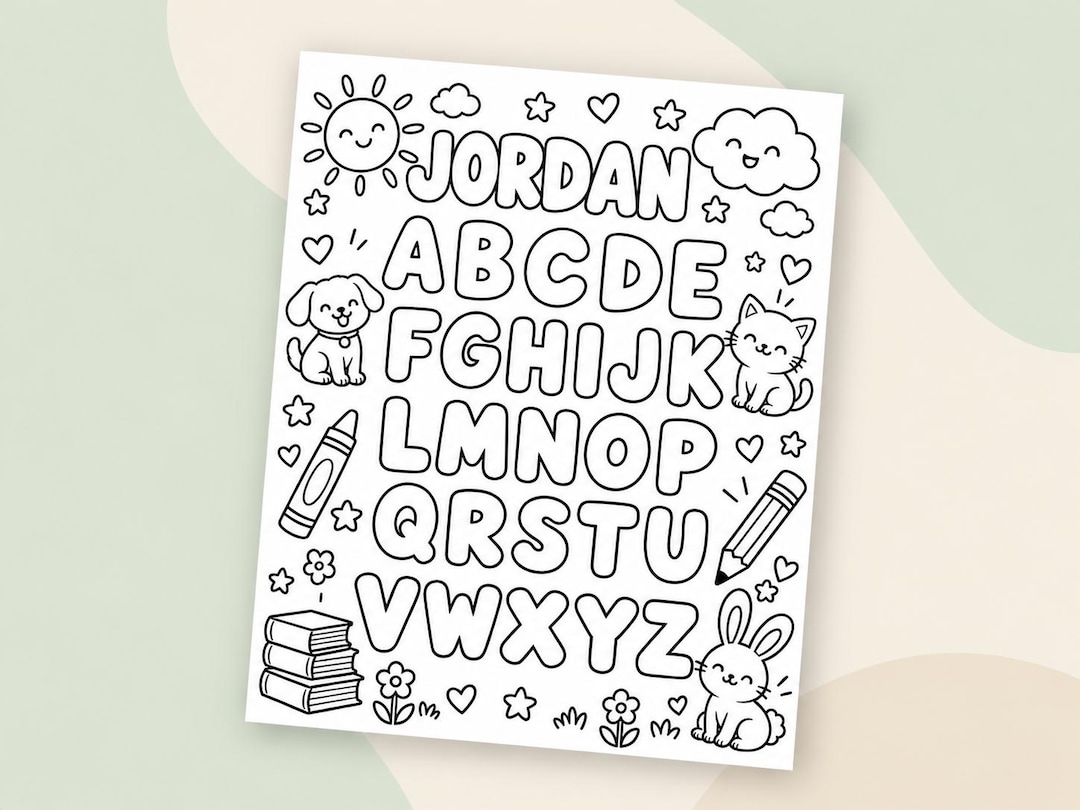
Coloring pages designed for letters provide an engaging way for children to familiarize themselves with the alphabet. By coloring each letter, kids can visually associate the shape of the letter with its name and sound. This can be particularly beneficial for preschoolers and kindergarteners, typically aged 3 to 6 years, who are just beginning to learn about letters.
Additionally, these coloring pages can also help improve fine motor skills. As children color, they practice grasping crayons or markers, which is crucial for later writing skills. This hands-on approach makes learning less daunting and more enjoyable for young learners.
How to Choose the Right Coloring Pages
When selecting Coloring Pages For Kids Letters, consider the following factors to ensure the pages are suitable for your child’s age and skill level:
- Complexity: Look for pages that match your child’s developmental stage. For younger children, simple letters with bold outlines are ideal. As they progress, you can introduce more intricate designs.
- Themes: Many coloring pages feature themes that can enhance the learning experience. For instance, pages with animals or objects that start with the letter being colored can reinforce vocabulary and letter sounds.
- Format: Ensure the coloring pages are available in a printable format, such as PDF or JPEG, which makes it easy to download and print as needed.
- Variety: Offer a mix of uppercase and lowercase letters to help children learn the difference between the two forms. This is especially helpful as they start to recognize words.
Incorporating Coloring Pages Into Your Routine
Integrating Coloring Pages For Kids Letters into your daily routine can be simple and beneficial. Here are some practical tips:
- Set Aside Time: Designate a specific time each day for coloring. This could be a part of your morning routine or a quiet afternoon activity. Consistency helps reinforce learning.
- Combine with Other Activities: Pair the coloring activity with letter-related games or storytelling. For example, after coloring the letter “A,” you can talk about apples or ask your child to find objects around the house that start with “A.”
- Use as a Reward: If your child completes a learning task, reward them with a coloring page. This not only makes the activity enjoyable but also motivates them to engage in other learning activities.
Printing Tips for Coloring Pages
When you’re ready to print your chosen coloring pages, consider the following tips for the best results:
- Paper Type: Use standard printer paper for everyday coloring. If your child tends to press hard while coloring, consider using cardstock for durability.
- Printer Settings: Adjust your printer settings for optimal quality. Use the “best” or “high quality” setting to ensure crisp lines, which will make coloring easier and more enjoyable for your child.
- Size: Most coloring pages are designed for standard letter-size paper (8.5 x 11 inches). If you want larger images, check if the coloring pages are available in different sizes.
Enhancing the Learning Experience
To make the most of Coloring Pages For Kids Letters, consider these additional activities:
- Letter Tracing: After coloring a letter, have your child trace it with their finger or with a crayon. This reinforces letter shapes and improves muscle memory.
- Sound Association: While coloring, discuss the sound of the letter. For example, emphasize that “B” sounds like “buh” and point out examples, like “ball” or “bee.”
- Display Their Work: Create a dedicated space on a wall or bulletin board to display their finished coloring pages. This not only boosts their confidence but also provides a visual reminder of their learning progress.
- Group Activities: If you have multiple children or are part of a homeschool group, consider organizing a coloring session where kids can color together. This encourages collaboration and social interaction.
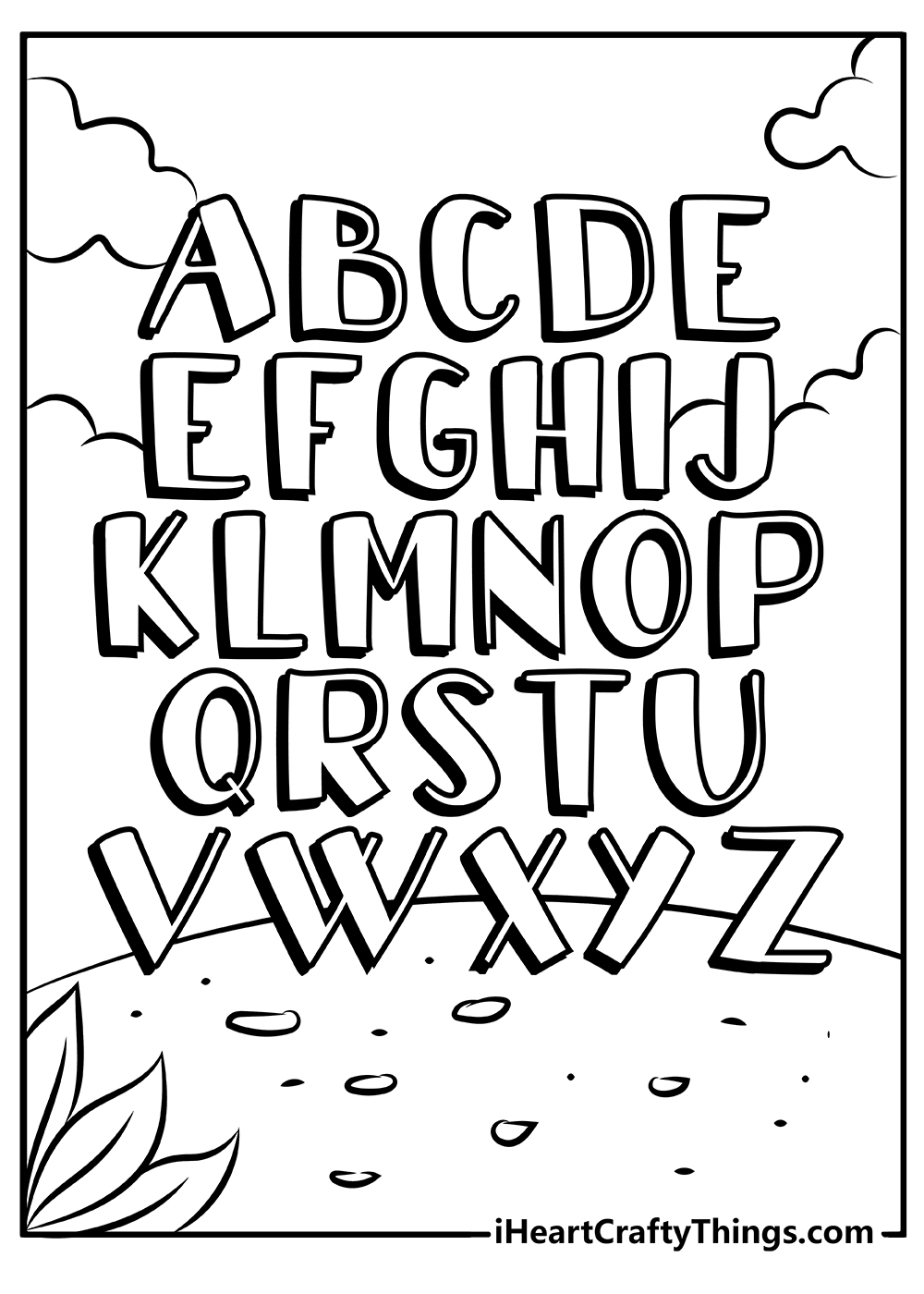
Resources for Finding Coloring Pages
There are several online platforms where you can find high-quality Coloring Pages For Kids Letters. Here are a few reliable sources:
- Educational Websites: Many educational sites offer free printable coloring pages that cater to various learning levels.
- Art and Craft Blogs: Look for blogs dedicated to children’s crafts, as they often have unique designs and themes that engage kids.
- Pinterest: This platform is a treasure trove for printable resources. You can find a range of letter coloring pages that suit different interests and learning stages.
- Teacher Resource Sites: Websites that cater to teachers often have extensive libraries of coloring pages that can be used at home.
By exploring these resources, you can find a variety of Coloring Pages For Kids Letters that suit your child’s learning style and interests.
Incorporating Coloring Pages For Kids Letters into your teaching or home learning routine can be a useful option. By providing a fun, interactive way to engage with letters, you set the foundation for literacy skills while sparking creativity. With the right resources and strategies, coloring can evolve from a simple pastime into a valuable educational tool.