
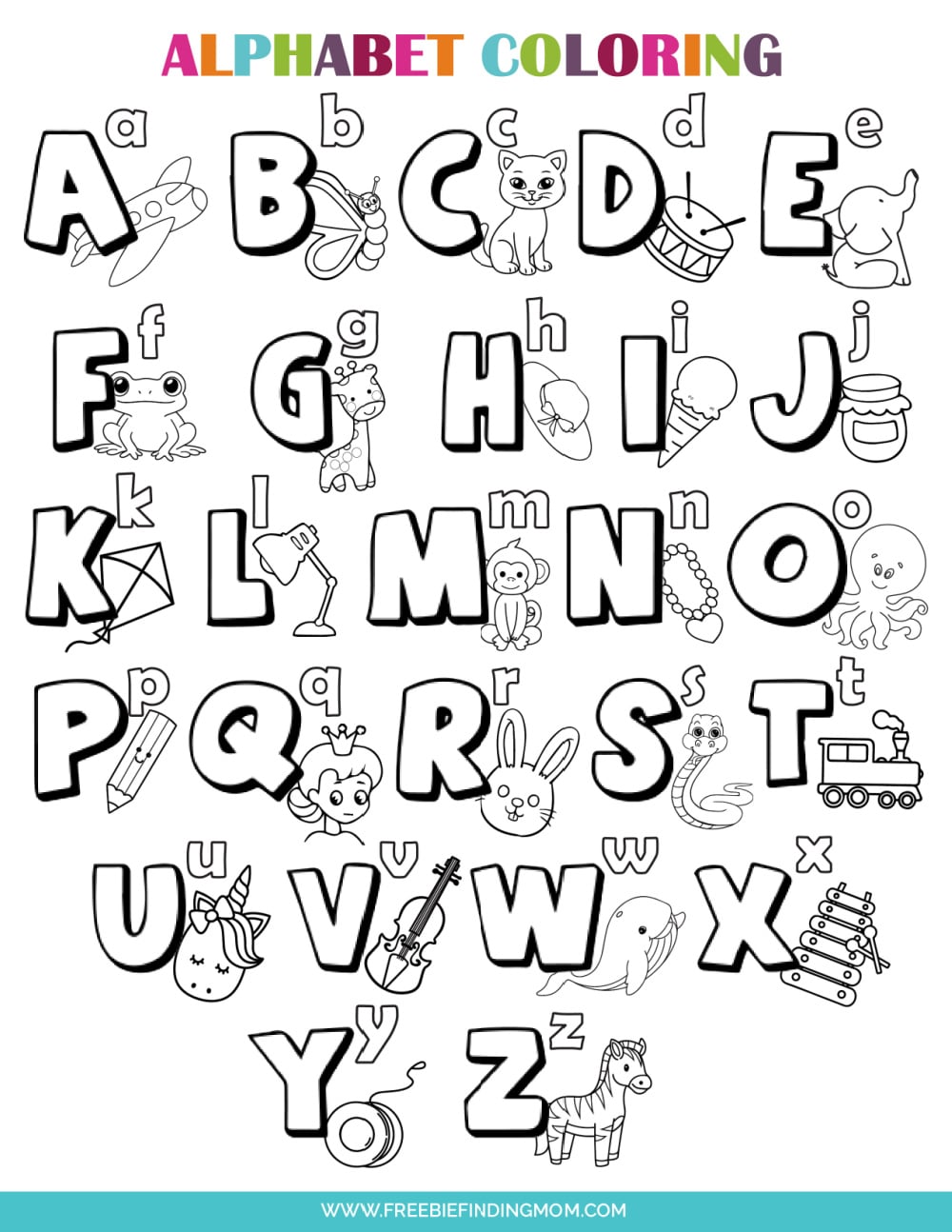
Coloring Pages For Kids Alphabets provide an engaging way for children to learn their letters while expressing their creativity. These resources typically come in PDF format, making them easy to download and print. With various designs available, kids can color in letters that are decorated with fun images, ensuring an enjoyable learning experience. In this guide, we’ll walk through the process of selecting, downloading, printing, and using these coloring pages effectively.
Choosing the Right Coloring Pages
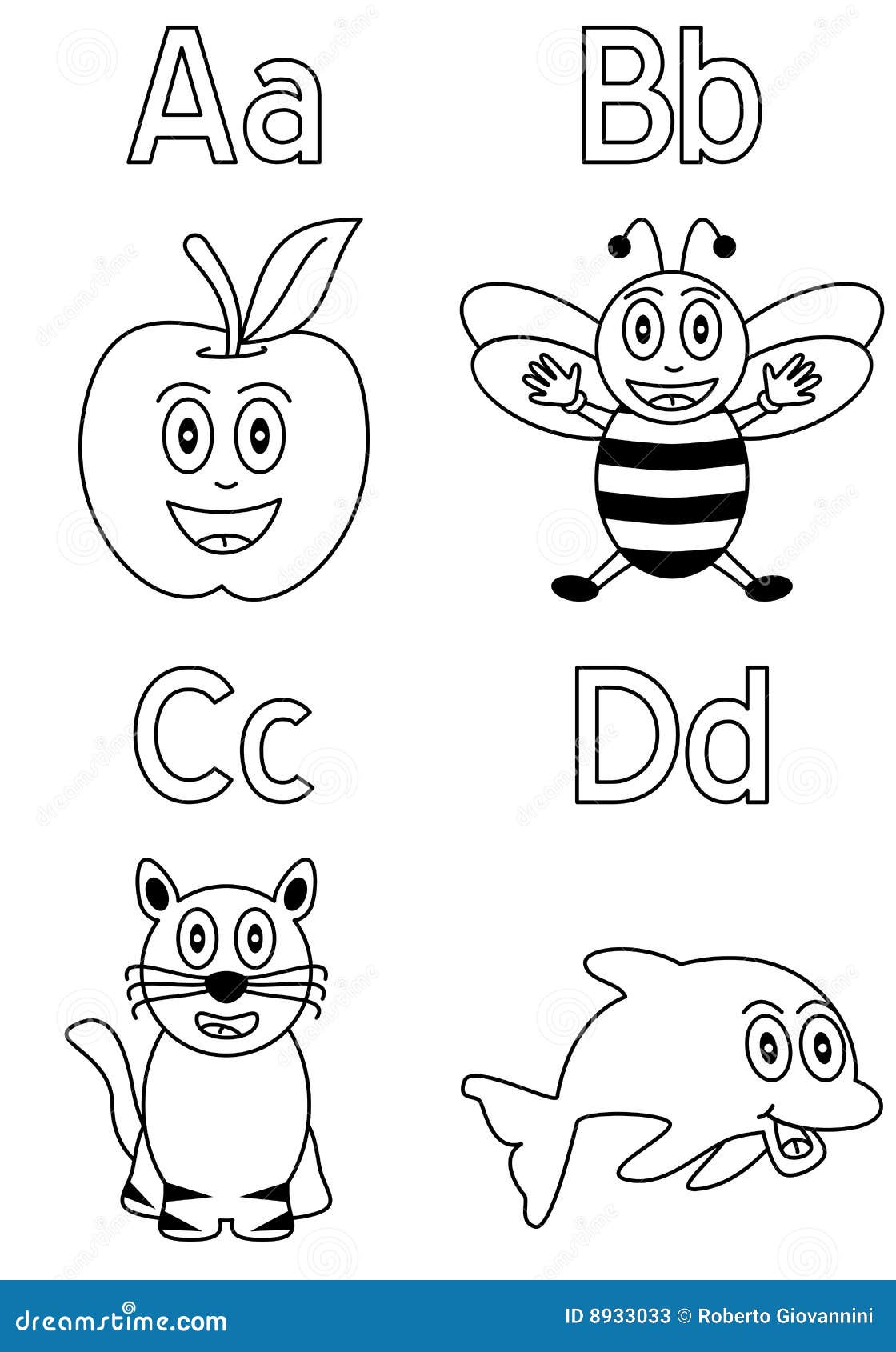
When selecting coloring pages for kids, consider the age group and skill level of your children. For younger kids, simple designs featuring large letters are ideal. As children grow older, they may enjoy more intricate designs that incorporate the alphabet into themed scenes. Here are some tips for choosing the right pages:
- Age Appropriateness: For preschoolers, look for pages with bold, clear letters. For early elementary students, consider pages that include both uppercase and lowercase letters in various styles.
- Thematic Elements: Select pages that include themes your child enjoys, such as animals, nature, or space. This makes the learning process more engaging.
- Complexity: Ensure the complexity of the designs matches your child’s fine motor skills. Simple outlines are best for younger children, while older kids might enjoy more detailed images.
Downloading Coloring Pages
Once you’ve chosen the pages that suit your needs, the next step is downloading them. Most printable resources are available on educational websites that offer free or paid downloads. Here’s how to download effectively:
- Locate a Reliable Source: Search for reputable websites that focus on educational resources. Look for platforms that offer high-quality printable coloring pages.
- Select the Desired Pages: Choose the specific alphabet coloring pages you want to download. Ensure they are labeled clearly for easy identification.
- Download the Files: Click the download button, typically available in PDF format. This format is preferred because it preserves the design and layout when printing.
Printing Your Coloring Pages
After downloading, it’s time to print your coloring pages. Here are some practical steps to ensure the best results:
- Paper Type: Use good-quality paper for printing. Standard printer paper works, but if you want the colors to pop, consider using cardstock. This thicker paper holds up well to coloring materials.
- Printer Settings: Select the appropriate print settings. For most home printers, use the portrait orientation for individual pages. If your printer allows, select a high-quality print option for better color accuracy.
- Size Settings: Ensure the scaling is set to 100% to avoid resizing the images. This ensures that letters remain proportionate and easy to color.
Setting Up a Coloring Session
Now that your coloring pages are printed, it’s time to set up a fun and organized coloring session. Here’s how to create an inviting environment for your child:
- Gather Supplies: Collect various coloring supplies such as crayons, markers, colored pencils, and even glitter for added fun. Having a range of options encourages creativity.
- Create a Comfortable Space: Set up a table or a designated area where your child can color freely. Ensure good lighting so they can see the details of the coloring pages clearly.
- Incorporate Learning: While coloring, engage with your child by discussing the letters. Ask them to identify the letter they are coloring and come up with words that start with that letter. This reinforces letter recognition while keeping the session enjoyable.
Using Coloring Pages as Educational Tools
Coloring pages for kids do more than just entertain; they serve as valuable educational tools. Here are ways to maximize their benefits:
- Letter Recognition: As children color each letter, they reinforce their understanding of the alphabet. Encourage them to say the letter out loud as they color.
- Fine Motor Skills Development: Coloring helps improve fine motor skills, which are essential for writing. The act of holding crayons or markers strengthens hand muscles.
- Creativity and Expression: Allowing kids to choose colors and designs fosters creativity. Encourage them to think outside the box and express themselves through their artwork.
Expanding the Learning Experience
To further enhance the learning experience, consider integrating additional activities related to the coloring pages:
- Storytelling: After coloring, ask your child to create a story using the letters they colored. This encourages imaginative thinking and language skills.
- Alphabet Games: Turn the coloring session into a game. For example, you could ask them to find objects around the house that start with the letters they are coloring.
- Display Their Artwork: Create a gallery wall at home to display their finished coloring pages. This not only boosts their confidence but also reinforces their learning.
By using Coloring Pages For Kids Alphabets effectively, you can create a fun, educational environment that nurtures both creativity and learning. The key is to make the experience interactive and enjoyable, allowing children to thrive as they learn their letters.
A useful detail to remember is that having a variety of coloring materials, such as gel pens and watercolors, can add an exciting twist to the traditional coloring experience and further engage your child’s imagination.