
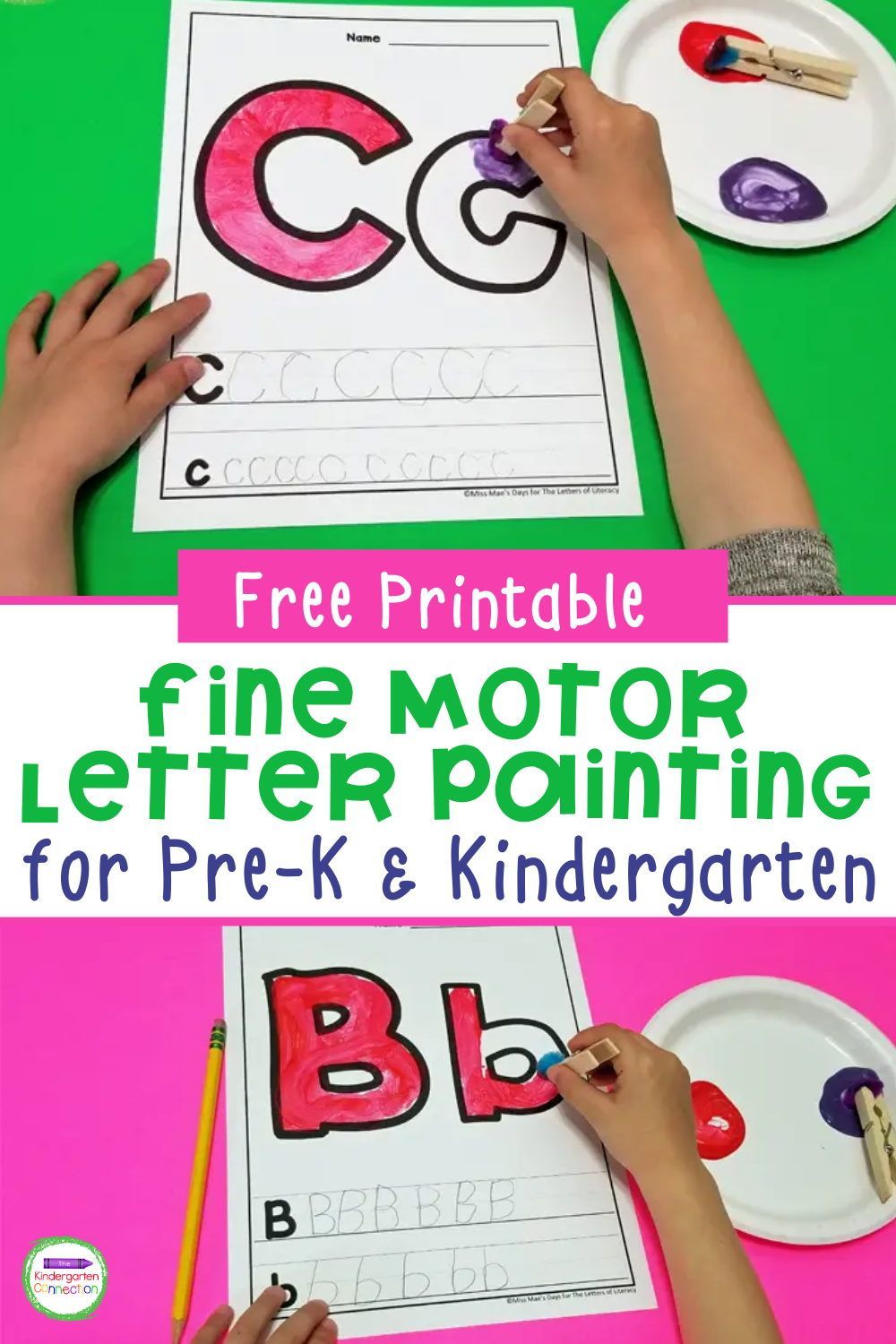
When it comes to developing young children’s fine motor skills, one of the most effective methods is through engaging activities like coloring. The resource “Coloring Fine Mottor Capital Letters” provides printable templates that are perfect for this purpose. These worksheets not only help kids practice their coloring skills but also reinforce their understanding of capital letters, making it a dual-purpose educational tool.
Understanding Fine Motor Skills
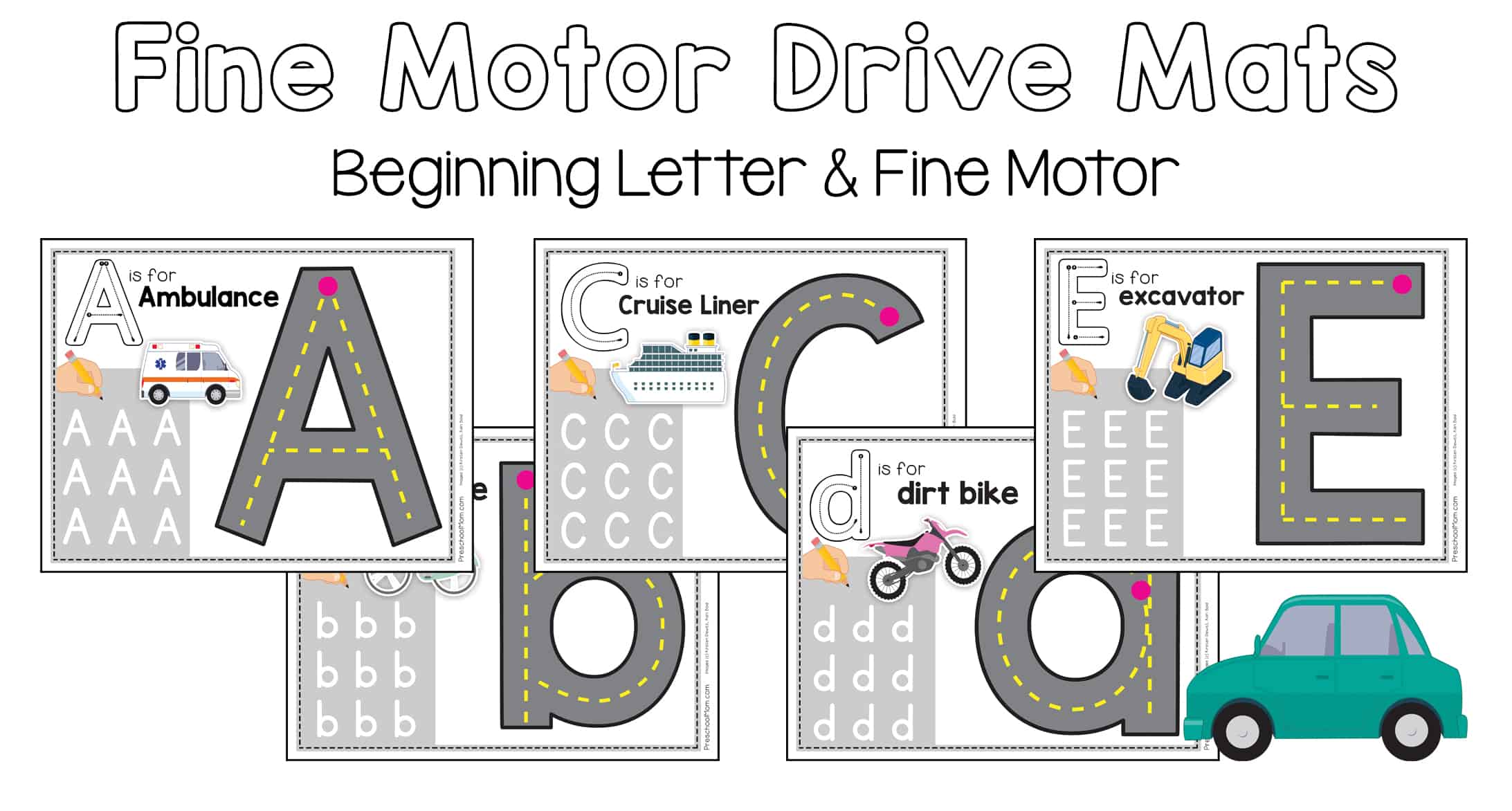
Fine motor skills are the small movements that involve the coordination of hands and fingers. These skills are crucial for tasks such as writing, drawing, and even basic self-care activities like buttoning a shirt. For preschool and early elementary-aged children, developing these skills is a vital part of their growth. By integrating activities like coloring into your curriculum, you can help children refine their motor abilities while making learning fun.
Choosing the Right Resources
For effective teaching, selecting the right printable resources is essential. The “Coloring Fine Mottor Capital Letters” worksheets are designed specifically for young learners, typically between ages 4 and 7. These worksheets come in PDF format, making them easy to download and print. When choosing these resources, consider the following:
- Age Appropriateness: Ensure the worksheets are suitable for the child’s developmental level. The capital letters are designed for early learners who are just beginning to recognize and write letters.
- Visual Appeal: Look for colorful and engaging designs. Children are more likely to stay focused on activities that capture their interest.
- Variety of Activities: Opt for worksheets that include different styles of coloring or tracing to keep the experience fresh.
Downloading and Printing Your Worksheets
Once you’ve made your selection, the next step is to download and print the worksheets. Here’s how to do it efficiently:
- Download the PDF: Click on the download link for the “Coloring Fine Mottor Capital Letters” resource. Make sure to save it in a location that’s easy to access.
- Check Print Settings: Before printing, adjust your printer settings. Portrait layout usually works best for these types of worksheets, and if you have the option, print on cardstock for durability. This helps if the worksheets will be used repeatedly or if you plan to laminate them for long-term use.
- Print in Bulk: If you’re teaching multiple children or using the worksheets in a classroom setting, print several copies at once. This saves time and ensures that everyone has access to the same materials.
Setting Up a Coloring Schedule
To maximize the benefits of the “Coloring Fine Mottor Capital Letters” worksheets, consider incorporating them into a structured learning schedule. Instead of having children complete them in one sitting, space out the activities over the course of a week. This repetition helps reinforce letter recognition and fine motor skills. Here’s a suggested schedule:
- Day 1: Introduce the worksheet, focusing on a few letters. Spend 15-20 minutes coloring together.
- Day 2: Review the letters colored the previous day. Introduce new letters and allow another 15-20 minutes for coloring.
- Day 3: Mix it up by having children trace the letters before coloring them in. This helps improve hand control.
- Day 4: Use the worksheets for a fun group activity. Pair up children to work together, fostering collaboration while they color.
- Day 5: Have a mini-exhibition where children can showcase their work. This boosts confidence and encourages pride in their efforts.
Benefits of Coloring for Fine Motor Development
Using coloring worksheets, like the “Coloring Fine Mottor Capital Letters,” offers several benefits for young learners:
- Hand-Eye Coordination: Coloring requires children to focus on staying within the lines, improving their hand-eye coordination.
- Grip Strength: Holding crayons or colored pencils helps strengthen the muscles in their hands and fingers.
- Creativity and Expression: Coloring allows for personal expression, enabling children to choose colors and styles, enhancing their artistic skills.
By regularly incorporating these worksheets into your teaching routine, you’re not only helping children learn their letters but also setting a foundation for more advanced writing skills in the future.
Tips for Maximizing Engagement
To keep children engaged while using the “Coloring Fine Mottor Capital Letters,” consider these strategies:
- Interactive Discussions: As children color, discuss the letters they are working on. Ask questions about words that start with those letters or how they might use them in sentences.
- Incorporate Themes: Tie the coloring activities to themes or subjects they are already learning about. For example, if it’s spring, use colors that reflect the season, or discuss animals that start with the letters they are coloring.
- Use Different Materials: Experiment with various coloring tools, such as markers, crayons, or colored pencils. Each tool offers a different sensory experience and can keep the activity exciting.
The “Coloring Fine Mottor Capital Letters” worksheets provide a structured way to foster fine motor skills while learning capital letters. By implementing these resources effectively, you can create a rich learning environment that nurtures young learners’ growth and development.