
Coloring Alphabet Letters With Pictures is an enjoyable and effective method for introducing young learners to the alphabet. This resource combines letters with engaging images, making the learning process fun and interactive. If you are a teacher looking to enrich your classroom activities or a parent seeking effective homeschooling tools, this guide will provide practical insights into using these coloring pages to enhance literacy skills in children.
Understanding the Benefits of Coloring Alphabet Letters
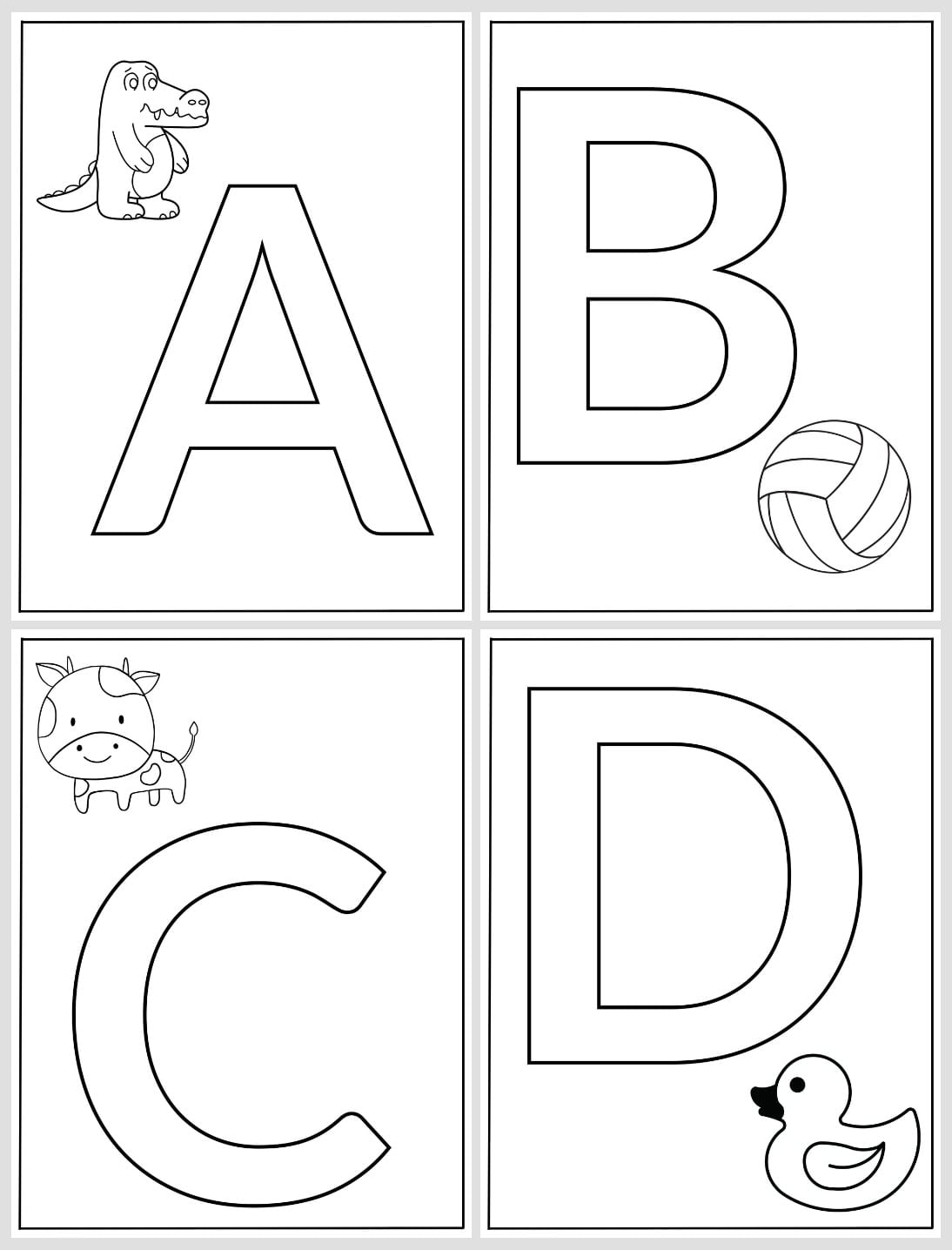
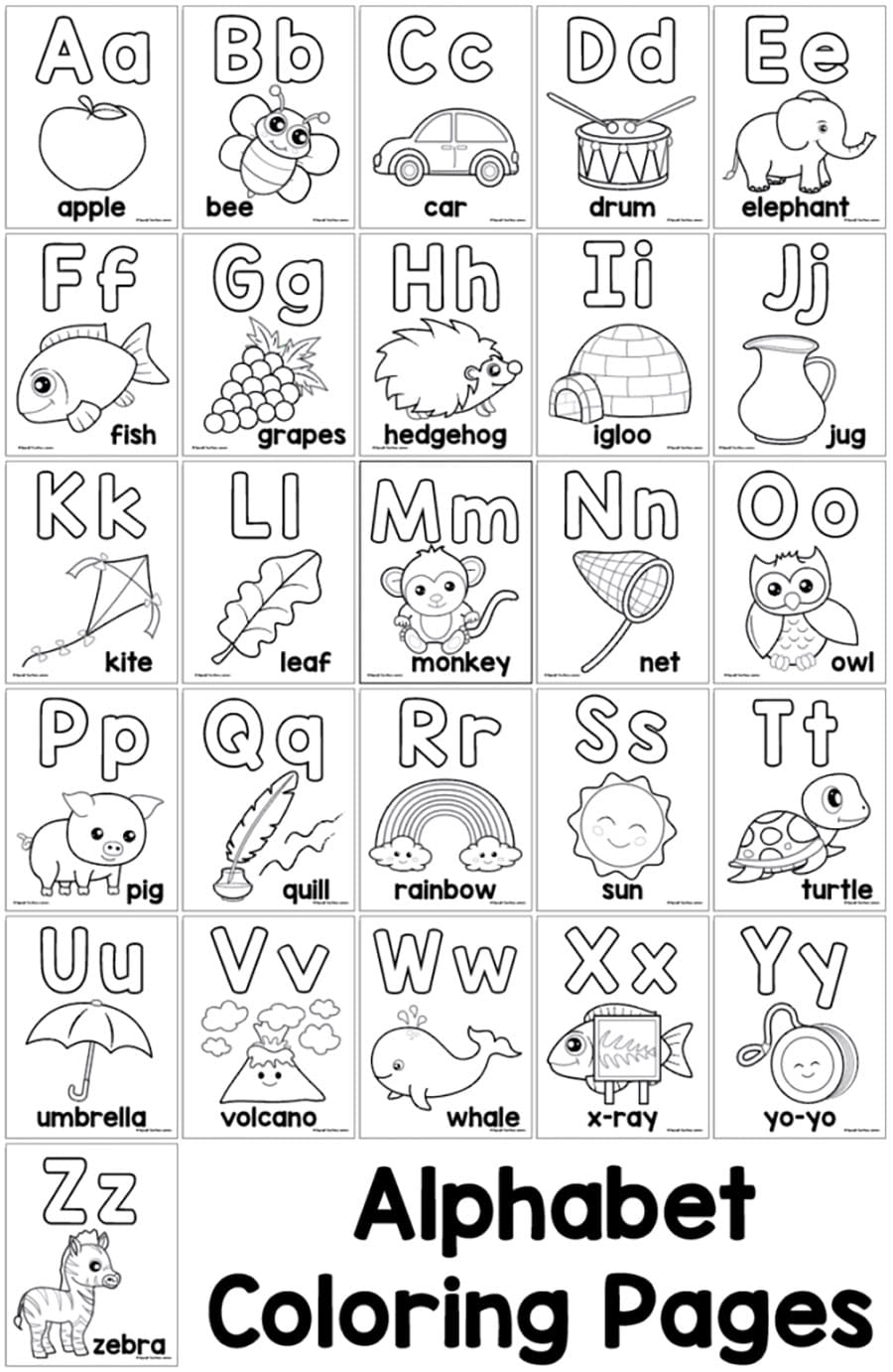
Coloring activities are not just fun; they also offer numerous educational benefits. When kids color alphabet letters, they develop fine motor skills, improve hand-eye coordination, and reinforce their letter recognition. Each letter is paired with a corresponding image, which helps children associate sounds with letters, an essential skill in early literacy development.
Incorporating coloring into your learning routine can also keep children engaged longer. The visual aspect of combining letters with pictures makes the experience more memorable. Additionally, this method encourages creativity, allowing children to express themselves artistically while learning.
Choosing the Right Printable Resources
When selecting printable coloring pages, look for high-quality designs that are age-appropriate. Resources should feature clear outlines for easy coloring and should include a variety of images that correspond to each letter. For younger children, images of common objects like “A for Apple” or “B for Ball” work well. As they progress, you can introduce more complex images that challenge their creativity.
You can often find these resources in various formats, such as PDFs or image files. PDFs are typically the best choice because they maintain formatting across different devices and printers. Make sure to check the resolution of the images to ensure they print clearly without pixelation.
How to Use Coloring Alphabet Letters Effectively
To integrate Coloring Alphabet Letters With Pictures into your daily routine, you might consider setting aside specific times for this activity. It can be a great way to start a lesson or a calming activity to wind down after more intense subjects. Here are some practical tips for using these resources:
- Set Up a Coloring Station: Create a dedicated space with coloring supplies, such as crayons, markers, and colored pencils. This will help establish a routine and make the activity feel special.
- Incorporate Learning Games: Pair coloring with games like letter scavenger hunts. After coloring, ask children to find objects around the house that start with the same letter. This reinforces their learning in a fun way.
- Display Finished Work: Encourage kids by displaying their colored letters around the house or classroom. This not only boosts their confidence but also serves as a visual reminder of what they’ve learned.
Tips for Printing and Preparing Your Resources
Printing your coloring pages correctly is essential for ensuring a smooth experience. Here are some tips to consider:
- Paper Type: Use thicker paper, like cardstock, to prevent bleeding through when using markers. If you plan to laminate the pages for repeated use, cardstock is a must.
- Print Settings: For best results, select the “Actual Size” option in your printer settings to maintain the original dimensions of the coloring pages. Portrait layout is generally the best choice for most coloring sheets.
- Check for Updates: Many printable resources are updated regularly. Check back often for new designs or seasonal themes to keep the material fresh and engaging.
Engaging Children With Follow-Up Activities
Once your child has completed their coloring, consider incorporating follow-up activities to reinforce what they’ve learned. Here are a few ideas:
- Storytime: Read books that correspond to the letters they have colored. For example, if they colored “D for Dog,” find a story that features dogs prominently.
- Letter Crafts: Use the colored letters to create a collage or a themed display. For instance, after coloring “C for Cat,” you could make a cat puppet or craft to go along with it.
- Songs and Rhymes: Incorporate songs that emphasize the alphabet. Singing the ABCs while pointing to the colored letters can help reinforce their understanding.
Tracking Progress and Encouraging Growth
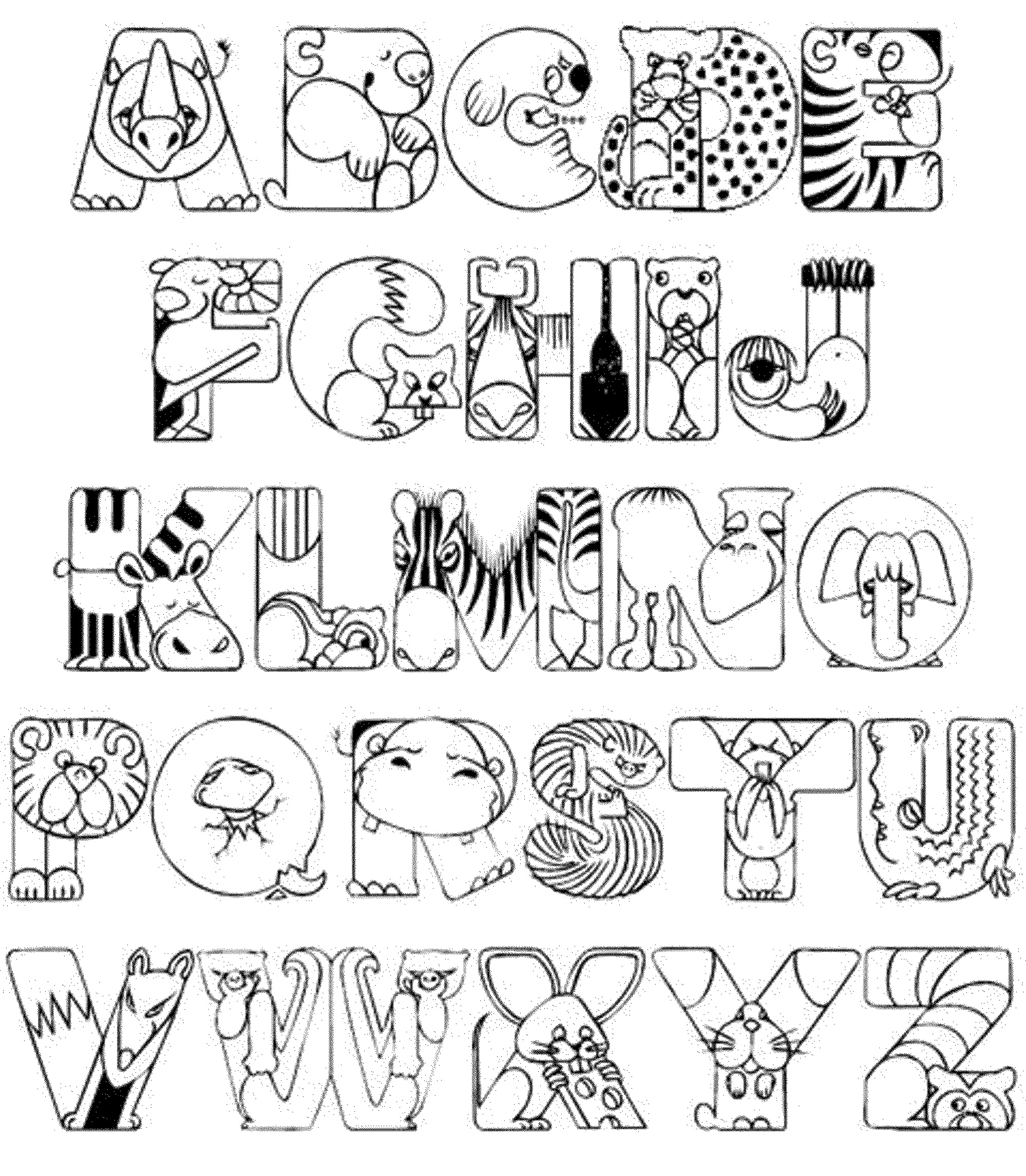
As children engage with Coloring Alphabet Letters With Pictures, it’s important to track their progress. Keep a portfolio of their completed letters and any related activities. This not only allows you to see their development but also gives them a sense of accomplishment.
Consider using a simple checklist to note which letters they’ve mastered and which ones they need more practice with. This can guide your future activities and help tailor your approach to their individual learning needs.
By adopting these practical strategies, you can create a rich, interactive learning environment at home or in your classroom that utilizes Coloring Alphabet Letters With Pictures effectively. This method not only enhances literacy skills but also fosters a love for learning through creativity and play.