
Learning the alphabet is a fundamental skill for young children, and using resources like Colorful Printable Letters A To Z can make the process more engaging. This resource stands out with its vibrant designs and user-friendly format, making it easy for both teachers and parents to incorporate into lessons. If you are looking for a way to decorate a classroom, create flashcards, or engage children in fun activities, these colorful letters provide numerous opportunities for interactive learning.
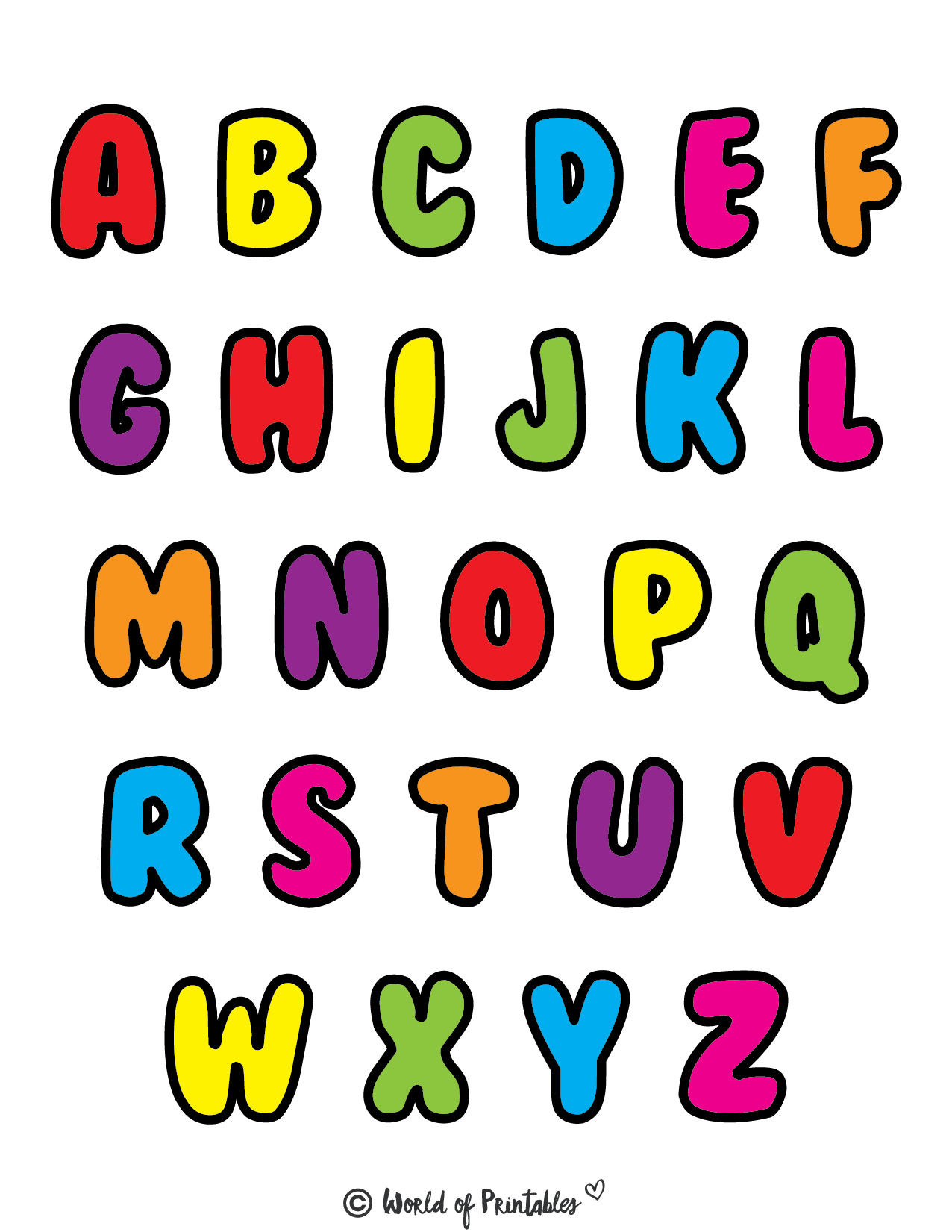
Overview of Colorful Printable Letters A To Z
The Colorful Printable Letters A To Z resource features each letter of the alphabet in a distinct, eye-catching design. Typically formatted as individual sheets, each letter can be printed and used in various educational activities. The colors not only attract children’s attention but also help in reinforcing letter recognition.
These letters are suitable for preschool and early elementary students, typically ages 3 to 7. You can use them in a range of settings, from classrooms to homes, making them a versatile tool for learning.
Practical Uses for Colorful Printable Letters
Classroom Decorations
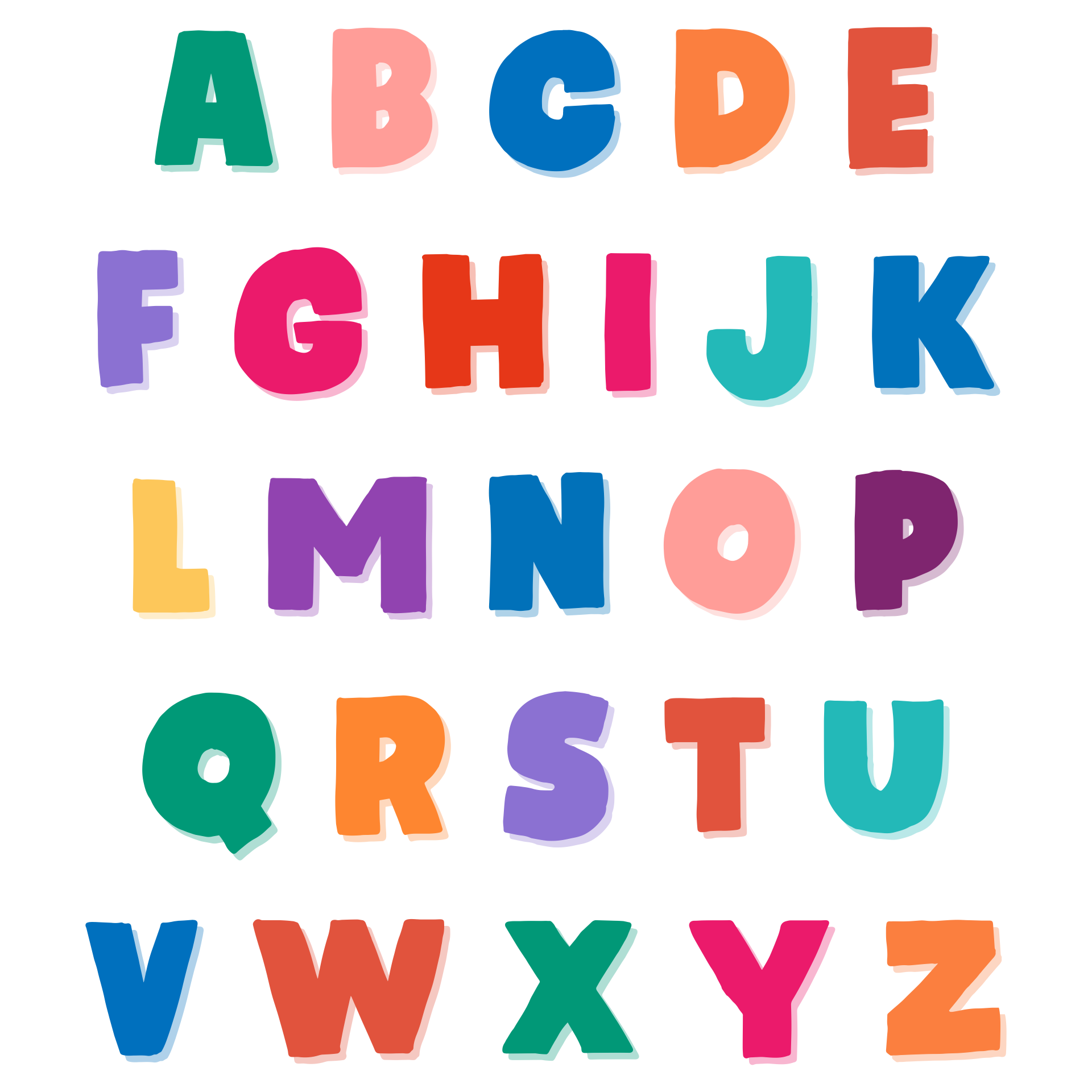
One of the most effective uses for Colorful Printable Letters A To Z is as classroom decorations. By displaying the letters around the room, you create a vibrant learning environment that encourages children to engage with the material. Consider creating a colorful alphabet wall or bulletin board.
To maximize impact, print the letters on cardstock for durability, ensuring they withstand the wear and tear of an active classroom. Using a portrait layout tends to work better for most home printers, allowing for easier handling and visibility.
Flashcards and Learning Games
Another practical application is transforming these letters into flashcards. You can print each letter on separate sheets and cut them out. This method allows you to use the letters for various learning games, such as matching games or letter scavenger hunts.
For effective flashcards, consider adding images that correspond with each letter. For instance, a picture of an apple next to the letter “A” can help reinforce the sound and recognition of the letter.
Interactive Worksheets
Creating interactive worksheets is another fantastic way to use the Colorful Printable Letters. You can design activities where children trace the letters, match them with pictures, or even create their own artwork using the letters as inspiration.
Colorful letters can also be integrated into phonics activities. For instance, you might have students come up with words that start with each letter, promoting vocabulary development alongside letter recognition.
Printing and Handling Tips
When printing Colorful Printable Letters A To Z, consider the following tips to ensure the best results:
- Paper Type: Use cardstock for better durability, especially if the letters will be handled frequently. This material can withstand wear and tear better than regular printer paper.
- Color Settings: Ensure your printer settings are optimized for color printing. This will help maintain the vibrancy of the letters and ensure they look as intended.
- Bulk Printing: If you’re printing for a full class, consider printing multiple sets at once. This not only saves time but also ensures every child has access to their own letters.
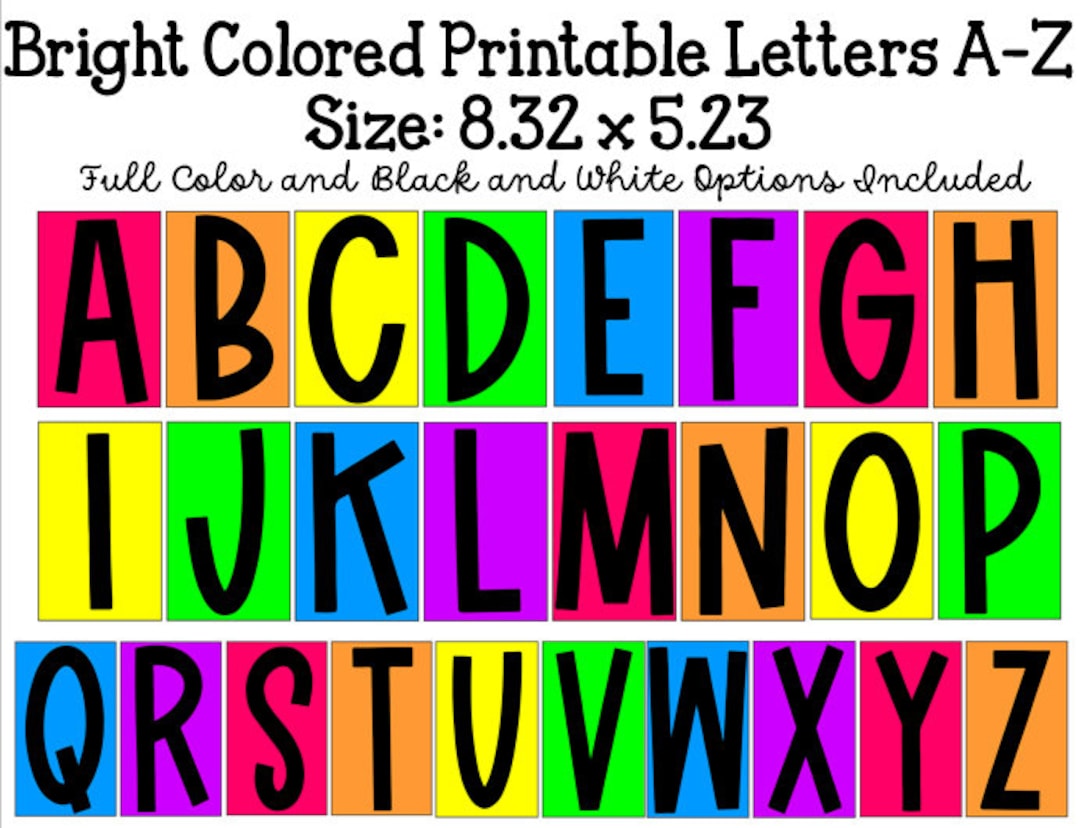
Engaging Activities With Colorful Letters
Alphabet Crafts
Crafting is a wonderful way to incorporate the letters into hands-on activities. You can encourage students to create their own letter crafts, using the colorful letters as a base. For example, after printing the letter “B,” children can decorate it with beads, stickers, or other craft materials.
This approach not only reinforces letter recognition but also enhances fine motor skills as children manipulate various materials during crafting.
Storytime Integration
Another engaging use of the Colorful Printable Letters A To Z is during storytime. You can use the letters to spell out key vocabulary words from the books you read. This visual support helps children connect letters to sounds and words in context.
Consider using the letters to create a small interactive storybook. Each page can feature a letter and a story that incorporates words starting with that letter. This method fosters literacy development while keeping children engaged.