
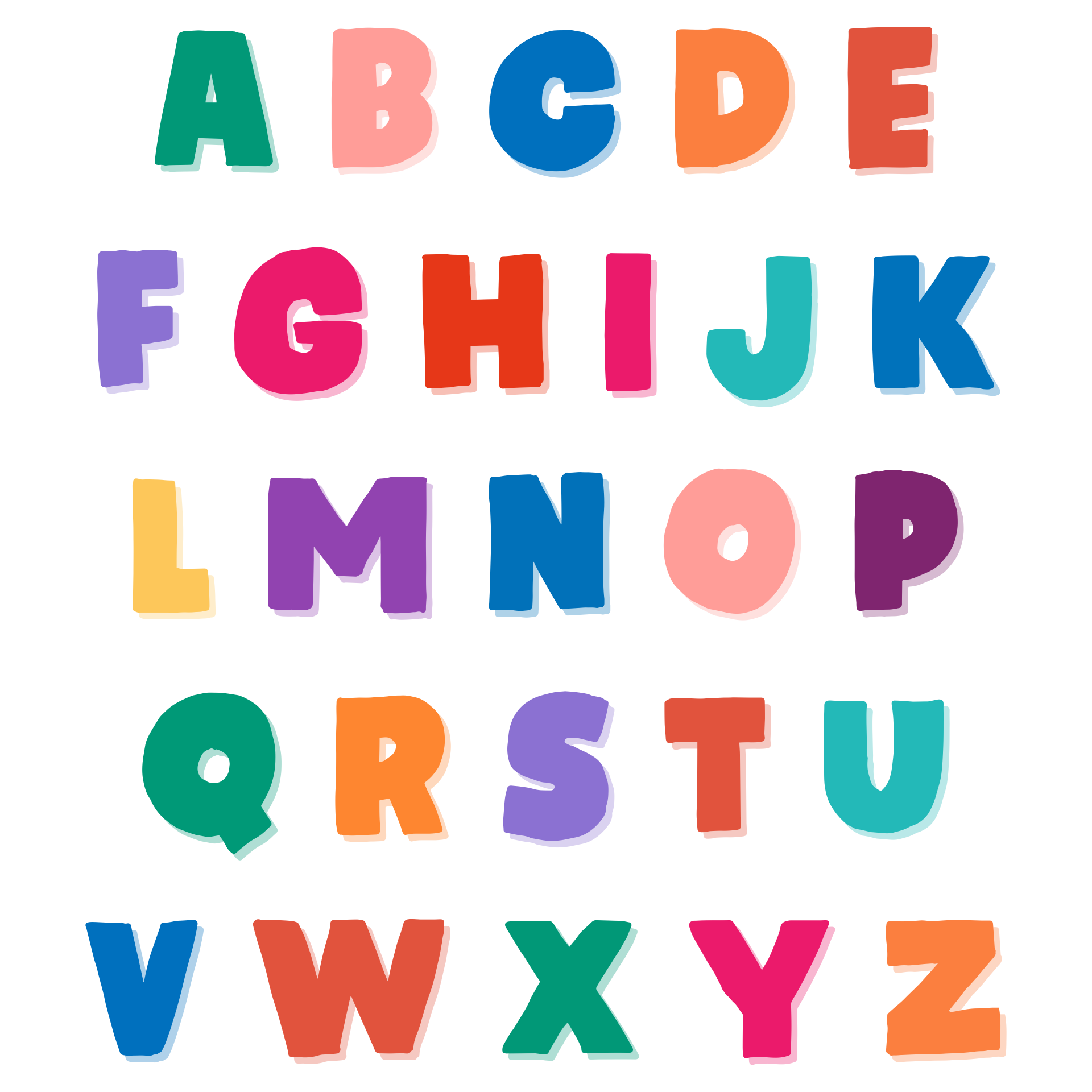
Colored alphabet letters can be a fantastic resource for teachers and parents looking to enhance children’s learning experiences. They offer a fun and visual way to engage students in various activities, from spelling games to art projects. This guide will walk you through how to effectively use colored alphabet letters to print and cut out, along with tips for optimal setup and usage in the classroom or at home.
Understanding the Resource: Colored Alphabet Letters
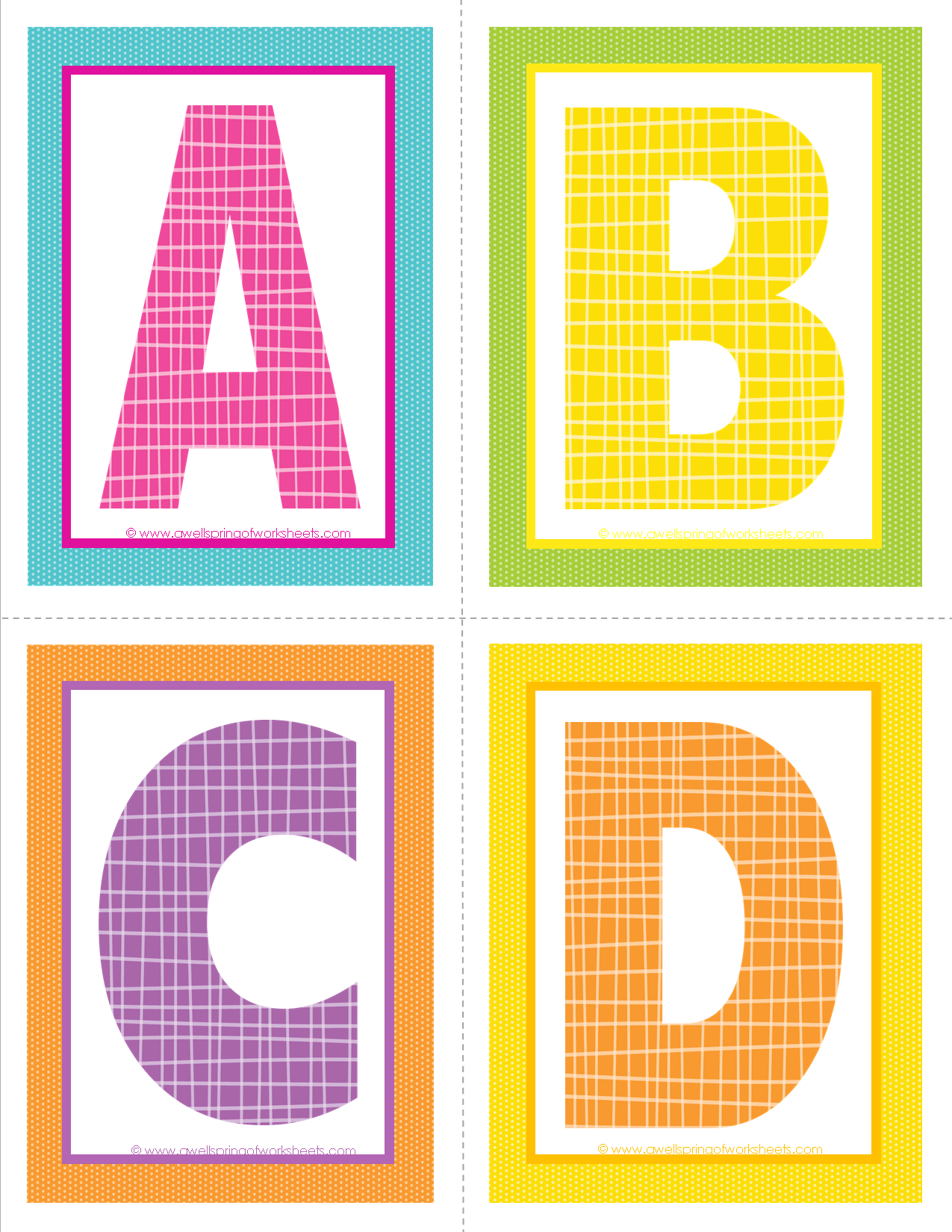
Colored alphabet letters to print and cut out are typically available in various styles and sizes, making them versatile for different educational needs. These resources often come in printable PDF formats, ensuring easy access and high-quality prints. Teachers can find letters in uppercase, lowercase, or both, which can be useful for different age groups and learning levels.
These letters can be used to reinforce letter recognition, spelling, and even creativity through arts and crafts. They are excellent tools for visual learners, as the colorful designs can grab attention and make learning more enjoyable.
Choosing the Right Format
When selecting colored alphabet letters, consider the format that best suits your needs. Most letters are available in:
- PDF format: Ideal for printing without formatting issues.
- Image files (JPEG, PNG): Good for digital projects or presentations.
Most teachers find PDFs the most reliable format since they maintain their quality across different devices and printers. Look for resources that specify the dimensions of the letters as well, since larger letters may work better for certain activities, like classroom displays.
Downloading and Printing Your Letters
Once you’ve chosen the right format, downloading the colored alphabet letters is typically straightforward. Here are some steps to ensure a smooth process:
- Select the Resource: Choose a source that offers a variety of letter styles.
- Download: Click the download button for the PDF or image file. Make sure to save it in a location that is easy to access.
- Open the File: Use a PDF reader or image viewer to open your downloaded file.
- Print Settings:
- Set your printer to “portrait” or “landscape” mode based on your layout preference.
- Use high-quality settings for the best print results.
- Consider using cardstock for durability if the letters will be cut out and handled frequently.
Cutting Out the Letters
After printing, it’s time to cut out the letters. Here are some practical tips to make this process easier:
- Use Sharp Scissors: A good pair of scissors will help you make clean cuts, especially around intricate designs.
- Cut Slowly: Take your time to avoid jagged edges.
- Consider Laminating: If you want the letters to last longer, consider laminating them before cutting. This is especially useful for classroom settings where they will be reused.
Creative Uses for Colored Alphabet Letters
Now that you have your colored alphabet letters ready, it’s time to explore how to use them effectively. Here are a few ideas:
Alphabet Games
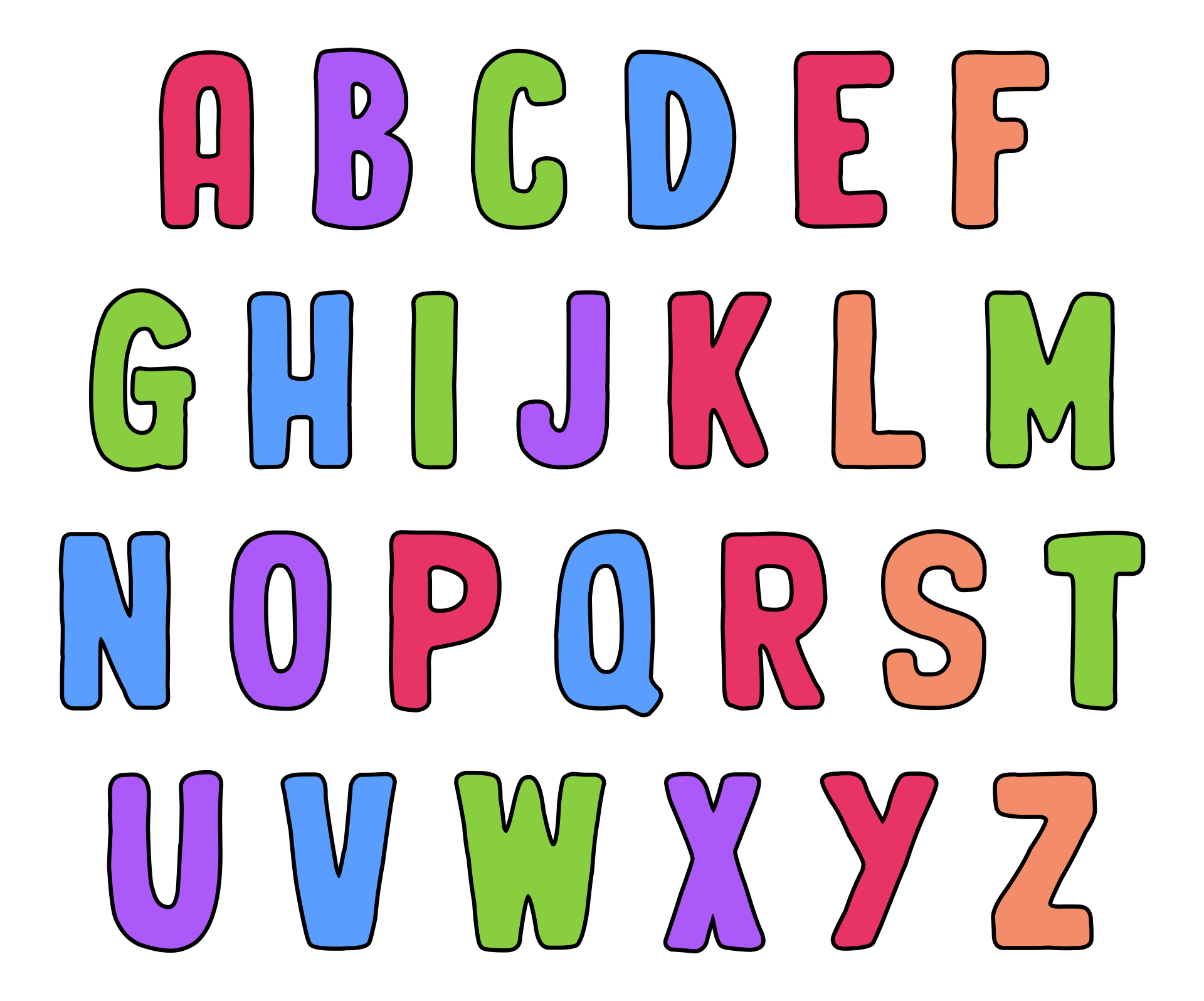
Create fun games that reinforce letter recognition and spelling. For example, lay out the letters and ask students to find specific letters or spell out their names.
Art Projects
Incorporate the letters into art projects. Kids can glue them onto construction paper to create colorful banners or collages. This not only enhances their fine motor skills but also fosters creativity.
Classroom Displays
Use the letters for bulletin boards or classroom displays. Arranging them in alphabetical order or spelling out motivational phrases can brighten up the classroom environment.
Learning Stations
Set up learning stations where students can practice spelling words using the letters. This hands-on approach can be especially beneficial for kinesthetic learners who grasp concepts better through interactive activities.
Tailoring Activities to Different Age Groups
The beauty of colored alphabet letters lies in their adaptability. Here’s how you can tailor activities for various age groups:
- Preschool (Ages 3-5): Focus on letter recognition and simple sound-letter associations. Use the letters in playful activities like matching games.
- Early Elementary (Ages 6-8): Introduce spelling and phonics games. Encourage students to use the letters to form simple words.
- Late Elementary (Ages 9-12): Challenge older students with more complex tasks, such as creating sentences or engaging in creative writing using the letters.
Organizing Your Letters for Easy Access
To make the most out of your colored alphabet letters, consider organizing them for easy access. Here are some tips:
- Use a Binder: Place cut-out letters in a clear binder with tabs for uppercase and lowercase letters.
- Storage Box: A small storage box with compartments can keep your letters organized and ready for use.
- Labeling: Label sections based on colors or fonts for quick identification.
Final Tips for Effective Use
Using colored alphabet letters can be a rewarding experience for both teachers and students. Here are a few final tips to enhance your usage:
- Incorporate Technology: Use a projector to display letters during lessons if available. This can help students who may struggle with handouts.
- Engage Parents: Share printable resources with parents for at-home learning activities. This fosters a connection between school and home learning.
- Monitor Progress: Keep track of which letters students struggle with and adjust your activities accordingly. This ensures that you are meeting their learning needs effectively.
By integrating colored alphabet letters into your teaching practices, you not only make learning fun but also cater to diverse learning styles. So, download your colored alphabet letters to print and cut out, and get started on creating engaging educational experiences today!