
In a cozy classroom, Ms. Thompson watched as her students excitedly gathered around their tables, each armed with a set of colorful markers and a stack of printable worksheets. Today’s lesson was all about creativity and learning—specifically, how to Color Your Own Alphabet Letters. As the children colored in their letters, she noticed how much they were enjoying the activity, while also reinforcing their understanding of the alphabet. This engaging hands-on approach not only kept them entertained but also helped them practice their letter recognition and fine motor skills.
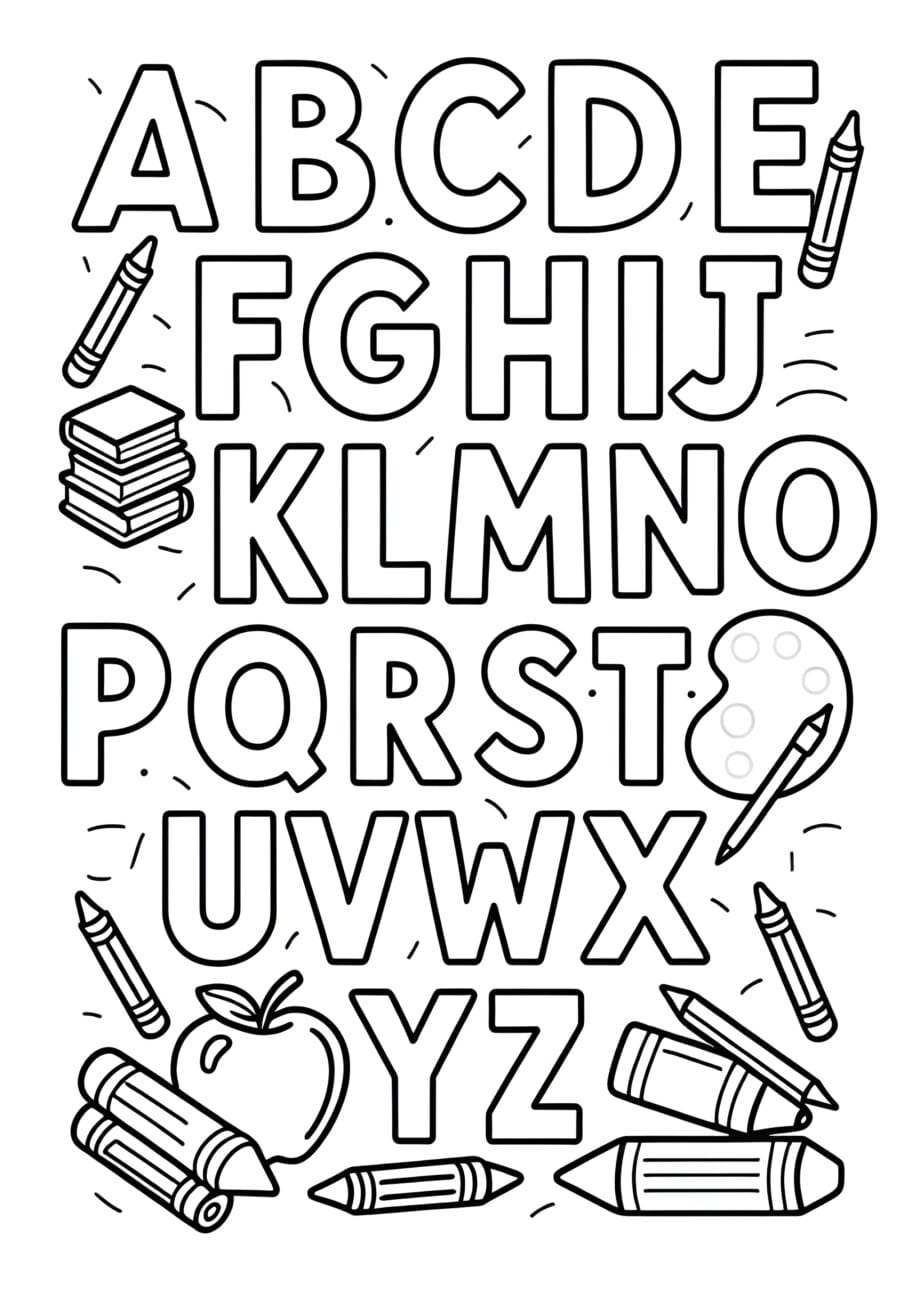
Understanding the Benefits of Coloring Letters
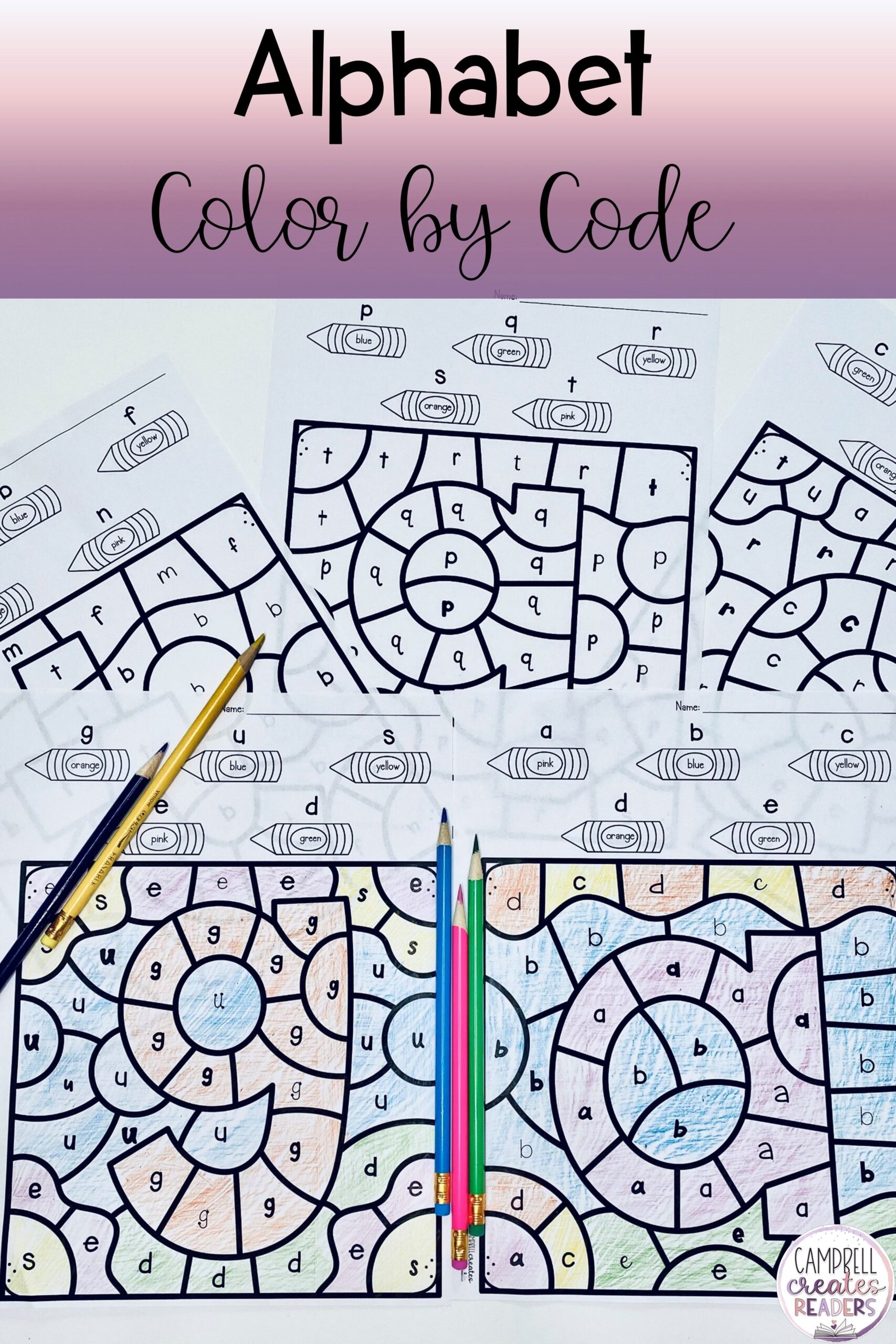
Coloring activities like Color Your Own Alphabet Letters provide numerous educational benefits, especially for young learners. They help develop fine motor skills as children practice holding crayons or markers to color inside the lines. This activity also promotes creativity, allowing children to express themselves through color choices and designs.
By integrating coloring with letter recognition, you can engage different learning styles. Visual learners benefit from seeing the letters in vibrant colors, while kinesthetic learners gain from the hands-on activity. This multi-faceted approach can make learning letters an enjoyable experience, rather than a chore.
Practical Setup for Your Coloring Activity
Setting up the Color Your Own Alphabet Letters activity is simple and requires minimal supplies. Here’s how you can prepare:
- Print the Worksheets: Download the alphabet letter coloring pages from a reliable printable resource website. Make sure to use high-quality paper, ideally cardstock, for durability, especially if you plan to display the finished letters.
- Gather Coloring Supplies: Crayons, markers, or colored pencils work well. If you have a variety of colors, encourage students to experiment with different color combinations.
- Create a Comfortable Workspace: Arrange tables or desks to provide enough space for each child. Ensure they have good lighting and access to their coloring supplies.
- Introduce the Activity: Start with a brief discussion about the letters of the alphabet. Ask students what their favorite letters are and why. This can spark their creativity before they begin coloring.
Incorporating Letter Learning Into the Activity
As your students color their letters, incorporate learning opportunities by asking questions that reinforce their understanding of the alphabet:
- Letter Sounds: Ask each child to say the sound of the letter they are coloring. For example, “What sound does the letter ‘B’ make?” This reinforces phonemic awareness.
- Word Associations: Encourage students to think of words that begin with the letter they are coloring. For instance, if they are coloring the letter “A,” they might say “apple” or “ant.”
- Visual Recognition: Show them images of objects that start with the corresponding letter as they color. This helps connect the letter to its meaning.
Spacing the Activity Across the Week
To reinforce learning, consider spreading the Color Your Own Alphabet Letters activity throughout the week. Here’s a suggested plan:
- Day 1: Focus on letters A to E. Spend time discussing each letter, its sound, and words associated with it, followed by the coloring activity.
- Day 2: Continue with letters F to J, repeating the same structure as Day 1.
- Day 3: Cover letters K to O. By now, students should be getting comfortable with the process.
- Day 4: Finish with letters P to Z. Encourage students to share their favorite letters or colors used during the week.
- Day 5: Host a mini art gallery where students can display their colored letters. Have them present their favorite letter and the word associated with it to the class.
Spacing the activity like this not only reinforces the letter recognition but also allows students to absorb the material more effectively. Repetition is key in learning, and this approach ensures that children engage with each letter multiple times.
Creative Uses for Finished Letters
Once your students have completed coloring their alphabet letters, there are several creative ways to use these finished products. Here are some ideas:
- Classroom Decor: Create a colorful alphabet wall display. Hanging the letters in order can help children visualize the alphabet as a whole.
- Learning Games: Use the letters for matching games. For example, some students can hold up their colored letters while others call out the corresponding sounds or words.
- Personalized Projects: Allow students to use their letters in personal projects, such as making their own alphabet books or cards. This adds a personal touch to their learning.
- Take-Home Activities: Encourage students to take their letters home to share with family, fostering a connection between school and home learning.
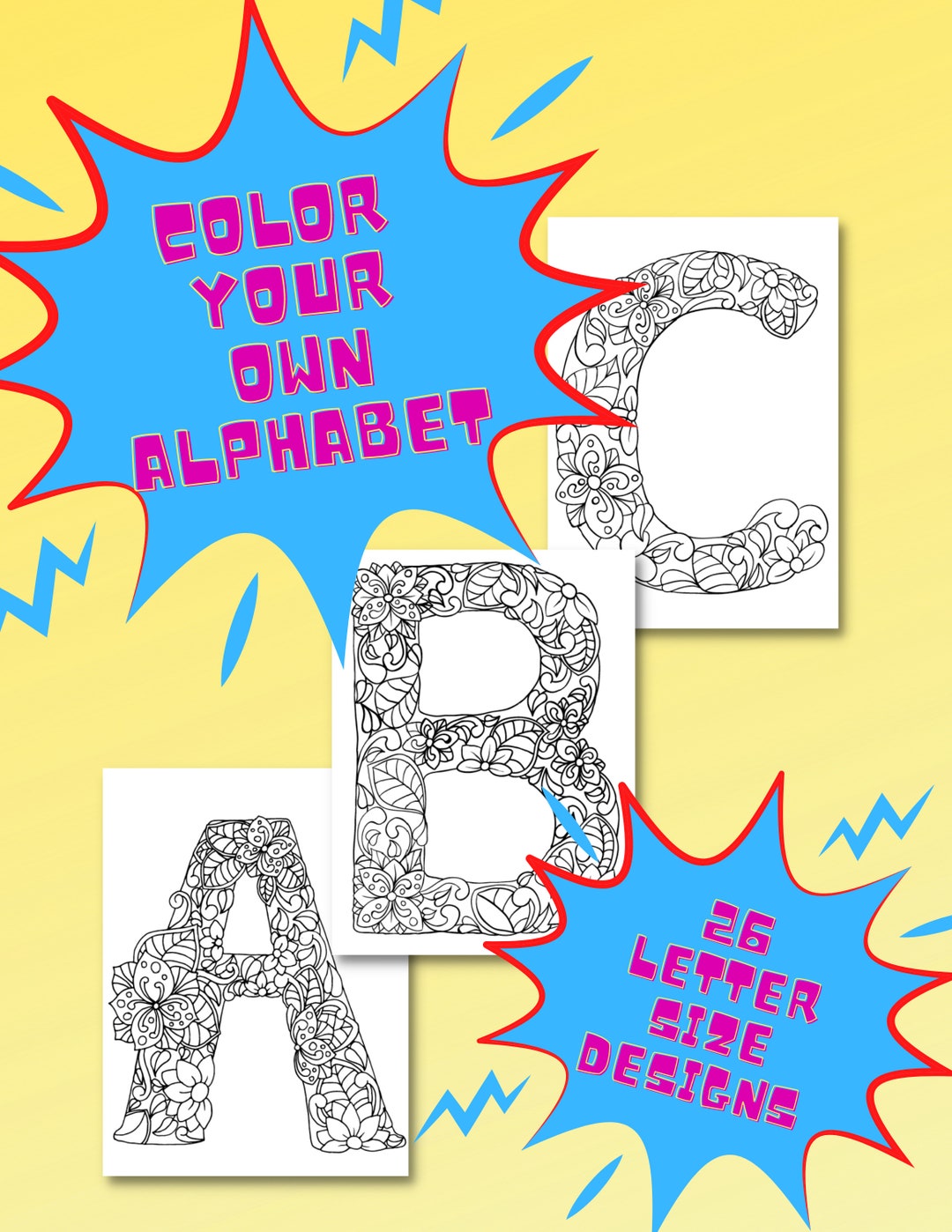
Tips for Success
To ensure your Color Your Own Alphabet Letters activity goes smoothly, consider these practical tips:
- Monitor Supply Levels: Keep an eye on your coloring supplies and replace them as needed. Having a variety of colors can keep the activity exciting.
- Encourage Collaboration: Allow students to work together on certain letters. This can spark discussions about colors and letter shapes, enhancing social interaction.
- Adapt for Different Ages: For younger children, focus on simpler designs. For older students, you can provide more intricate letters or even ask them to create patterns.
- Provide Positive Feedback: Celebrate creativity! Acknowledge unique color choices or creative designs to motivate students and build their confidence.
By implementing these tips, you can create an enriching experience that blends fun and learning seamlessly.
Using Color Your Own Alphabet Letters in your classroom or homeschool can be a delightful way to reinforce foundational literacy skills. With a bit of preparation and creativity, this activity will not only engage children but also foster a love for learning letters that can last a lifetime. So grab those coloring supplies, print out those worksheets, and let the creativity flow!