
Using color sheets for kindergarten letters is an effective way to captivate young learners while teaching essential literacy skills. These printable resources not only make the learning process enjoyable but also provide a hands-on approach to mastering the alphabet. Below, I’ll guide you through the benefits, practical uses, and key features of these color sheets, ensuring you can effectively implement them in your classroom or homeschool setting.
Understanding the Purpose of Color Sheets
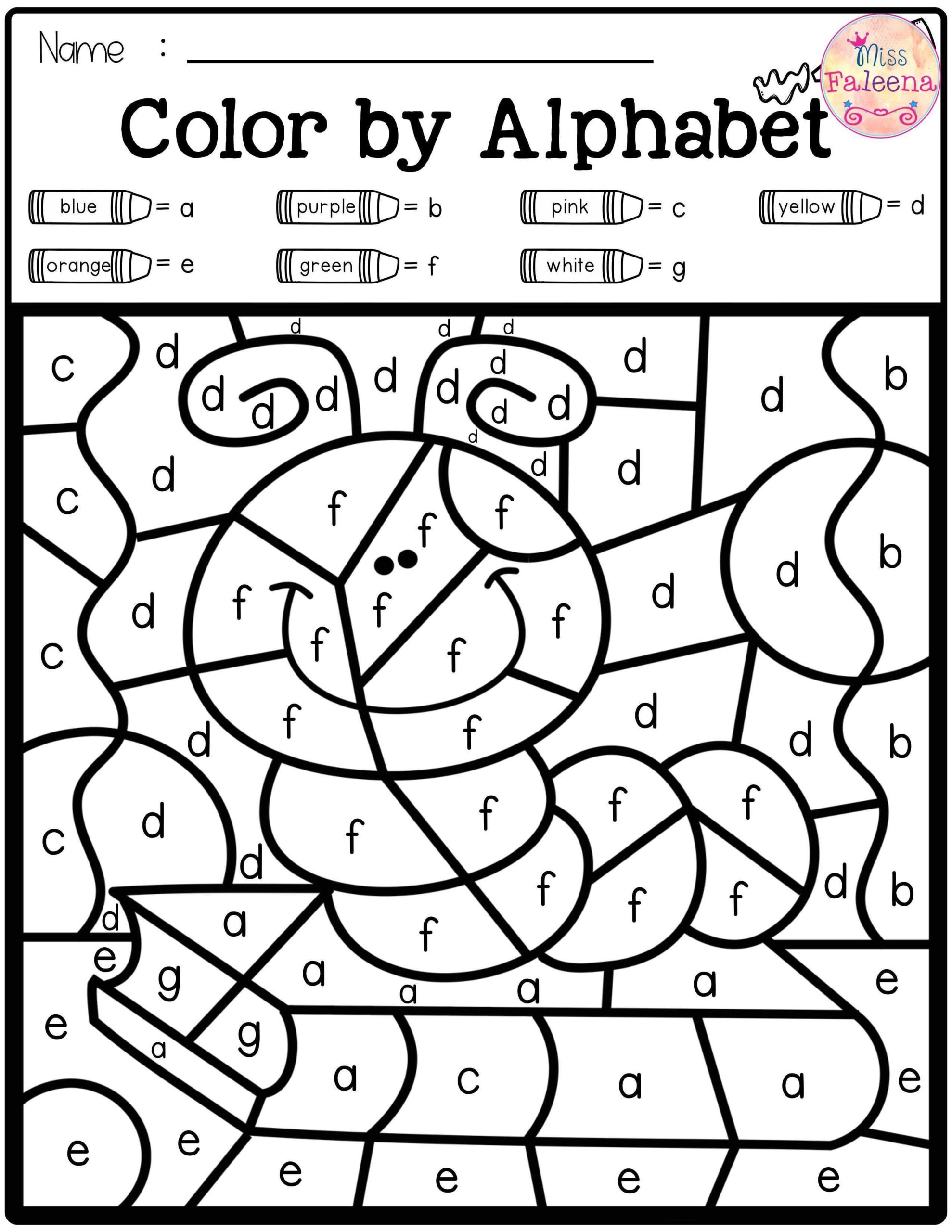
Color sheets for kindergarten letters serve multiple educational purposes. They help children recognize letters, associate them with corresponding sounds, and develop fine motor skills through coloring activities. By incorporating these sheets into your teaching strategy, you can create an interactive learning environment.
For example, when a child colors a letter “A,” they can simultaneously learn to identify it and understand its sound, such as in the word “apple.” This multi-sensory approach is highly effective for young learners. Additionally, the act of coloring helps to strengthen their grip and hand-eye coordination.
Features of Effective Color Sheets
When choosing color sheets for kindergarten letters, certain features can enhance their effectiveness:
- Clear Letter Representation: Each sheet should prominently display a letter of the alphabet. This ensures that children can focus on the letter shape and form.
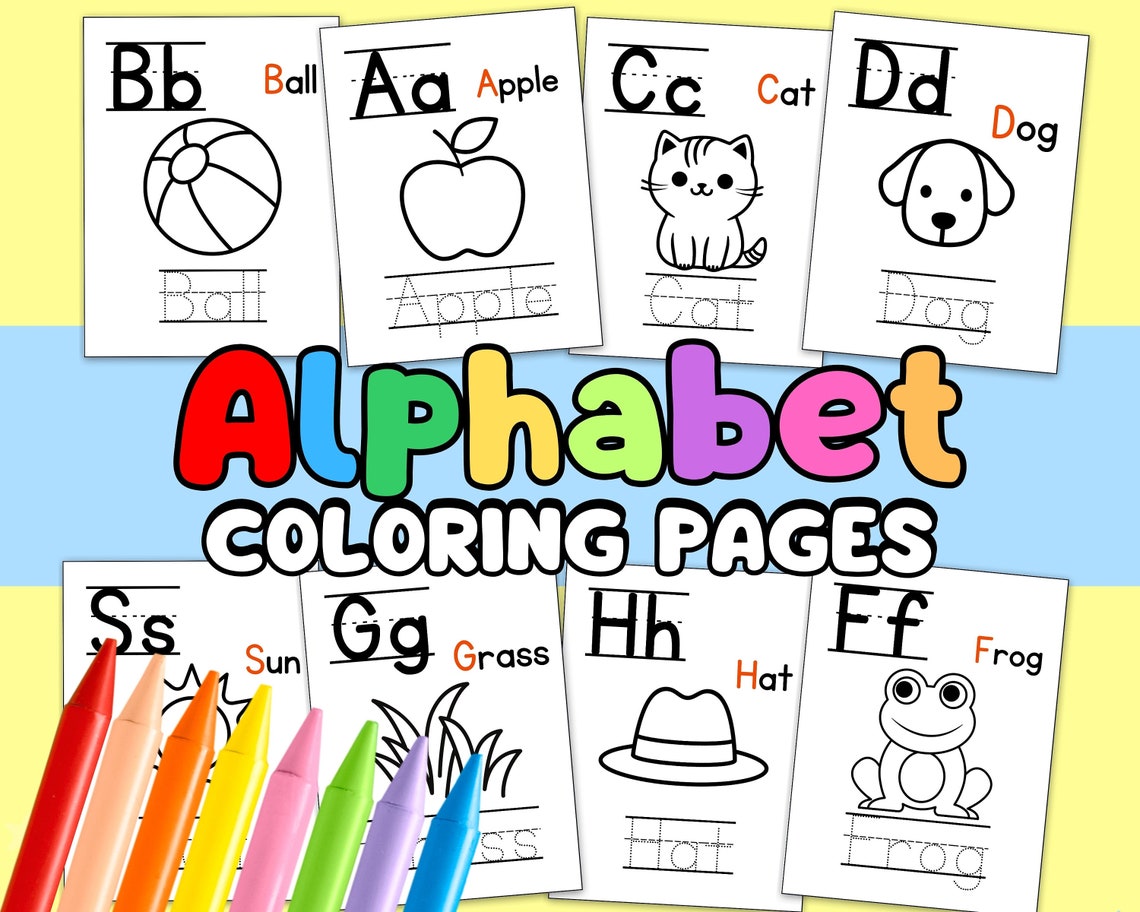
- Engaging Illustrations: Incorporating illustrations related to the letter can make the activity more engaging. For example, a sheet featuring “B” could include a picture of a bear or balloon.
- Varied Complexity: It’s beneficial to have sheets with varying levels of complexity. Some children may need simpler designs while others might enjoy more intricate patterns.
- Printable Format: Ensure the resources are in a printable format like PDF, which retains the layout and quality when printed.
How to Use Color Sheets in the Classroom
Here are some practical steps to effectively integrate color sheets for kindergarten letters into your teaching routine:
1. Introduce the Letter
Begin by introducing the letter of the day. Display it on a board and discuss its sound, shape, and any words that begin with it. Engage the students with questions, such as “Can anyone think of a word that starts with ‘C’?”
2. Distribute the Color Sheets
Hand out the color sheets featuring the letter. Make sure each child has their materials ready, including crayons or colored pencils. You can also encourage them to use different colors for the letter and its associated illustrations.
3. Encourage Discussion
As students color, encourage them to talk about the letter. Ask them what objects they can think of that start with the letter and if they can come up with sentences using those words. This reinforces their understanding of the letter’s use in language.
4. Display Their Work
Once the students finish coloring, create a display area in the classroom where their artwork can be showcased. This not only boosts their confidence but also serves as a visual reminder of their learning.
Checking for Mastery
To assess whether the concept of letter recognition has clicked for your students, you can use various methods:
- Letter Quizzes: After a week of using color sheets, conduct a simple quiz where you show letters and ask the students to identify them.
- Interactive Games: Incorporate games where students have to match letters with their corresponding pictures. For instance, show a picture of a cat and have them identify the letter “C.”
- Peer Teaching: Pair students up and have them teach each other about the letters they’ve learned. This encourages collaboration and reinforces their knowledge.
Where to Find Quality Color Sheets
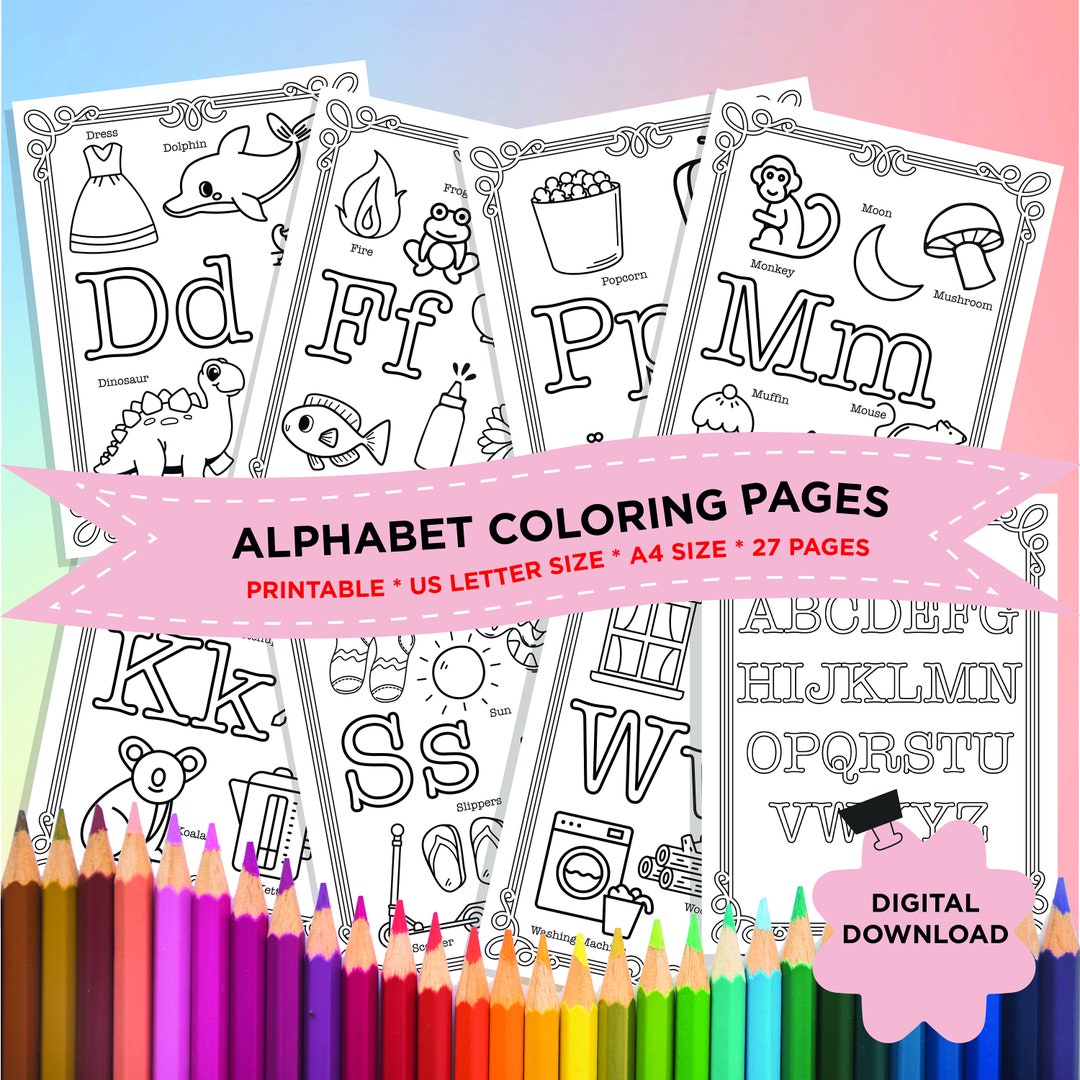
There are numerous online resources where you can access high-quality color sheets for kindergarten letters. Look for sites that specialize in educational printables. Many platforms offer free downloads, while others may provide more extensive collections for a nominal fee.
When selecting resources, ensure they are designed specifically for kindergarten learners. The sheets should be visually appealing and appropriately challenging for young children.
Additional Activities to Reinforce Learning
In addition to using color sheets, consider incorporating other activities to reinforce letter recognition:
- Letter Tracing: Provide worksheets where children can trace letters with their fingers or pencils.
- Alphabet Games: Use games like “Alphabet Bingo” or “Letter Scavenger Hunts” to make learning dynamic.
- Storytime Integration: During storytime, choose books that emphasize letters and sounds. This can further solidify their understanding in a contextual setting.