
Teaching children the Braille alphabet can be a rewarding experience, particularly for young learners who are visually impaired or learning about Braille as part of an inclusive curriculum. A well-designed Braille Alphabet Worksheet For Kids serves as a vital educational tool, helping to familiarize students with the unique tactile writing system used by people who are blind or have low vision. In this guide, we’ll explore how to effectively use this worksheet, the skills it develops, and practical tips for its implementation in various learning environments.
Understanding the Braille Alphabet
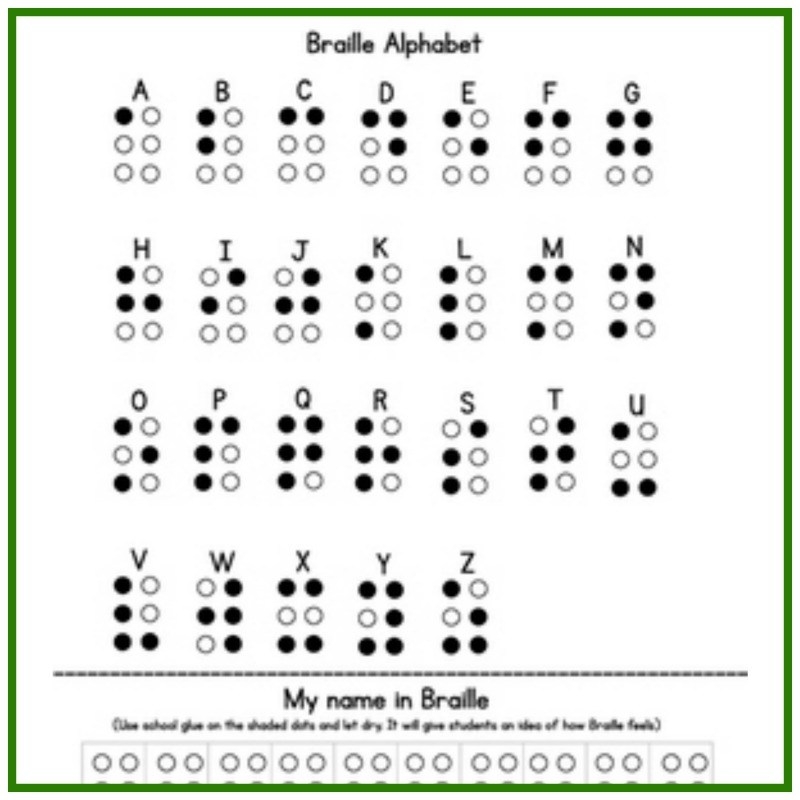
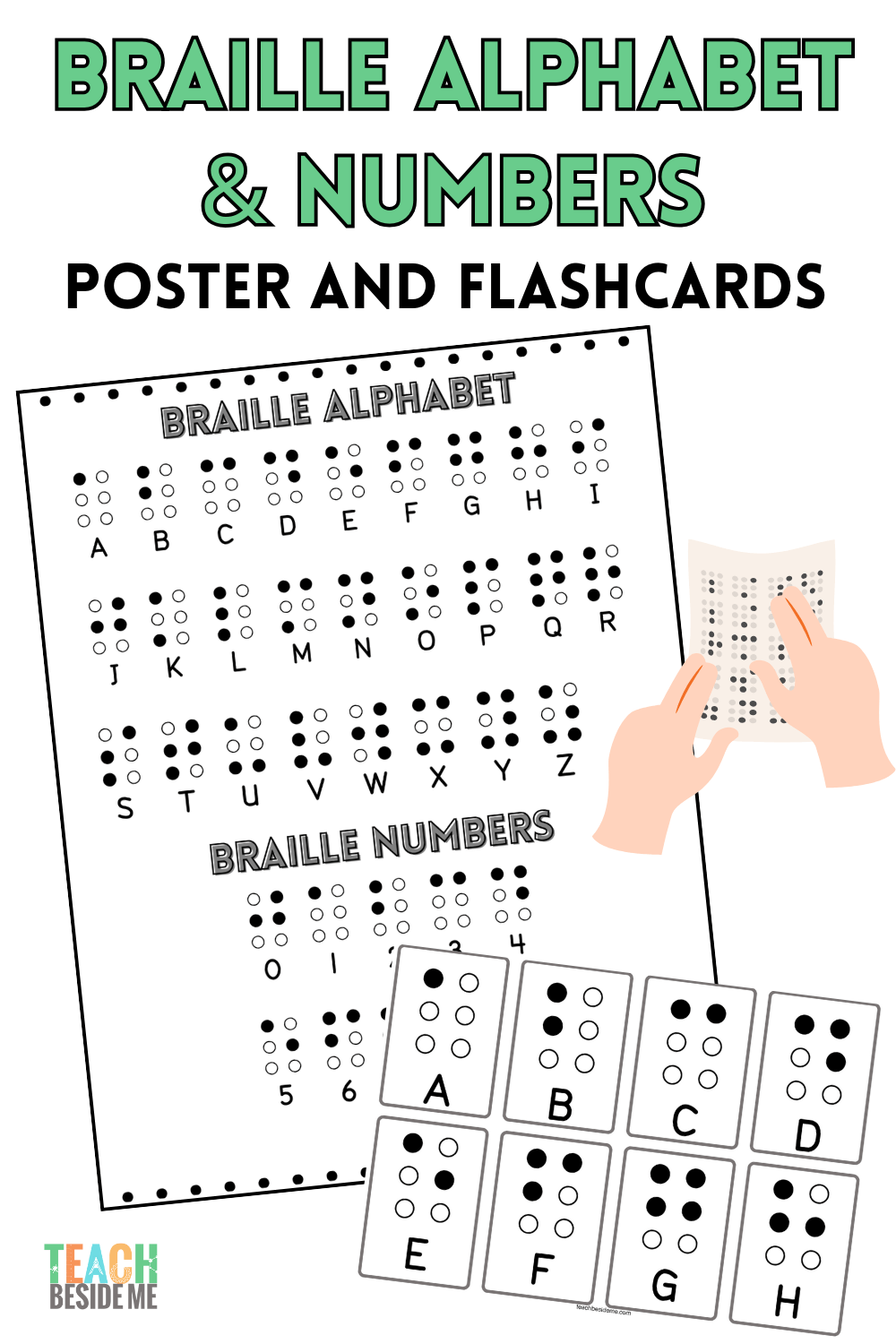
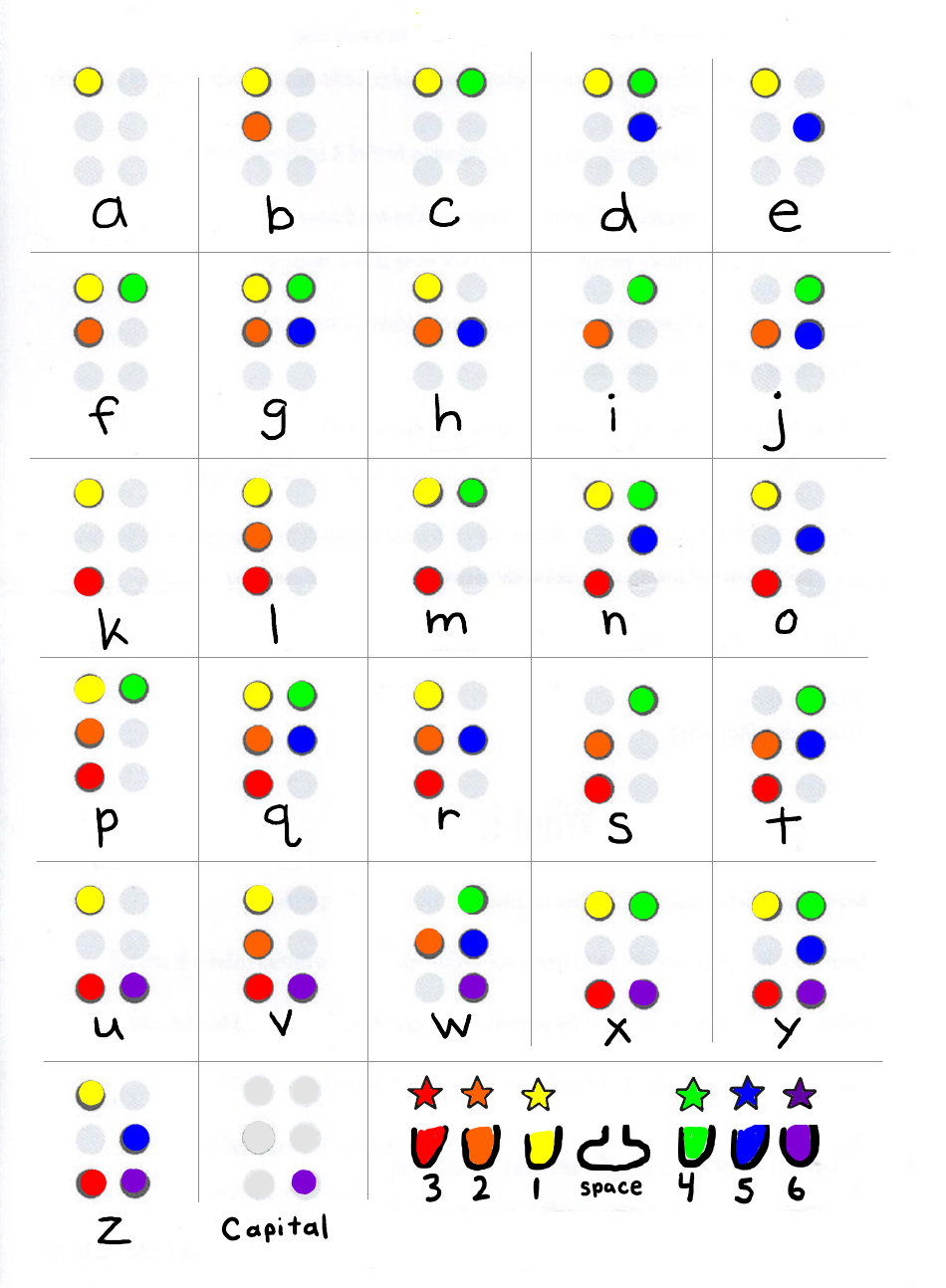
Before diving into the specifics of the worksheet, it’s essential to understand what the Braille alphabet consists of. Braille is made up of a series of raised dots arranged in cells of up to six dots. Each letter of the alphabet corresponds to a different combination of these dots.
For example:
- The letter “A” is represented by a single dot in the upper left corner.
- The letter “B” has two dots: one in the upper left and one directly below it.
By utilizing a Braille alphabet worksheet, kids can learn to recognize these patterns visually and tactually, fostering both literacy and awareness of different communication methods.
Key Features of the Worksheet
When selecting a Braille Alphabet Worksheet For Kids, look for the following features to maximize its educational value:
- Clear Layout: Ensure the worksheet has a simple, easy-to-follow design. A clutter-free layout helps kids focus on their learning.
- Tactile Elements: Some worksheets include raised dots or textured elements that allow students to physically feel the Braille letters.
- Visual Aids: It can be beneficial to have visual representations of the letters alongside the Braille cells, helping kids connect the two systems.
- Interactive Activities: Worksheets that encourage writing in Braille or matching letters to words promote engagement and practical application.
Tips for Using the Worksheet in the Classroom
Using a Braille alphabet worksheet effectively requires some planning and adaptability. Here are practical tips to ensure your students gain the most from this resource:
- Introduce the Basics: Start with a brief introduction to Braille, explaining its history and importance. This context can enhance students’ appreciation for the learning process.
- Hands-On Practice: Encourage children to trace the Braille letters with their fingers. This tactile exploration reinforces memory and recognition.
- Incorporate Games: Use the worksheet as part of games or group activities. For example, you could create a matching game where kids pair Braille letters with corresponding alphabet cards.
- Track Progress: As students complete the worksheet, keep a record of their progress. This can help you identify areas where they may need additional support or practice.
- Personalize Learning: Differentiate instruction by providing additional resources or challenges based on individual student needs. Some may need more time to master the Braille alphabet, while others might be ready for more complex tasks.
Suitable Age and Grade Levels
The Braille Alphabet Worksheet For Kids is ideally suited for elementary-aged students, typically ranging from kindergarten to 5th grade. However, it can also be adapted for older students who are just beginning to learn Braille. The worksheet’s difficulty can be modified by varying the complexity of the activities or by introducing additional Braille symbols beyond the standard alphabet.
Practical Printing and Usage Tips
To maximize the utility of your Braille alphabet worksheet, consider the following practical printing and usage tips:
- Paper Type: Use sturdy cardstock or heavier paper for durability, especially if the worksheet will be handled multiple times.
- Printer Settings: For best results, set your printer to a high-quality print option. This ensures that the visuals are clear and easy to read.
- Accessibility: If possible, provide digital versions of the worksheet for students who may have difficulty with physical copies. PDFs can be useful for this and are easily sharable.
Enhancing Learning With Additional Resources
While the Braille Alphabet Worksheet is a powerful standalone tool, it can be even more effective when combined with additional resources. Consider incorporating:
- Braille Books: Look for age-appropriate Braille books that can reinforce the letters learned in the worksheet.
- Braille Reading Apps: There are several educational apps designed to teach Braille in a fun and interactive manner, which can complement the worksheet’s exercises.
- Workshops or Guest Speakers: Inviting someone who uses Braille regularly can provide students with real-world insights into its importance and usage.