
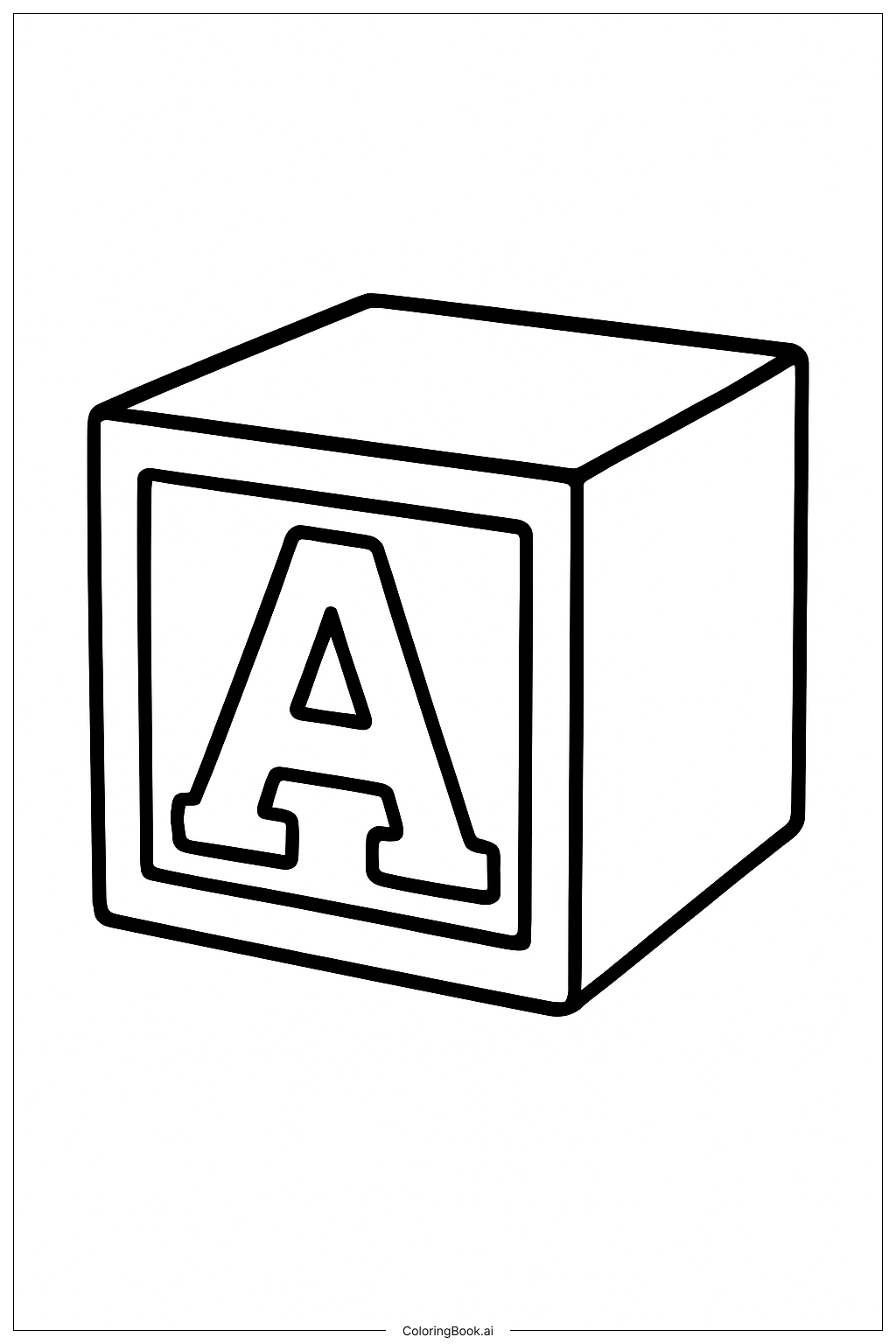
The Block Letter A Coloring Page is a fantastic resource for teachers and parents looking to enhance their students’ or children’s learning experiences. This particular coloring page stands out because it combines the fun of coloring with the educational aspect of letter recognition. Not only does it help young learners familiarize themselves with the letter “A,” but it also encourages their artistic expression. In this article, we will explore the benefits of using this coloring page, how to effectively implement it in a classroom or home setting, and what mastery looks like when students engage with this resource.
Understanding the Layout and Design of the Coloring Page
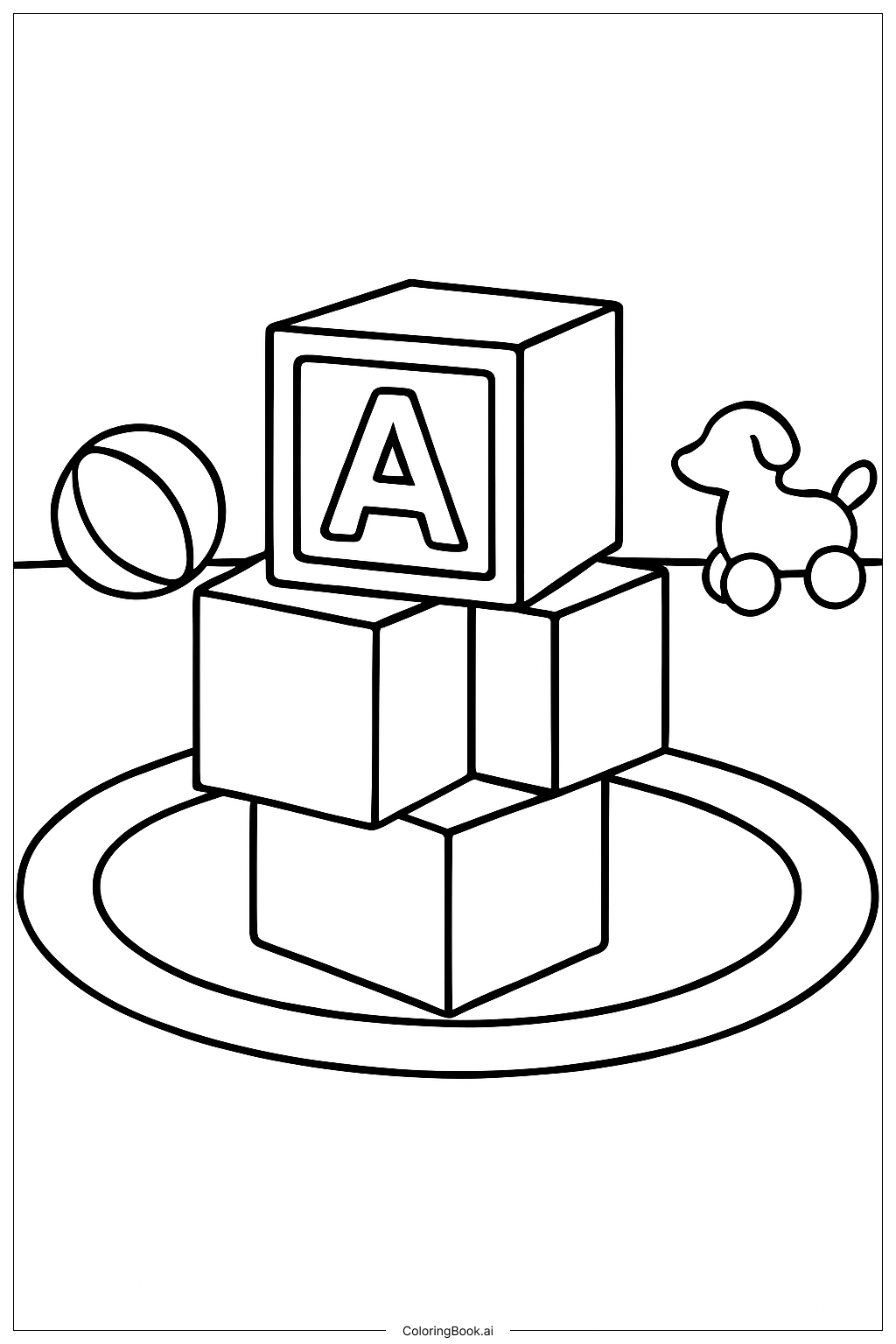
The Block Letter A Coloring Page typically features a large, bold letter “A” designed for easy coloring. The simplicity of the layout allows children to focus on the letter itself, making it an excellent tool for various educational activities. The letter is often surrounded by fun illustrations, either related to words that begin with “A” (like apple, alligator, or airplane) or abstract designs that make the coloring experience more enjoyable.
The size of the letter is crucial; it should be large enough for children to color without feeling constrained. This encourages them to be creative—whether they want to fill the letter with patterns or stick to solid colors. The clean lines of the block letter make it easy to color within the lines, which is important for developing fine motor skills.
Age Appropriateness and Skill Development
This coloring page is suitable for preschoolers and early elementary students, typically ages 3 to 7. At this stage, children are not only learning to recognize letters but are also beginning to write them. Encouraging children to color the Block Letter A helps reinforce their understanding of the shape and form of the letter.
When using this resource, you can incorporate various skills into your lesson plan. For instance, you can ask students to:
- Identify words that start with the letter “A.”
- Practice writing the letter “A” in both uppercase and lowercase forms.
- Discuss the sounds associated with the letter.
As students engage with the coloring page, you’ll want to look for signs of mastery. Are they able to color within the lines? Can they identify words that begin with “A”? These indicators show that the concept is clicking.
Practical Uses in the Classroom
Using the Block Letter A Coloring Page in your classroom can be both fun and educational. Here are a few practical applications:
- Warm-up Activity: Start the day by handing out the coloring page as a warm-up. This gives students a chance to settle down and focus while also practicing their coloring skills.
- Letter Recognition Stations: Set up learning stations where students can rotate through various activities. One station could be dedicated to the Block Letter A Coloring Page, reinforcing letter recognition alongside other activities like letter matching games or phonics exercises.
- Art Integration: Combine art and literacy by allowing students to decorate their coloring pages with materials like stickers or glitter. This adds an extra layer of engagement and makes the activity more enjoyable.
- Home Connection: Encourage parents to use the coloring page at home. This can help reinforce what students are learning in class and provide a bonding experience between parents and children.
Mastery Indicators and Progress Assessment
As students work on the Block Letter A Coloring Page, you’ll want to assess their progress. Look for the following indicators of mastery:
- Coloring Technique: Are they able to color within the lines? This simple skill is an important milestone in developing fine motor skills. If a child struggles, they may need additional practice with coloring or cutting.
- Letter Recognition: Can they identify the letter “A” among other letters? You might ask them to point out other letters in the classroom or on worksheets after they complete the coloring page.
- Sound Association: Are they able to name words that start with “A”? This demonstrates their understanding of phonics and letter-sound relationships.
By keeping an eye on these aspects, you can tailor future lessons to target any areas where students may need more support.
Downloading and Printing the Coloring Page
The Block Letter A Coloring Page is often available in PDF format, making it easy to download and print. When preparing to print, consider the following tips:
- Paper Type: Use standard printer paper for regular coloring use. If you plan to laminate the pages for repeated use, opt for heavier cardstock, which holds up better to repeated coloring.
- Print Settings: Ensure your printer settings are set to “Fit to Page” or “Actual Size” to maintain the proportions of the letter. This will prevent any distortion that could make the coloring page less effective.
- Color vs. Black and White: Depending on your classroom needs, you can choose to print in color or black and white. A black and white version allows children to color the letter themselves, while a color version can serve as a reference for younger children.
Enhancing the Learning Experience
To further enrich the experience surrounding the Block Letter A Coloring Page, consider adding some interactive elements:
- Story Time: Read a story that features words starting with the letter “A” after they complete their coloring. This reinforces their learning and builds enthusiasm around the letter.
- Letter Hunt: After the coloring activity, go on a letter hunt around the classroom to find items that start with “A.” This helps solidify their understanding through real-world connections.
- Group Activities: Organize a group coloring session where students can share their creations and discuss what they colored. This fosters collaboration and communication skills.
Using the Block Letter A Coloring Page in these ways can help create a dynamic learning environment where children feel encouraged to express themselves while mastering essential literacy skills.
Ultimately, this resource is not just a coloring page; it’s a versatile tool that can support various learning objectives in a fun and engaging manner. Whether you use it as a stand-alone activity or as part of a more extensive lesson, the potential for learning is vast. Consider how you can integrate this simple coloring page into your broader teaching strategy today!