
Understanding the correct sequence of letters in the alphabet is a foundational skill for early literacy development. Teachers often seek resources that can help reinforce this concept in a fun and engaging way. Blank Sequencing Letters Of The Alphabet Worksheets offer a practical solution to this need, allowing students to practice letter order while developing essential writing skills.
What Are Blank Sequencing Letters Of The Alphabet Worksheets?
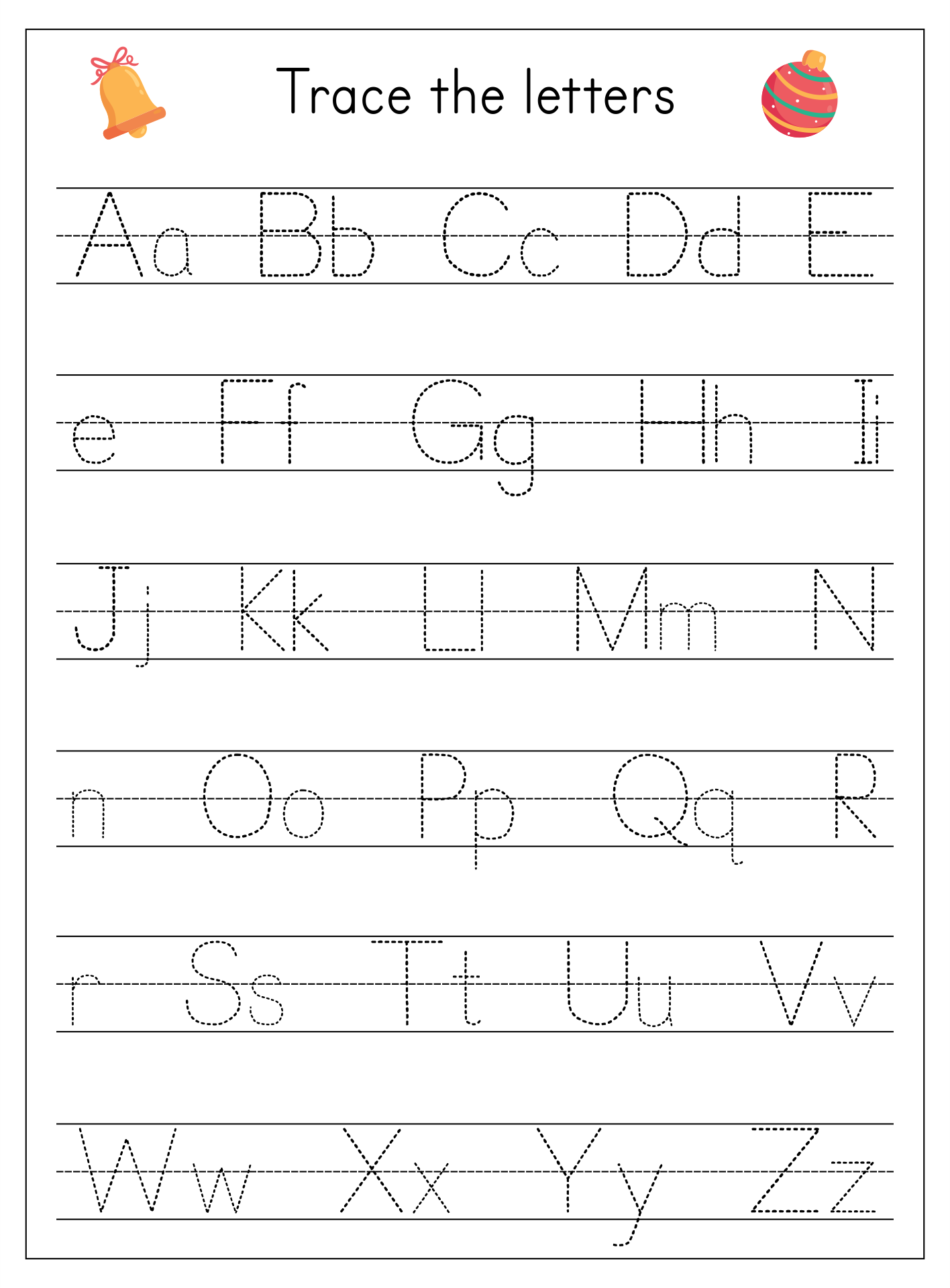
Blank Sequencing Letters Of The Alphabet Worksheets are specifically designed resources that provide a framework for students to fill in the letters of the alphabet in the correct order. These worksheets typically include a series of blank spaces, where students can write the letters themselves after being prompted or shown examples. This hands-on approach helps solidify their understanding of the alphabet sequence, which is vital for reading and writing.
These worksheets are suitable for preschool and early elementary students, typically in grades Pre-K to 1st grade. The interactive nature of these worksheets makes them ideal for both classroom and homeschooling environments.
How to Use Blank Sequencing Letters Of The Alphabet Worksheets
To get the most out of these worksheets, follow this simple workflow: choose, download, print, set up, and use the resource effectively.
Step 1: Choose the Right Worksheet
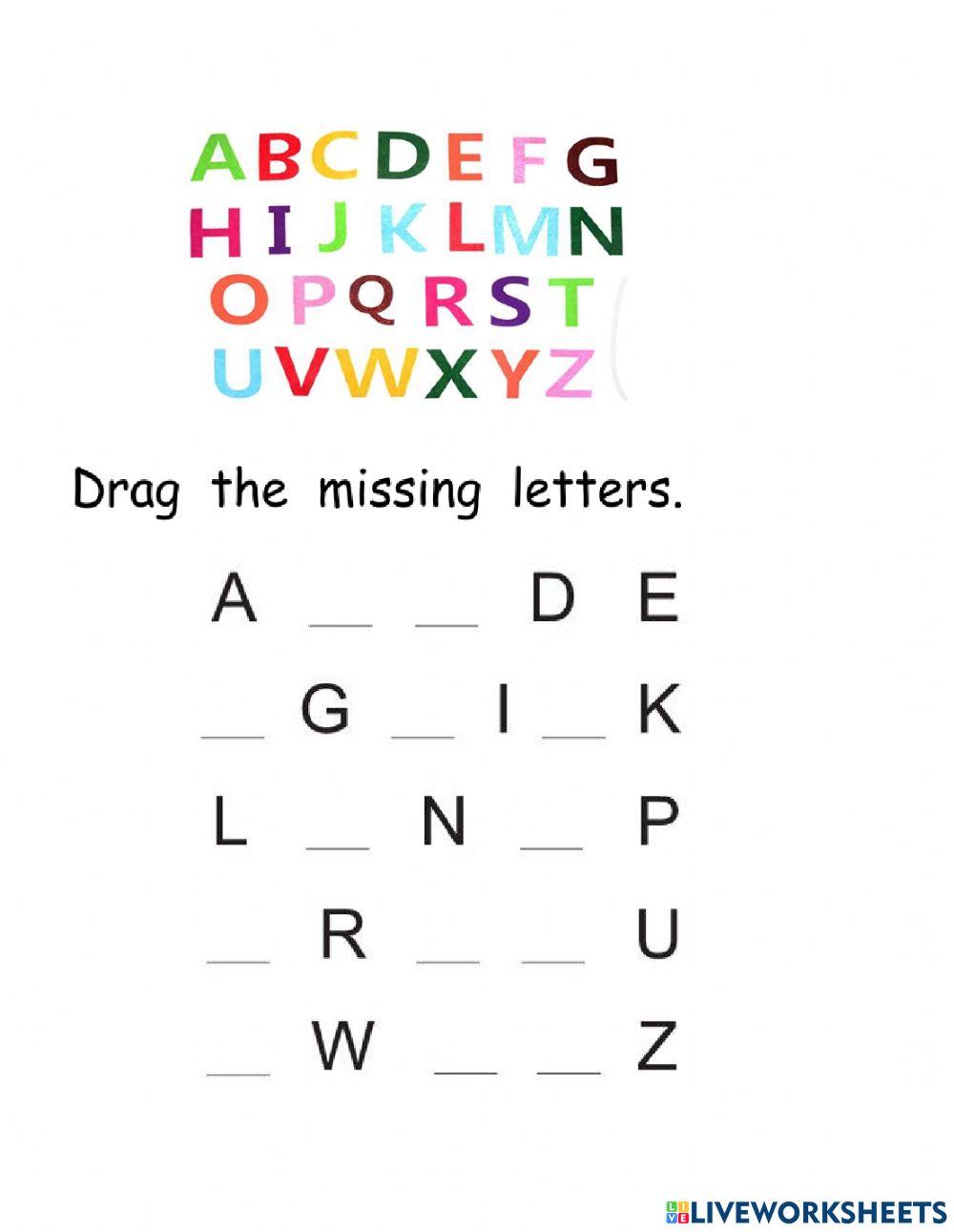
Select a worksheet that matches your students’ skill levels. Some worksheets may provide pictures or themes that can make the activity more engaging. Look for variations that might include different designs or formats to cater to diverse learning styles.
Step 2: Download the Worksheet
Once you’ve chosen a suitable worksheet, download it. Ensure that you’re getting a high-quality PDF version to avoid any formatting issues when printing. PDFs typically retain their layout better than image files, ensuring your students have a clear and organized worksheet.
Step 3: Print the Worksheet
When printing, use standard letter size (8.5” x 11”) paper for easy handling. If your students are likely to reuse the worksheets, consider using cardstock for durability or even laminating them. This way, students can practice writing with dry-erase markers, allowing for repeated use without wasting paper.
Step 4: Set Up the Activity
Organize the classroom or learning space to facilitate the activity. Provide students with the necessary writing tools, such as pencils or markers. Depending on your classroom setup, you might want to distribute worksheets individually or have them available at a center for students to access as they complete other tasks.
Step 5: Use the Worksheet
Begin the activity by explaining the objective clearly. Encourage students to say the letters aloud as they write them down. This reinforces their learning auditory and visually. You can also incorporate games or group discussions around the alphabet to further engage students. For example, ask them to sing the alphabet song before they start filling in the blanks.
Spacing Practice Over a Week
Repetition is crucial when learning the alphabet. Instead of completing the worksheet in one sitting, consider spacing the practice across a week. This approach helps reinforce memory retention. For instance, you could assign one worksheet per day, focusing on different letters each time.
Additionally, you could incorporate related activities, such as:
- Letter Scavenger Hunts: Have students find items that start with specific letters.
- Alphabet Games: Use flashcards or online games that reinforce letter sequencing.
- Story Time: Read books that emphasize alphabet sequences, allowing students to connect letters with words.
The Importance of Repetition
Repetitive practice not only helps with memorization but also builds confidence in students. When they see their progress over multiple days, they are more likely to feel accomplished and motivated to continue learning.
Incorporating Blank Sequencing Letters Worksheets Into Lesson Plans
Integrating these worksheets into your lesson plans can enhance overall literacy instruction. Here are a few ways to incorporate them effectively:
- Daily Warm-ups: Start each day with a quick alphabet review using the worksheets.
- Assessment Tools: Use completed worksheets to assess students’ understanding and identify those who may need additional support.
- Group Work: Have students work in pairs or small groups to complete the worksheets, fostering collaboration and peer learning.
Additional Resources
To complement the Blank Sequencing Letters Of The Alphabet Worksheets, consider integrating other resources such as:
- Alphabet Coloring Pages: These can help reinforce letter recognition while allowing for creative expression.
- Flashcards: Use alphabet flashcards for quick drills and recognition exercises.
- Interactive Games: Websites and apps that focus on letter sequencing can provide engaging practice opportunities.
A Final Tip for Effective Use
When using Blank Sequencing Letters Of The Alphabet Worksheets, make sure to encourage students to say the letters aloud as they write. This multi-sensory approach—combining auditory, visual, and kinesthetic learning—can significantly enhance their understanding and retention of the alphabet sequence. This practice not only makes learning more enjoyable but also helps solidify their foundational literacy skills.