
Blank Letters To Colour In resources serve as excellent tools for enhancing creativity and letter recognition among young learners. These printable templates allow children to engage in a fun activity while developing essential skills. guide teachers and parents on how to effectively choose, download, print, and implement these resources in educational settings.
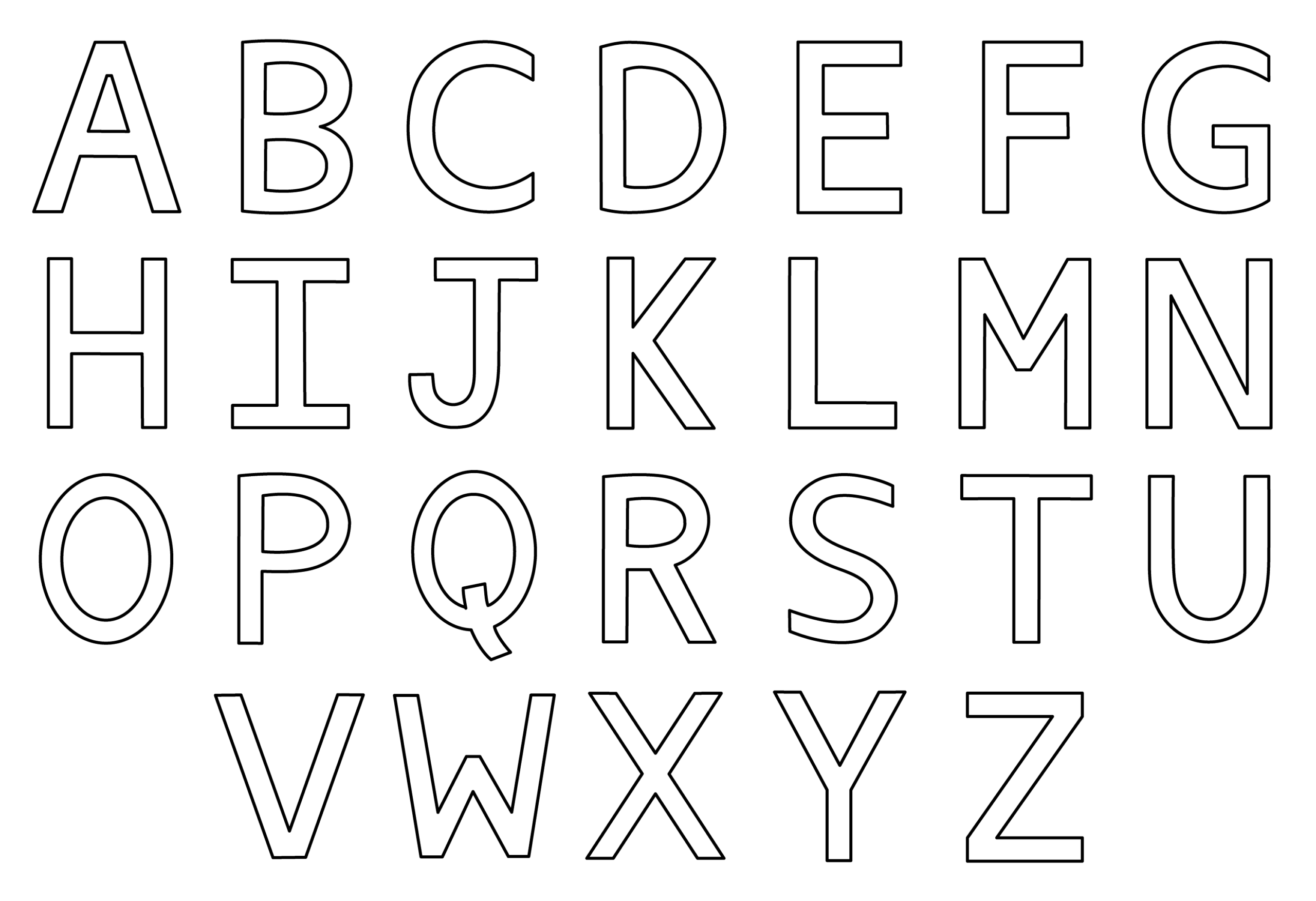
Understanding the Value of Blank Letters To Colour In
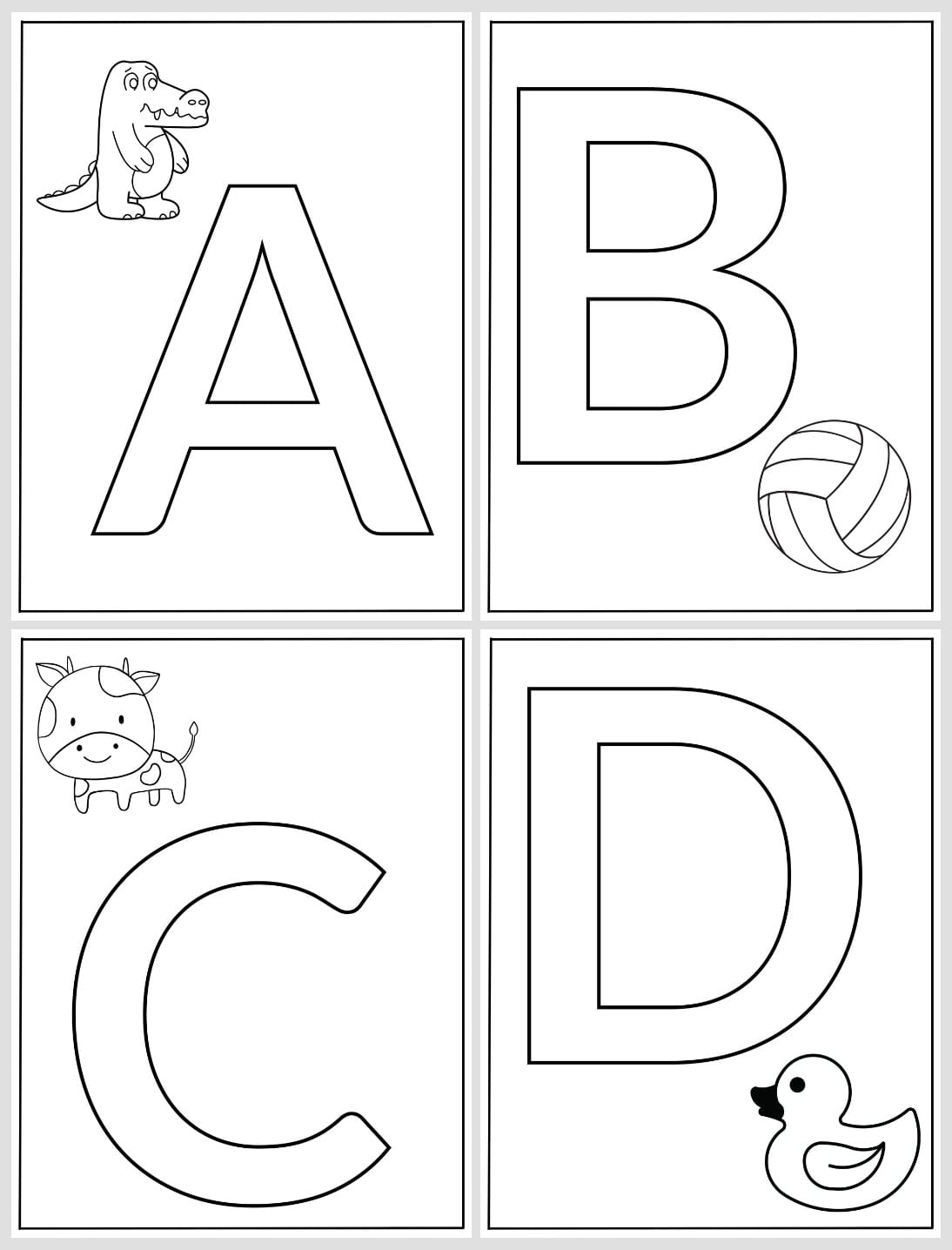
Blank letters to colour in are not just simple coloring pages; they are versatile educational tools. They help children improve fine motor skills, hand-eye coordination, and letter recognition. Engaging in coloring activities encourages children to focus and develop patience. Moreover, these resources can be tailored for various educational themes, making them suitable for different subjects and lessons.
When selecting blank letters to colour in, consider the age and skill level of your students. For preschoolers and kindergarteners, larger letters with simple designs work best. As children progress to first and second grade, you can introduce more intricate designs that challenge their creativity while reinforcing their learning.
Where to Find Quality Blank Letters
Finding quality printable blank letters is straightforward. Many educational websites and resource platforms offer free or low-cost downloads. Look for reputable sources that provide high-resolution PDFs to ensure the best print quality. Additionally, check for user reviews or testimonials to gauge the effectiveness of the resources before downloading.
When searching, use specific terms such as “free blank letters to colour in” or “printable colouring letters.” This will help you locate resources that fit your needs without sifting through irrelevant content.
Downloading and Printing Your Resources
Once you’ve found the ideal blank letters to colour in, the next step is downloading and printing them. Here are some practical steps to ensure a smooth process:
- Download the Files: Click on the download link for the PDF or image file. Ensure your device has a compatible PDF reader installed for optimal viewing.
- Check Print Settings: Before printing, adjust your printer settings. Portrait orientation typically works best for letters. Use high-quality paper for better coloring results; heavier paper like cardstock can withstand more vigorous coloring.
- Test Print: If you’re unsure about print quality, do a test print on plain paper first. This will help you check the size and layout without wasting resources.
- Print in Bulk: If you’re working with a classroom of students, consider printing multiple letters at once. This saves time and ensures every child has access to the same resources.
Setting Up the Activity
After printing the blank letters, it’s time to set up the activity. Here’s how to create an engaging learning experience:
- Gather Materials: Provide various coloring tools such as crayons, markers, and colored pencils. Each tool can create a different effect, encouraging creativity.
- Create a Theme: Consider tying the coloring activity to a specific theme. For example, if you’re teaching about animals, you could ask students to color the letters in colors associated with their favorite animals.
- Incorporate Learning: Use the coloring activity as an opportunity to reinforce letter sounds and phonics. For instance, while children color the letter ‘A’, discuss words that start with ‘A’, like apple or ant.
- Display the Artwork: Once completed, display the colored letters on a bulletin board. This not only boosts children’s confidence but also enhances the classroom environment.
Enhancing the Experience With Additional Activities
To make the most of blank letters to colour in, consider integrating additional activities that complement the coloring task:
- Story Writing: After coloring, ask students to write a short story using words that start with the letters they colored. This reinforces their understanding of letter sounds and encourages writing skills.
- Letter Scavenger Hunt: Organize a scavenger hunt where students find objects around the classroom that start with the letters they colored. This reinforces letter recognition in a fun and interactive way.
- Color Mixing: Teach children about color mixing by having them create new colors using primary colors. This adds an art lesson to the activity and enhances their understanding of color theory.
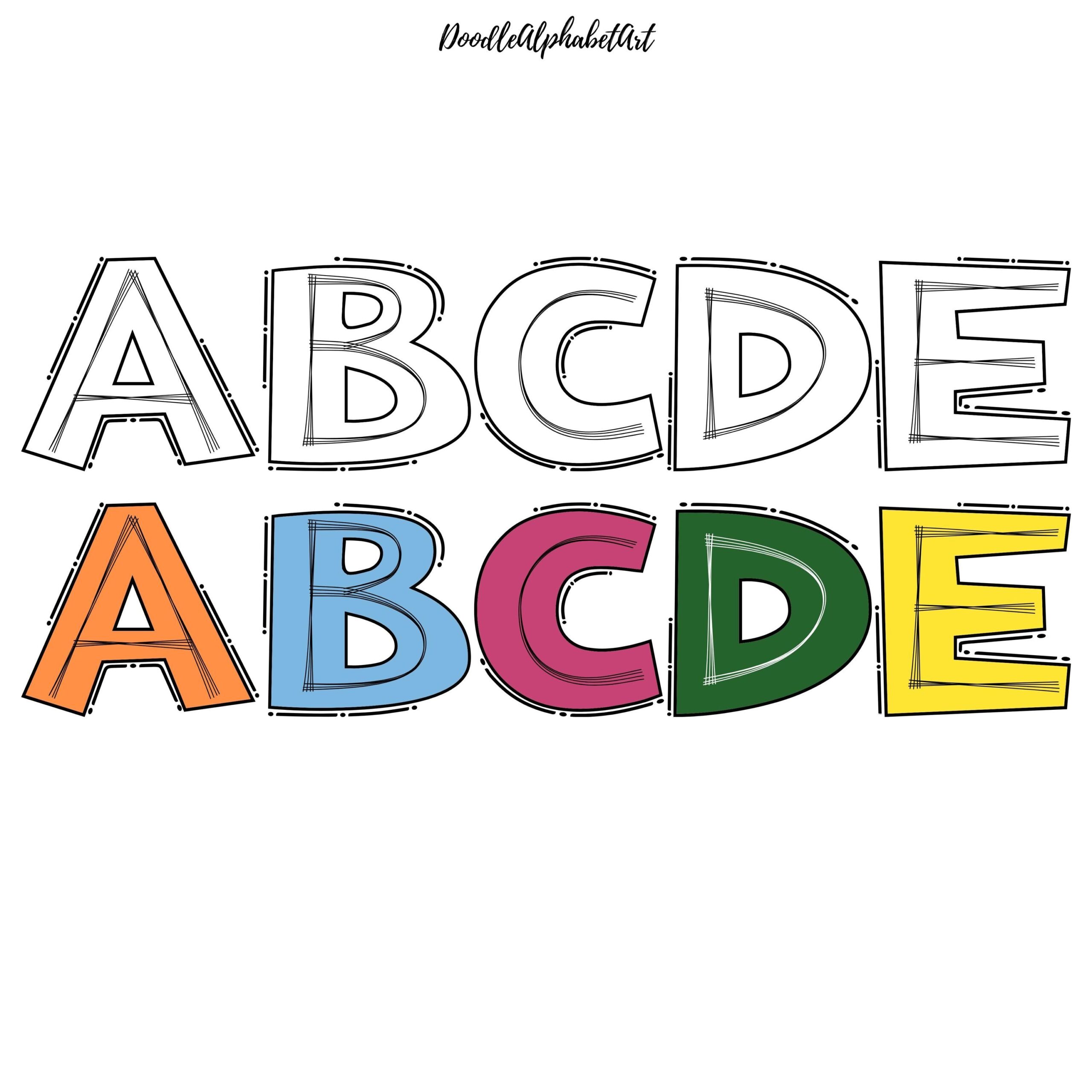
Tips for Maximizing Engagement
To keep students engaged during the coloring activity, consider these practical tips:
- Set a Timer: Give children a specific amount of time to color each letter. This encourages them to focus and be mindful about their work.
- Musical Coloring: Play music while they color. Change songs every few minutes, signaling them to switch colors or patterns.
- Group Work: Allow students to work in pairs or small groups. This fosters collaboration and can lead to discussions about colors and letters.
- Rewards and Recognition: Offer small rewards for creativity or effort. Praise can go a long way in motivating children to put forth their best effort.