
Creating a fun and engaging learning environment often requires a mix of creativity and practicality. If you’re looking for resources that can help your students express themselves while also learning, big letters to print and color are an excellent option. These materials serve multiple purposes, from art projects to educational exercises, allowing kids to explore their creativity while developing essential skills.
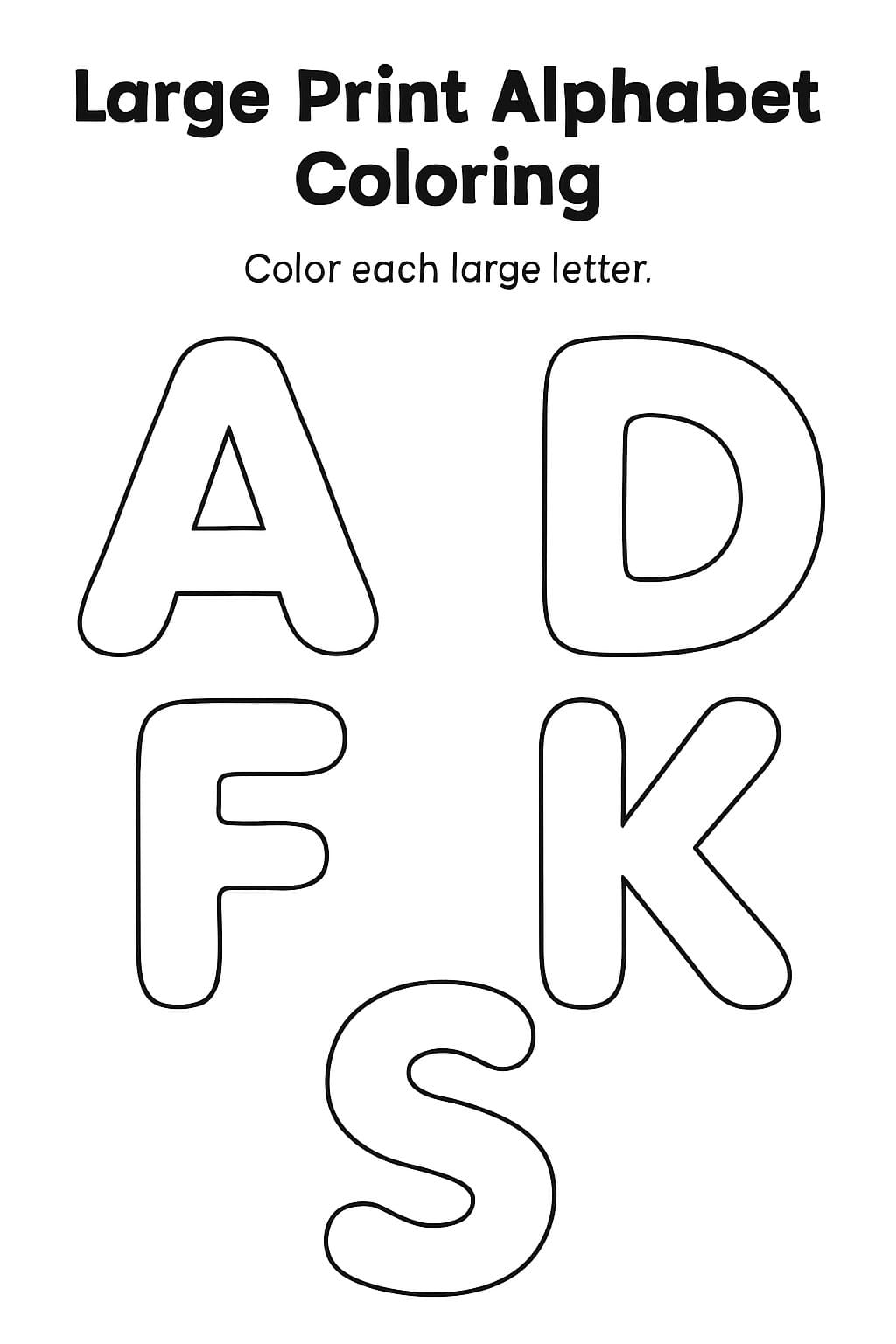
Benefits of Big Letters for Learning
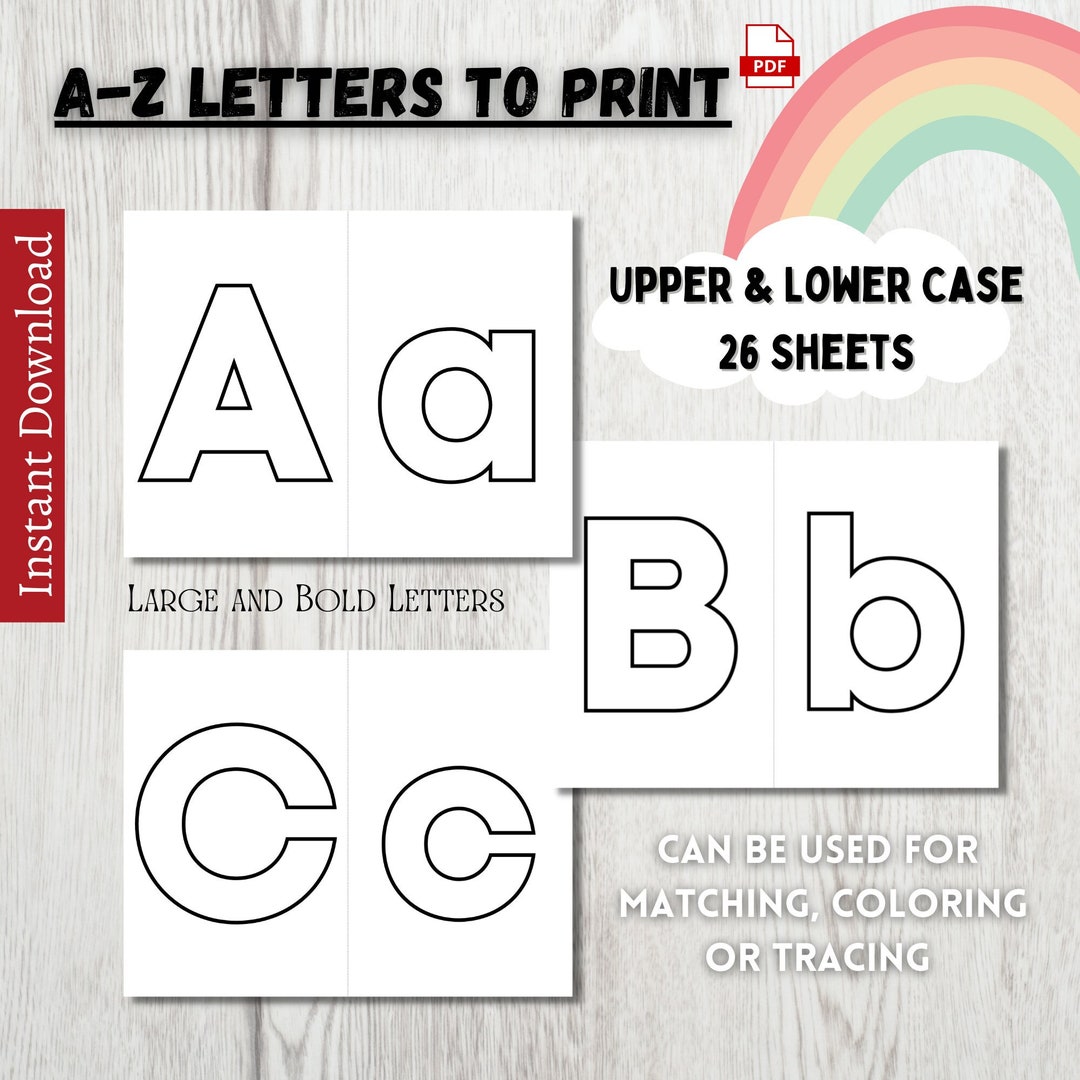
Using big letters to print and color can be beneficial in various learning contexts. They provide a hands-on way for children to practice letter recognition, improve fine motor skills, and even develop early writing abilities. In a classroom or homeschool setting, these large letters can be used for more than just coloring; they can serve as tools for spelling, vocabulary, and phonics activities.
For younger children, big letters are particularly appealing because they are visually engaging. The size allows for easier manipulation, and the blank spaces encourage creativity. As they color, children can also practice identifying the letters, reinforcing their learning in a fun way.
How to Use Big Letters in the Classroom
In a classroom setting, big letters can be integrated into various activities. Here are a few practical ideas:
- Coloring Stations: Set up a coloring station where students can choose their favorite letters to color. This activity can be paired with discussions about the sounds of the letters or words that start with those letters.
- Letter Recognition Games: Use the big letters in games like “Letter Hunt,” where students search the room for items that start with a specific letter. After identifying the items, they can color the corresponding big letter.
- Art Projects: Incorporate big letters into art projects. For example, students can create a “letter collage” by coloring the letters and cutting them out to decorate a poster board.
- Story Writing: Encourage students to write a short story or sentence using words that begin with a selected letter. They can color the big letter at the top of their page as a title.
Ideas for Homeschooling With Big Letters
For parents who are homeschooling, big letters to print and color can be a versatile resource. Here are some ways to incorporate them into your curriculum:
- Daily Letter Practice: Dedicate a portion of each day to focus on a specific letter. Children can color the letter, practice writing it, and identify objects around the house that start with that letter.
- Themed Learning: Plan themed weeks where each week focuses on a different letter. For example, you might have “A Week” where you color the letter A and explore words like apple, ant, and alligator.
- Creative Writing: Ask your child to create a story that includes words starting with the letter they are working on. They can illustrate their story with colored big letters to make it more engaging.
- Decorative Learning: Use the colored letters as wall art in your learning space. This visual reinforcement can help children remember the letters and their sounds.
Tips for Printing and Coloring
When using big letters to print and color, there are a few practical tips to keep in mind:
- Paper Choice: For durability, consider using heavier cardstock instead of standard printer paper. This will hold up better to coloring and can be laminated for repeat use.
- Printer Settings: If you want to save ink, adjust your printer settings to draft mode, especially if you will be using vibrant colors. Portrait layout is usually best for most home printers, allowing the letters to fit well on the page.
- Coloring Materials: Use a variety of coloring materials, such as markers, crayons, and colored pencils. Each medium provides a different experience and can enhance creativity.
- Size Matters: Make sure to choose a size that is appropriate for your students. Larger letters are generally easier for younger children to color, while slightly smaller letters may be suitable for older kids who have better control over their coloring tools.
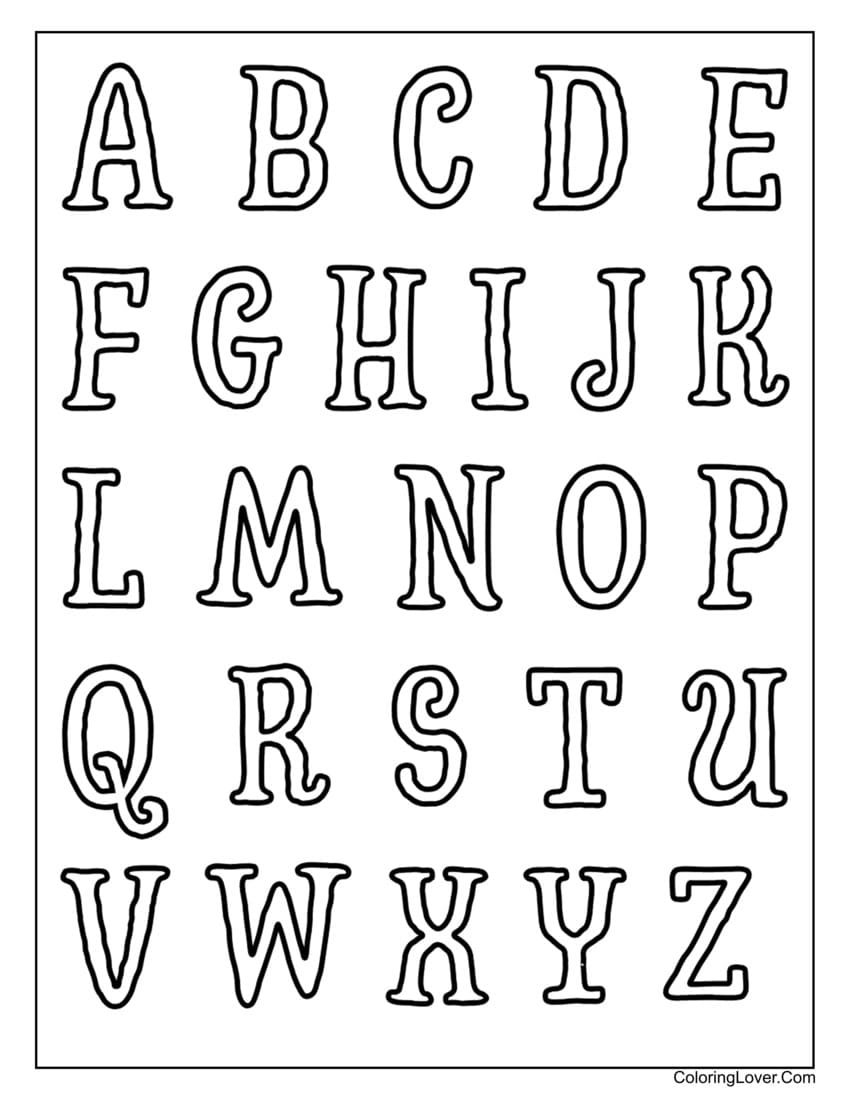
Checking Progress With Big Letters
As you incorporate big letters into your teaching or homeschooling, it’s important to check for understanding and progress. Here are some ways to gauge mastery:
- Observation: Watch how students interact with the letters. Are they able to recognize and name the letters? Do they show enthusiasm when coloring them?
- Verbal Quizzes: After a coloring session, ask students to name words that start with the letter they just colored. This can reinforce their learning and help you assess their grasp of letter sounds.
- Creative Projects: Evaluate the stories or projects that students create using the letters. Are they incorporating words correctly? Are they expressing their understanding of the letter’s sound?
- Feedback: Encourage students to share their thoughts about the coloring activity. What did they enjoy most? Did they find any letters challenging? This feedback can help tailor future activities.
Using big letters to print and color offers a wealth of opportunities for learning and creativity. Whether you are a teacher looking for classroom materials or a parent seeking engaging activities for homeschooling, these resources can enrich your educational experience. With careful planning and a focus on hands-on interaction, you can make learning letters an enjoyable and effective process. You might even consider organizing your resources by letter to streamline activities and keep things organized.
Now, think about how you can implement these ideas in your classroom or home setting. Will you set up a colorful art station, or perhaps create a themed week around different letters? The choice is yours!