
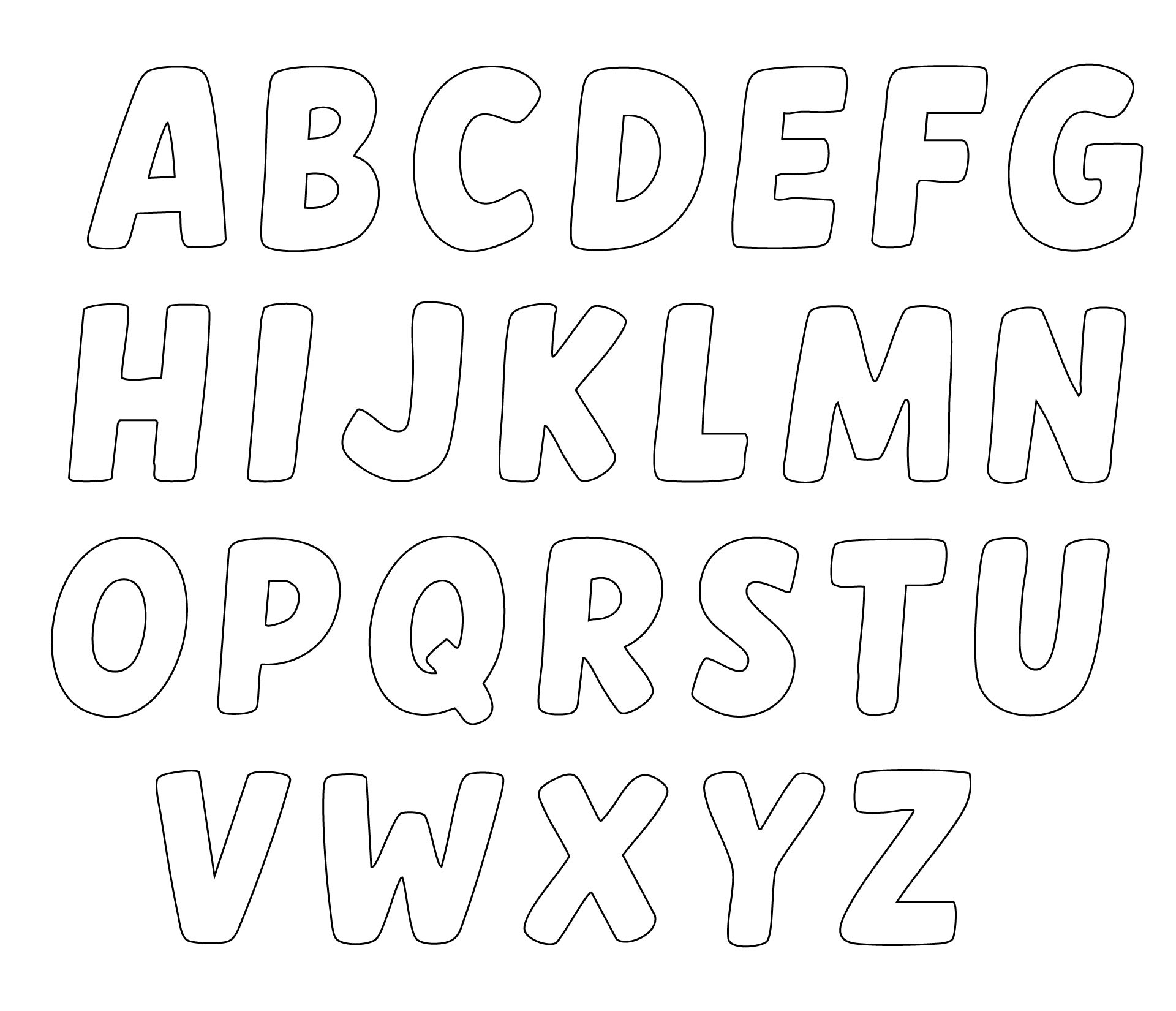
Using Big Alphabet Letters To Color offers a fun and interactive way for children to engage with the alphabet while enhancing their creativity and fine motor skills. Unlike other coloring resources that might feature small letters or complex designs, these big letters provide ample space for children to express themselves. The larger format encourages them to use a variety of coloring techniques, making this resource ideal for early learners in preschool and kindergarten.
Engaging Young Learners With Big Alphabet Letters
Big Alphabet Letters To Color are designed specifically for children aged 3 to 6. This age group often benefits from large, bold designs that are easy to color and recognize. Each letter is big enough to allow for creativity, whether kids want to fill them with patterns, colors, or even stickers. When using these letters, you might notice that children are more willing to engage with their work, as they can easily see their progress and take pride in their creations.
Benefits for Fine Motor Skills Development
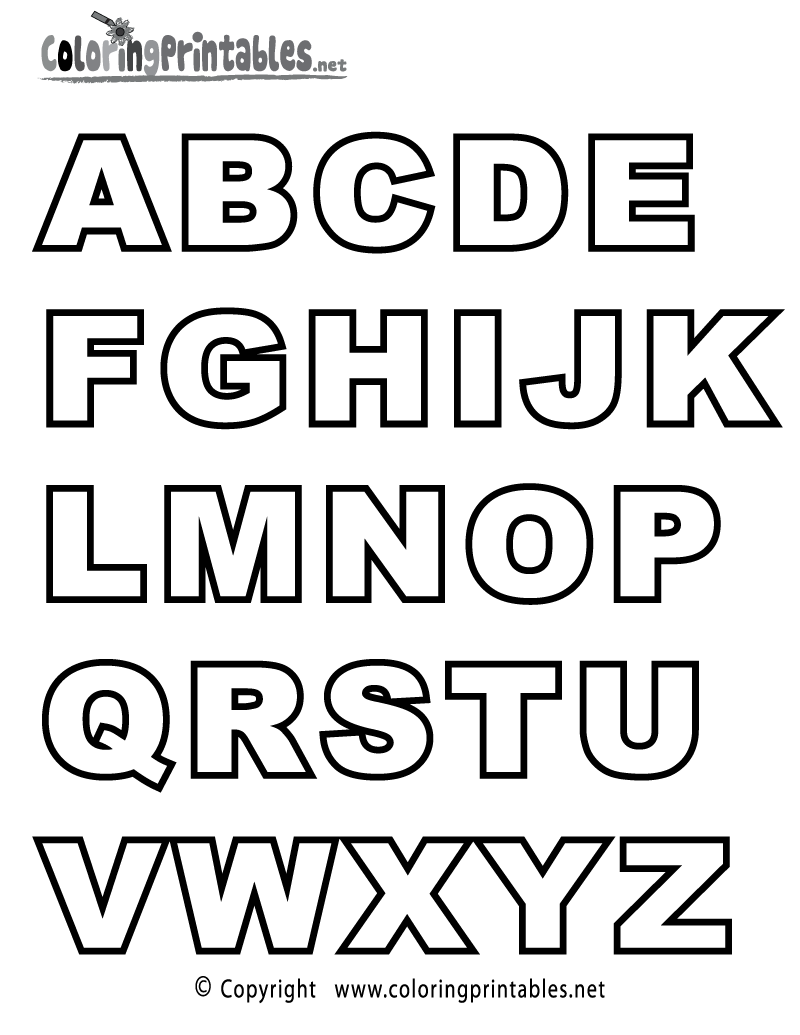
Coloring big letters is not just a fun activity; it also helps develop essential fine motor skills. As children color within the lines, they practice hand-eye coordination and gain control over their movements. You can set up a coloring session by providing various coloring tools such as crayons, markers, or colored pencils. Each tool offers a different experience, and experimenting with them can improve their dexterity and grip.
How to Incorporate Big Alphabet Letters Into Your Curriculum
Integrating Big Alphabet Letters To Color into your teaching plan can be seamless. Here are a few practical ideas:
- Letter of the Week: Introduce a letter each week and have students color it as part of their learning. This repetition helps reinforce letter recognition and phonics.
- Themed Projects: Incorporate the letters into themed projects. For example, during a unit on animals, have children color the letter ‘D’ for dog or ‘C’ for cat, and then illustrate their favorite animal.
- Art Stations: Set up an art station where children can freely choose letters to color. This encourages independent learning and creativity, as they can select letters that interest them.
Assessing Understanding and Mastery
The beauty of using Big Alphabet Letters To Color lies in the ability to assess students’ understanding of letters. As children complete each letter, you can observe their coloring choices and techniques. Are they using a variety of colors? Are they staying within the lines? These observations can provide insights into their confidence and understanding of the alphabet.
To further assess their skills, consider pairing the coloring activity with additional tasks, such as asking them to say the letter and a word that starts with it. This combination reinforces their learning and helps you gauge their mastery of the letter.
Creating an Inclusive Learning Environment
Providing Big Alphabet Letters To Color can foster an inclusive environment, accommodating various learning styles. Visual learners will thrive with the opportunity to see and color the letters, while kinesthetic learners will benefit from the hands-on aspect of coloring.
You can also differentiate instruction by offering letters in different sizes or styles. For instance, some children may prefer a block letter style, while others enjoy more whimsical, decorative fonts. This flexibility allows every child to engage at their comfort level.
Tips for Printing and Preparation
When preparing Big Alphabet Letters To Color, consider the following tips to ensure the best experience for your students:
- Paper Choice: Use heavier paper, like cardstock, which can withstand vigorous coloring and is less likely to tear.
- Print Settings: Opt for a portrait layout for most home printers, as this is often the easiest format for children to handle.
- Coloring Tools: Encourage the use of varied coloring tools. Crayons are great for younger children, while markers or colored pencils can offer more precision for older kids.
Encouraging Creativity Beyond Coloring
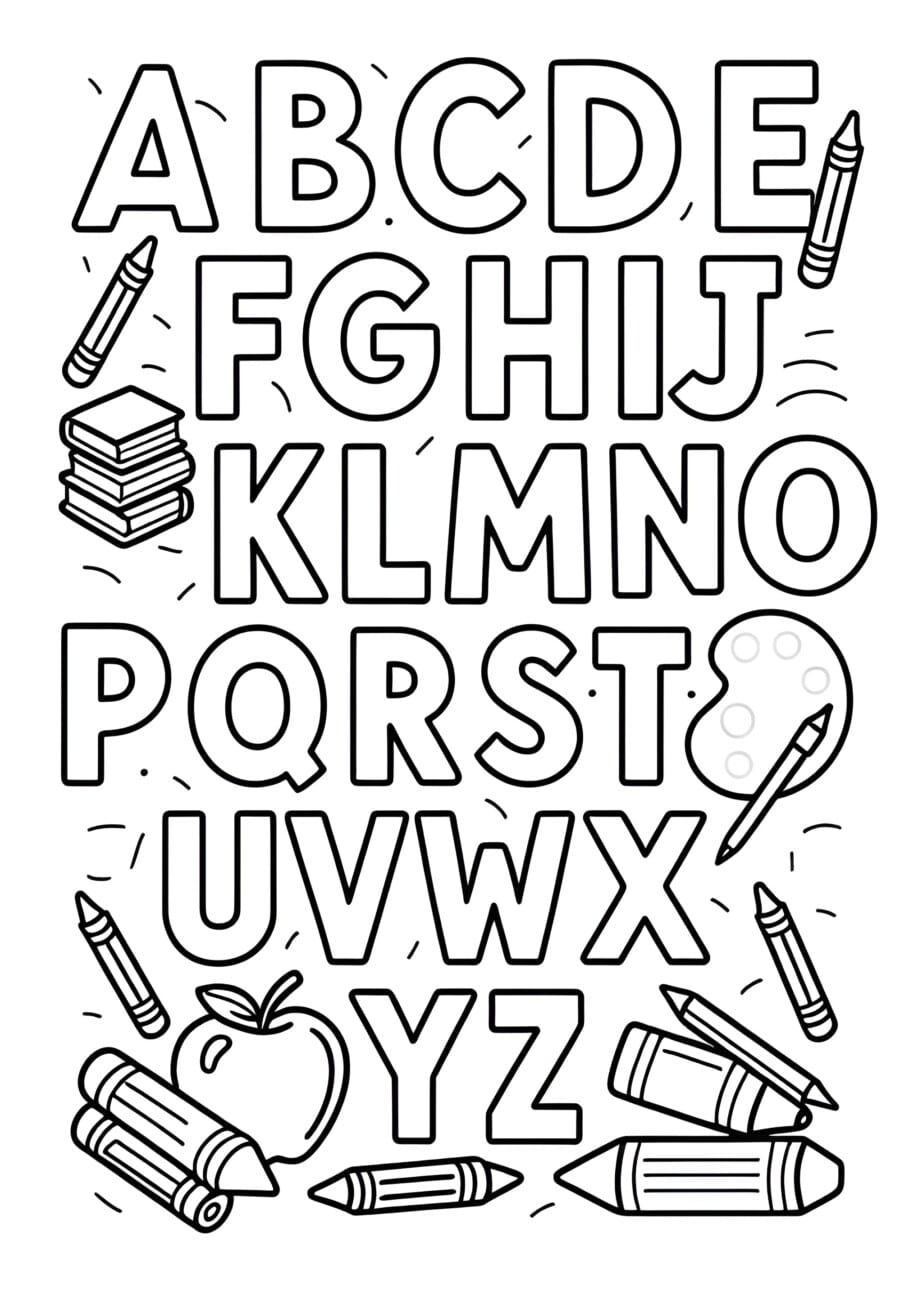
While the primary focus of Big Alphabet Letters To Color is coloring, don’t hesitate to expand the activity. After coloring, children can:
- Decorate with Collage: Provide materials like glitter, stickers, or patterned paper for them to embellish their letters further.
- Create a Collage: Have them cut out pictures from magazines that start with the letter they colored and create a collage.
- Writing Practice: Encourage them to practice writing the letter next to their colored work. This reinforces their learning and helps develop their writing skills.