
Providing a solid foundation in literacy is crucial for early learners, and Beginner Alphabet Worksheets For 2 Year Olds serve as an excellent tool for achieving this. These worksheets are designed to introduce the alphabet in a fun and engaging manner, making it easier for young children to start learning their letters. Teachers and parents can utilize these resources to foster independent practice, allowing children to explore letters through various activities without direct supervision.
Understanding the Importance of Alphabet Recognition
Alphabet recognition is a fundamental skill that sets the stage for reading and writing. For 2-year-olds, the focus should be on creating a positive and enjoyable learning environment. Worksheets that incorporate vibrant colors, playful designs, and simple instructions can capture a child’s attention and encourage participation. By engaging with these materials, children can develop their ability to recognize letters, understand their shapes, and associate them with sounds.
Key Features of Effective Beginner Worksheets
When selecting Beginner Alphabet Worksheets for 2-year-olds, there are several features to consider:
- Visual Appeal: Bright colors and engaging illustrations help maintain a child’s interest.
- Clear Instructions: Simple, straightforward directions allow children to work independently.
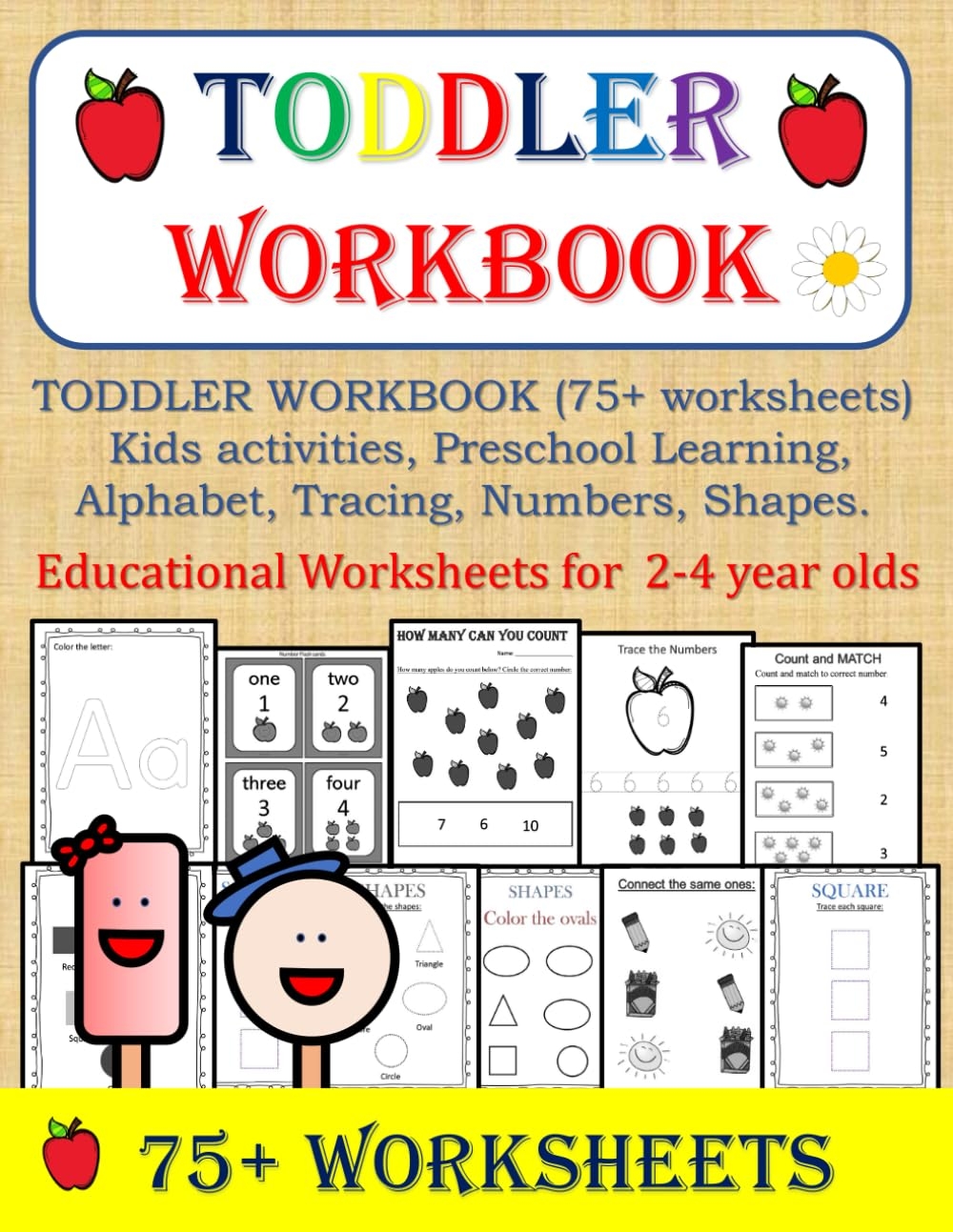
- Variety of Activities: Worksheets that include tracing, coloring, and matching can cater to different learning styles.
- Age Appropriateness: Materials should be designed specifically for toddlers, ensuring that tasks are manageable and not overly complex.
Types of Activities Included in Worksheets
Beginner Alphabet Worksheets can include a variety of activities that promote letter recognition and phonics skills. Here are some common activity types:
Tracing Letters
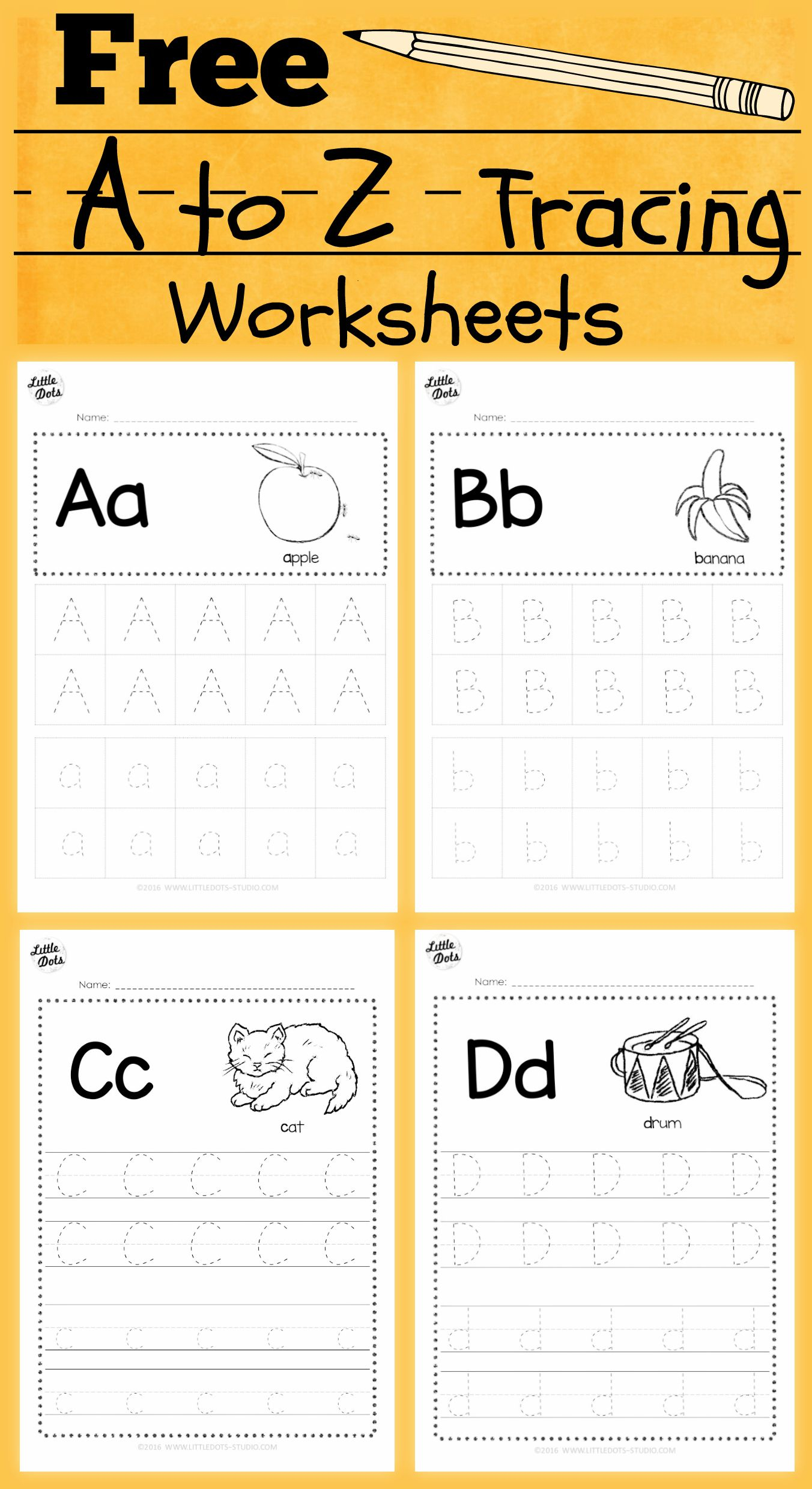
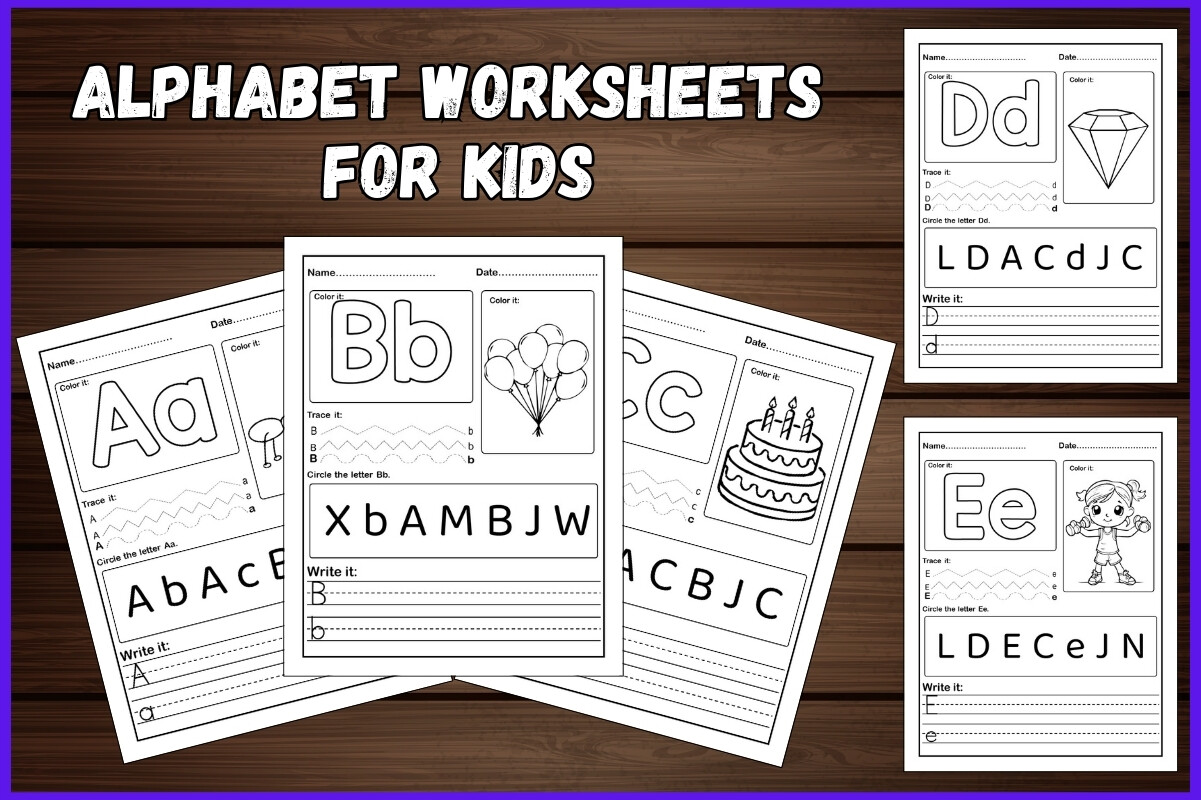
Tracing is an excellent way for toddlers to develop fine motor skills while learning the shapes of letters. Worksheets should provide dotted lines for each letter, allowing children to trace over them with crayons or pencils. This practice reinforces letter formation and helps with hand-eye coordination.
Coloring Activities
Coloring pages featuring letters can combine creativity with learning. Children can color in letters, which reinforces their recognition while allowing them to express their artistic side. For instance, a worksheet might include a large letter “A” with an apple illustration for coloring.
Matching Games
Matching activities can help children connect letters with corresponding objects or images. For example, a worksheet might present a letter “B” alongside pictures of a ball, butterfly, and banana, prompting kids to draw lines from the letter to the correct images. This not only enhances letter recognition but also builds vocabulary.
How to Use Worksheets Effectively
To get the most out of Beginner Alphabet Worksheets, here are some practical tips:
- Set Up a Learning Space: Create a designated area for activities with all necessary supplies like crayons, markers, and scissors readily available.
- Keep Sessions Short: Young children have limited attention spans. Aim for 10-15 minute sessions to keep them engaged without overwhelming them.
- Encourage Independence: Allow children to explore the worksheets on their own. This promotes confidence and encourages them to take ownership of their learning.
- Integrate with Daily Activities: Reinforce learning by pointing out letters in everyday settings, such as on signs, books, or toys. This real-world connection can make learning more meaningful.
Selecting the Right Printable Resources
Finding high-quality Beginner Alphabet Worksheets can be overwhelming due to the sheer number of options available online. Here are some tips to help choose the best resources:
- Check for Reviews: Look for worksheets that have been reviewed positively by other teachers or parents. This can provide insight into the effectiveness and appeal of the materials.
- Consider Download Formats: PDFs are generally preferred as they maintain formatting when printed. Ensure that the worksheets you choose are available in this format to avoid any printing issues.
- Assess Print Quality: Select worksheets that are designed with high-resolution images to ensure clarity when printed. This is particularly important for coloring pages and illustrations.
Final Tips for Using Alphabet Worksheets
To maximize the effectiveness of Beginner Alphabet Worksheets For 2 Year Olds, consider incorporating a few additional strategies:
- Mix It Up: Rotate between different types of activities to keep learning fresh and exciting. This can prevent boredom and maintain enthusiasm.
- Celebrate Achievements: Acknowledge progress, no matter how small. Praise efforts and celebrate completed worksheets to motivate children.
- Use Laminated Worksheets: For repeated use, consider laminating worksheets. This allows children to practice tracing with dry-erase markers, making it both eco-friendly and cost-effective.
By choosing the right resources and implementing effective strategies, Beginner Alphabet Worksheets can become a vital part of early literacy education.
For immediate use, look for printable worksheets that appeal to your child’s interests and learning style. Engaging activities will not only teach them the alphabet but also foster a love for learning that can last a lifetime.