
Young learners often struggle with mastering the alphabet, which is a fundamental building block for reading and writing. To help them navigate this essential skill, Beginner 1st Grade Alphabet Worksheets provide a structured and engaging way to practice letter recognition, sound association, and writing. These worksheets are designed to fit seamlessly into an afternoon routine, allowing parents and teachers to reinforce learning without needing a formal lesson plan.
Choosing the Right Worksheets
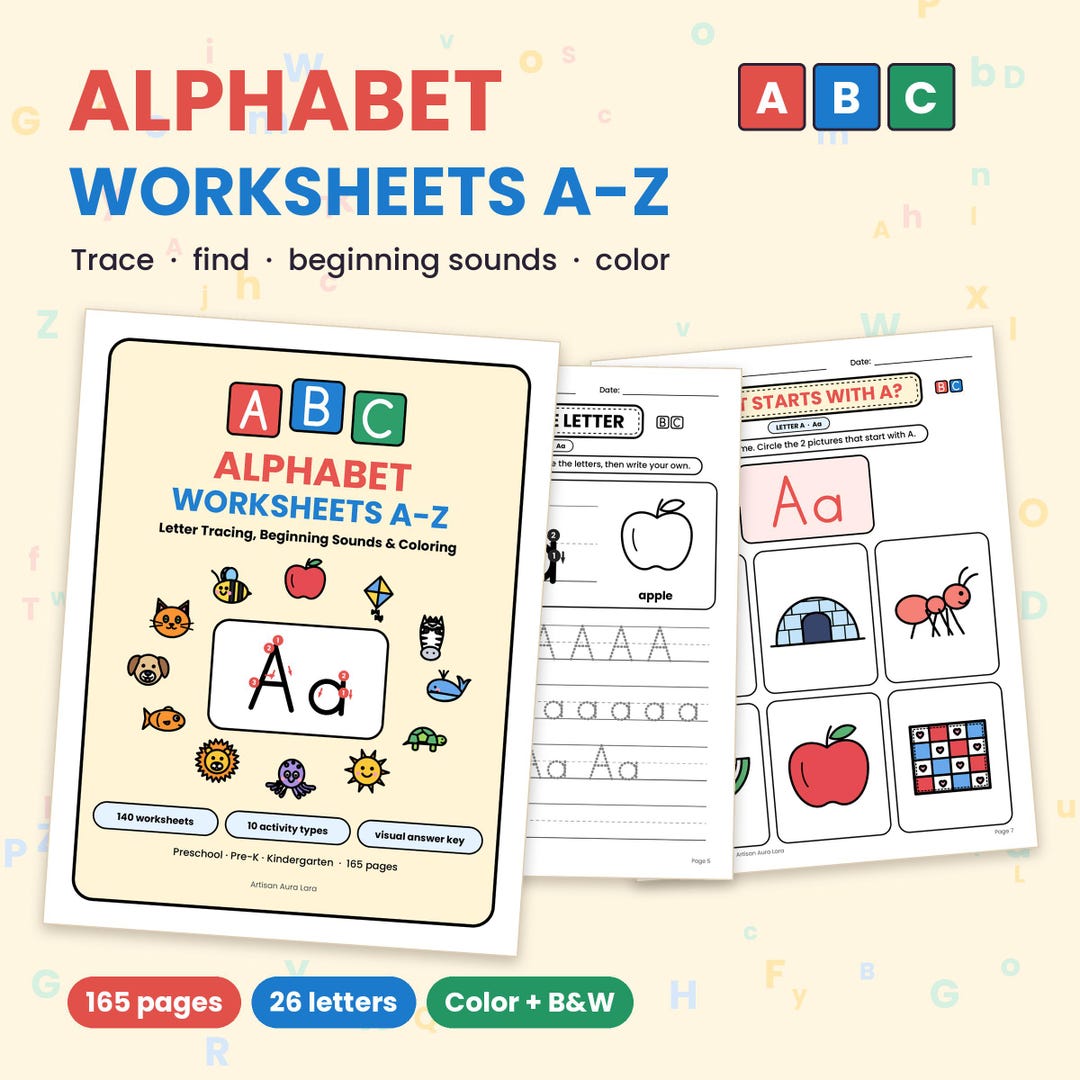
When selecting Beginner 1st Grade Alphabet Worksheets, consider the specific skills you want to focus on. Not all worksheets are created equal, so look for those that include a variety of activities. Here are some ideas to guide your selection:
- Letter Recognition: Worksheets that feature both uppercase and lowercase letters help children become familiar with different forms of each letter.
- Sound Association: Worksheets should include activities that pair letters with pictures or words that start with the corresponding letter sound.
- Writing Practice: Look for worksheets that provide ample space for students to practice writing each letter, both in isolation and within words.
By choosing worksheets that incorporate these elements, you ensure that your child engages with the material in multiple ways, reinforcing their understanding of the alphabet.
Downloading and Printing Your Worksheets
Once you’ve selected the appropriate Beginner 1st Grade Alphabet Worksheets, downloading and printing them is straightforward. Here’s a step-by-step guide to help you through the process:
- Find a Trusted Resource: Look for websites that specialize in educational printables. Ensure they have a good reputation for quality and clear instructions.
- Select the Worksheets: Browse through the available options and pick the worksheets that best fit your educational goals.
- Download the Files: Click the download link for each worksheet. Most resources offer files in PDF format, which is ideal for preserving the layout.
- Print Settings: Use standard letter-sized paper (8.5 x 11 inches) for best results. Check your printer settings to ensure the document fits correctly on the page. If possible, print in portrait orientation.
- Quality Matters: For durability, consider printing on cardstock. This is especially helpful if the worksheets will be used multiple times or if you plan to laminate them for longer use.
Taking the time to download and print worksheets properly sets the stage for successful learning experiences.
Setting Up a Learning Environment
A conducive learning environment can significantly enhance your child’s focus and engagement. Here are some tips for creating an effective workspace:
- Designate a Quiet Area: Choose a spot in your home that is free from distractions, like TV or loud noises. A small desk or a corner of the kitchen table can work well.
- Provide Necessary Supplies: Gather all the materials your child will need, such as pencils, crayons, or markers. Having everything within reach minimizes interruptions.
- Use Visual Aids: Hang the alphabet chart on the wall to provide a visual reference. This not only aids learning but also decorates the space in a fun way.
Creating a dedicated space helps children associate that area with learning, making it easier for them to focus on their alphabet worksheets.
Engaging With the Worksheets
Now that you have the worksheets printed and your learning environment set up, it’s time to look at the activities. Here’s how to effectively engage with the Beginner 1st Grade Alphabet Worksheets:
- Start with Letter Recognition: Begin each session by reviewing the letters on the worksheet. Point to each letter and say its name and sound together.
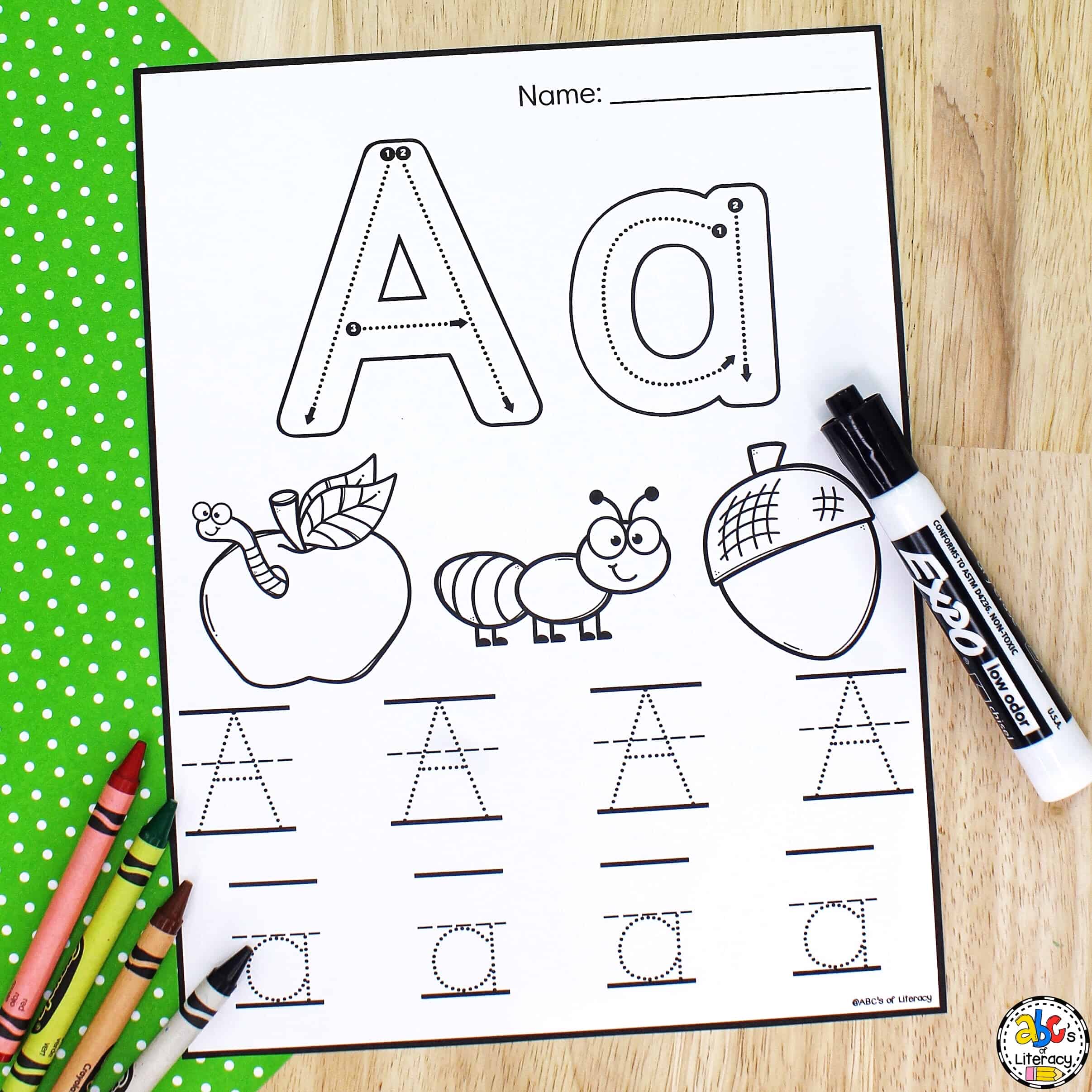
- Interactive Learning: Use the pictures on the worksheets. Ask your child to identify the objects that start with the letter. For example, for the letter ‘A’, refer to an apple or an alligator.
- Writing Practice: Encourage your child to trace the letters first, then write them independently. Provide positive feedback to build their confidence.
- Mix Up the Activities: Don’t feel obligated to complete all worksheets in one sitting. Break them up into manageable chunks and mix them with other activities, like alphabet games or songs.
By varying the approach, you maintain your child’s interest and encourage a deeper understanding of the alphabet.
Tracking Progress and Making Adjustments
Monitoring your child’s progress is key to ensuring they are mastering the alphabet. Here’s how to effectively track and adapt your approach:
- Regular Check-Ins: After completing a few worksheets, take the time to review the answers together. Discuss what they found easy and what they struggled with.
- Adjust Difficulty: If your child breezes through the worksheets, consider moving on to more advanced activities that incorporate phonics and simple words.
- Encourage Consistency: Set aside a specific time each week for alphabet practice. Consistency helps reinforce learning and build a routine.
Being adaptable and responsive to your child’s needs will enhance their learning experience and keep them motivated.
Immediate Tip for Success
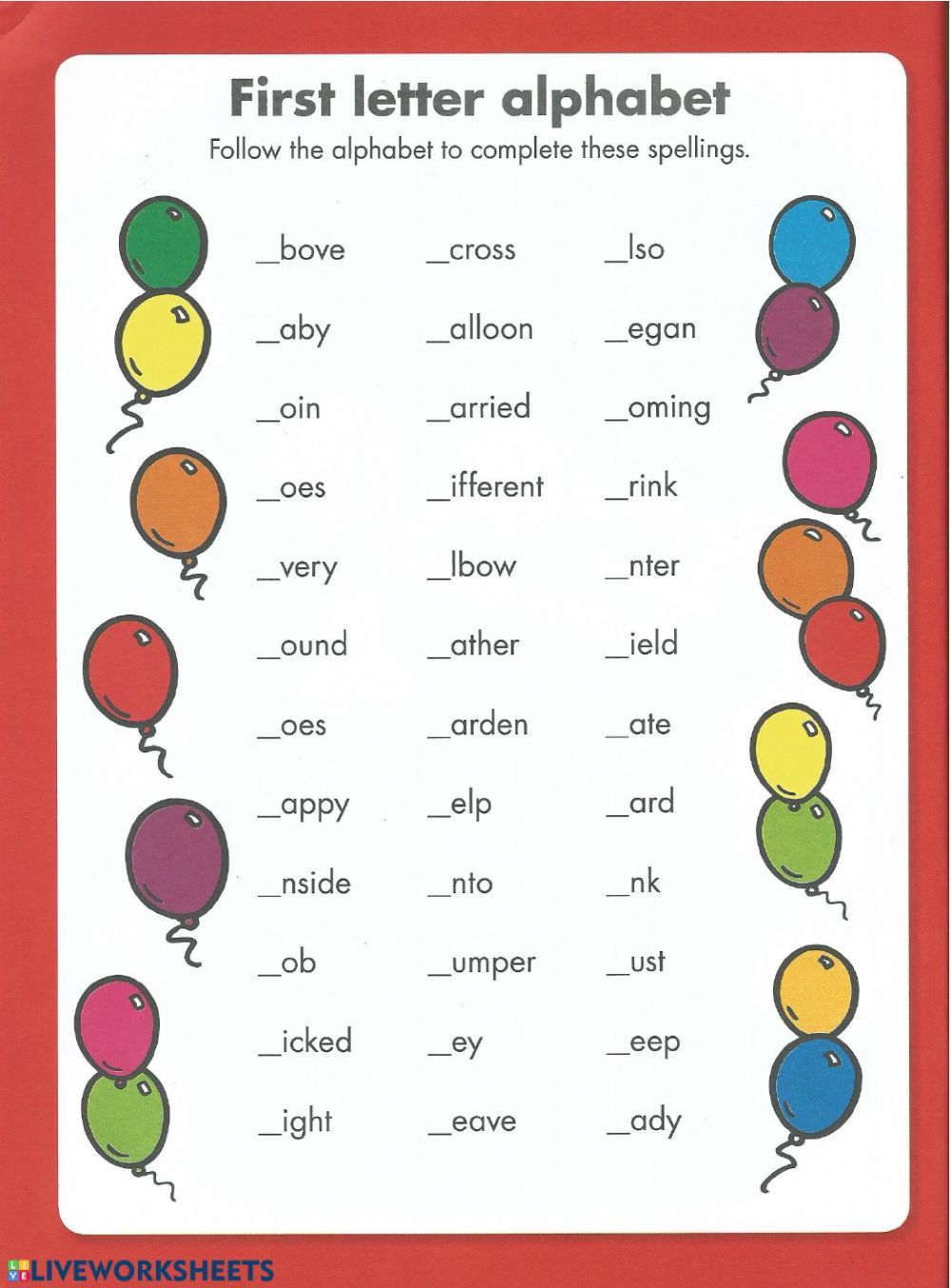
To kickstart your alphabet practice today, print one worksheet and set a timer for a short, focused session of about 15-20 minutes. Keep it fun and lighthearted, and celebrate their efforts, no matter how small.