
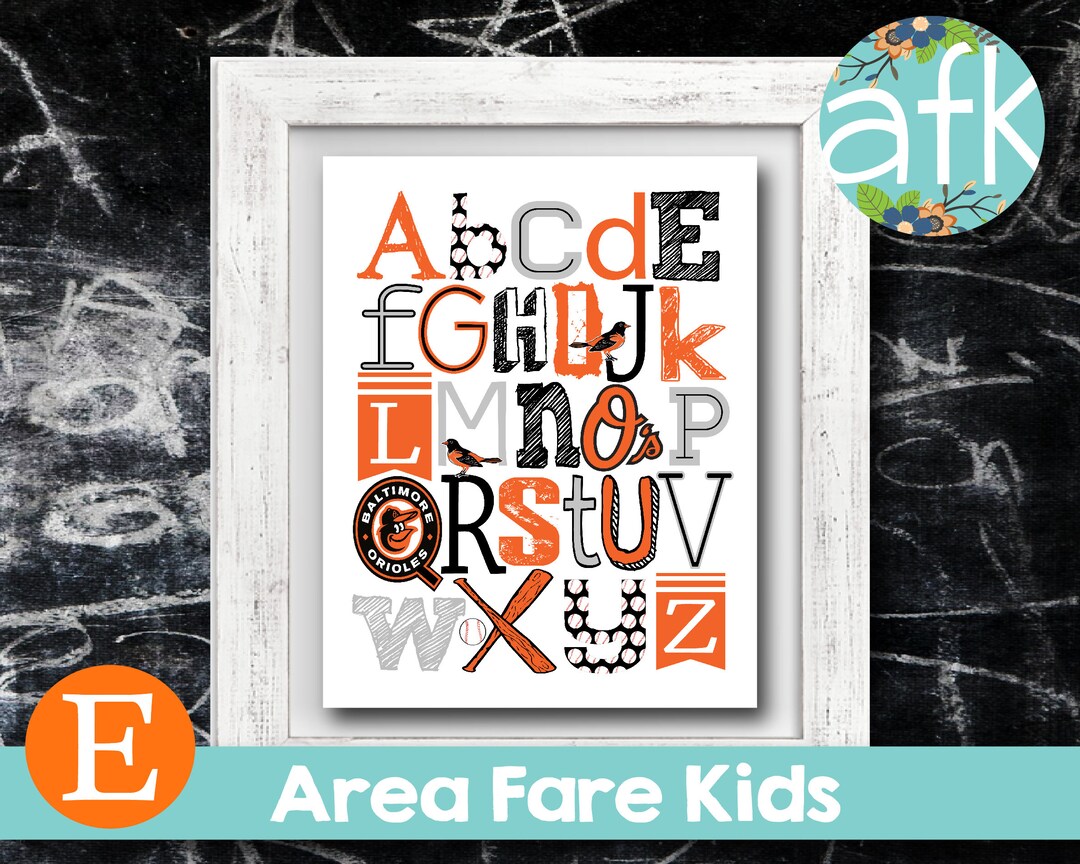
The Baltimore Alphabet for Preschoolers To Print provides a vibrant and interactive way for young learners to engage with letters and sounds. This resource typically comes in a standard letter-size format (8.5 x 11 inches), making it easy to print and use in various educational settings, whether at home, in the classroom, or during homeschooling sessions.
Understanding the Baltimore Alphabet Resource
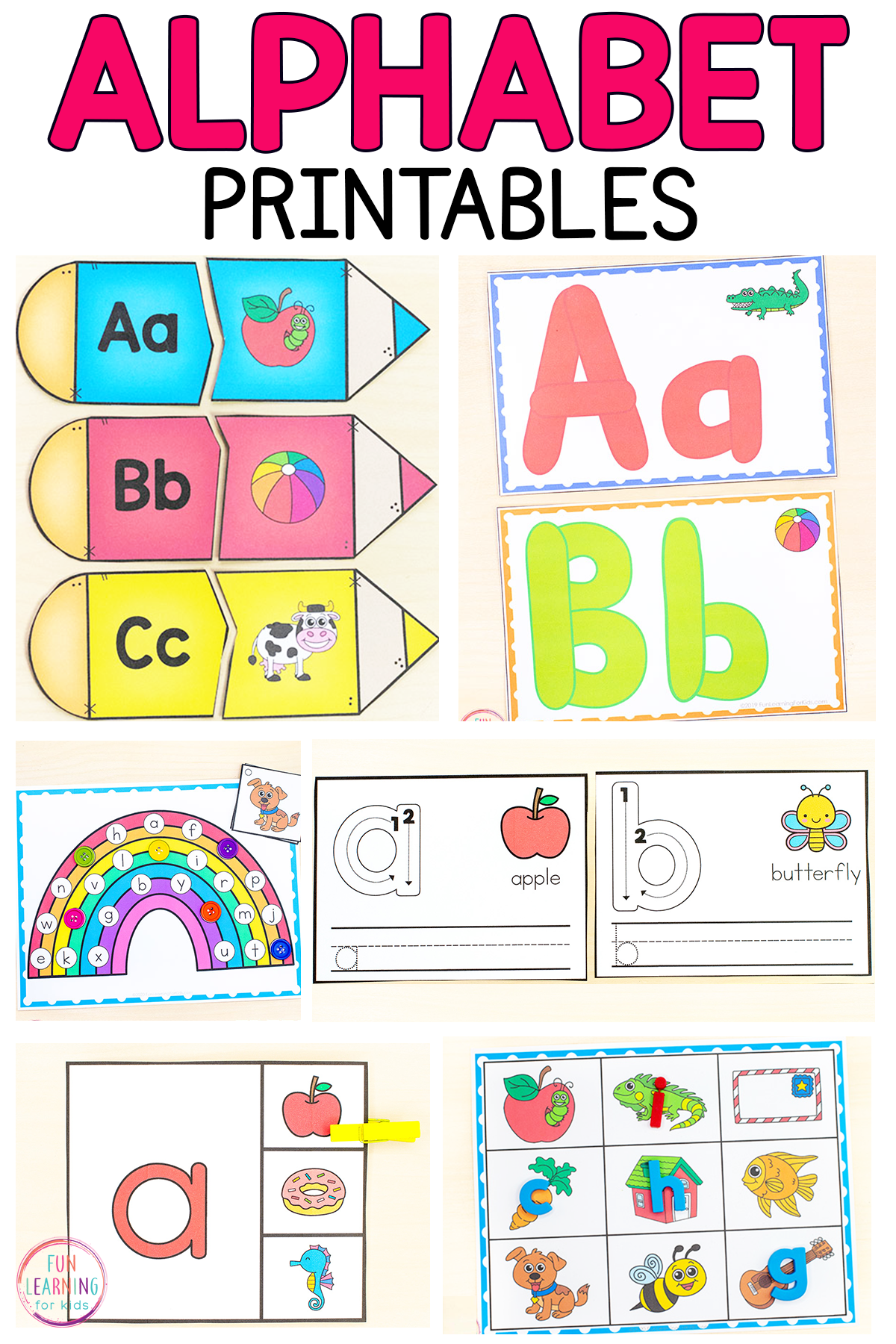
This alphabet resource is designed specifically for preschool-aged children, typically ages 3 to 5. The format often includes colorful images and letters that correspond to each letter of the alphabet, aiding in visual recognition and phonetic understanding. The aim is to help children not only recognize letters but also associate them with words and sounds, which is foundational for reading and writing skills.
The layout is user-friendly, usually featuring one letter per page with accompanying illustrations. The large, clear fonts are ideal for young eyes, and the playful designs capture children’s attention, making learning an enjoyable experience.
How to Use the Baltimore Alphabet Effectively
To maximize the benefits of the Baltimore Alphabet for preschoolers to print, consider the following strategies:
- Weekly Learning Goals: Spread out the learning by focusing on one letter each day or week. This approach reinforces memory through repetition, which is crucial for young learners.
- Interactive Activities: Pair the printed letters with hands-on activities. For example, after introducing the letter ‘A’, you might encourage children to find objects in the house that start with ‘A’ or engage in a coloring activity that reinforces that letter.
- Incorporate Storytime: Use storybooks featuring words that start with the letter of the week. This not only reinforces letter recognition but also builds vocabulary.
- Creative Presentation: Consider laminating the letters for durability if they will be used repeatedly. This way, children can use dry-erase markers to trace letters or write their names, providing a tactile learning experience.
- Engage Parents: For homeschooling or in-class use, send copies home with parents to encourage learning outside of school hours. This creates a bridge between school and home, allowing for more practice.
Printable Format and Features
The Baltimore Alphabet resource is often available in PDF format, making it accessible for easy downloading and printing. Here are some key features to keep in mind:
- Portrait Layout: Most resources are designed in portrait orientation, which tends to be more suitable for reading and displaying in a classroom or at home.
- High-Quality Images: The illustrations accompanying each letter are often bright and engaging, designed to capture the interest of preschoolers.
- Clear Fonts: The use of large, sans-serif fonts aids in legibility, making it easier for children to recognize and learn the alphabet.
- Easy Download: Typically, you can download the resource immediately after purchase or for free, depending on the site offering it. This quick access allows for immediate use in educational activities.
Engaging Activities Using the Baltimore Alphabet
Integrating fun activities with the Baltimore Alphabet can enhance learning and retention. Here are some engaging ideas to consider:
- Alphabet Hunt: Create a scavenger hunt where children must find items around the house or classroom that start with each letter. This activity promotes active learning and exploration.
- Craft Projects: Use the letters in art projects. For example, make a collage using pictures that start with the letter of the week. This hands-on approach solidifies their understanding through creativity.
- Songs and Rhymes: Incorporate songs or rhymes that emphasize the alphabet. Music is a powerful tool that can make learning unforgettable for preschoolers.
- Flashcards: Create flashcards using the printed letters. These can be used for games, quizzes, or memory exercises, reinforcing letter recognition in a playful way.
- Story Creation: Encourage children to create simple stories or sentences using words that start with the letter of the week. This not only reinforces letter learning but also builds their narrative skills.
Importance of Repetition in Learning the Alphabet
Repetition is essential in early childhood education. When children encounter the same letters and sounds multiple times, their brains begin to form connections that facilitate learning. By using the Baltimore Alphabet for preschoolers to print across various activities and over several days, you help children internalize these crucial building blocks of literacy.
It’s beneficial to structure learning sessions to revisit letters frequently. For instance, after covering the letter ‘B’, incorporate it in daily conversations, games, and activities throughout the week. This not only aids retention but also makes learning feel relevant and exciting.