
Engaging young learners in the process of mastering the alphabet can be both fun and educational. Amazon Alphabet Letters For Coloring 3 Year Olds are a fantastic resource for teachers and parents looking to introduce letters in an interactive way. explore how to effectively use these coloring resources to support children in their early literacy development.
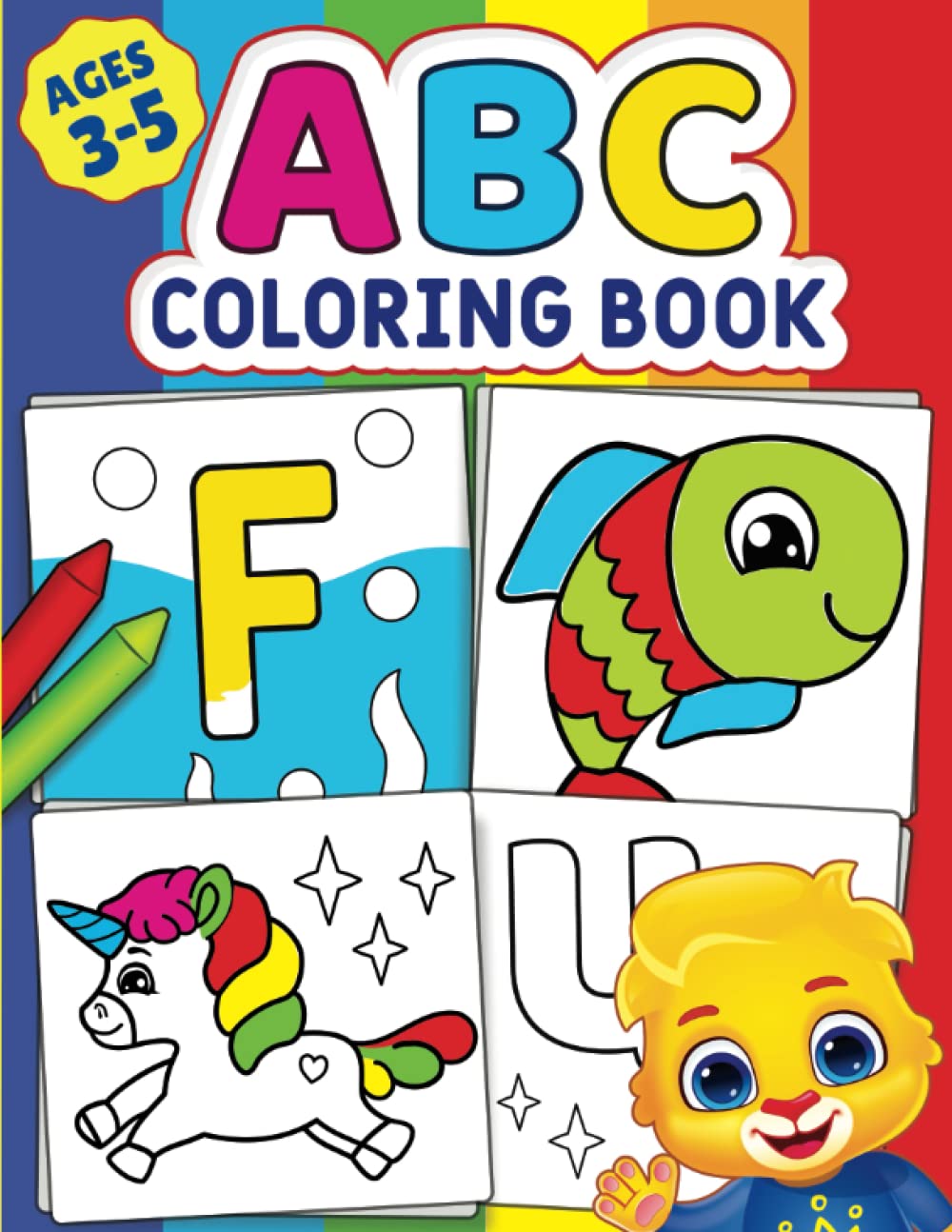
Understanding the Importance of Coloring in Learning
Coloring is not just an enjoyable pastime for young children; it plays a crucial role in their cognitive and motor skill development. When 3-year-olds engage with Amazon alphabet letters for coloring, they practice essential fine motor skills, hand-eye coordination, and creativity. Each letter offers a unique opportunity for children to express themselves and make connections between letters and sounds.
Fine Motor Skills Development
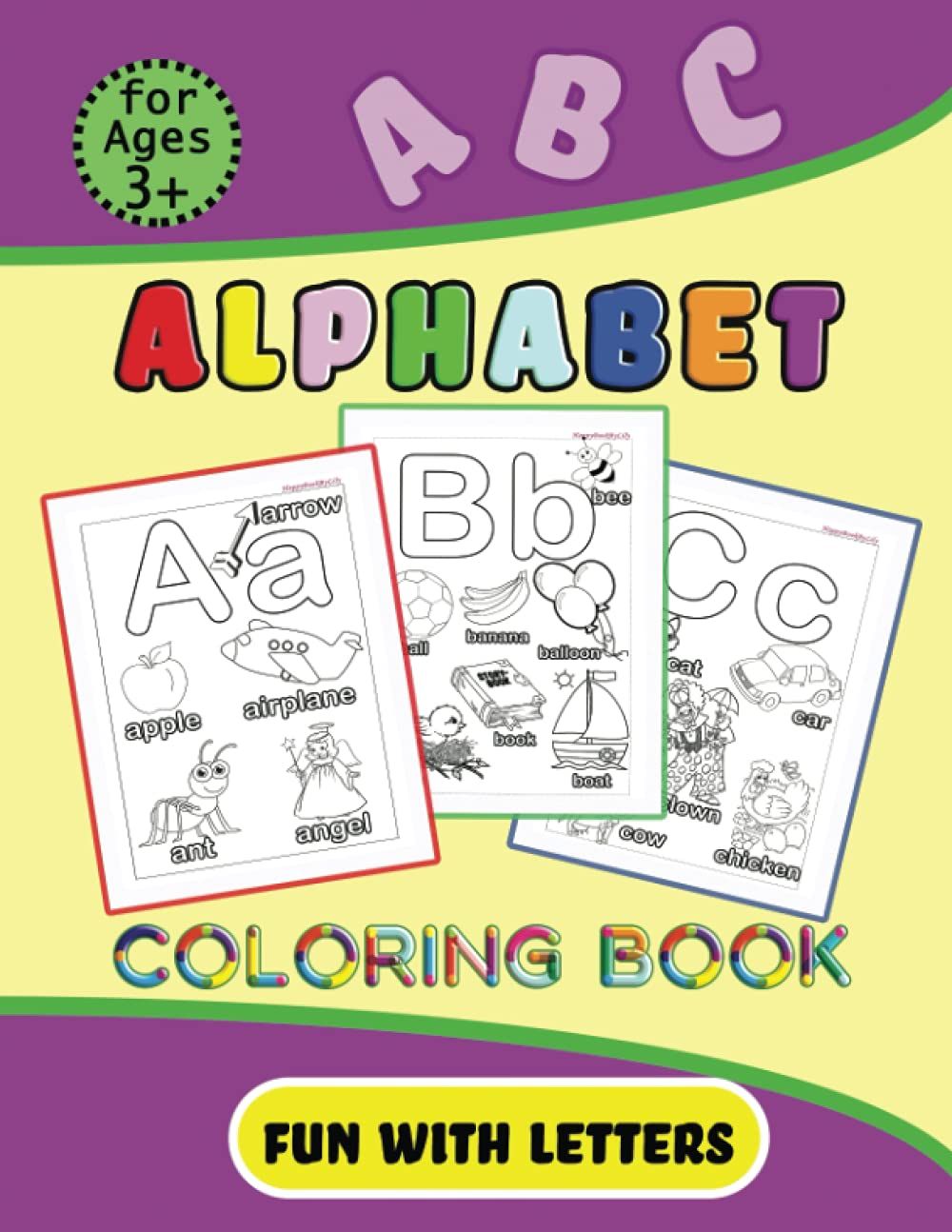
As children color, they manipulate crayons or markers, which helps strengthen their grip and control. This fine motor skill development is foundational for later writing abilities. You can encourage this by suggesting they use various coloring tools, such as crayons, colored pencils, or even paint.
Encouraging Creativity and Expression
Coloring allows children to express their creativity. When working with alphabet letters, they can choose colors that resonate with them, which helps build confidence and individuality. You might encourage them to think about what their favorite colors are or how they might use different colors to represent different emotions or themes.
Downloading and Using Amazon Alphabet Letters For Coloring
When it comes to making the most out of Amazon alphabet letters for coloring, the first step is to find and download the appropriate materials. Here’s a quick guide to help you navigate this process smoothly.
Finding the Right Resource
Amazon offers a variety of printable alphabet coloring pages that cater specifically to young learners. To find these resources:
- Search for “Alphabet Coloring Pages” on Amazon’s website.
- Look for options tagged for Preschool or Kindergarten age groups. These are typically designed to be engaging and age-appropriate.
- Check reviews and ratings to ensure you select high-quality resources that other educators and parents have found beneficial.
Downloading and Printing
Once you’ve selected the coloring pages, downloading and printing them is straightforward:
- Choose the PDF version if available, as this format usually maintains the layout better than image files.
- Print on standard letter-sized paper (8.5 x 11 inches) for convenience, but consider using cardstock if you want the pages to withstand more wear and tear, especially if you plan to laminate them.
- Adjust your printer settings to the best quality to ensure that the outlines of the letters are clear and easy for children to color.
Implementing Coloring Activities in the Classroom or Home
Using Amazon alphabet letters for coloring can be integrated into various educational settings, whether in a classroom, homeschooling environment, or at home. Here are some practical suggestions for implementation.
Structured Learning Sessions
You can incorporate coloring activities into structured learning sessions. For example, dedicate a specific time each week to focus on a particular letter.
- Introduce the Letter: Start with a brief introduction to the letter of the week. Discuss its sound, words that start with it, and its shape.
- Coloring Activity: Give each child a coloring page featuring the letter. Encourage them to color it in while discussing words that begin with that letter. This dual approach reinforces their learning.
- Show and Tell: After coloring, have each child share their page with the class or family, explaining what words they associate with the letter.
Free Play and Creativity
Beyond structured sessions, it’s also beneficial to allow children time for free play with coloring:
- Set up a Coloring Station: Create a dedicated space where children can freely choose alphabet letters to color at their leisure. Provide a variety of coloring tools and encourage exploration.
- Mix with Other Activities: Combine coloring with other learning activities, such as letter scavenger hunts or building words with letter blocks. This keeps engagement high and reinforces their learning.
Assessing Progress and Mastery
As children engage with Amazon alphabet letters for coloring, it’s essential to monitor their progress and understanding. Here are some practical ways to assess their mastery of letters:
Observational Assessments
While children are coloring, take note of:
- Their grip and control: Are they using the coloring tools effectively?
- Color choices: Are they able to articulate why they chose certain colors? This can indicate their understanding of the letters’ emotional or contextual significance.
- Letter recognition: Ask them to name the letter they are coloring and any words they associate with it.
Follow-Up Activities
After completing the coloring pages, consider follow-up activities to reinforce learning:
- Interactive Games: Play games that involve identifying letters or matching them to objects around the classroom or home.
- Letter Crafts: Encourage children to create crafts related to the letter they just colored. For instance, if they colored “B,” they could create a butterfly or a ball.
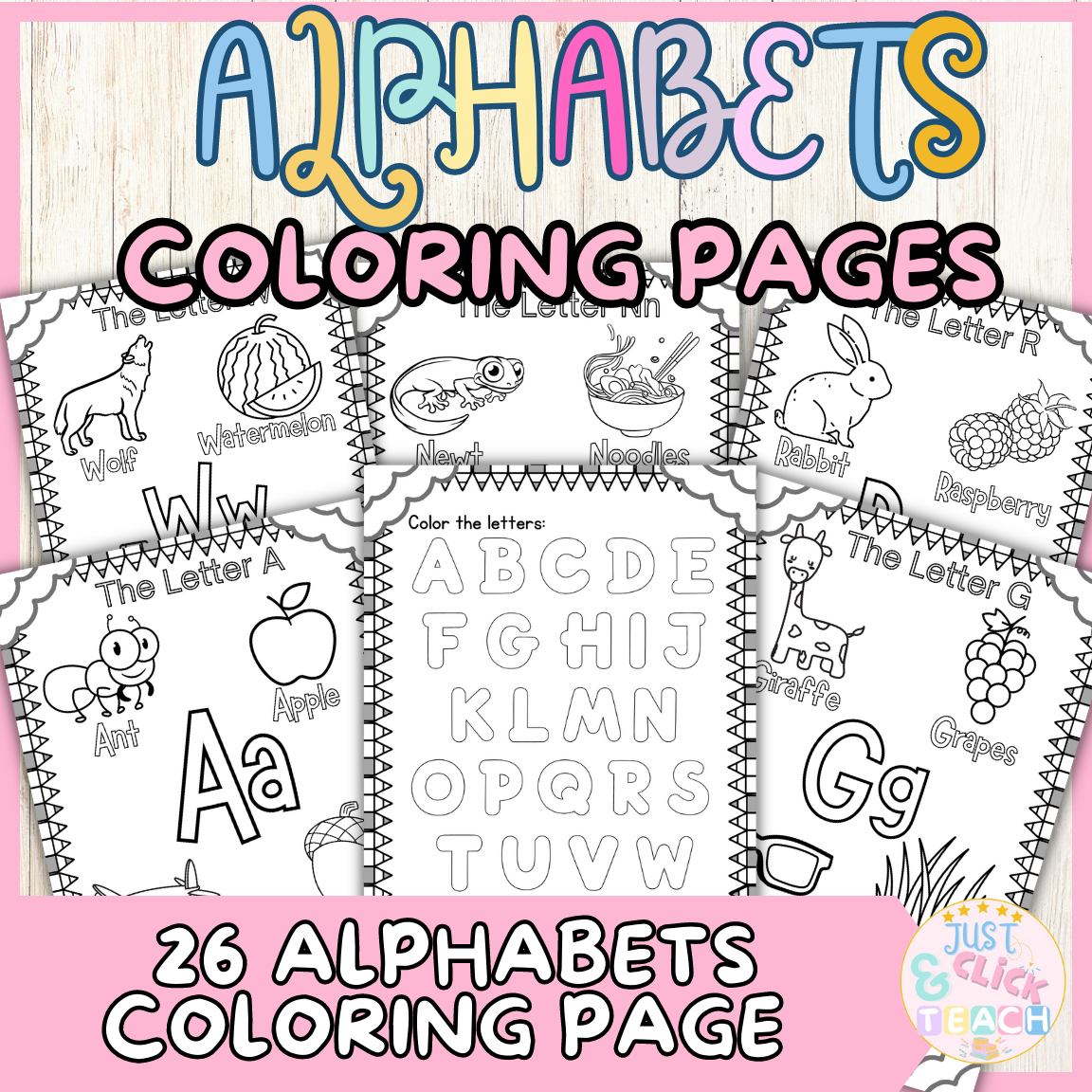
Practical Tips for Maximizing the Use of Alphabet Coloring Pages
To ensure that your experience with Amazon alphabet letters for coloring is as enriching as possible, here are some practical tips:
- Use Quality Materials: Opt for quality coloring tools that won’t easily break or smudge. This will enhance the coloring experience and result in more vibrant pages.
- Incorporate Technology: If you’re tech-savvy, consider using tablets with drawing apps that mimic coloring for tech-friendly learners.
- Create a Portfolio: Encourage children to create a portfolio of their colored letters. This not only showcases their work but also provides a visual representation of their progress over time.
By effectively utilizing Amazon alphabet letters for coloring, you can create engaging learning experiences that foster early literacy skills in a fun way. Whether in the classroom or at home, these resources can make learning the alphabet a delightful adventure for 3-year-olds.