
Using printable resources for teaching can be a useful option, especially when it comes to engaging students with activities that are both educational and fun. One fantastic resource you can incorporate into your lesson plans is the “Alphabets To Print And Color” templates. These worksheets not only help reinforce letter recognition but also promote fine motor skills through coloring activities.
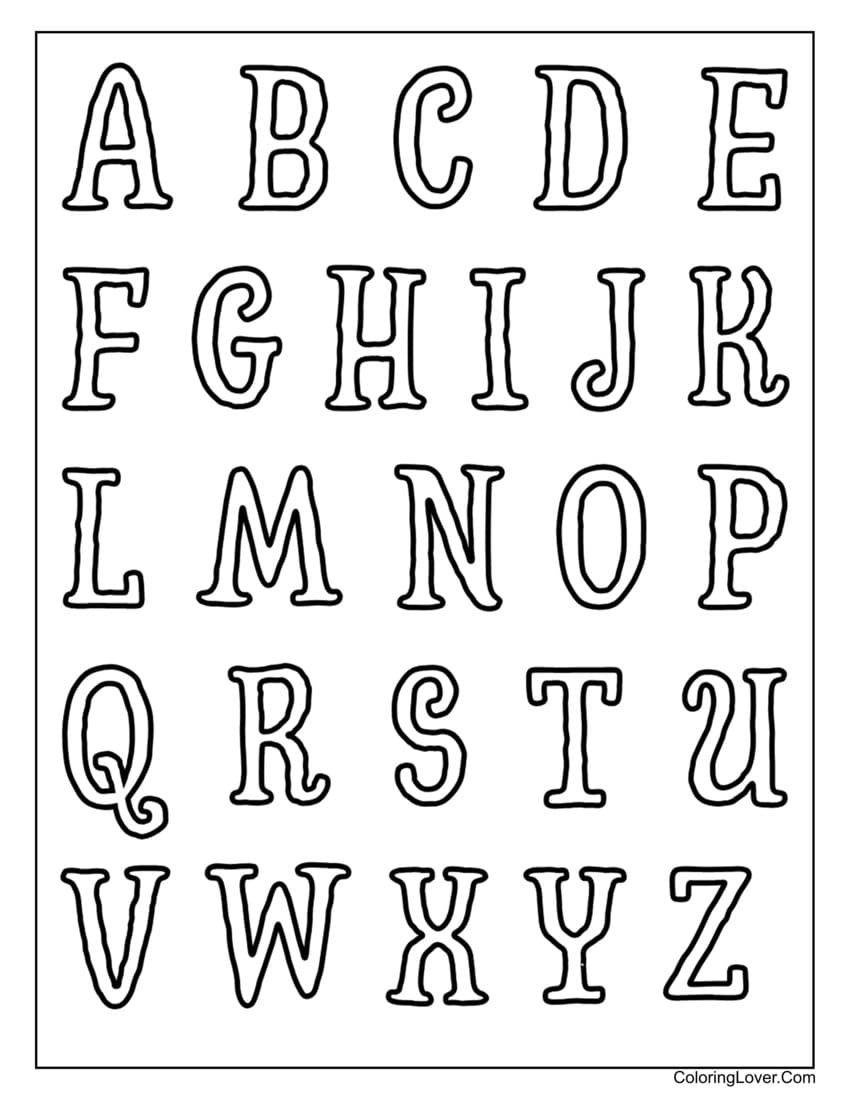
Why Use Alphabet Coloring Pages?
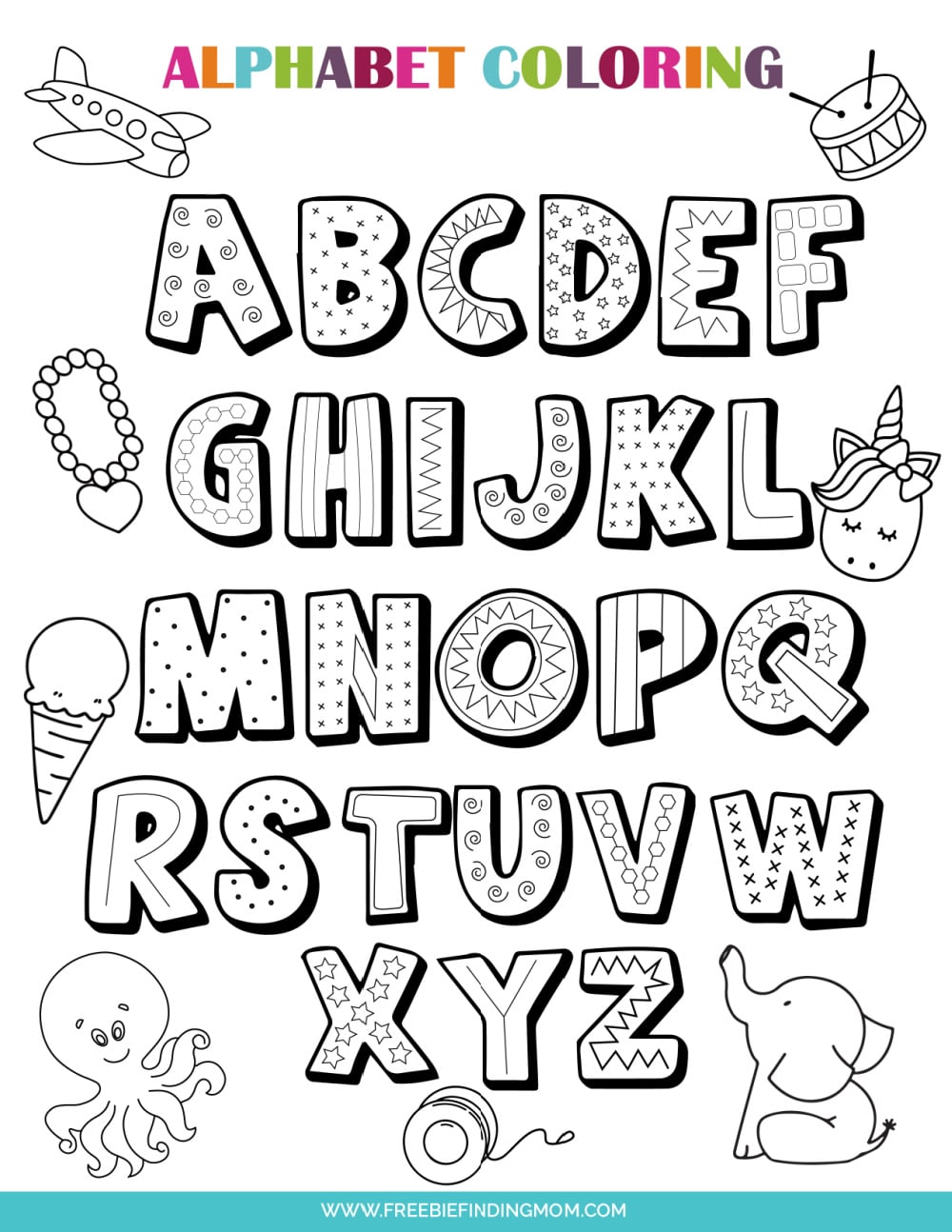
Coloring pages are an excellent way to introduce young learners to the alphabet. They offer a multi-sensory approach to learning, combining visual, tactile, and creative elements. Using “Alphabets To Print And Color” templates allows students to engage with letters in a playful manner, making the learning process enjoyable.
At the same time, these resources can serve various purposes. Teachers can use them for one-on-one instruction, group activities, or homework assignments. Plus, having these templates readily available means you can print them in bulk for the whole class.
Layout and Design of the Templates
When you download your “Alphabets To Print And Color” templates, you’ll notice they typically feature a letter of the alphabet prominently displayed at the center. Surrounding the letter, you might find fun illustrations that relate to words starting with that letter, providing context and enhancing vocabulary.
For example, an “A” coloring page might include an apple and an alligator. This not only helps with letter recognition but also allows you to introduce phonics by discussing the sounds these words make.
The layout is generally designed to be print-friendly, with clear outlines for coloring. Here are some key features to look for:
- Large, clear letters: This ensures that children can easily identify and color within the lines.
- Supporting images: Relevant illustrations that help reinforce the letter’s sound and meaning.
- Simple backgrounds: This focuses attention on the letter and associated images without distractions.
Practical Classroom Uses for Alphabet Coloring Pages
In a classroom setting, there are multiple ways to use “Alphabets To Print And Color” resources effectively. Here are a few ideas to get you started:
- Group Activities: Print multiple copies for small groups to work on together. This encourages collaboration and discussion about letters and sounds.
- Individual Learning: These templates can be used as part of center activities. Students can color at their own pace, allowing for individualized learning.
- Homework Assignments: Send them home for students to complete with their parents. This can foster a connection between home and school learning.
- Assessment Tools: Use the finished coloring pages as informal assessments. You can gauge students’ understanding of letter recognition and their ability to follow directions.
Tips for Printing and Using the Templates
When it comes to printing your “Alphabets To Print And Color” templates, there are a few practical tips to keep in mind:
- Paper Choice: Use heavier paper, like cardstock, if you plan to laminate the pages for reuse. This ensures durability and allows for easy cleaning.
- Printer Settings: Adjust your printer settings to ensure the colors come out vibrant. A standard setting will often suffice, but check the color options to avoid dull prints.
- Orientation: Depending on your printer, you might find that portrait layout works best for these templates. Always do a test print to ensure everything aligns properly.
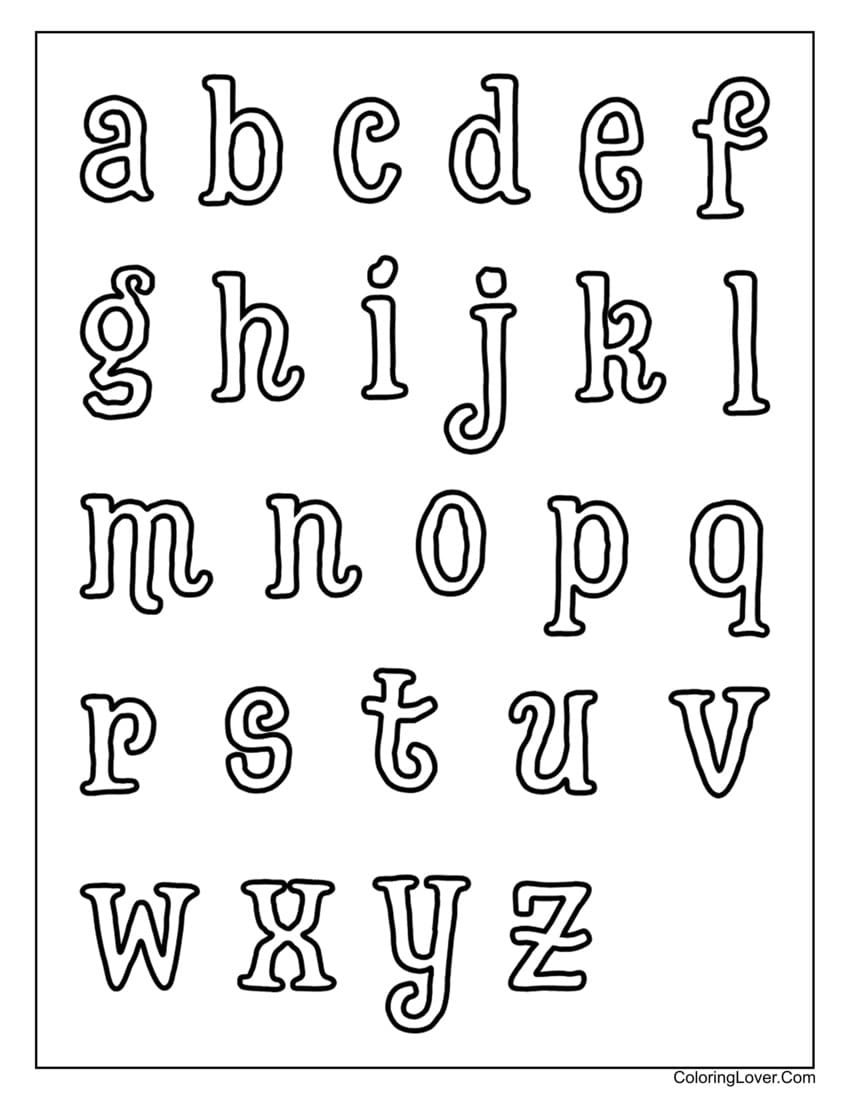
Enhancing Learning With Additional Activities
To make the most of your “Alphabets To Print And Color” templates, consider pairing them with other activities that reinforce letter learning. Here are some ideas:
- Letter Scavenger Hunt: After coloring, have students look around the classroom or home for items that start with the letter they just colored.
- Story Time: Read a book that features the letter of the day. This can help students connect the letter to real-world words and reinforce their understanding.
- Phonics Games: Create simple phonics games that incorporate the letters. For instance, you could ask students to think of words that start with the colored letter and share them with the class.