
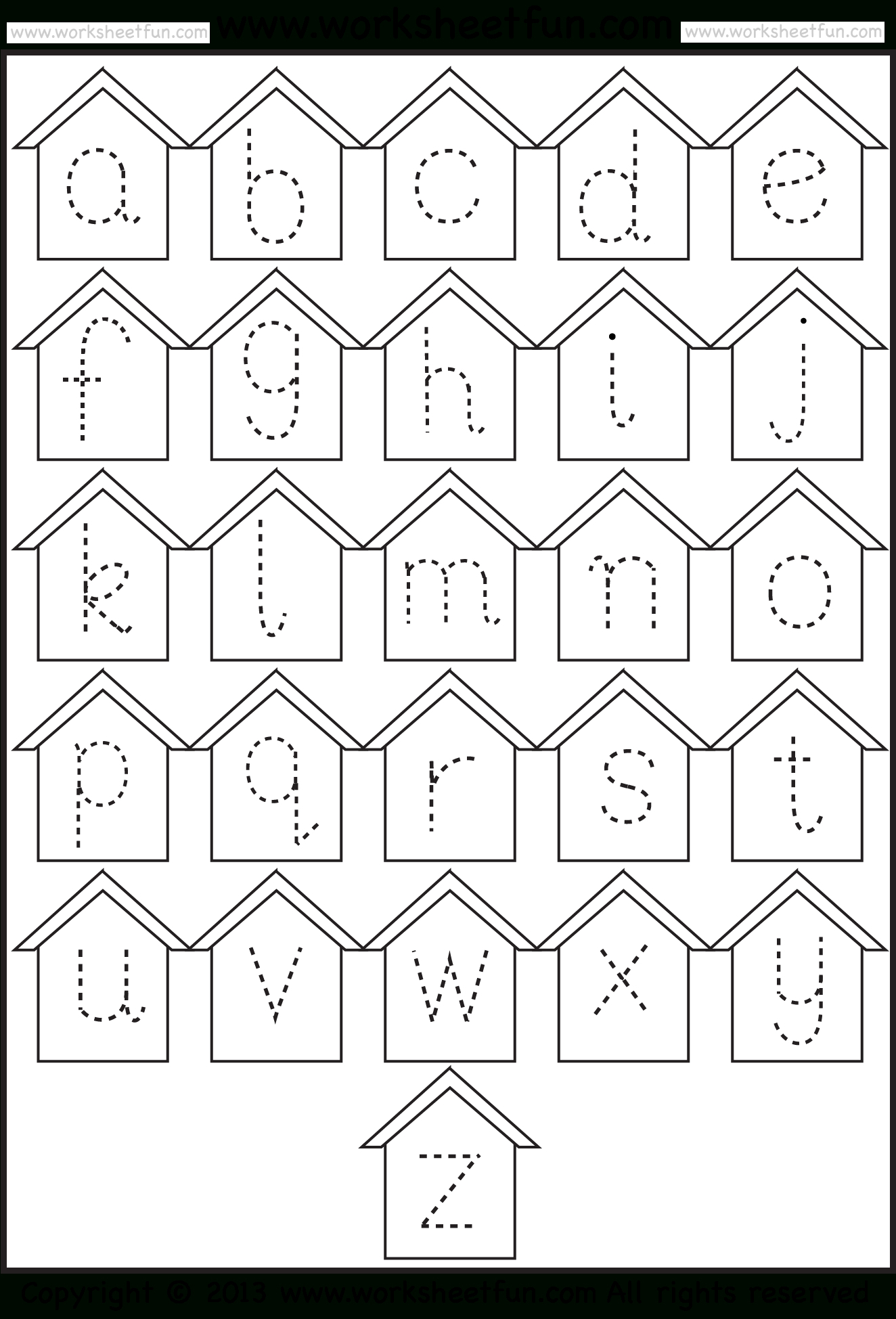
Teaching children to write lowercase letters can be a challenging task. Many young learners struggle with letter formation, spacing, and consistency. Alphabets Lowercase Letters Writing Worksheets are an excellent resource for parents and teachers looking to reinforce these essential skills in an engaging and structured way. These worksheets provide a hands-on approach to practicing writing, ensuring that students become comfortable with their letters through repetition and guided practice.
Understanding the Importance of Writing Practice
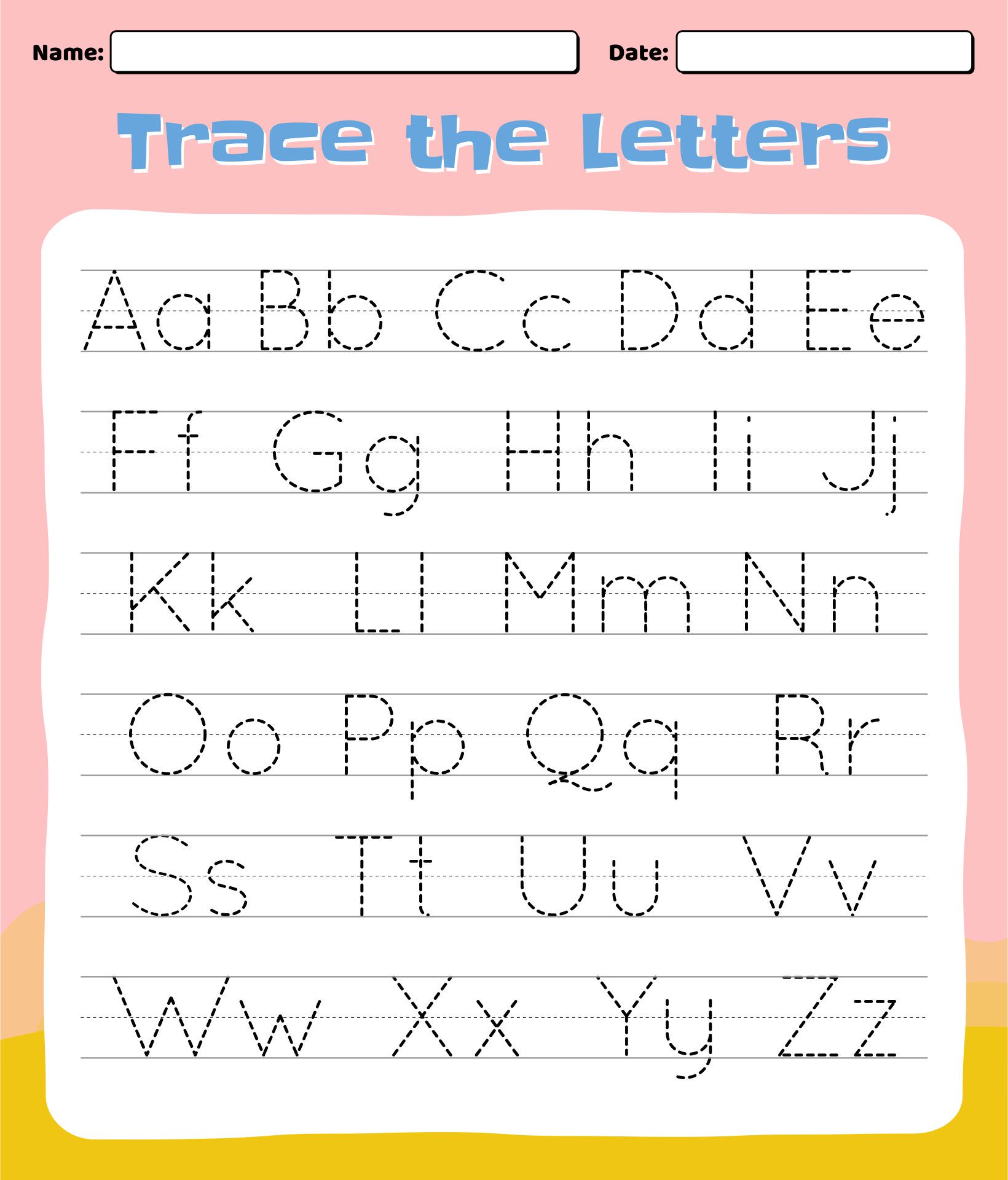
Writing is a fundamental skill that children develop in early education. Mastering lowercase letters is crucial for their literacy development, as most written text relies on these characters. By using Alphabets Lowercase Letters Writing Worksheets, you can help students build muscle memory in their fingers, which is essential for proper letter formation. Regular practice not only improves writing skills but also boosts confidence in young learners.
Incorporating writing worksheets into your teaching strategy supports various learning styles. Visual learners benefit from seeing the letters, while kinesthetic learners can engage with the physical act of writing. This multifaceted approach ensures that all students have the opportunity to succeed.
Selecting the Right Worksheets
When choosing Alphabets Lowercase Letters Writing Worksheets, consider the age and skill level of your students. Most worksheets are designed for preschool and kindergarten-aged children, typically ranging from 3 to 6 years old. At this stage, worksheets should focus on:
- Letter formation: Clear guides showing how to form each letter.
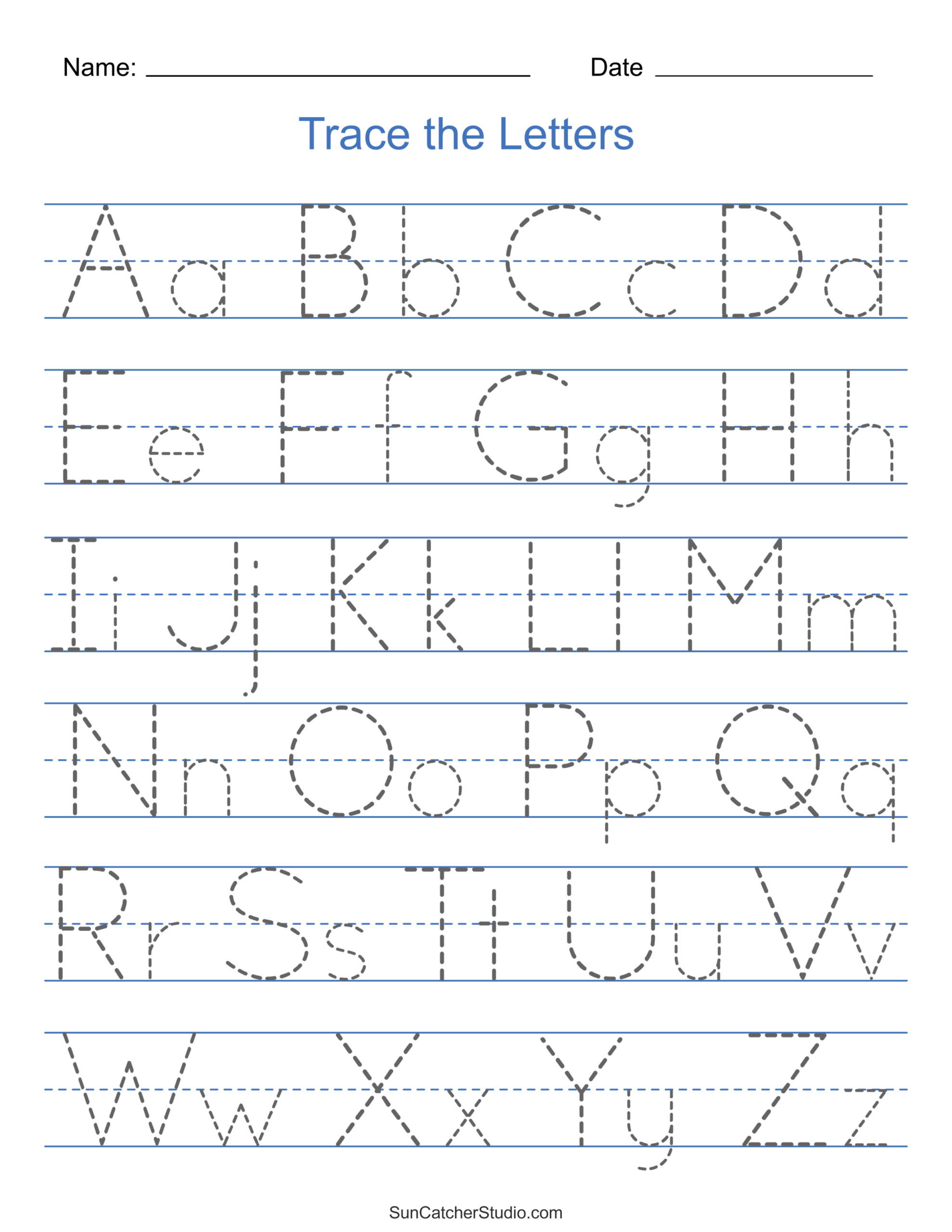
- Tracing: Sections where students can trace letters to practice fine motor skills.
- Independent writing: Space for students to write letters on their own after tracing.
Look for worksheets that are visually appealing, with colorful designs that can capture a child’s attention. Additionally, some worksheets may offer themed letters or fun illustrations to make learning more enjoyable.
Downloading and Printing Your Worksheets
Once you have selected the appropriate worksheets, the next step is to download and print them. Most printable resources are available in PDF format, which is ideal for ensuring that the layout remains consistent across different devices and printers.
When printing your worksheets:
- Choose the right paper size: Standard letter size (8.5 x 11 inches) works best for most printers. If you’re using a home printer, ensure it’s set to print at 100% scale to avoid shrinking the worksheets.
- Select the right printing settings: Use a portrait layout for worksheets, as this is more suitable for writing practice. If available, select a high-quality print setting to ensure that the lines are clear and easy to follow.
- Consider using cardstock: If the worksheets will be used multiple times, printing on cardstock can provide greater durability. You can also laminate them for repeated use, allowing children to practice with dry-erase markers.
Setting Up a Writing Practice Routine
To maximize the effectiveness of Alphabets Lowercase Letters Writing Worksheets, create a structured routine for practice. Spacing out writing sessions throughout the week is more beneficial than cramming all practice into one sitting. Here’s a suggested weekly plan:
- Day 1: Introduce the letters ‘a’ through ‘e’. Focus on tracing and independent writing.
- Day 2: Review letters ‘a’ through ‘e’ with additional practice. Introduce letters ‘f’ through ‘j’.
- Day 3: Mix practice by incorporating all ten letters learned so far. Encourage students to write simple words using these letters.
- Day 4: Introduce letters ‘k’ through ‘o’. Repeat tracing and independent writing.
- Day 5: Review all letters learned so far. Use fun activities, such as letter scavenger hunts or games, to reinforce learning.
This weekly structure allows children to build on their knowledge gradually, reinforcing what they’ve learned while keeping practice fresh and engaging.
Using Worksheets in the Classroom or at Home
Alphabets Lowercase Letters Writing Worksheets can be utilized in various settings, whether in a classroom or at home. Here are some practical tips for effective use:
- In the Classroom: Incorporate worksheets into your daily lesson plans. Use them for group activities or individual practice. Consider pairing students to work together, allowing them to support each other in their learning.
- At Home: Parents can use these worksheets as part of a daily routine. Set aside a specific time each day for writing practice, making it a fun and positive experience. Encourage siblings to practice together, fostering a supportive learning environment.
- Use Technology: If possible, incorporate apps or online resources that complement writing practice. Many educational apps offer interactive writing exercises that can engage children further.
Enhancing the Learning Experience
To make writing practice even more enjoyable, consider integrating other activities alongside the worksheets. Here are some ideas:
- Arts and Crafts: Have children create their own alphabet books, where they can illustrate and write letters.
- Games: Use letter blocks or flashcards to create games that reinforce letter recognition and writing skills.
- Story Time: Read books that emphasize lowercase letters and encourage children to identify these letters during the reading session.
These additional activities can help reinforce letter recognition and writing skills in a fun, engaging way.
As you embark on this journey of teaching lowercase letters, remember that patience and consistency are key. Celebrate small successes to keep learners motivated. One immediate tip: print a set of worksheets today and schedule a writing practice session this week. Your students will appreciate the structure and support as they develop their writing skills!