
Cursive writing is a vital skill that helps students develop their handwriting and fine motor skills. For teachers and parents looking to enhance their students’ or children’s writing abilities, Alphabets In Cursive Writing Worksheets are an excellent resource. These worksheets not only provide structured practice but also make the learning process engaging and fun.
Understanding Cursive Writing
Cursive writing is characterized by flowing letters that connect to each other, which can improve writing speed and legibility. It is typically introduced to students around the second or third grade, although some may begin earlier depending on their readiness. The transition from print to cursive can be challenging for many students, so providing ample practice is essential.
Benefits of Cursive Writing
- Improved Motor Skills: Writing in cursive requires more precise hand movements, which can enhance fine motor skills.
- Enhanced Memory: Studies suggest that writing in cursive can improve retention and understanding of the material.
- Personal Expression: Cursive writing allows for a unique personal style, which can boost a child’s confidence in their writing ability.
Using Alphabets In Cursive Writing Worksheets
When it comes to using these worksheets effectively, planning is key. Here are some practical tips for integrating these resources into your teaching or homeschooling routine:
Weekly Practice Plan
Instead of overwhelming students with extensive practice in one sitting, space out the use of cursive writing worksheets throughout the week. Here’s a simple plan you can follow:
- Monday: Introduce the alphabet letters A-F. Focus on letter formation and practice.
- Tuesday: Continue with letters G-L. Encourage students to connect letters.
- Wednesday: Practice letters M-R, emphasizing consistent size and slant.
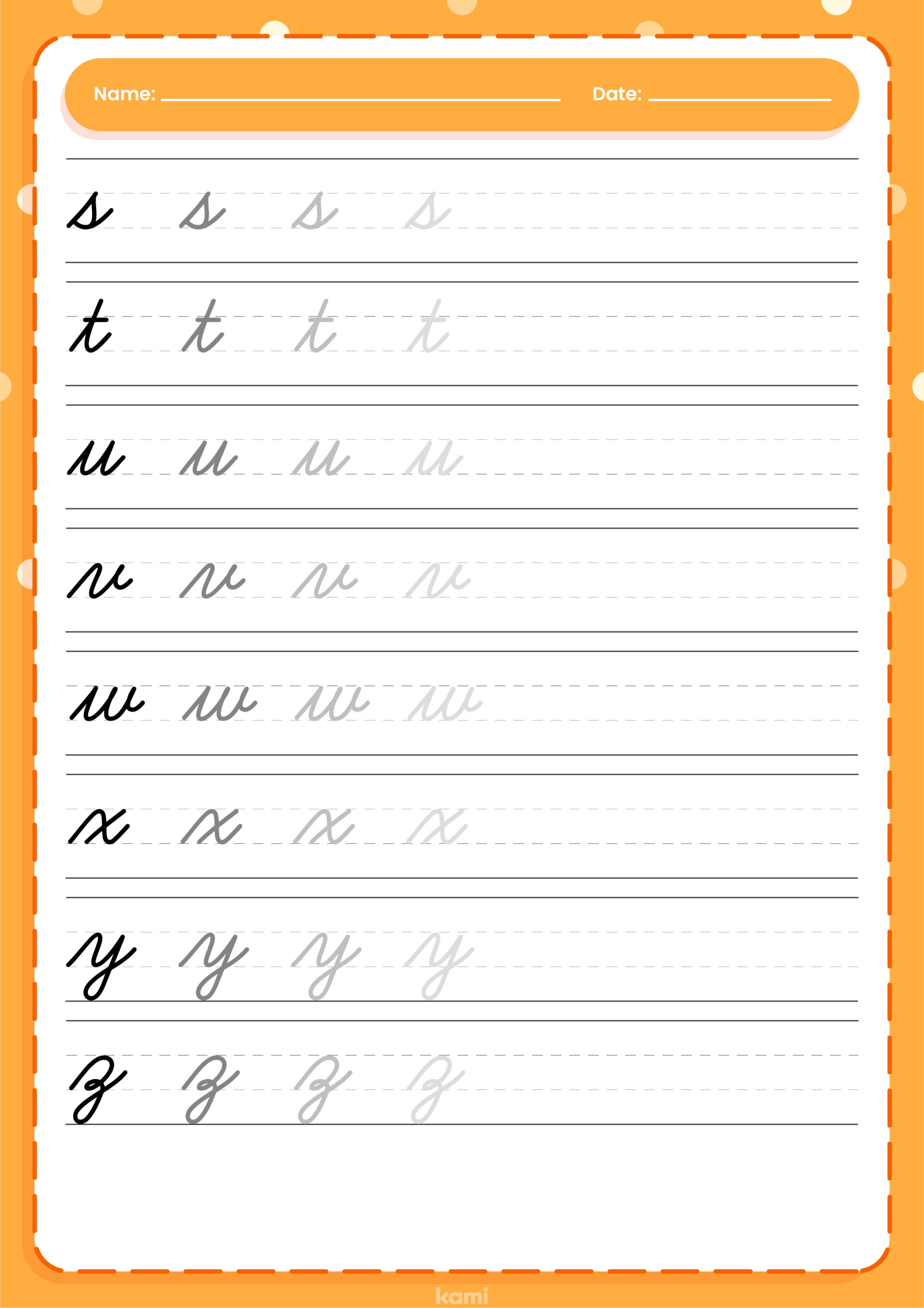
- Thursday: Move on to S-Z, revisiting tricky letters as needed.
- Friday: Review all letters with a fun writing exercise or a short dictation.
This staggered approach helps reinforce learning through repetition while keeping students engaged.
Structuring Worksheet Use
Each worksheet should ideally start with a model of the cursive letter. Here are some detailed structuring tips:
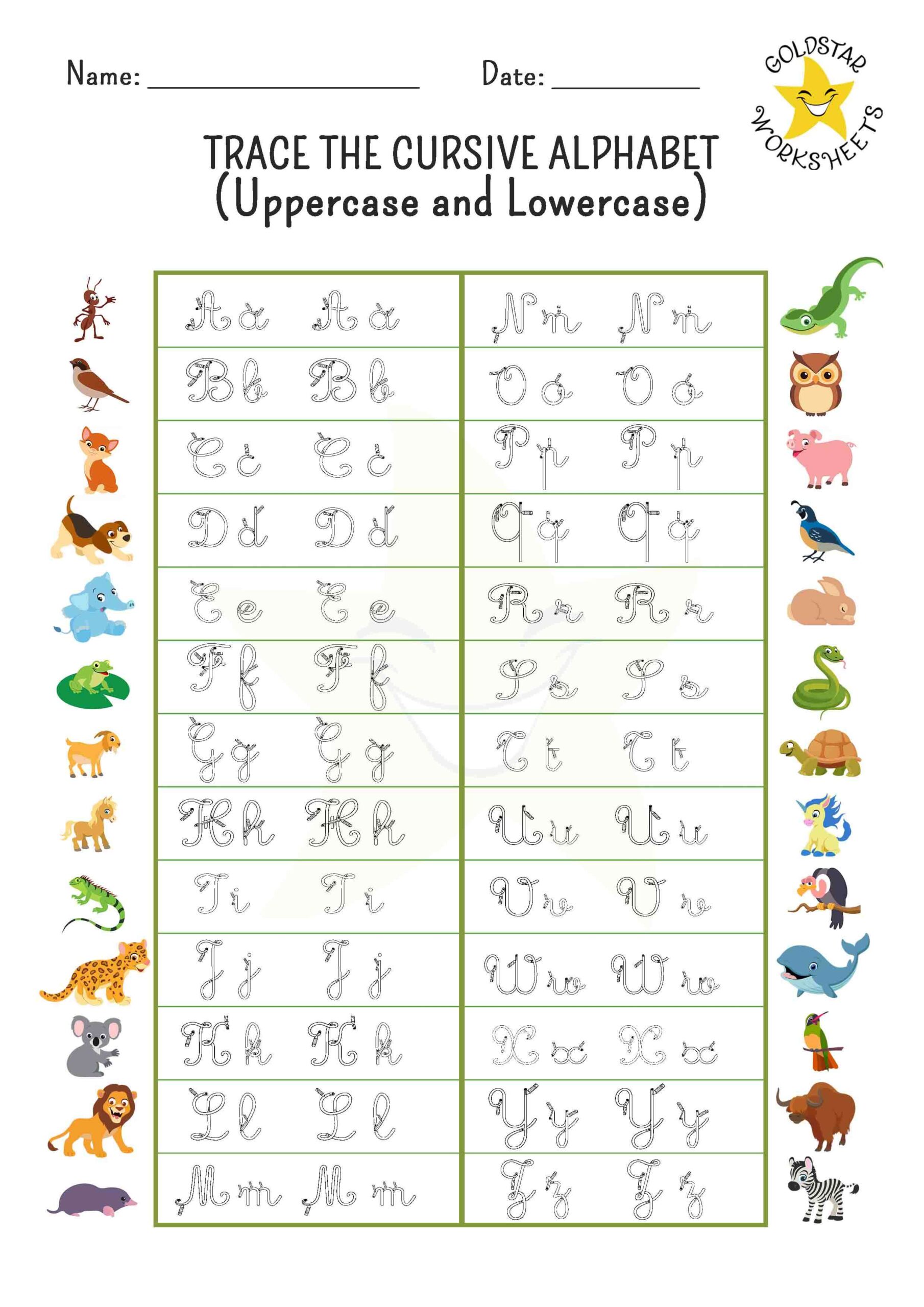
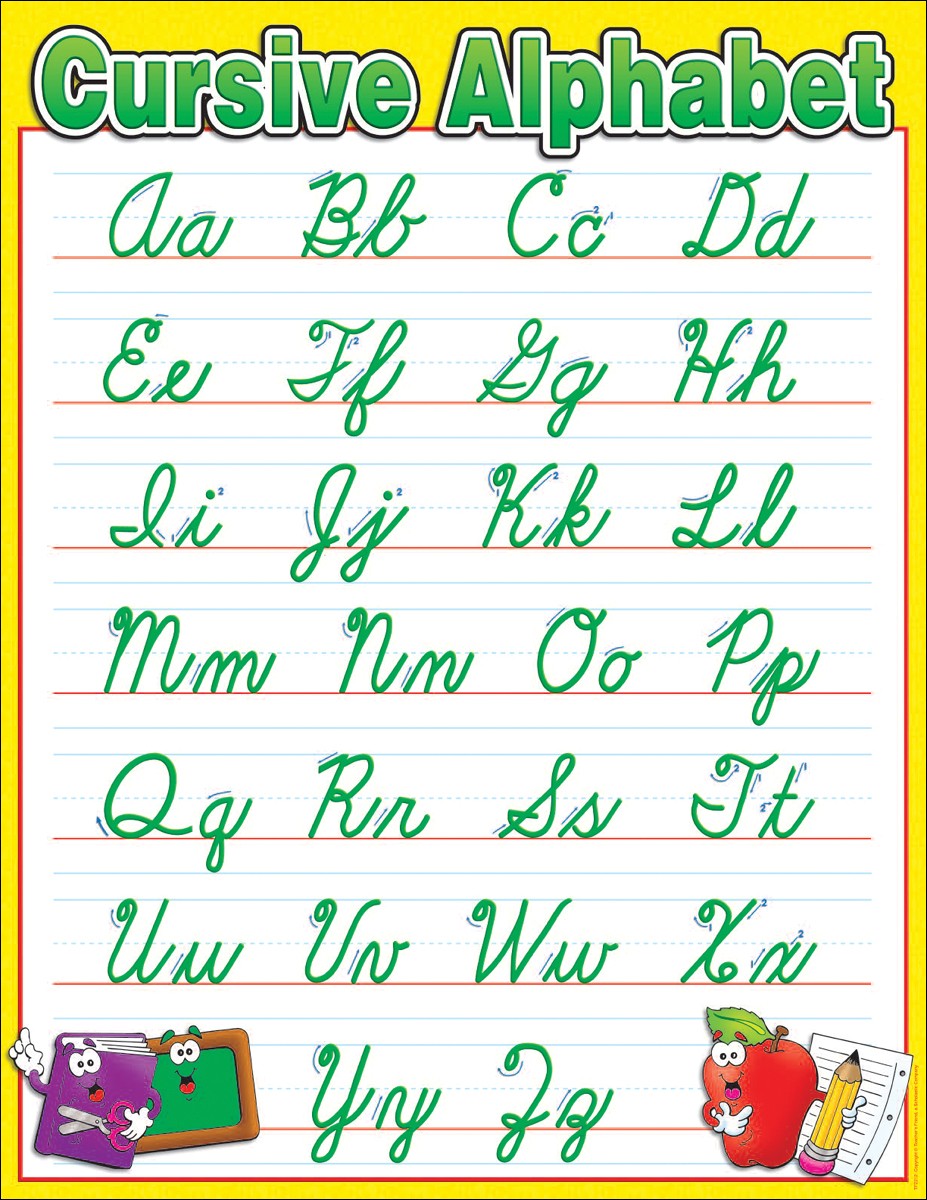
- Model Letters: Ensure each worksheet has clear examples of both uppercase and lowercase letters.
- Tracing Lines: Include dashed lines for students to trace the letters, gradually encouraging them to write independently.
- Feedback Section: Leave space on each worksheet for students to self-assess their work or for teachers to provide feedback.
Choosing the Right Format
When selecting or creating your Alphabets In Cursive Writing Worksheets, consider the following formats:
Printable Vs. Digital
- Printable Worksheets: These are excellent for classroom settings where students can write directly on paper. Use standard letter-size (8.5” x 11”) paper to avoid any scaling issues when printing.
- Digital Worksheets: If you’re working in a remote setting or prefer a tech-based approach, consider providing worksheets in PDF format. This allows for easy sharing and ensures consistent formatting across devices.
Design Considerations
Make sure the worksheets are visually appealing yet simple enough not to distract from the task at hand. Use light colors for tracing lines and clear, legible fonts for model letters.
Additional Resources and Activities
To complement the worksheets, consider incorporating additional activities that reinforce cursive writing skills:
Coloring Activities
Incorporate coloring pages that feature cursive letters. This not only makes learning fun but also helps improve motor skills.
Writing Sentences
Once students are comfortable with individual letters, encourage them to write simple sentences. This can be integrated into the weekly practice plan, allowing them to use the letters they’ve learned in context.
Cursive Writing Journals
Encourage students to maintain a cursive writing journal where they can practice writing daily. This could include personal reflections, creative writing, or even transcribing favorite quotes.