
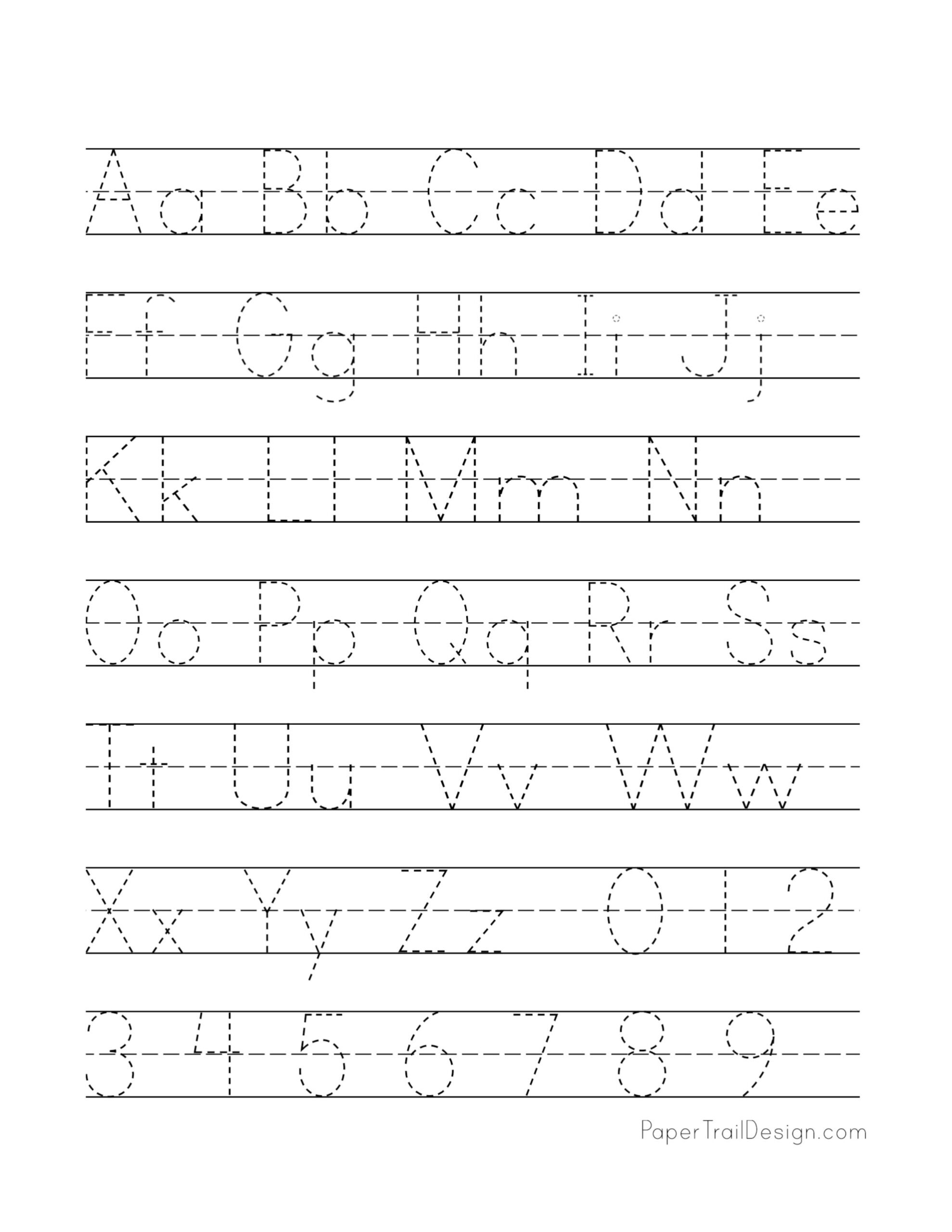
In a cozy homeschool setting, a young learner named Emma sits at her kitchen table, crayons scattered around, focused intently on her writing worksheet. Today, she’s working on Alphabets Capital Letters Writing Worksheets, which not only help her practice proper letter formation but also make learning engaging and fun. These worksheets are a fantastic resource for teachers and parents alike, enabling children to master their uppercase letters through hands-on practice.
Understanding the Importance of Capital Letters
Capital letters serve several essential functions in writing. They signify the beginning of sentences, highlight proper nouns, and convey emphasis. Understanding when and how to use capital letters is crucial for young learners as they begin their writing journey. By incorporating Alphabets Capital Letters Writing Worksheets into your teaching practices, you can provide children with the structured practice they need to grasp these concepts.
These worksheets are especially useful for preschool and early elementary students, generally ranging from ages 4 to 7. They offer a straightforward way for children to develop their handwriting skills while reinforcing their understanding of when to use capital letters in context.
Features of Effective Writing Worksheets
When selecting or creating Alphabets Capital Letters Writing Worksheets, consider the following key features to ensure they are effective and engaging for your students:
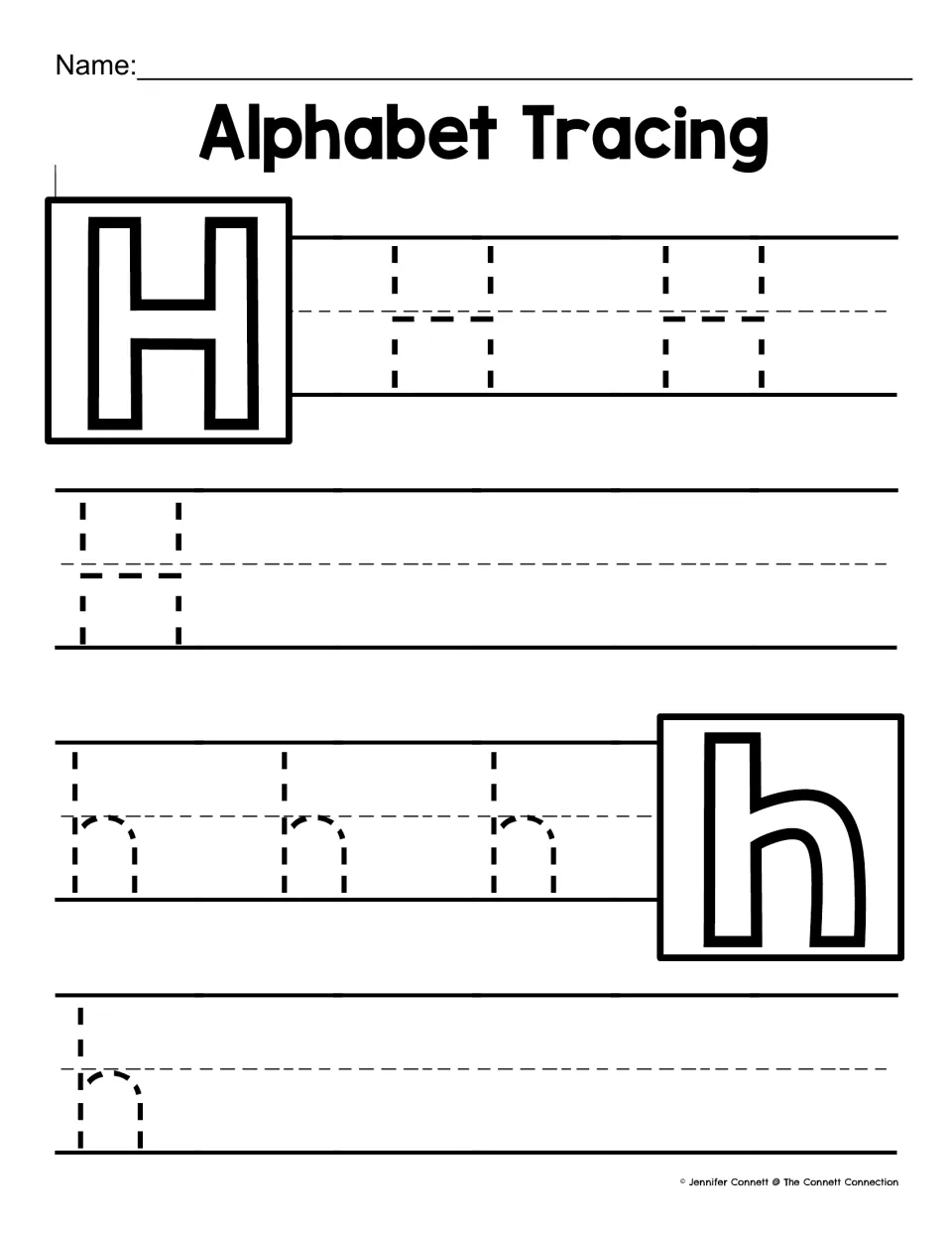
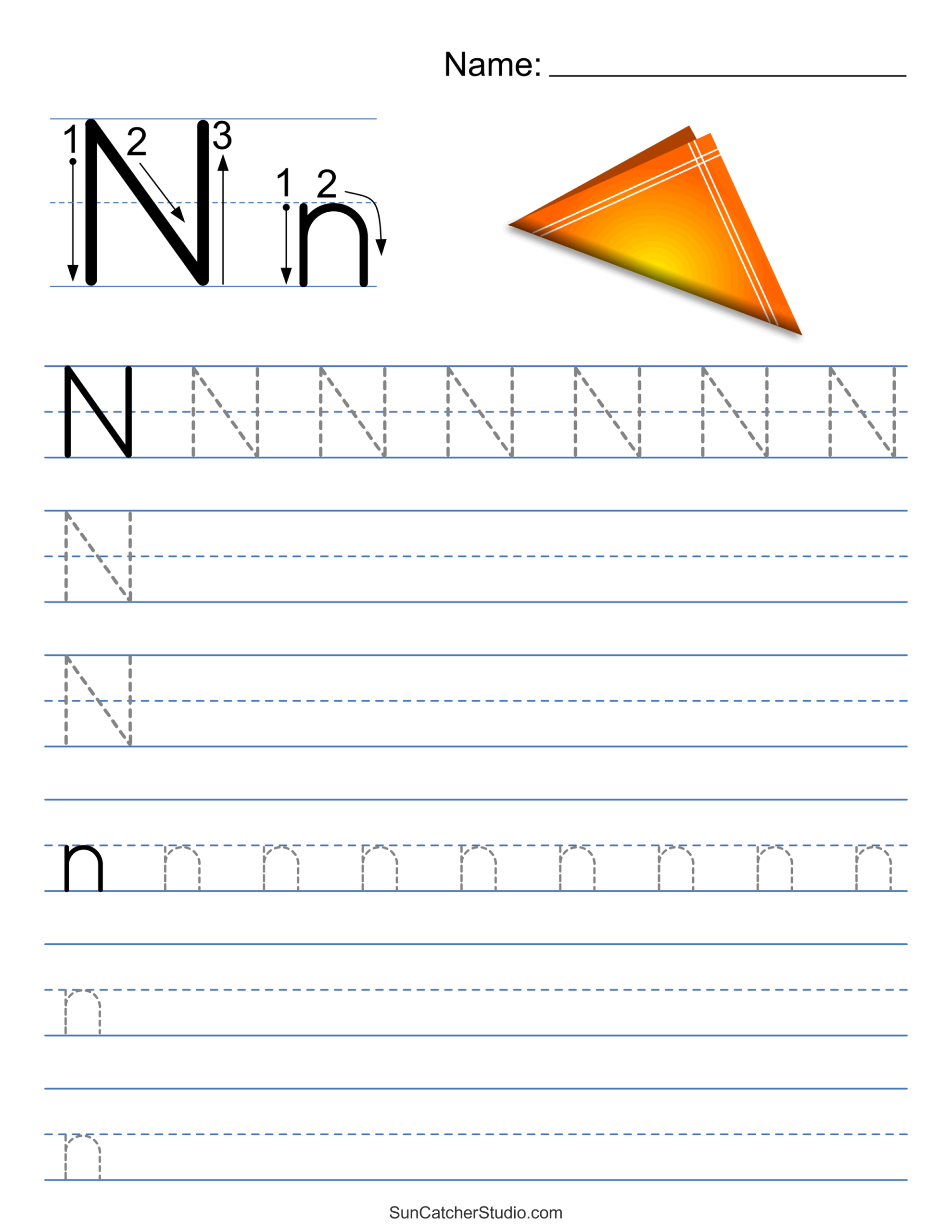
- Clear Letter Guides: Each worksheet should provide clear examples of capital letters, typically featuring dashed lines or dotted outlines that children can trace.
- Variety of Activities: Incorporating different types of activities—like tracing, filling in the blanks, or matching letters with corresponding images—can keep children engaged and reinforce their learning.
- Age-Appropriate Design: The design should be visually appealing yet simple enough that it doesn’t overwhelm young learners. Using playful fonts and colorful illustrations can enhance their interest.
- Progressive Difficulty: Start with easier letters and gradually introduce more complex ones. This helps build confidence as students progress through their learning journey.
- Space for Independent Practice: Worksheets should include blank spaces for students to practice writing letters on their own, fostering independence in their learning.
How to Use Capital Letters Writing Worksheets Effectively
Using Alphabets Capital Letters Writing Worksheets effectively involves more than just handing them out. Here are practical strategies for incorporating these resources into your teaching routine:
Structured Practice Sessions
Set up structured practice sessions where students can focus solely on their writing skills. Here’s a simple plan you might follow:
- Introduction: Begin with a brief review of capital letters—explain their importance and examples of when we use them.
- Demonstration: Show students how to trace each letter using the worksheet. Use a whiteboard or smart board for demonstration.
- Guided Practice: Allow students to trace letters on their worksheets while you circulate around the room, offering assistance as needed.
- Independent Practice: After guided practice, encourage students to write the letters independently in the provided blank spaces. This reinforces their learning.
Incorporating Fun Activities
To keep learning fresh and exciting, consider integrating fun activities alongside the worksheets:
- Letter Hunt: After practicing, have students find and circle capital letters in a short text or book.
- Creative Projects: Encourage students to create a poster or card that features their favorite capital letters, decorating it with drawings or stickers.
- Games: Use letter flashcards for a quick game of memory or matching, reinforcing their recognition of capital letters in a playful way.
Printable Resources and Accessibility
Having access to printable resources makes it easy for educators and parents to utilize Alphabets Capital Letters Writing Worksheets. Ensure that the worksheets are available in PDF format, as this is compatible with most devices and printers. Here are a few tips for printing and using these worksheets effectively:
- Paper Size: Standard letter size (8.5 x 11 inches) is typically the most convenient for printing. Portrait orientation generally works best for worksheets.
- Printing Settings: Adjust your printer settings to ensure that the worksheets print clearly. Selecting “Fit to Page” can help if your printer has issues scaling.
- Lamination: If you plan on reusing the worksheets, consider laminating them. This allows students to use dry-erase markers for practice, making them reusable and environmentally friendly.
Encouraging Progress and Feedback
As students work through their Alphabets Capital Letters Writing Worksheets, providing constructive feedback is essential. Here are some ways to encourage their progress:
- Positive Reinforcement: Always highlight what they did well before suggesting improvements. This builds confidence and motivates them to continue practicing.
- Set Goals: Encourage students to set small, achievable goals. For example, mastering three letters a week can keep them focused and motivated.
- Parent Involvement: Share the worksheets with parents, encouraging them to engage in their child’s learning at home. This partnership can significantly enhance a child’s writing skills.
By utilizing the Alphabets Capital Letters Writing Worksheets effectively, you can create a structured, engaging learning environment that fosters essential writing skills in young learners. As they practice, they’ll gain the confidence needed to express themselves through writing, setting a strong foundation for their future education.
Consider providing options for both tracing and independent writing, and remember that the more enjoyable the process, the more likely children will embrace learning these vital skills.