
Using Alphabetical Order Worksheets for medical records is an effective way to help students learn organization skills that are essential in many professional environments. These worksheets provide a structured approach to arranging information alphabetically, making it easier for students to understand how to manage data efficiently. This skill is particularly important in the medical field, where accurate record-keeping is crucial.
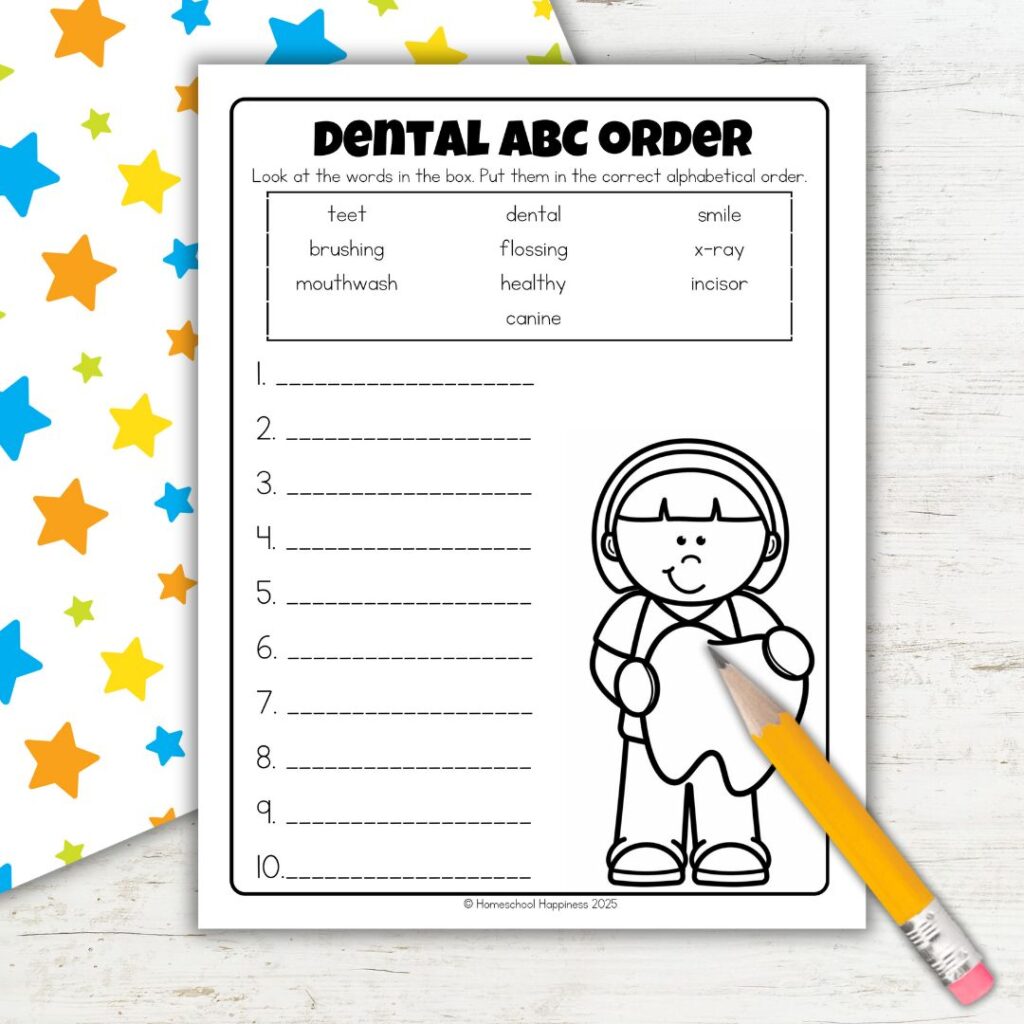
Understanding the Importance of Alphabetical Order
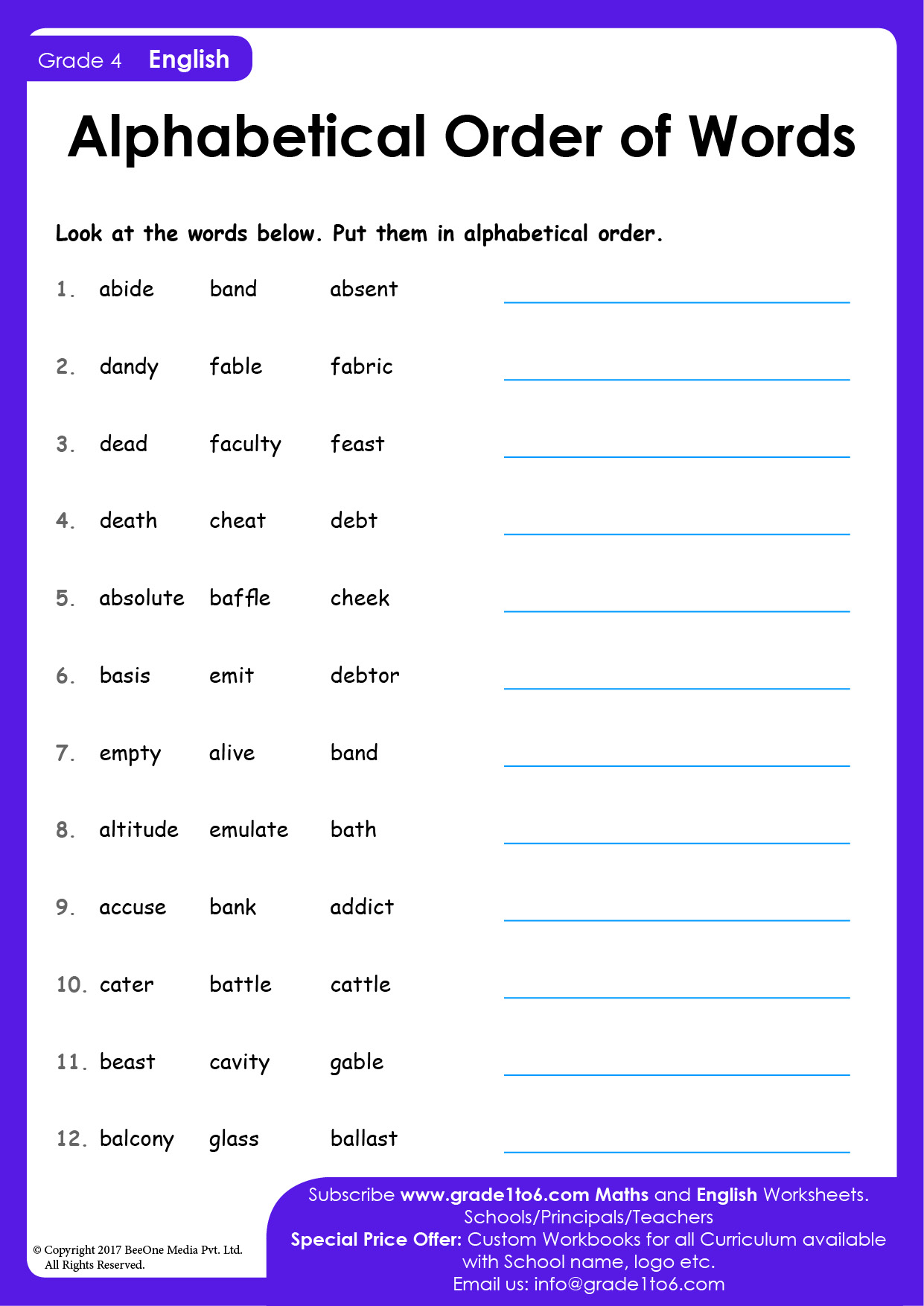
Learning to organize information alphabetically is foundational for students, especially in fields like healthcare. Alphabetical order is more than just a way to sort; it’s a fundamental skill that helps students navigate various types of information, from patient records to medication lists. By using Alphabetical Order Worksheets for Medical Records, students can practice this skill in a context that mirrors real-world applications.
The worksheets typically include a variety of exercises that encourage students to categorize names, terms, or other relevant data in alphabetical order. This not only reinforces their understanding of alphabetical sequencing but also prepares them for tasks they may encounter in their future careers.
Features of Effective Alphabetical Order Worksheets
When selecting Alphabetical Order Worksheets for Medical Records, look for specific features that enhance their educational value:
- Clear Instructions: Each worksheet should provide straightforward guidance on how to complete the tasks. Instructions should be easy to follow, enabling students to work independently.
- Variety of Activities: Worksheets that include different types of exercises—such as matching terms, filling in blanks, or sorting lists—can keep students engaged and reinforce learning in multiple ways.
- Real-World Context: Worksheets that incorporate terms and scenarios from the medical field can make the exercises feel more relevant and applicable. This context aids retention and understanding.
- Adjustable Difficulty Levels: Good worksheets will cater to various skill levels, allowing for differentiation. Some may offer simpler tasks for younger learners while providing more complex challenges for advanced students.
Practical Usage in the Classroom or Home
Using these worksheets can be beneficial in various educational settings, whether in a classroom or home environment. Here are some practical ways to implement them:
- Independent Practice: Assign worksheets as homework to encourage practice outside of the classroom. This reinforces skills learned during lessons and allows for self-paced learning.
- Group Activities: Use worksheets in group settings where students can collaborate. This encourages discussion and helps students learn from each other.
- Assessment Tools: Teachers can use these worksheets as informal assessments to gauge students’ understanding of alphabetical ordering. This can help identify areas where students may need additional support.
- Supplemental Resources: Alphabetical order worksheets can be paired with other resources, such as flashcards or digital tools, to create a comprehensive learning experience.
Downloading and Printing Worksheets
When you decide to use Alphabetical Order Worksheets for Medical Records, consider the following tips for downloading and printing:
- File Formats: Look for worksheets available in PDF format. PDF files maintain their formatting, ensuring that the worksheets look the same when printed as they do on screen.
- Paper Size: Standard letter size (8.5 x 11 inches) is ideal for most home printers. Ensure your printer settings are adjusted to this size to avoid any formatting issues.
- Print Quality: For best results, select high-quality print settings. This ensures that all text is clear and easy to read, which is particularly important for educational materials.
- Laminating for Durability: If you plan to use the worksheets multiple times, consider printing them on cardstock and laminating them. This will make them more durable and allow for dry-erase use.
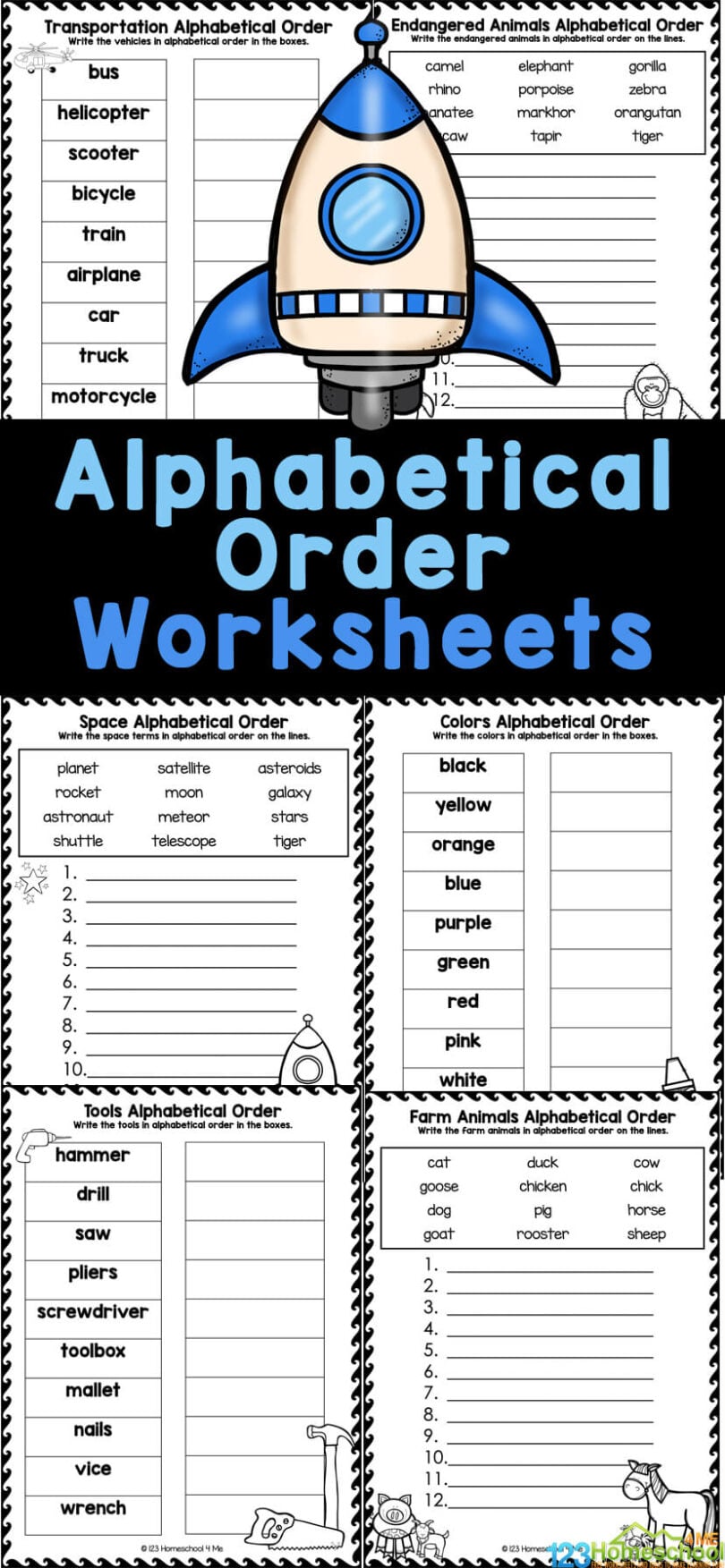
Engaging Students With Interactive Elements
To keep students motivated, consider incorporating interactive elements into the worksheets:
- Color-Coding: Use different colors for different types of records or categories to make the activity visually stimulating.
- Incorporate Technology: If possible, link the worksheets with online resources or apps that allow for digital sorting and categorizing. This can enhance engagement.
- Rewards for Completion: Set up a reward system for students who complete their worksheets accurately and quickly. This can foster a sense of accomplishment.