
Understanding the importance of organizing words in alphabetical order is a foundational skill for first graders. Alphabetical Order Worksheets For First Graders provide an engaging way to practice this essential skill. These worksheets help children learn to recognize the sequence of letters and improve their vocabulary, spelling, and reading comprehension.
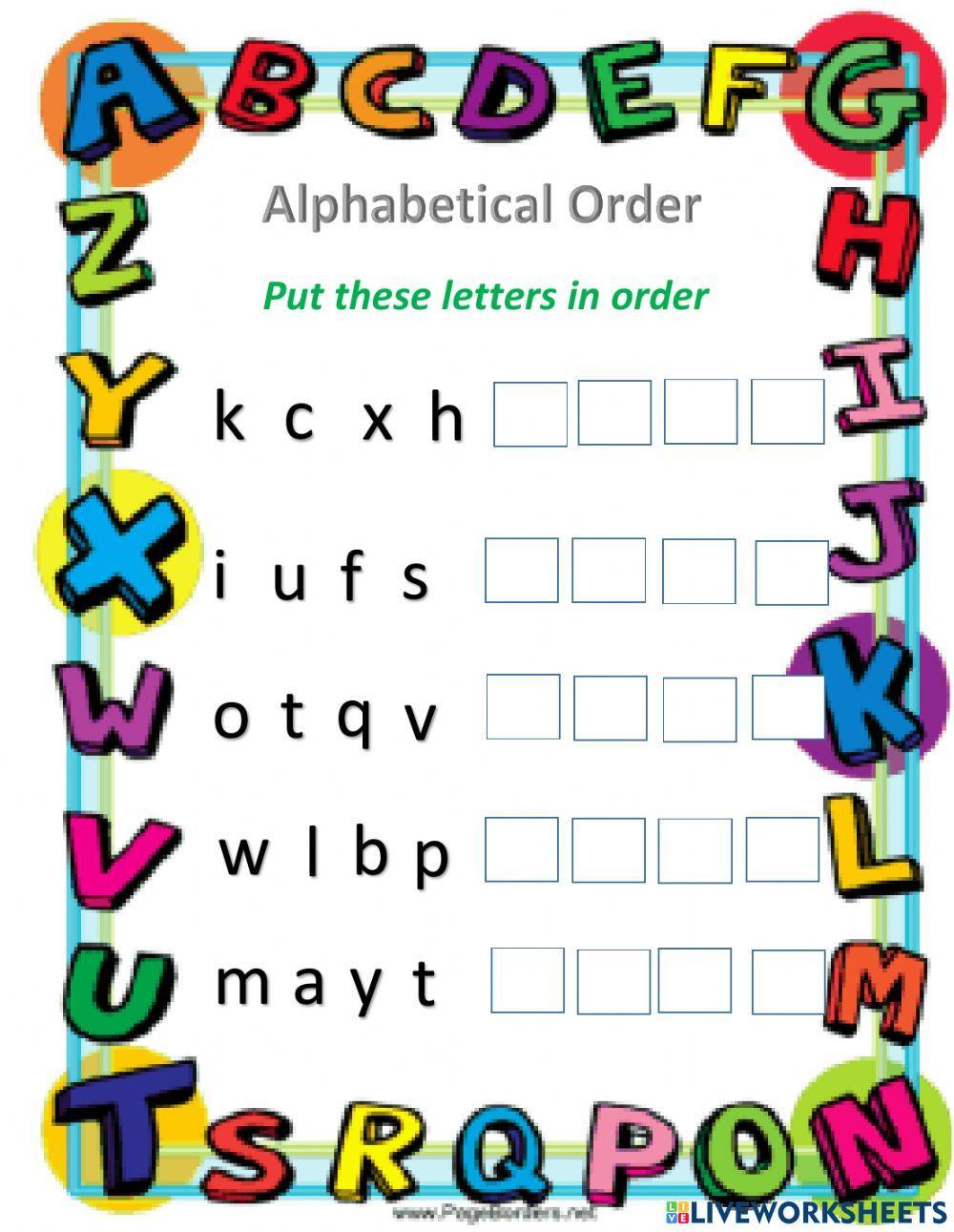
The Importance of Alphabetical Order
Teaching first graders about alphabetical order is crucial for several reasons. First, it lays the groundwork for effective dictionary use, which is a vital skill for reading and writing. When children understand how to locate words in alphabetical order, they can quickly access information. Additionally, this skill enhances their ability to categorize and sort items, which is fundamental in mathematics and science.
In the classroom or at home, worksheets focusing on alphabetical order can be integrated seamlessly into daily activities. For instance, after a reading lesson, teachers can distribute worksheets that require students to list words from the story in alphabetical order. This reinforces both comprehension and organizational skills.
Types of Alphabetical Order Worksheets
Various types of worksheets are available for teaching alphabetical order, each catering to different learning styles and preferences. Here are some common formats you might consider:
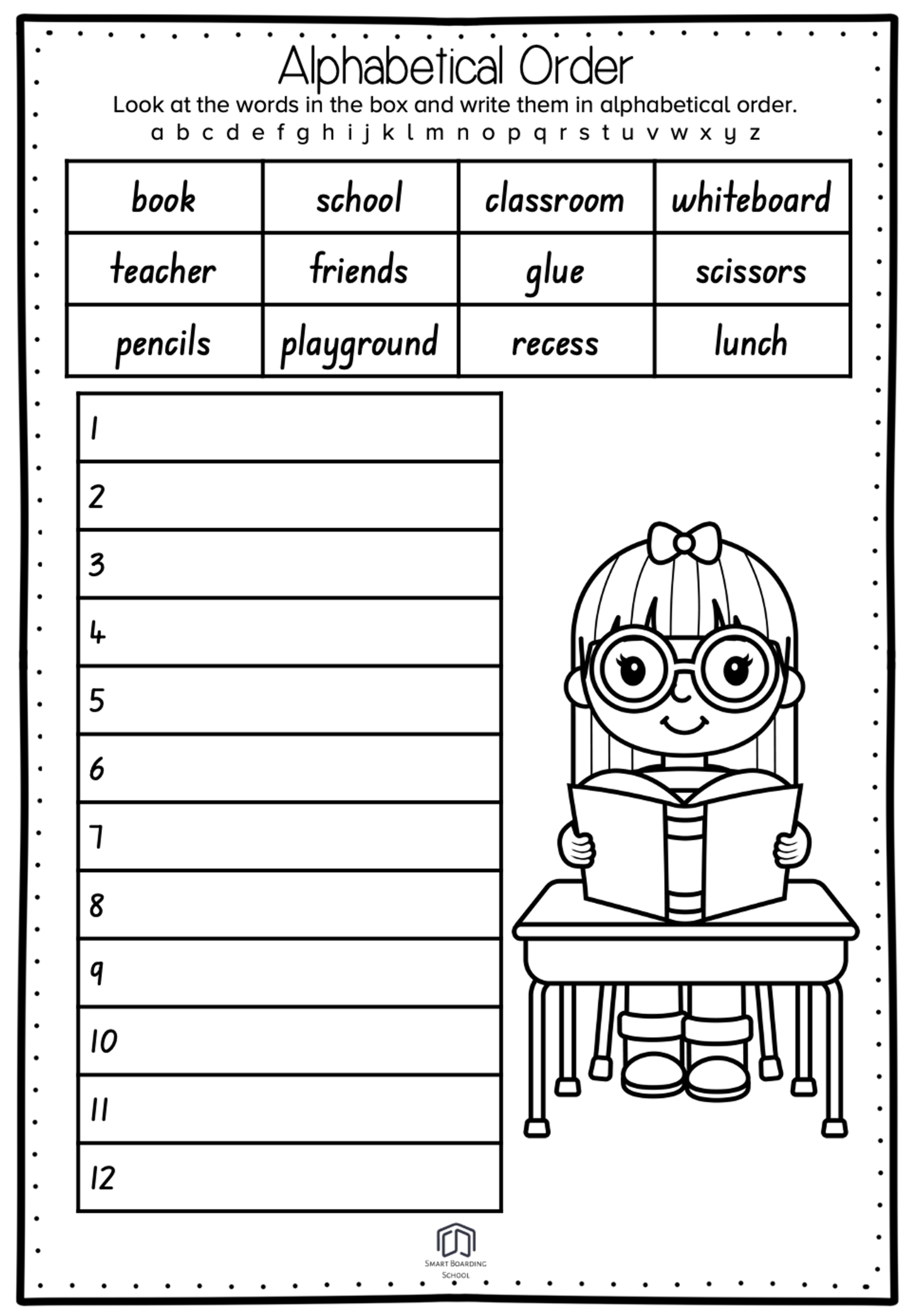
- Word Lists: These worksheets present students with a list of words. Students are tasked with rewriting them in alphabetical order, which reinforces spelling and recognition.
- Picture Sorting: Worksheets featuring images allow students to match pictures with words and arrange them alphabetically. This visual approach can be particularly effective for young learners.
- Fill-in-the-Blanks: These worksheets prompt students to fill in missing letters or words in an alphabetical list, encouraging them to think critically about word order.
- Interactive Games: Some worksheets incorporate puzzles or games that make learning alphabetical order fun and engaging.
Choosing the right type of worksheet depends on your teaching strategy and your students’ learning preferences. For instance, a visual learner may benefit more from picture sorting worksheets, while auditory learners might excel with word lists.
How to Use Alphabetical Order Worksheets Effectively
Integrating alphabetical order worksheets into your teaching plan can be done in several effective ways. Here are some practical tips:
- Set Clear Objectives: Before distributing the worksheets, explain the goal of the exercise. Clarifying that the aim is to learn the sequence of letters will help students understand its significance.
- Model the Process: Demonstrate how to sort words alphabetically using a few examples on the board. This modeling helps students grasp the concept before they attempt it independently.
- Group Work: Encourage collaboration by having students work in pairs or small groups. This peer interaction can foster discussion and enhance learning.
- Incorporate Technology: If available, consider using digital versions of alphabetical order worksheets. Interactive formats can engage students and provide instant feedback.
- Review and Reflect: After completing the worksheets, hold a class discussion to review the answers. This reflection helps reinforce learning and clarifies any misunderstandings.
By incorporating these strategies, teachers can ensure that their students are not only completing worksheets but also genuinely learning the importance of alphabetical order.
Printable Resources and Where to Find Them
Finding high-quality, printable alphabetical order worksheets is easier than ever. There are numerous websites that specialize in educational resources for teachers and parents. Look for sites that offer free or low-cost downloads with a variety of worksheet types.
When searching, consider the following tips:
- Search by Grade Level: Ensure that the worksheets are specifically designed for first graders. This ensures the content is age-appropriate and aligned with their learning needs.
- Look for Customization Options: Some resources allow for customization, letting you choose specific words or themes that relate to your current curriculum.
- Check for Answer Keys: Worksheets with answer keys can save time when grading and provide a quick reference for students to check their work.
By utilizing these resources, teachers and parents can easily access a wealth of materials that can enhance a child’s understanding of alphabetical order.
Engaging Activities to Reinforce Learning
Worksheets are a great starting point, but reinforcing the concept of alphabetical order through engaging activities can enhance retention. Here are a few ideas:
- Alphabetical Order Games: Create a classroom game where students race to arrange a set of words alphabetically. This can be done with flashcards or a digital app.
- Word Hunt: Encourage students to find items in the classroom or at home that begin with each letter of the alphabet. They can create a scrapbook or poster displaying their findings.
- Story Creation: Have students write a short story using a list of words that they must arrange in alphabetical order. This integrates creativity with learning.
These activities not only make learning fun but also provide practical applications for the skill.
Incorporating Alphabetical Order Worksheets For First Graders into your teaching routine can significantly enhance students’ literacy skills. By choosing the right worksheets, employing effective teaching strategies, and supplementing with engaging activities, you can create a comprehensive learning experience that resonates with young learners. A practical tip to implement today: print a worksheet that features a mix of word types, from nouns to verbs, to diversify the learning experience and keep students engaged.