
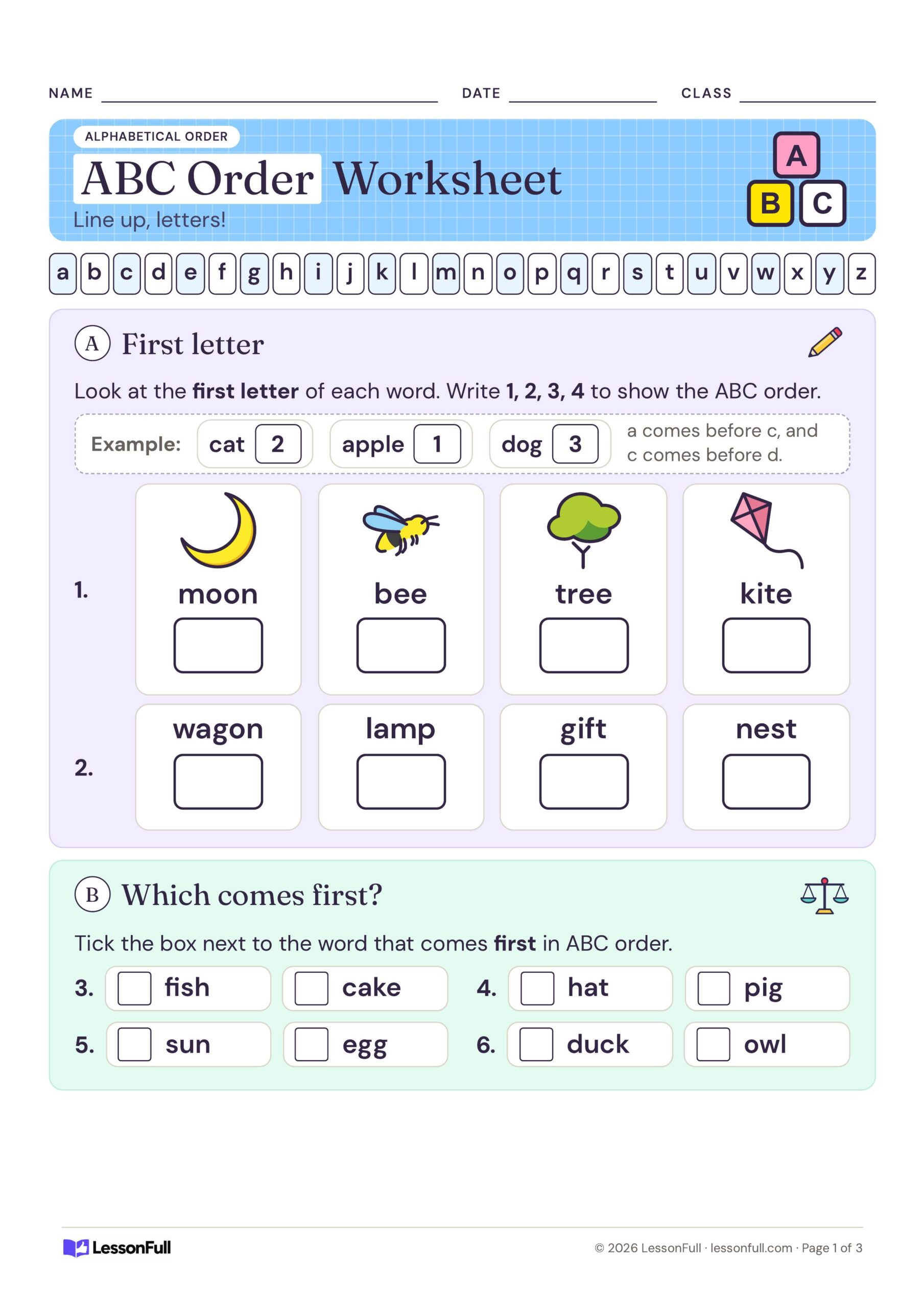
Understanding the order of letters is a crucial building block in early literacy. The Alphabetical Order To The Third Letter Worksheets are excellent tools for helping young learners grasp how to sort words based on their initial letters and extend that understanding to the third letter. These worksheets can be particularly useful for kindergarten and early elementary students, typically ranging from ages 5 to 8.
Why Use Alphabetical Order To The Third Letter Worksheets?
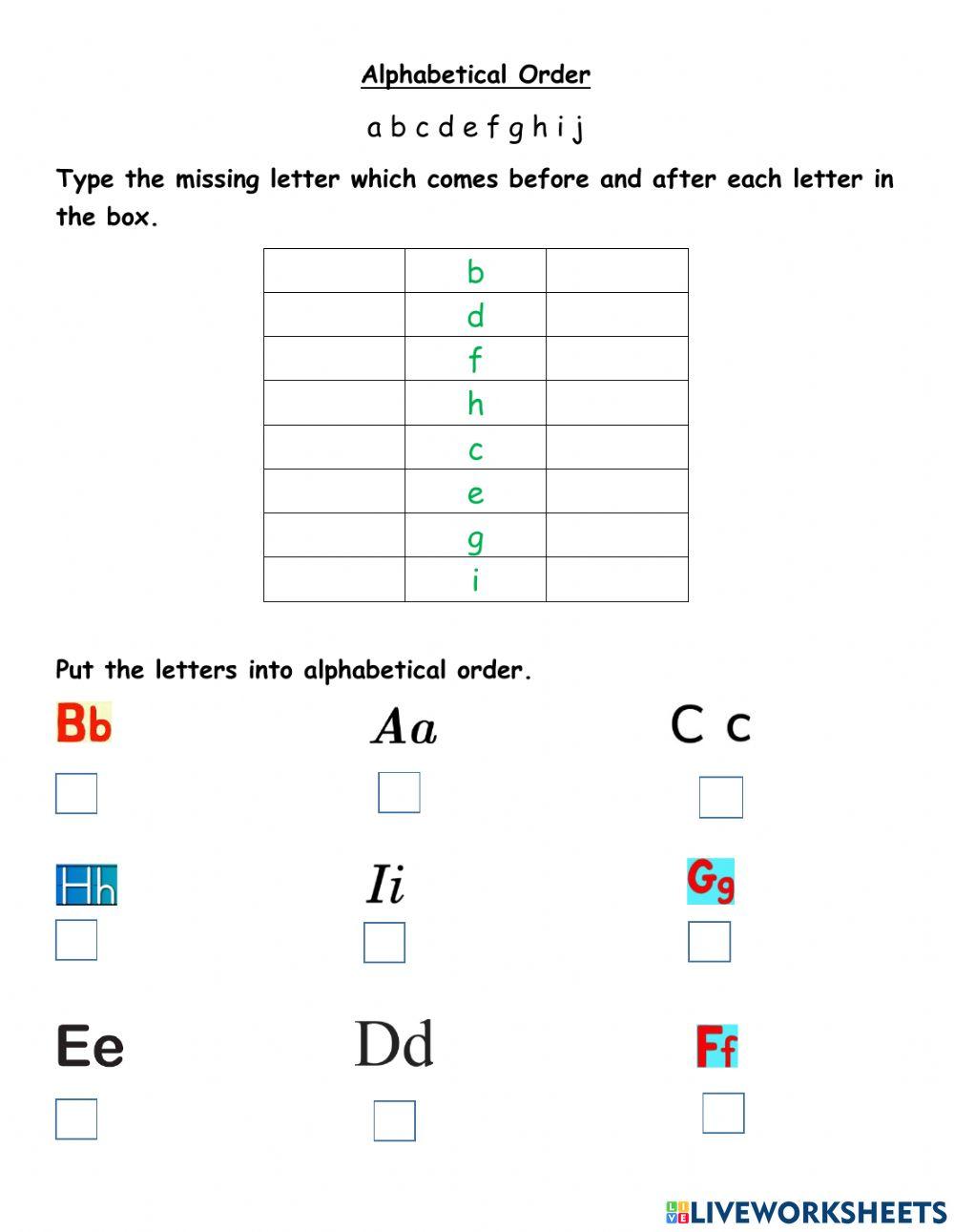
Teaching alphabetical order is essential for developing reading and writing skills. These worksheets provide a structured approach to help children practice identifying and organizing words. By focusing on the first three letters, students learn to differentiate between words that may start the same but have different endings. This skill not only enhances vocabulary but also aids in dictionary usage and cataloging in various contexts.
Selecting the Right Worksheets
When choosing Alphabetical Order To The Third Letter Worksheets, consider the following factors:
- Grade Level Appropriateness: Ensure the worksheets are aimed at the correct age group. For instance, kindergarten students will benefit from simple words, while first and second graders can handle more complex vocabulary.
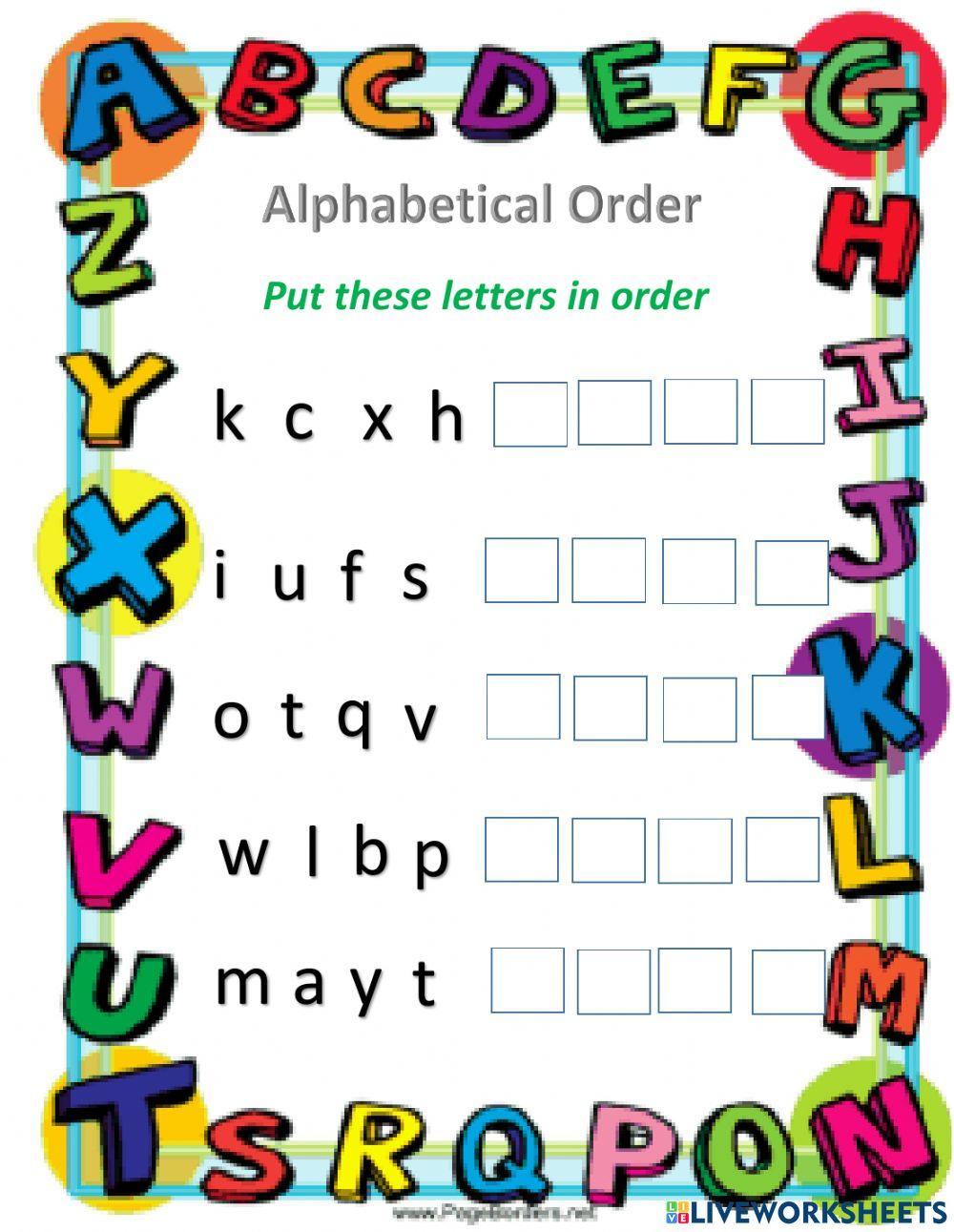
- Engagement Factor: Look for worksheets that incorporate colorful images or themes. Engaging visuals help maintain the students’ interest and make the learning process enjoyable.
- Format: Choose between printable PDF formats or editable digital versions, depending on your classroom needs. Printable worksheets are great for hands-on activities, while digital options can facilitate remote learning.
How to Use the Worksheets in Class
Implementing the Alphabetical Order To The Third Letter Worksheets in your teaching routine can be straightforward. Here’s a step-by-step guide:
- Download and Print: Begin by downloading the worksheets from a reliable resource. Ensure your printer settings are adjusted for quality; using standard letter size (8.5 x 11 inches) is typically best for worksheets.
- Bulk Printing: If you’re teaching a full class, print enough copies for each student. Consider using cardstock for durability, especially if you plan on reusing the worksheets.
- Introduce the Concept: Before handing out the worksheets, take a moment to explain the concept of alphabetical order. Use a whiteboard or chart to illustrate how to organize words by their first, second, and third letters.
- Guided Practice: Distribute the worksheets and walk students through the first few examples. Encourage them to sound out the letters as they work through the exercises.
- Independent Work: Allow students to complete the remaining exercises independently. This step reinforces their understanding and builds confidence in their skills.
- Review and Discuss: After the worksheets are completed, review the answers as a class. Discuss any mistakes and clarify misunderstandings. This collaborative review helps solidify the learning.
- Assess Understanding: Use the completed worksheets as informal assessments to gauge each student’s understanding of alphabetical order. This can help inform future lesson planning.
Variations for Home Learning
These worksheets are not just for the classroom; they can also be valuable resources for homeschooling. Here are some tips for parents:
- Interactive Learning: Turn worksheet activities into games. For example, have children race to see who can alphabetize a list of words the fastest.
- Daily Practice: Incorporate these worksheets into daily learning routines. A few minutes each day can significantly enhance a child’s skills over time.
- Supplement with Other Activities: Pair the worksheets with other activities, such as reading books that emphasize alphabetical order or organizing items at home alphabetically.
Handling Answer Keys and Grading
If you’re using these worksheets for assessment, having an answer key is essential. Here are a few practical tips:
- Create a Master Copy: Keep a master copy of the answer key for your reference. This will save time during grading.
- Mark Efficiently: Develop a simple marking scheme that allows you to quickly assess each student’s understanding. For example, consider using checkmarks for correct answers and brief comments for incorrect ones.
- Feedback: Provide constructive feedback on the worksheets. This helps students understand where they can improve.
Incorporating Alphabetical Order To The Third Letter Worksheets into your teaching strategy not only helps students learn this vital skill but also makes learning fun and interactive. Remember, the goal is to create an environment where students feel empowered to explore language and its structure. A simple yet effective detail to keep in mind: using a mix of simple and challenging words can cater to different learning paces within your classroom.