
When it comes to teaching preschoolers, finding effective resources can be a challenge. Alphabet Writing Pages For Preschoolers provide an excellent way to introduce young learners to the letters of the alphabet in a fun and engaging manner. These pages not only help children practice their writing skills but also support their overall literacy development. In this article, we’ll explore the layout, features, and practical uses of these writing pages while offering tips on how to maximize their effectiveness in the classroom or at home.
Understanding the Layout of Alphabet Writing Pages
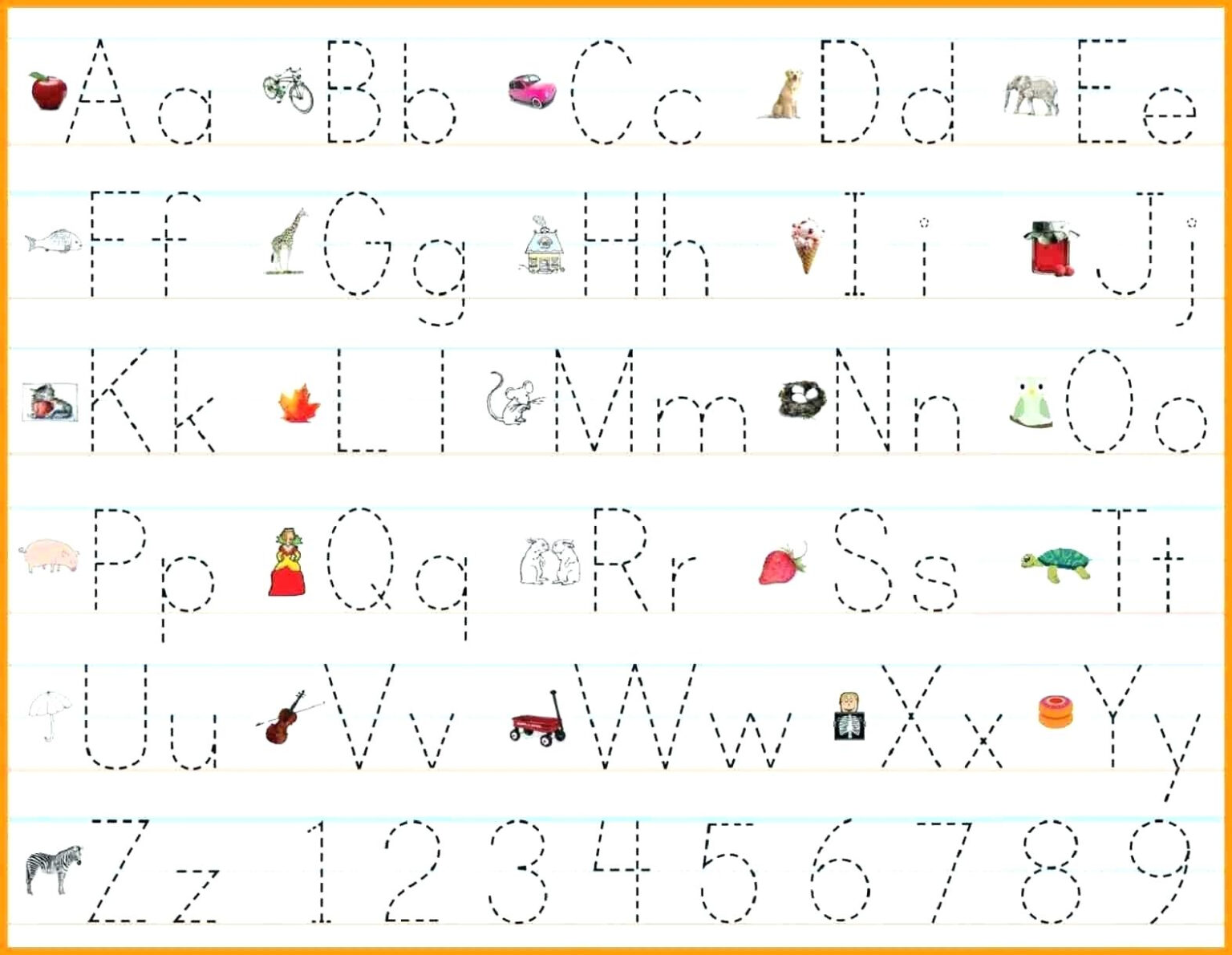
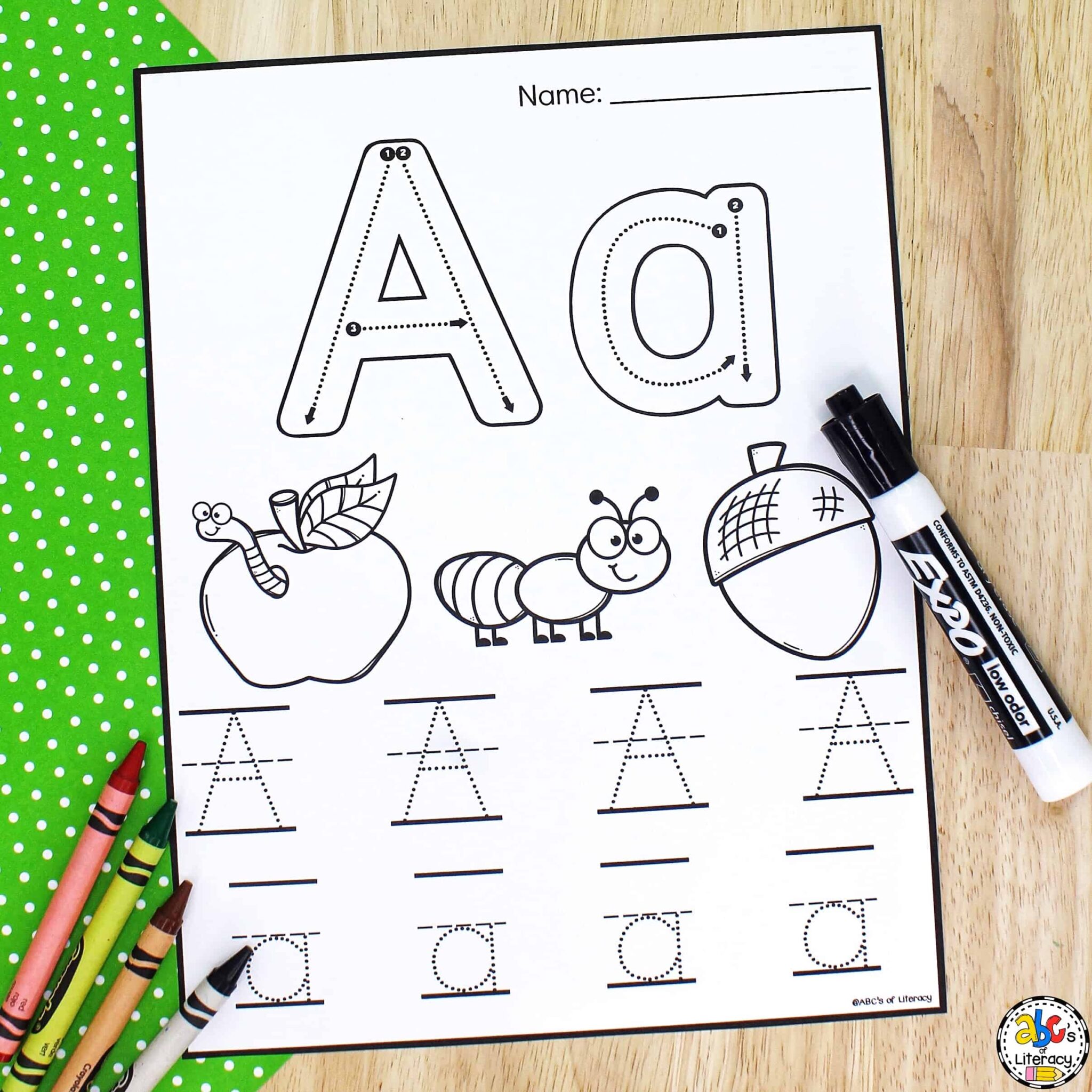
The layout of Alphabet Writing Pages is specifically designed to cater to preschoolers’ learning needs. Typically, each page features a large, clear letter at the top, often accompanied by a corresponding image that begins with that letter. For example, the letter “A” might be paired with an apple. This visual connection aids in letter recognition and phonemic awareness.
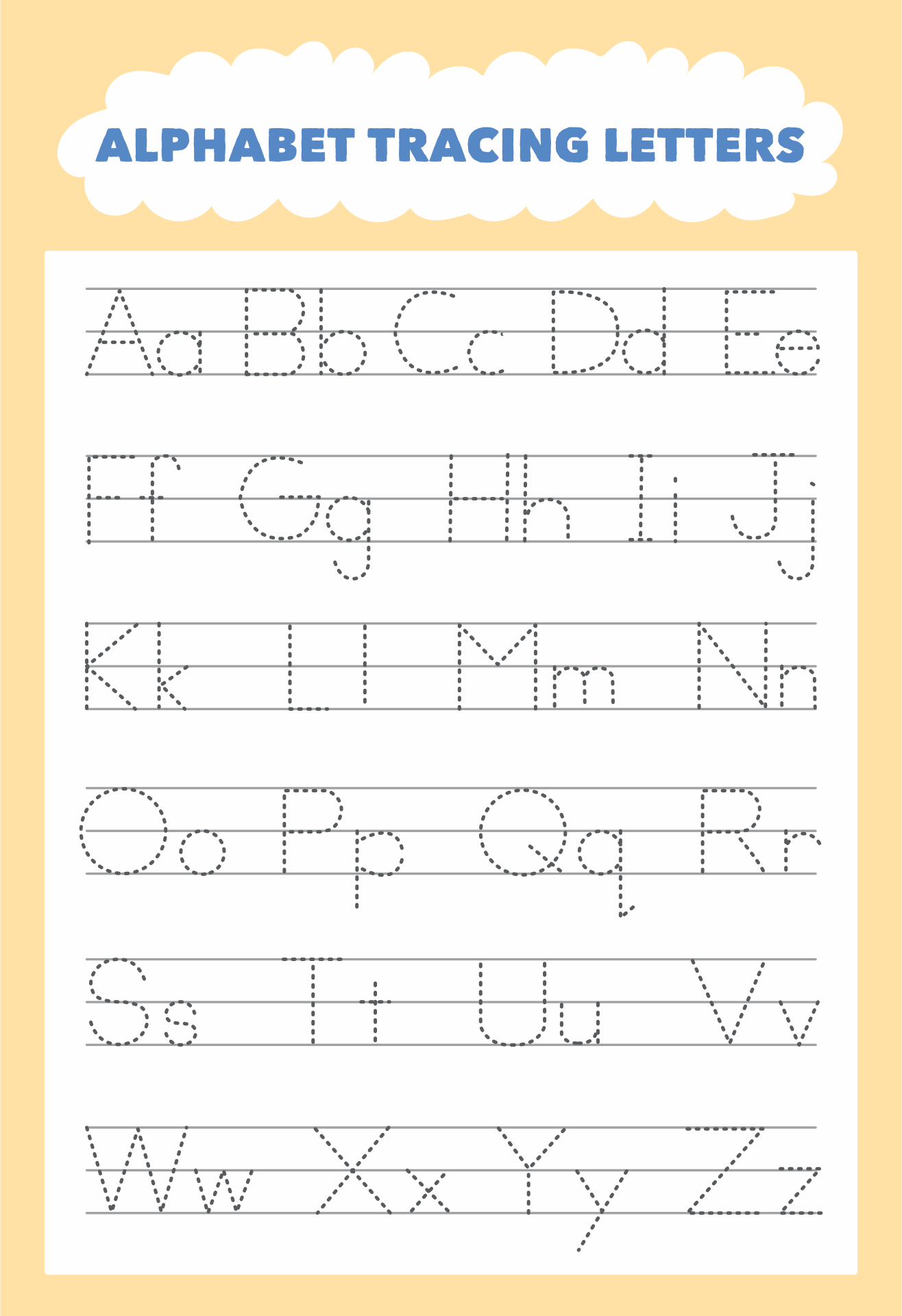
Most pages include dotted lines or traceable letters, allowing children to practice their handwriting. The dotted letters are usually divided into segments to guide young writers on where to start and end each letter stroke. This design choice is crucial for developing fine motor skills, as it gives children a clear path to follow.
Additionally, many Alphabet Writing Pages come with ample space for kids to practice writing the letter independently after tracing it. This progression from tracing to freehand writing is essential for building confidence and skill.
Features That Enhance Learning
Alphabet Writing Pages For Preschoolers often include several features that enhance the learning experience:
- Visual Aids: Each letter usually has a relevant image, which helps children associate the letter with its sound and meaning.
- Traceable Letters: The dotted lines guide children in forming letters correctly, making it easier for them to learn the proper techniques.
- Free Writing Space: After tracing, students have space to practice writing the letter independently, reinforcing their skills.
- Engaging Themes: Some pages are themed around seasons, holidays, or animals, making the activity even more engaging.
These elements contribute to a comprehensive learning experience that keeps children interested and motivated to practice their writing skills.
Practical Uses in the Classroom and Home
Alphabet Writing Pages are versatile resources that can be used in various settings, whether in a classroom or at home. Here are some practical ways to incorporate these pages into your teaching:
Classroom Activities
- Small Group Work: Divide students into small groups and give each group a different letter. They can work together to create a poster that includes their letter and relevant images. This encourages collaboration and reinforces learning through teaching.
- Letter of the Day: Introduce a letter each day and dedicate time for students to complete the corresponding writing page. This routine helps reinforce letter recognition and writing skills consistently.
- Writing Centers: Set up a writing center where children can choose which writing pages they want to practice. This allows for choice and autonomy in their learning.
Home Learning
- Daily Practice: Parents can print out a few pages each week for their children to practice at home. This reinforces what they are learning in preschool and provides extra support.
- Interactive Play: Turn writing practice into a game. For instance, after tracing a letter, ask your child to find objects around the house that start with that letter. This makes learning more interactive and memorable.
- Incorporate Art: Kids can color the images on the writing pages after they complete their writing practice. This adds a fun artistic element that can help maintain their interest.
Checking Progress and Mastery
As a teacher or parent, it’s essential to monitor your child’s progress when using Alphabet Writing Pages. Here’s how to assess mastery effectively:
- Consistency: Look for consistent formation of letters over time. Are your students writing each letter with proper strokes? Are they able to write letters without tracing? This will indicate mastery.
- Speed and Confidence: As children become more comfortable with writing, they should be able to complete their practice pages more quickly and with less hesitation.
- Self-Correction: Encourage children to review their work. If they notice mistakes, they should feel empowered to correct them. This skill is vital for developing independent learners.
- Engagement: If children show enthusiasm toward the writing pages and actively participate in the activities, it’s a good sign that they are enjoying the learning process.
Additional Tips for Using Alphabet Writing Pages
To make the most out of Alphabet Writing Pages For Preschoolers, consider the following tips:
- Print Quality: Use high-quality paper for printing. Cardstock is often more durable, especially if you plan to use the pages multiple times, such as with dry-erase markers.
- Variety of Fonts: If available, choose pages with different fonts for the letters. This exposure helps children recognize letters in various contexts, which is beneficial for their reading development.
- Laminating: For repeated use, consider laminating the pages. This allows children to practice multiple times with dry-erase markers, making it an eco-friendly option.
- Incorporate Technology: If you have access to tablets or computers, use digital versions of writing pages. Many educational apps offer interactive writing activities that can complement the printable versions.
- Parental Involvement: Encourage parents to sit with their children while they work on the writing pages. This not only provides support but also strengthens the parent-child bond through shared learning.
By integrating these techniques and resources into your teaching, you can create an enriching environment that fosters early literacy skills among preschoolers.
Alphabet Writing Pages For Preschoolers are a fantastic tool for helping young learners develop their writing skills while having fun. With the right approach, these pages can be an integral part of any preschool curriculum or home learning environment.