
Using Alphabet Worksheets For Year 1 can greatly enhance your students’ understanding of letters and their sounds. These worksheets are designed specifically for Year 1 learners, who are typically around six to seven years old. At this age, children are developing their reading and writing skills, making it essential to provide them with resources that reinforce these foundational concepts in a fun and engaging way.
Understanding the Importance of Alphabet Worksheets
Alphabet worksheets serve multiple educational purposes. They help children practice letter recognition, improve their handwriting, and develop phonemic awareness. By utilizing these worksheets, you can create a structured learning environment that encourages your students to engage with the alphabet actively.
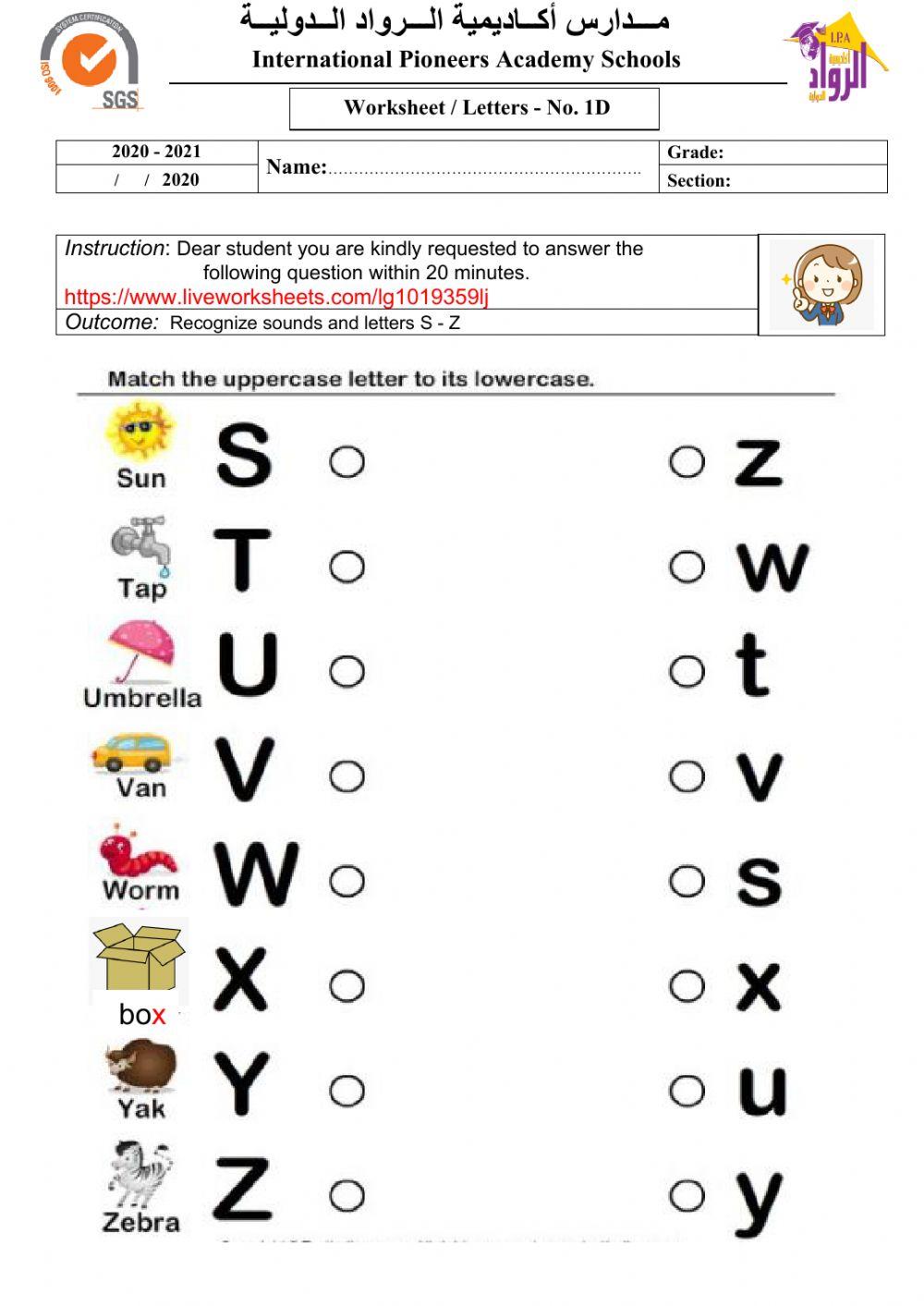
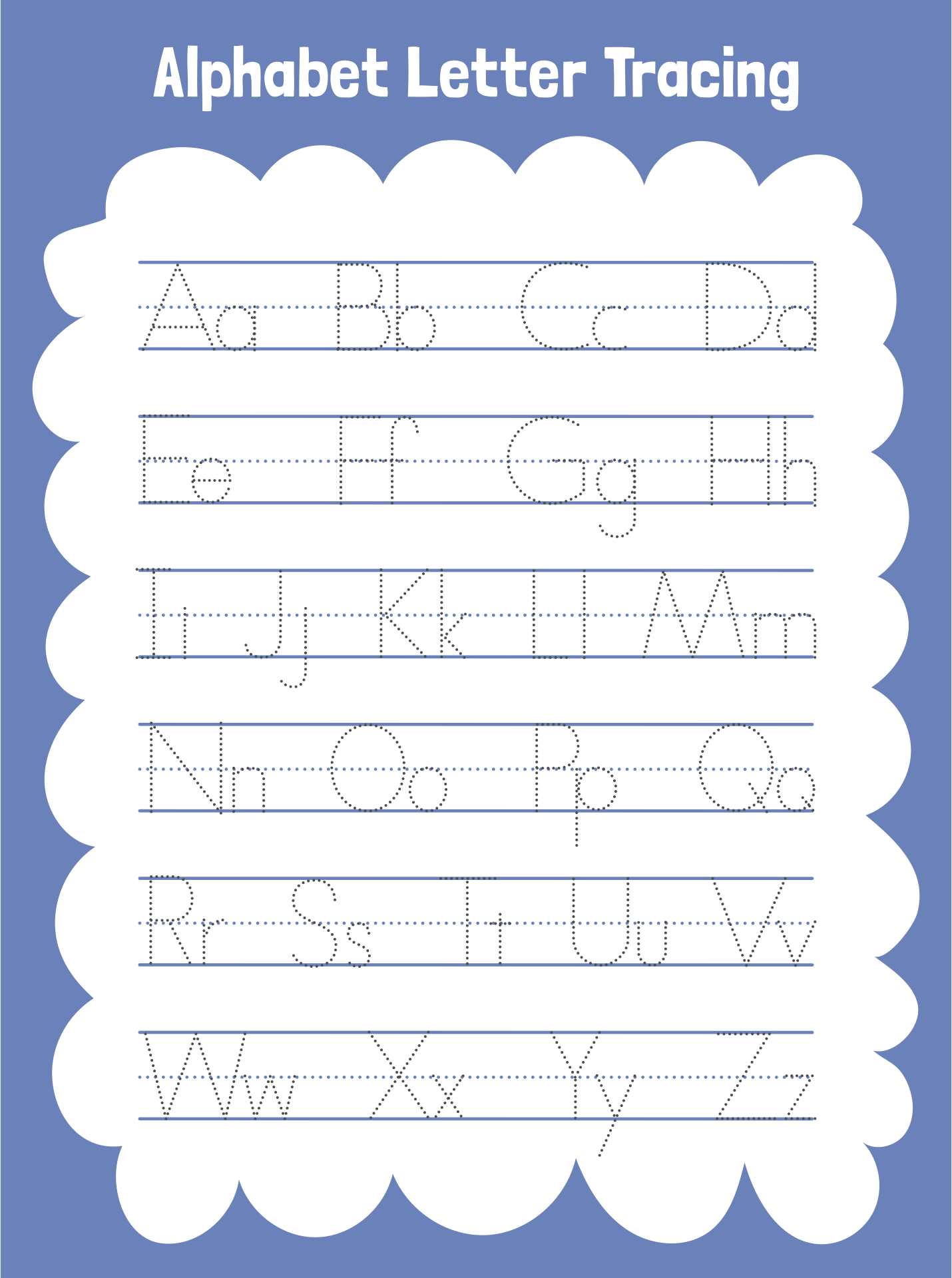
In Year 1, children are usually learning to recognize both uppercase and lowercase letters. Worksheets that include tracing, matching, and coloring activities can cater to different learning styles. For instance, visual learners may benefit from colorful illustrations while kinesthetic learners might enjoy activities that allow them to trace letters with their fingers or create letters using playdough.
Choosing the Right Alphabet Worksheets
When selecting Alphabet Worksheets For Year 1, consider the following factors:
- Skill Level: Ensure that the worksheets match the skill level of your students. Some worksheets may be too advanced or too simplistic, so it’s essential to choose those that challenge them appropriately without causing frustration.
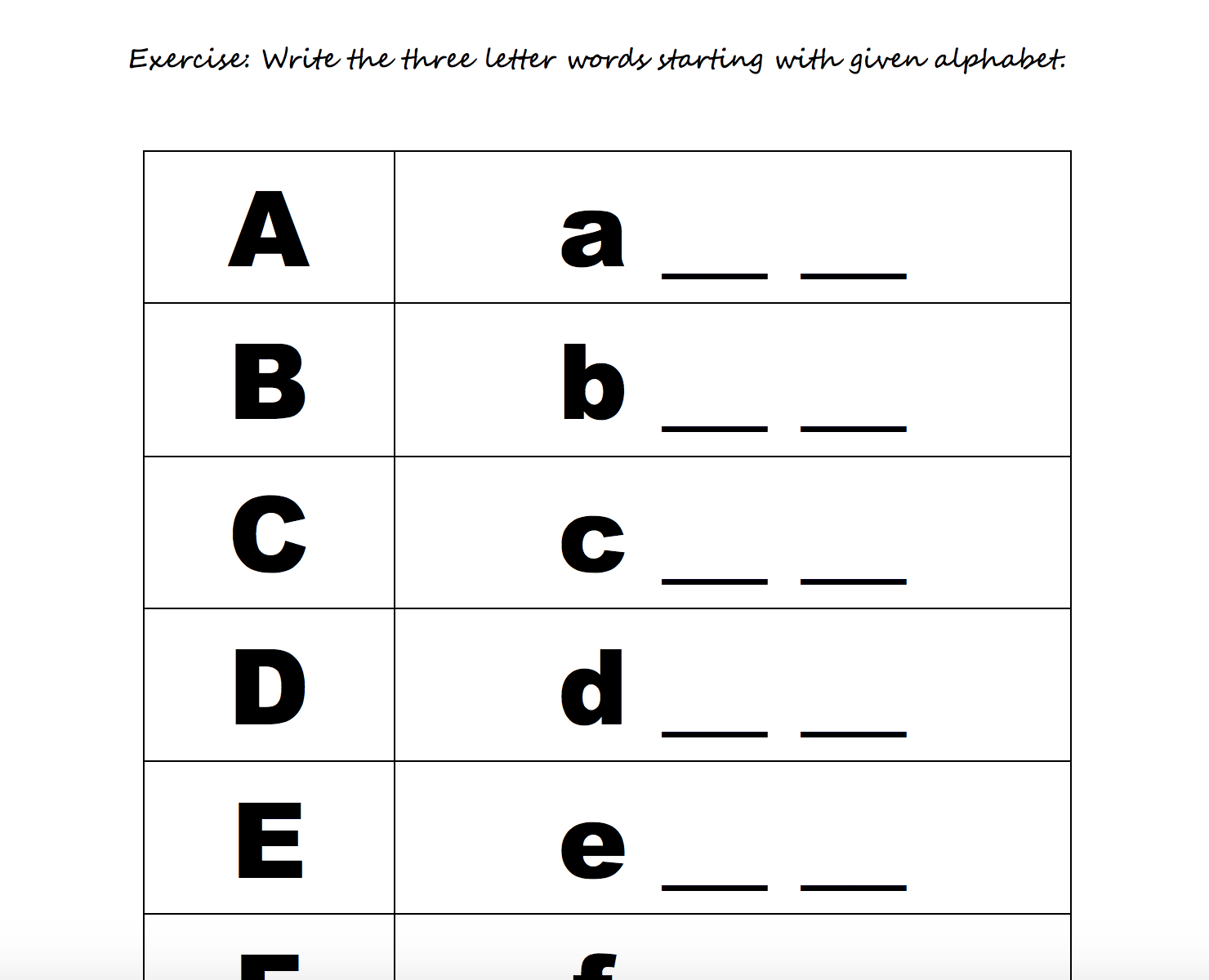
- Variety of Activities: Look for worksheets that offer a variety of activities. This could include tracing letters, matching letters to pictures, or filling in missing letters in words. Variety keeps students engaged and caters to different learning styles.
- Print Quality: High-quality printable worksheets are crucial for clarity and ease of use. Ensure that the worksheets are clear, with bold lines for tracing and vibrant images that will capture the children’s attention.
- Format and Layout: Worksheets should be easy to print and designed in a user-friendly format. PDFs are often the best choice, as they maintain formatting and are compatible with most printers. Portrait layout usually works better for home printers, ensuring the worksheets fit well on standard A4 or letter-sized paper.
Effective Ways to Use Alphabet Worksheets in the Classroom
Integrating Alphabet Worksheets For Year 1 into your lesson plans can be straightforward. Here are some effective strategies:
1. Daily Alphabet Practice
Incorporate a short, daily practice session where students can complete one worksheet. This could be as part of a morning routine. By making it a consistent part of their day, students will gradually improve their recognition and writing skills.
2. Group Activities
Divide your class into small groups and assign each group a different worksheet. After they complete their tasks, groups can present their work to the class. This encourages collaboration and helps build confidence in their abilities.
3. Homework Assignments
Send worksheets home as homework. This allows parents to engage in their child’s learning process and reinforces the skills taught in the classroom. Make sure to provide clear instructions for parents on how to assist their children.
4. Interactive Learning Stations
Set up learning stations in your classroom where students can rotate and complete different alphabet activities, including worksheets. This hands-on approach keeps learning dynamic and exciting.
Downloading and Printing Alphabet Worksheets
Many websites offer free or paid Alphabet Worksheets For Year 1. Here’s how to ensure a smooth downloading and printing experience:
- Check for Compatibility: Before downloading, check if the worksheets are in PDF format. PDFs are preferable because they preserve the layout and are less likely to cause reformatting issues.
- Use Quality Paper: For worksheets that will be used multiple times, consider printing on cardstock, which holds up better and can be laminated for durability.
- Adjust Printer Settings: When printing, set your printer to the best quality setting for clear and crisp images and text. If you’re printing multiple copies, make sure to check the settings to avoid wasting paper.
- Preview Before Printing: Always preview the worksheet before printing to ensure that everything appears correctly and that no content is cut off.
Engaging Activities to Supplement Worksheets
While Alphabet Worksheets For Year 1 are excellent resources, supplementing them with engaging activities can enhance learning even further. Here are a few ideas:
- Alphabet Games: Incorporate games such as “Alphabet Bingo” or “Letter Scavenger Hunts” where students find objects that start with a specific letter. This reinforces letter sounds and recognition.
- Story Time: Read books that focus on the alphabet, encouraging children to identify letters as they appear in the text. Ask them to point out specific letters or words.
- Craft Projects: Have students create an “Alphabet Book” where they illustrate and write words that begin with each letter. This hands-on project reinforces their learning and allows for creativity.
- Songs and Rhymes: Use songs and rhymes that focus on the alphabet. Familiar melodies can help reinforce letter sounds and names in a fun, memorable way.
By integrating Alphabet Worksheets For Year 1 into your teaching strategies and combining them with engaging activities, you create a comprehensive learning experience that caters to diverse learning styles. Your students will not only learn to recognize letters but also develop a love for reading and writing that will benefit them throughout their educational journey.