
Teaching preschoolers the alphabet can be a challenging yet rewarding task. Young learners often need varied and engaging methods to grasp letter recognition, sounds, and writing skills. Alphabet Worksheets For Preschoolers Australia provide a practical solution, allowing teachers and parents to facilitate learning through structured activities. These worksheets not only promote letter recognition but also help in tracking progress over time.
Selecting the Right Alphabet Worksheets
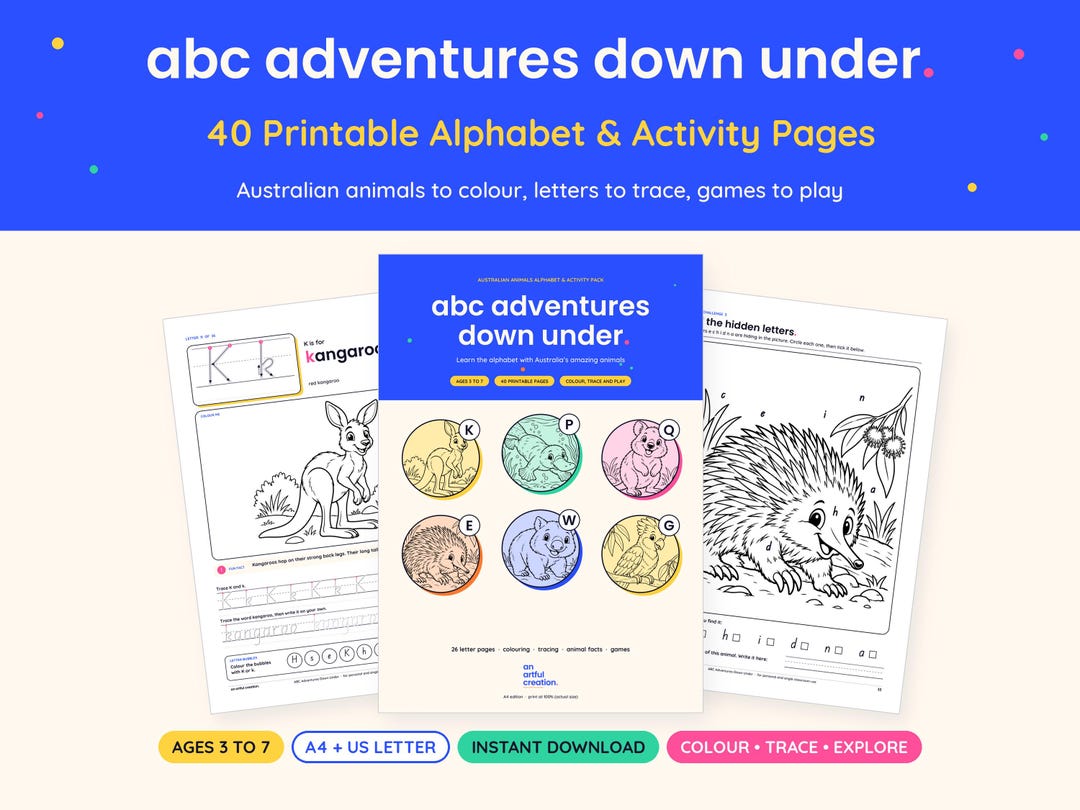
When choosing alphabet worksheets, consider the skill level of your preschoolers. Look for worksheets that cater specifically to early learners, focusing on both uppercase and lowercase letters. Resources that include visual aids, such as pictures corresponding to each letter, can significantly enhance comprehension.
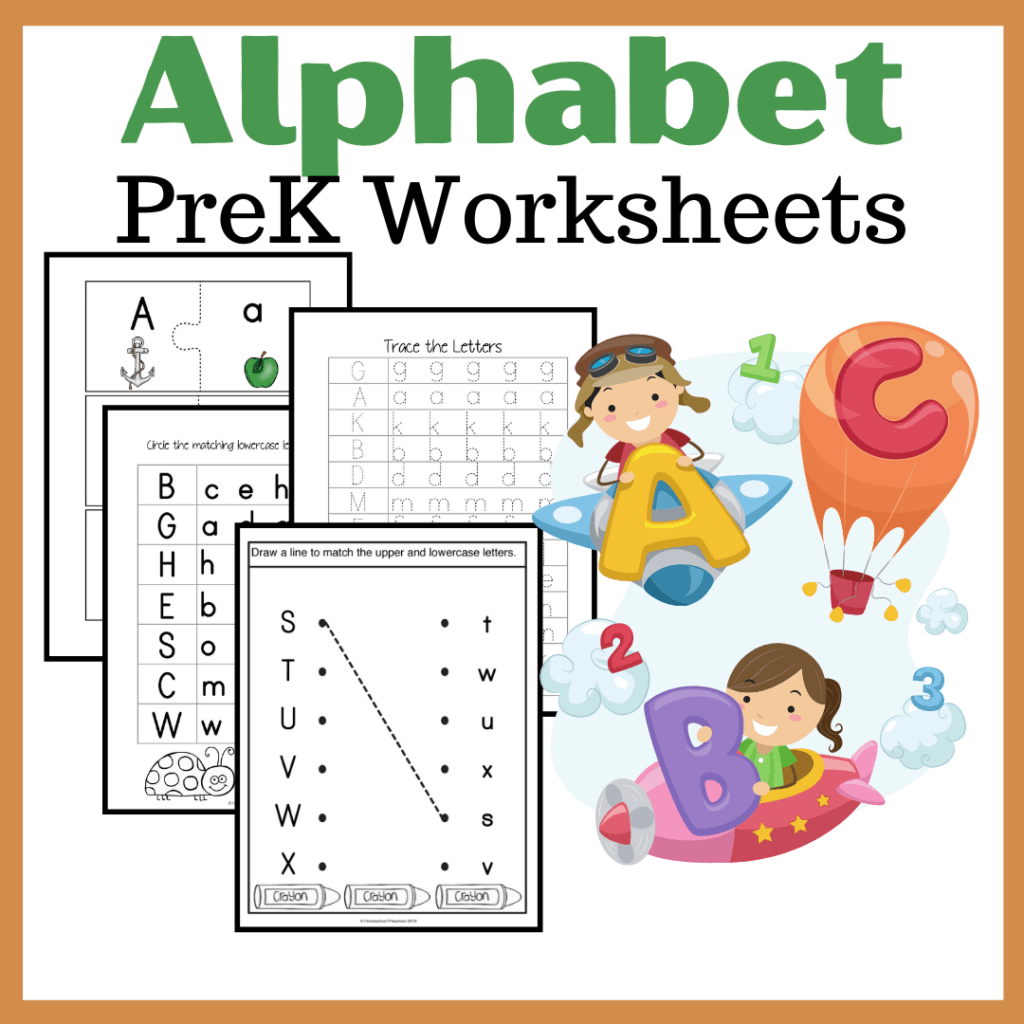
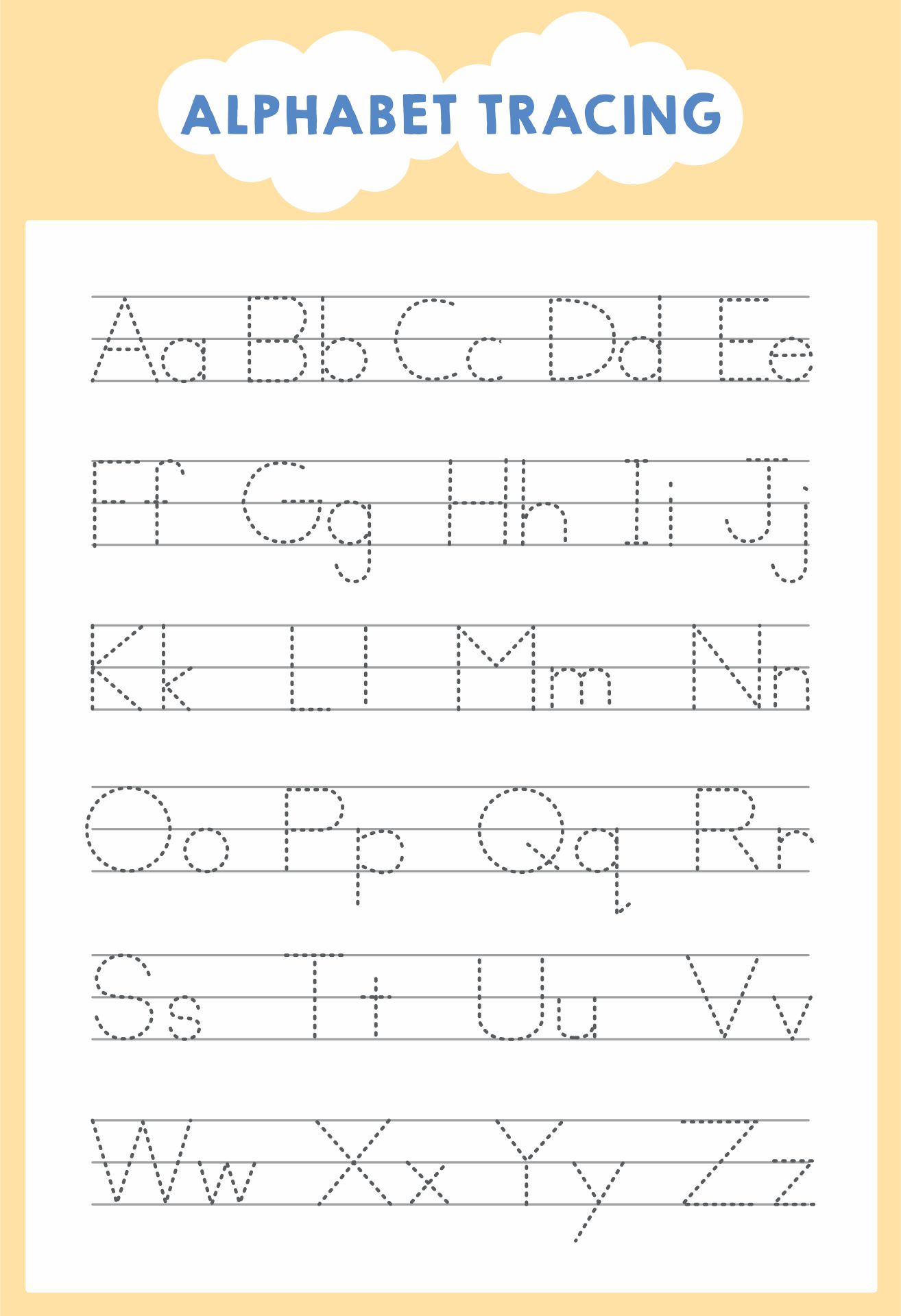
Ensure that the worksheets are not overly complex. Simple designs with clear instructions work best for young children. You might want to look for resources that offer a variety of activities, such as coloring, tracing, and matching letters to images. This variety helps maintain interest and encourages repeated practice, which is essential for mastering the alphabet.
Downloading and Printing the Worksheets
Once you’ve selected the appropriate worksheets, the next step is to download them. Most printable resources are available in PDF format, which is ideal for preserving layout and design. This format ensures that the worksheets will print correctly without any reformatting issues.
When printing, consider the following tips:
- Use A4 paper, a standard size in Australia, which fits most home and classroom printers.
- If possible, print on cardstock for durability, especially if you plan to laminate the worksheets for repeated use.
- Make sure to adjust your printer settings to avoid cutting off any content. A portrait layout often works best for worksheets.
Setting Up a Weekly Learning Schedule
Spacing the use of alphabet worksheets throughout the week can help reinforce learning. Instead of overwhelming preschoolers with too much content at once, consider a structured weekly plan. For example, you might introduce a new letter each day, using the worksheets as a guide. This approach allows children to focus on mastering one letter at a time.
A simple schedule could look like this:
- Monday: Introduce the letter “A” with corresponding worksheets for tracing and coloring.
- Tuesday: Move on to “B” while reviewing “A” through fun activities.
- Wednesday: Focus on “C” and incorporate games that use both “A” and “B.”
- Thursday: Reinforce letters “A,” “B,” and “C” with a review worksheet.
- Friday: Fun activities, like a letter scavenger hunt, to engage kids further.
This method not only helps children learn but also allows you to track their progress in a manageable way.
Incorporating the Worksheets Into Daily Activities
Beyond the worksheets, you can blend alphabet learning into daily activities. For instance, during snack time, you might point out the first letter of each item. This ties in real-world examples with the worksheets and reinforces letter recognition.
Consider using the worksheets as part of a larger learning environment. For example, if a child enjoys coloring, integrate alphabet coloring pages into art time. This way, you’re providing a multi-faceted approach to learning that can cater to different interests and learning styles.
Tracking Progress With Alphabet Worksheets
Monitoring progress is crucial when teaching preschoolers. Use the worksheets not just as a teaching tool but as a means to assess where each child is in their learning journey. After completing a worksheet, take a moment to review it together. Ask questions about each letter and provide positive reinforcement for their efforts.
You could maintain a progress chart for each child, noting which letters they’ve mastered and those that may need more practice. This visual representation can motivate both you and your students, making learning outcomes clearer.
Engaging Activities Beyond the Worksheets
In addition to worksheets, consider incorporating hands-on activities. For example, letter crafts, such as making letters out of playdough or using cut-out letters to create a collage, can enhance learning. These activities not only reinforce letter shapes but also stimulate fine motor skills.
Using technology can also be beneficial. There are many educational apps designed for preschoolers that focus on letter recognition and phonetics. These can be used in conjunction with the worksheets to create a comprehensive learning experience.
Final Tips for Successful Alphabet Learning
To maximize the benefits of Alphabet Worksheets For Preschoolers Australia, keep these tips in mind:
- Encourage regular practice without overwhelming the children.
- Use a mix of worksheets and activities to cater to different learning styles.
- Create a supportive and fun learning environment where mistakes are seen as part of the learning process.
- Be patient and celebrate small achievements to motivate your students.
By following these steps, you can create a rich learning experience that helps preschoolers develop essential literacy skills while enjoying the process. Remember, the key is consistency and engagement. So, gather your resources, set up your schedule, and watch your preschoolers thrive in their journey through the alphabet!