
Recognizing letters is a foundational skill for young learners. It lays the groundwork for reading and writing. Without a solid grasp of the alphabet, children can struggle with literacy as they progress in their education. That’s where Alphabet Worksheets For Kids Letter Recognition become essential. These worksheets provide fun, interactive ways to help children identify letters and understand their sounds, making learning enjoyable.
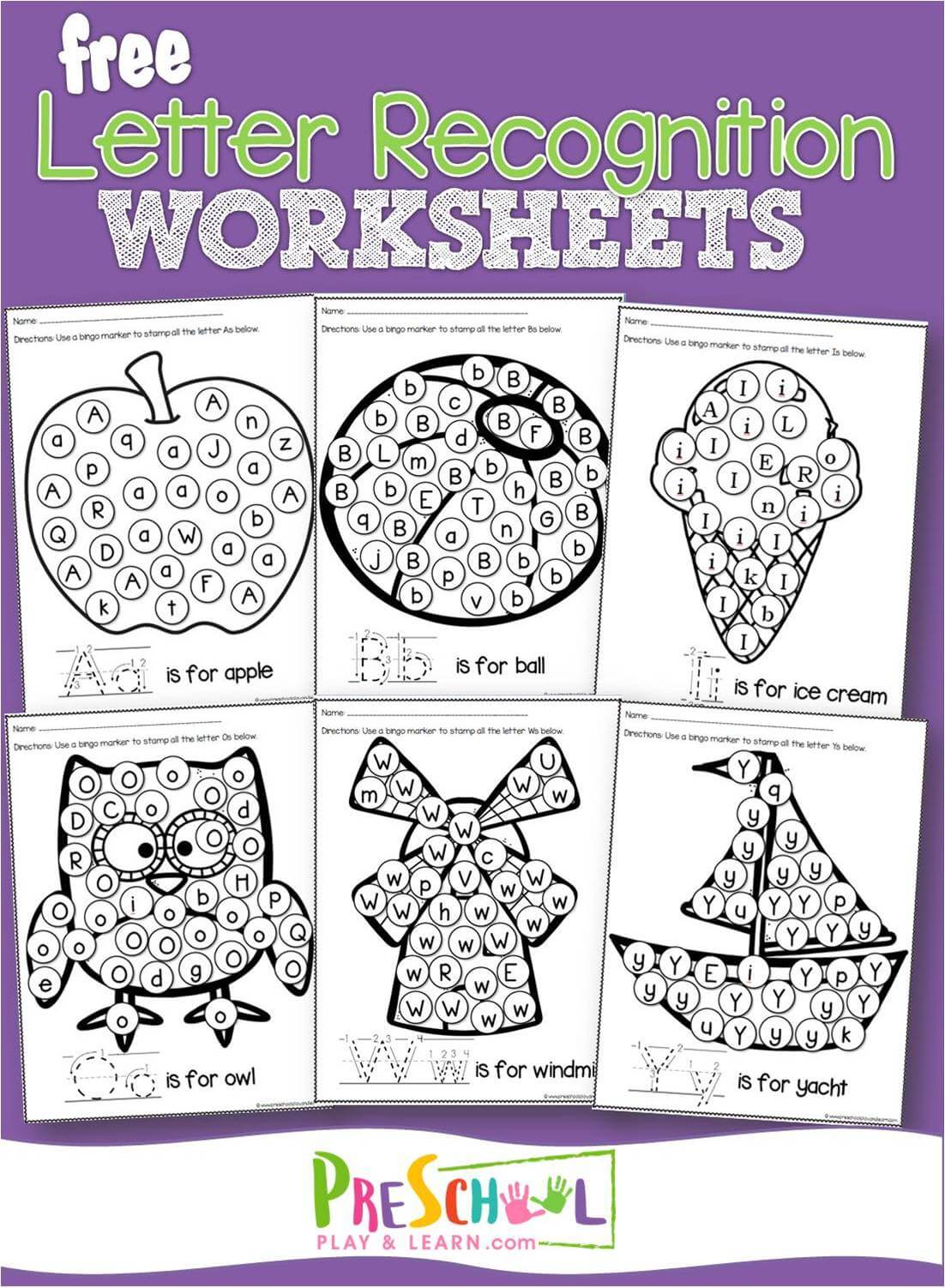
Choosing the Right Alphabet Worksheets
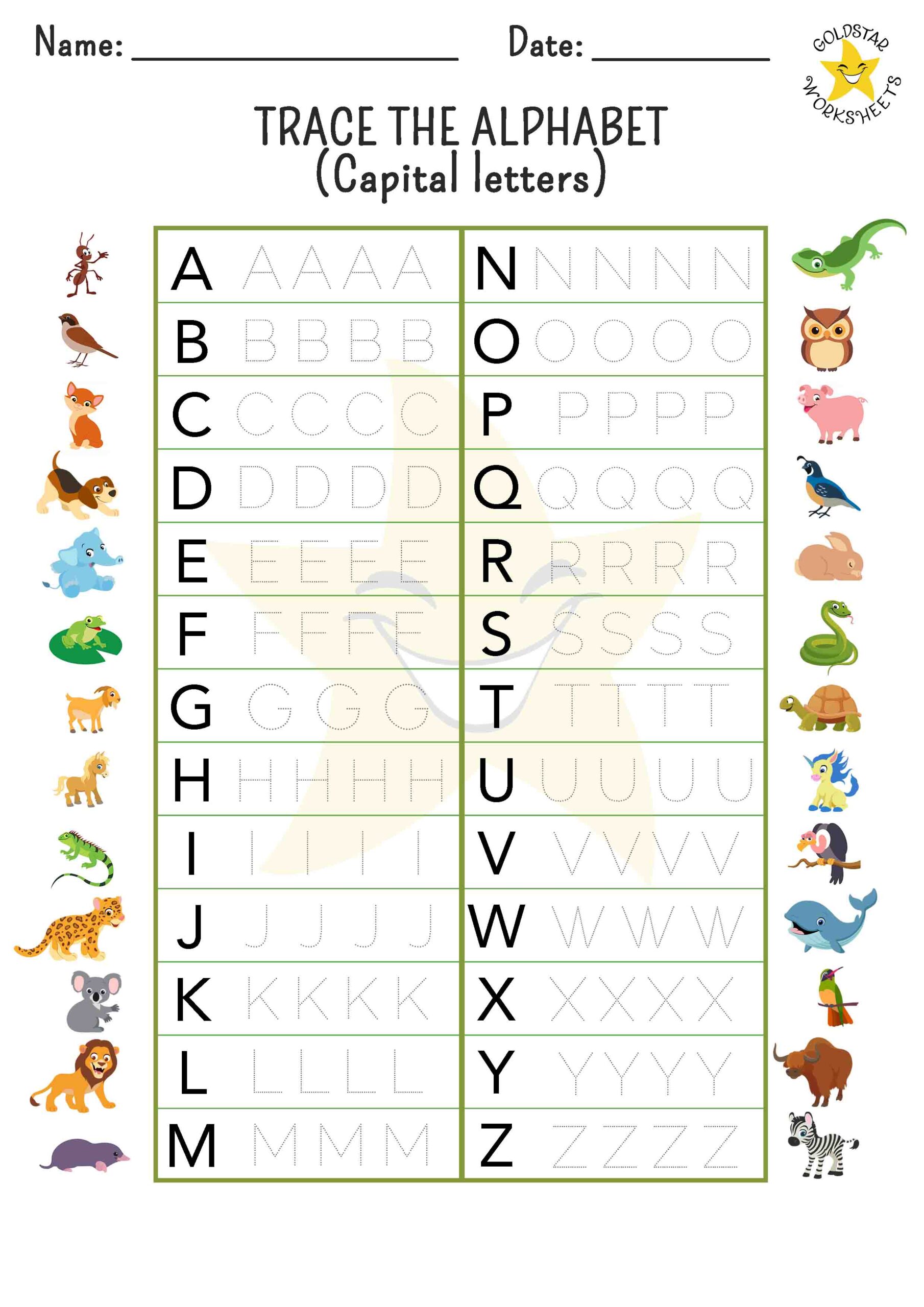
When selecting alphabet worksheets, consider the age and skill level of your students. For preschoolers and kindergarteners, look for worksheets that feature colorful images, large letters, and simple activities. Worksheets that incorporate tracing, matching, and coloring tend to engage young learners effectively.
You can find various formats for these worksheets, including PDFs that are print-ready. Always check for clarity in the layout and instructions. A well-designed worksheet should have ample space for children to practice their writing without feeling cramped.
Downloading and Printing Your Worksheets
Once you’ve chosen the appropriate worksheets, it’s time to download and print them. Most printable resources are available in PDF format, which retains the layout and design across different devices. This is especially useful to prevent formatting issues that can occur with other file types.
For best results, print your worksheets on standard 8.5 x 11-inch paper. If you plan to use these worksheets multiple times, consider printing on cardstock for durability. Additionally, if you have access to a laminator, laminating the worksheets can make them reusable, allowing you to use dry-erase markers for tracing and writing practice.
Setting Up a Learning Schedule
To maximize the effectiveness of alphabet worksheets, spread the activities over the week instead of cramming them into one session. This repetition is crucial. Children retain skills better when they encounter them multiple times in varied contexts.
For instance, you might dedicate each day of the week to a specific letter. On Monday, focus on the letter A with a tracing worksheet. Tuesday can be for letter B, and so on. Including a mix of activities—such as coloring, tracing, and matching—can keep the sessions fresh and engaging.
Here’s a simple weekly outline you can adapt:
- Monday: Letter A – Tracing worksheet
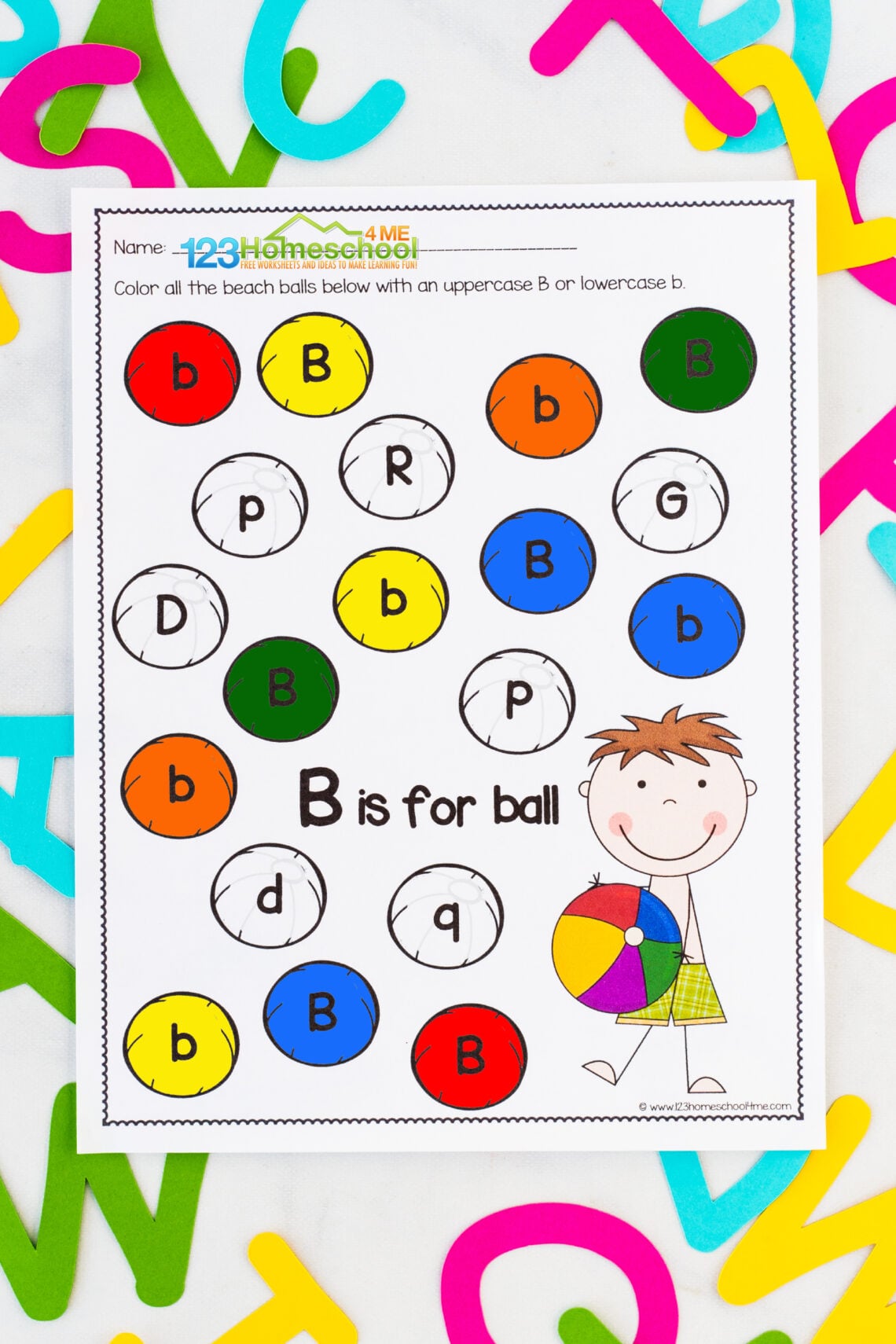
- Tuesday: Letter B – Coloring page
- Wednesday: Letter C – Matching uppercase and lowercase
- Thursday: Letter D – Find and circle the letter D in a word search
- Friday: Review letters A-D with a mixed activity worksheet
Engaging Activities to Reinforce Learning
Incorporating varied activities alongside worksheets can enhance letter recognition skills. Here are a few ideas:
- Letter Scavenger Hunt: Have children find items around the house or classroom that start with a specific letter. This can reinforce the connection between letters and sounds.
- Crafts and Art Projects: Create art projects that focus on letters. For example, making a collage of things that start with the letter A can be both fun and educational.
- Story Time: Choose books that emphasize the letters of the week. Encourage your child to point out the letters as you read together.
Monitoring Progress and Adjusting Activities
As children engage with the alphabet worksheets, take note of their progress. Are they able to recognize letters quickly? Are they struggling with certain letters? This observation will help you adjust your teaching strategies.
If a child finds a particular letter challenging, you can provide additional practice through targeted worksheets or activities. Consider integrating games that emphasize letter recognition, like bingo or memory games, to reinforce learning in a playful context.
Tips for Success
- Make It Fun: Use colorful materials, stickers, and positive reinforcement to motivate young learners. Celebrate small achievements to encourage continued effort.
- Use Multi-Sensory Approaches: Incorporate activities that involve different senses. For example, use sand or playdough for children to form letters physically, enhancing their tactile learning experience.
- Involve Parents: Share resources with parents, encouraging them to practice letter recognition at home. Simple activities like pointing out letters during grocery shopping can reinforce what children learn in class.
By carefully selecting and effectively using Alphabet Worksheets For Kids Letter Recognition, you can create a rich learning environment that fosters literacy skills. The key is to make learning enjoyable and engaging, allowing children to thrive in their educational journey. Start today by downloading your first set of worksheets and watch your students grow in confidence and skill!