
When it comes to teaching English as a second language (ESL), having the right resources can make all the difference. Alphabet Worksheets For ESL Learners are specifically designed to help students grasp the foundational elements of the English language. These worksheets are not just about tracing letters; they incorporate various engaging activities that enhance recognition and understanding.
Features of Effective Alphabet Worksheets
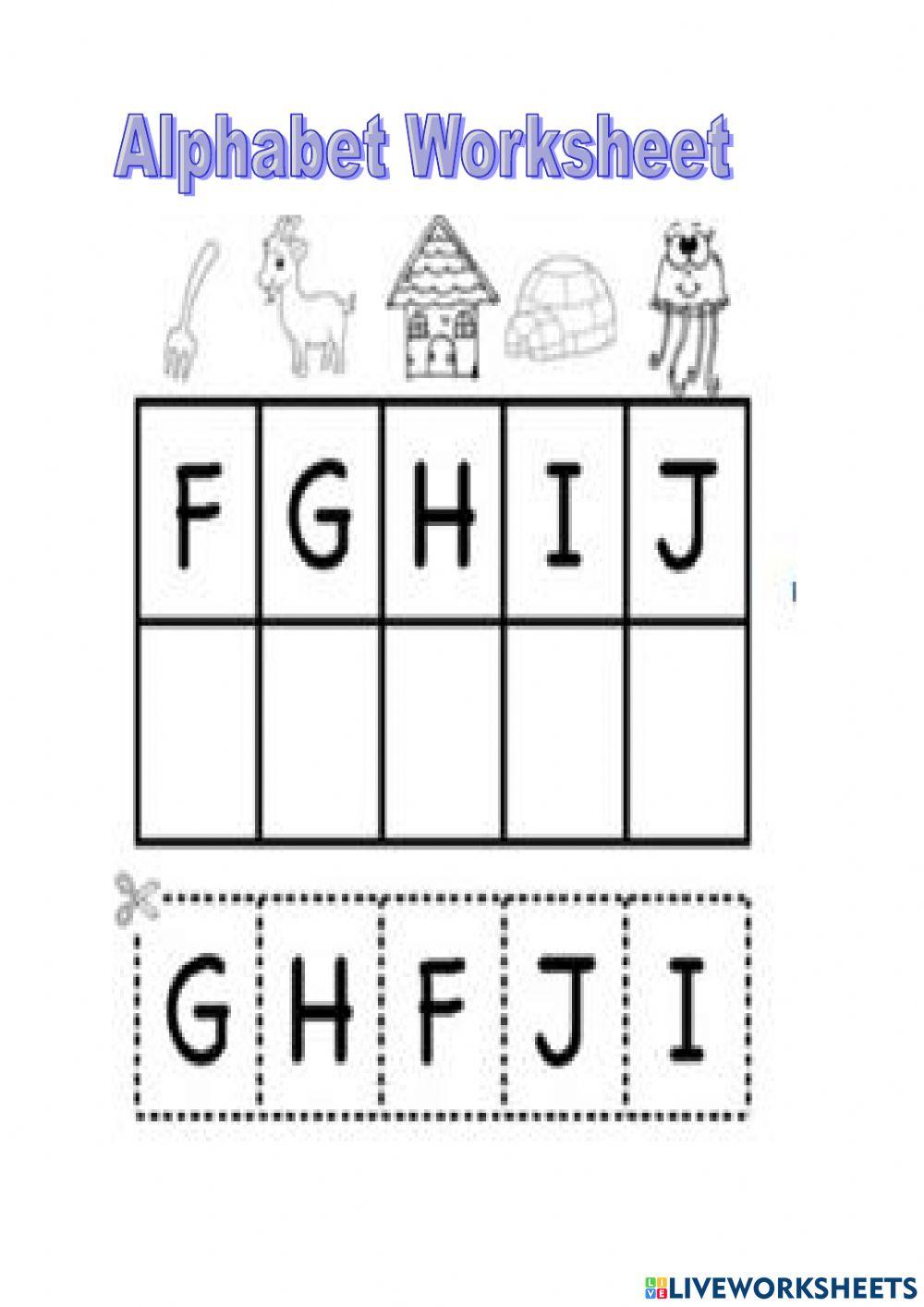
Alphabet worksheets are structured to cater to different learning styles. A well-designed worksheet typically includes:
- Letter Recognition: Clear letter outlines for tracing and writing.
- Visual Aids: Images or icons that correspond to each letter, making connections between letters and sounds more tangible.
- Varied Activities: Mix of tracing, coloring, and matching exercises that keep students engaged.
Each of these features serves a purpose. For example, visual aids can significantly help visual learners by associating letters with images. This is particularly useful for younger learners who may not yet fully understand abstract concepts.
Age and Level Appropriateness
When selecting Alphabet Worksheets For ESL Learners, it’s crucial to consider the age and proficiency level of your students. Generally, these worksheets are suitable for preschool through early elementary grades. However, they can also be adapted for older students who may need extra practice or reinforcement of the basics.
You might find that younger students benefit from more colorful, image-rich worksheets, while older students might require more text-based activities. Tailoring the worksheets to fit the age group will maximize their effectiveness in the classroom or at home.
Classroom Logistics for Using Worksheets
Printing and distributing worksheets can be a logistical challenge, especially in a classroom setting. Here are some practical considerations:
- Bulk Printing: If you’re teaching a large class, consider printing multiple copies at once. This is often more efficient than printing one at a time. Use standard letter size (8.5″ x 11″) paper to ensure compatibility with most printers.
- Laminating: For longevity, especially if your worksheets will be reused, laminate them. This allows you to use dry-erase markers for interactive sessions, making it easy for students to practice repeatedly without wasting paper.
- Answer Keys: Providing an answer key can be helpful for quick grading. Include this as a separate page so that you can distribute the worksheets without revealing the answers upfront.
- Review Time: Allocate time in your lesson plan for reviewing the completed worksheets. This step reinforces learning and allows you to address any misunderstandings immediately.
Engaging Activities to Include
Incorporating a variety of activities within the worksheets can cater to different learning styles and keep students motivated. Here are some engaging ideas:
- Coloring: Have students color pictures that start with the corresponding letter. For example, a picture of an apple for “A” can make learning more fun and memorable.
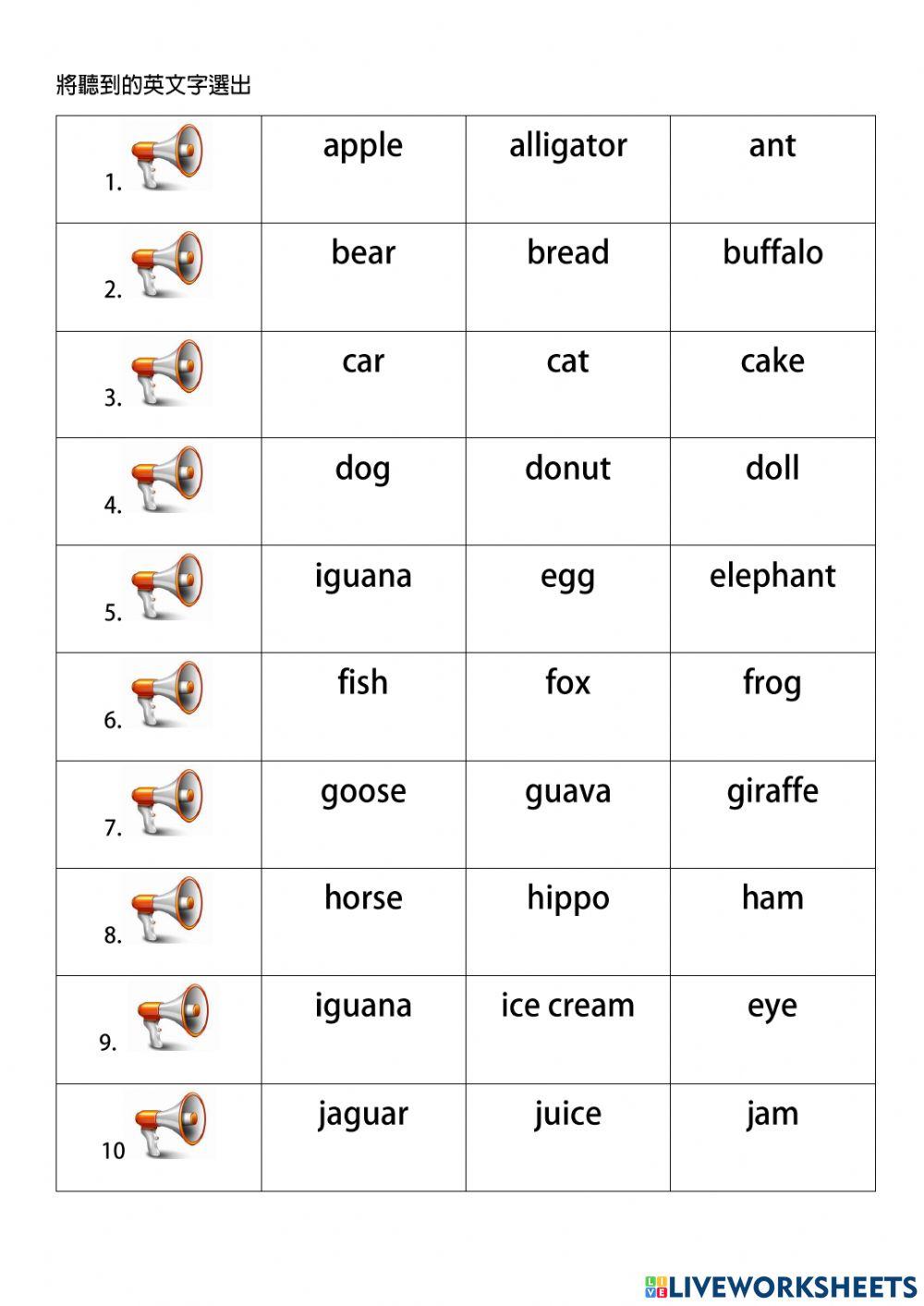
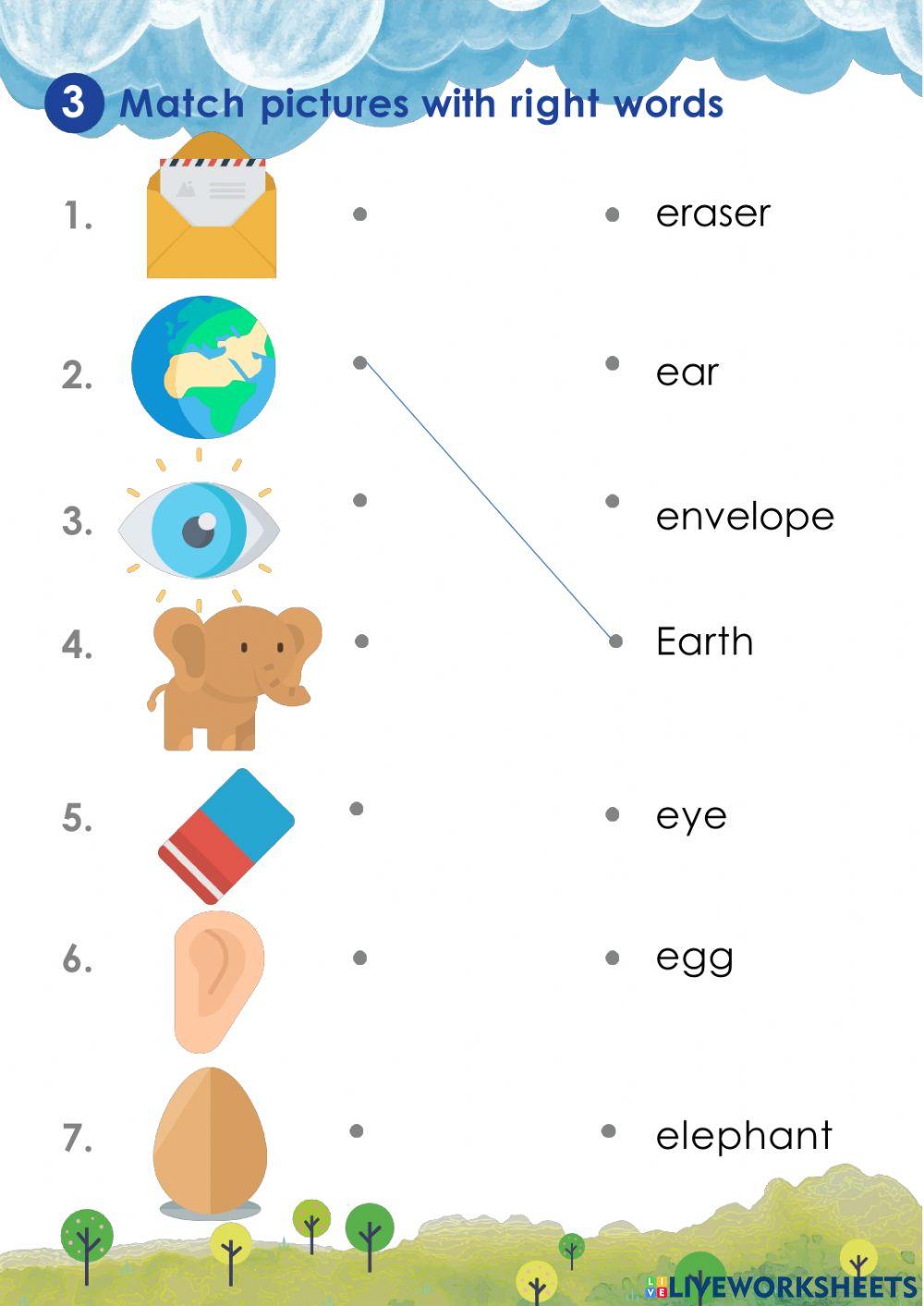
- Matching Games: Create exercises where students match letters to words or pictures. This reinforces their understanding of letter sounds and vocabulary.
- Fill-in-the-Blanks: Use sentences with missing words, prompting students to fill in the gaps with the correct letter or word. This activity enhances reading comprehension alongside letter recognition.
Integrating these activities into your worksheets not only makes learning enjoyable but also caters to various skill levels within your classroom.
Digital Vs. Printable Worksheets
While traditional printed worksheets are effective, digital versions are becoming increasingly popular. Digital worksheets offer several advantages:
- Accessibility: Students can access them from various devices, allowing for learning at home or on the go.
- Interactive Features: Many digital worksheets include interactive elements, such as drag-and-drop letters or clickable audio for pronunciation.
- Easy Updates: You can quickly modify and update digital worksheets as needed, ensuring they stay relevant and engaging.
However, consider your students’ access to technology and their comfort level with digital tools when choosing between printable and digital formats.
Incorporating Alphabet Worksheets For ESL Learners into your teaching toolkit can significantly enhance your students’ language acquisition. These worksheets, with their clear layouts and engaging activities, serve not just as a teaching aid but also as a fun way for students to learn the alphabet. Plus, the flexibility in format—whether digital or printable—means you can adapt them to fit your classroom’s needs.
One particularly effective approach is to combine worksheets with real-life applications, such as labeling classroom objects with their corresponding letters. This reinforces the learning experience and allows students to see the practical use of what they are studying.