
Alphabet Worksheets For 3-4 Year Olds are an essential tool for fostering early literacy skills in young learners. These worksheets are designed specifically for preschoolers, providing a structured yet fun way to introduce the alphabet. With a variety of engaging activities, these resources help children recognize letters, associate sounds, and practice writing—all crucial skills for their developmental stage.
Importance of Alphabet Recognition
Understanding the alphabet is foundational for literacy. For children aged 3-4, recognizing letters and their sounds is the first step toward reading. Alphabet worksheets often include activities that encourage children to identify, trace, and color letters. This multi-sensory approach caters to different learning styles, making it easier for young learners to grasp the concept of letters.
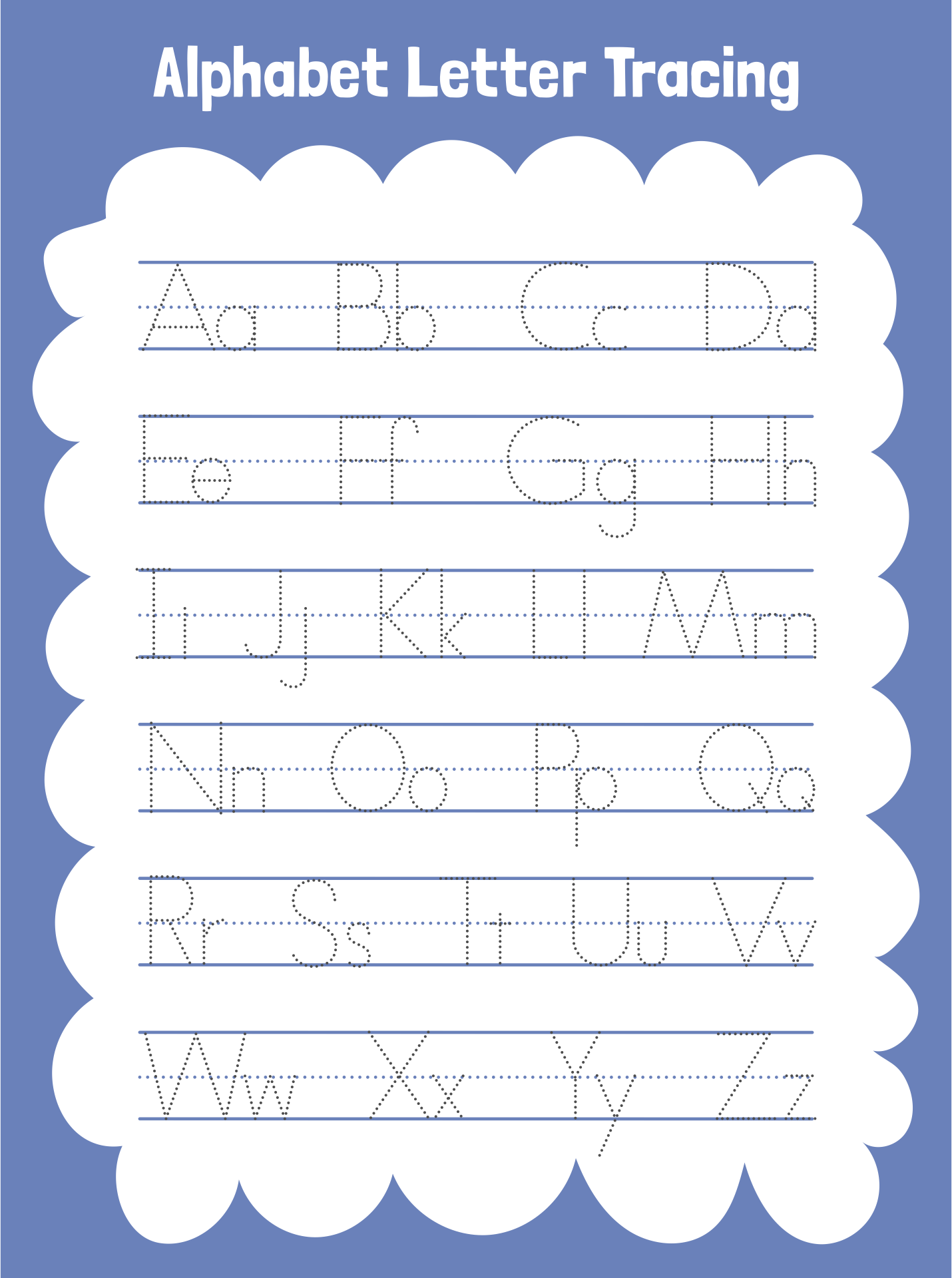
Worksheets typically feature both uppercase and lowercase letters, allowing children to understand the differences between them. Incorporating colorful illustrations and playful designs helps maintain their interest, making learning an enjoyable experience.
Types of Activities in Alphabet Worksheets
Alphabet worksheets for 3-4 year olds come with various activities to ensure a well-rounded learning experience. Here are some common types of activities you might find:
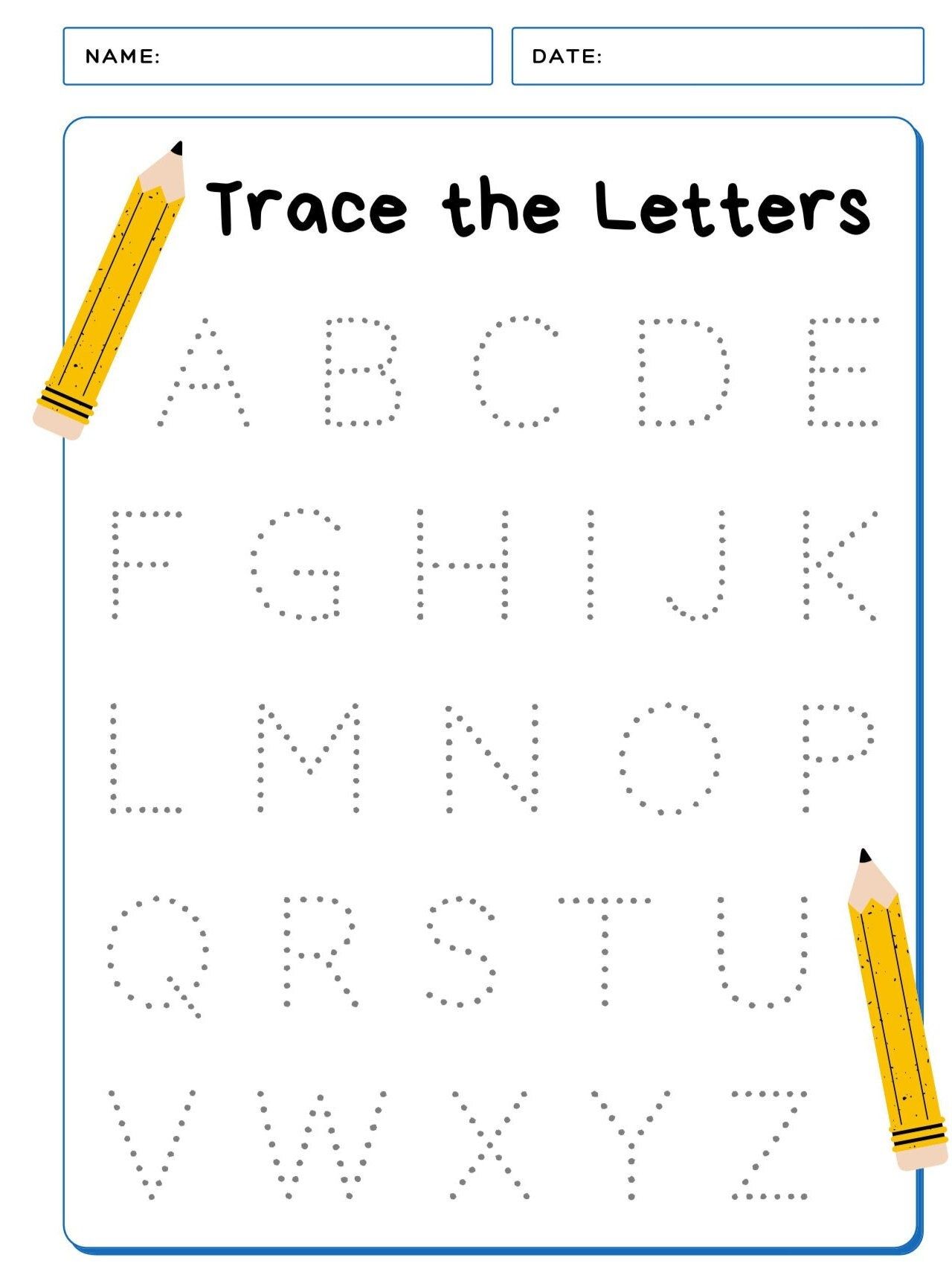
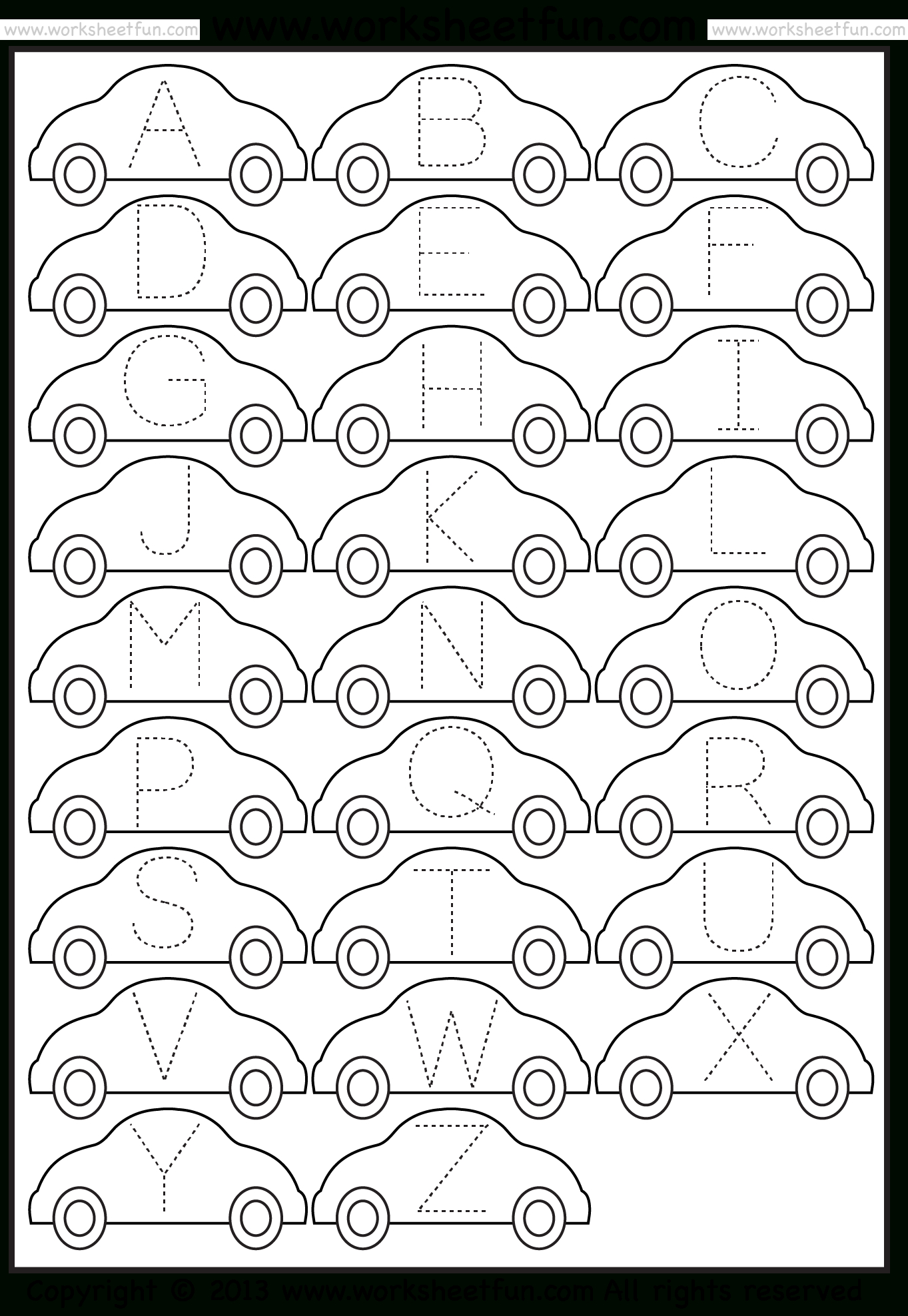
- Tracing Letters: Worksheets often include dotted lines for children to trace both uppercase and lowercase letters. This helps develop fine motor skills while reinforcing letter shapes.
- Letter Recognition: Many worksheets feature pictures of objects that begin with specific letters. Children can color these images, reinforcing their understanding of letter-sound associations.
- Matching Games: Some worksheets include matching activities where children pair letters with corresponding images. This not only helps with letter recognition but also enhances cognitive skills.
- Creative Coloring Pages: Coloring activities tied to specific letters encourage creativity while also promoting letter familiarity. For example, a worksheet might include an image of an apple for the letter “A.”
- Simple Puzzles: Some worksheets feature puzzles or mazes that require children to navigate through letters, making the learning process interactive and fun.
How to Use Alphabet Worksheets at Home
Incorporating alphabet worksheets into a home routine can be seamless and rewarding. Here’s how to effectively use these resources:
- Set a Routine: Designate a specific time each day for alphabet activities. Consistency helps reinforce learning and establishes a habit.
- Create a Fun Learning Environment: Use colorful materials, stickers, and a warm workspace to make learning inviting. A dedicated area for worksheets can help signal that it’s time to focus.
- Engage in Conversations: While working on worksheets, engage in discussions about the letters and their sounds. This interaction enhances comprehension and retention.
- Combine with Other Resources: Pair worksheets with storybooks that focus on the alphabet. Reading aloud complements the worksheet activities and offers a holistic approach to literacy.
- Encourage Independence: Allow children to explore worksheets at their own pace. This fosters a sense of accomplishment and boosts their confidence in learning.
Choosing the Right Worksheets
When selecting alphabet worksheets for 3-4 year olds, consider the following factors to ensure they meet educational needs:
- Age Appropriateness: Ensure the worksheets are designed specifically for preschoolers. They should be visually appealing and not overly complicated.
- Variety of Activities: Look for worksheets that offer a mix of tracing, matching, and creative tasks. This variety keeps children engaged and caters to different learning styles.
- Print Quality: Opt for high-quality PDFs that print clearly. A good rule of thumb is to use standard letter-sized paper (8.5 x 11 inches) to ensure compatibility with most home printers.
- Ease of Access: Choose worksheets that are easy to download and print. Resources available in PDF format usually retain their formatting better than image files, ensuring a smooth printing experience.
- Feedback and Improvement: Some worksheets may include spaces for feedback on how children performed. Consider resources that allow for parental notes or comments on progress.
Integrating Worksheets Into Daily Learning
Incorporating alphabet worksheets into daily learning can be a seamless part of your routine. Here are practical ideas for integration:
- Morning Activities: Start the day with a short worksheet session. It sets a positive tone for learning and can be a refreshing morning ritual.
- Combine with Play: After completing a worksheet, engage in a related play activity. For example, if the worksheet focused on the letter “B,” play a game where children find objects around the house that start with that letter.
- Snack Time Learning: Use snack time as an opportunity for letter recognition. For example, if you’re having banana slices, discuss the letter “B” and its sound while enjoying the treat.
- Art Projects: Incorporate art by having children create their own letter crafts after completing worksheets. This reinforces learning and adds a tactile element to their education.
- Parent-Child Interaction: Encourage parents to participate in the learning process. Jointly completing worksheets can strengthen bonds and enhance the learning experience.
Final Considerations for Using Alphabet Worksheets
When it comes to using Alphabet Worksheets For 3-4 Year Olds, the key is to make learning enjoyable and engaging. Look for worksheets that offer a variety of activities, ensuring that children remain interested and motivated. Additionally, remember to provide ample encouragement and praise as they work through each activity.
A final detail to keep in mind is that using bright, engaging colors in worksheets can significantly boost a child’s interest. Bright visuals not only attract attention but also enhance memory retention, making the learning experience both effective and enjoyable.