
Using the Alphabet Worksheet Set Letters Az can effectively support children’s literacy development. This resource is perfect for educators and parents looking for engaging ways to enhance letter recognition and writing skills. The worksheets are designed to be both fun and educational, making them suitable for various learning environments—whether in a classroom, homeschool, or at home.
Understanding the Alphabet Worksheet Set Letters Az
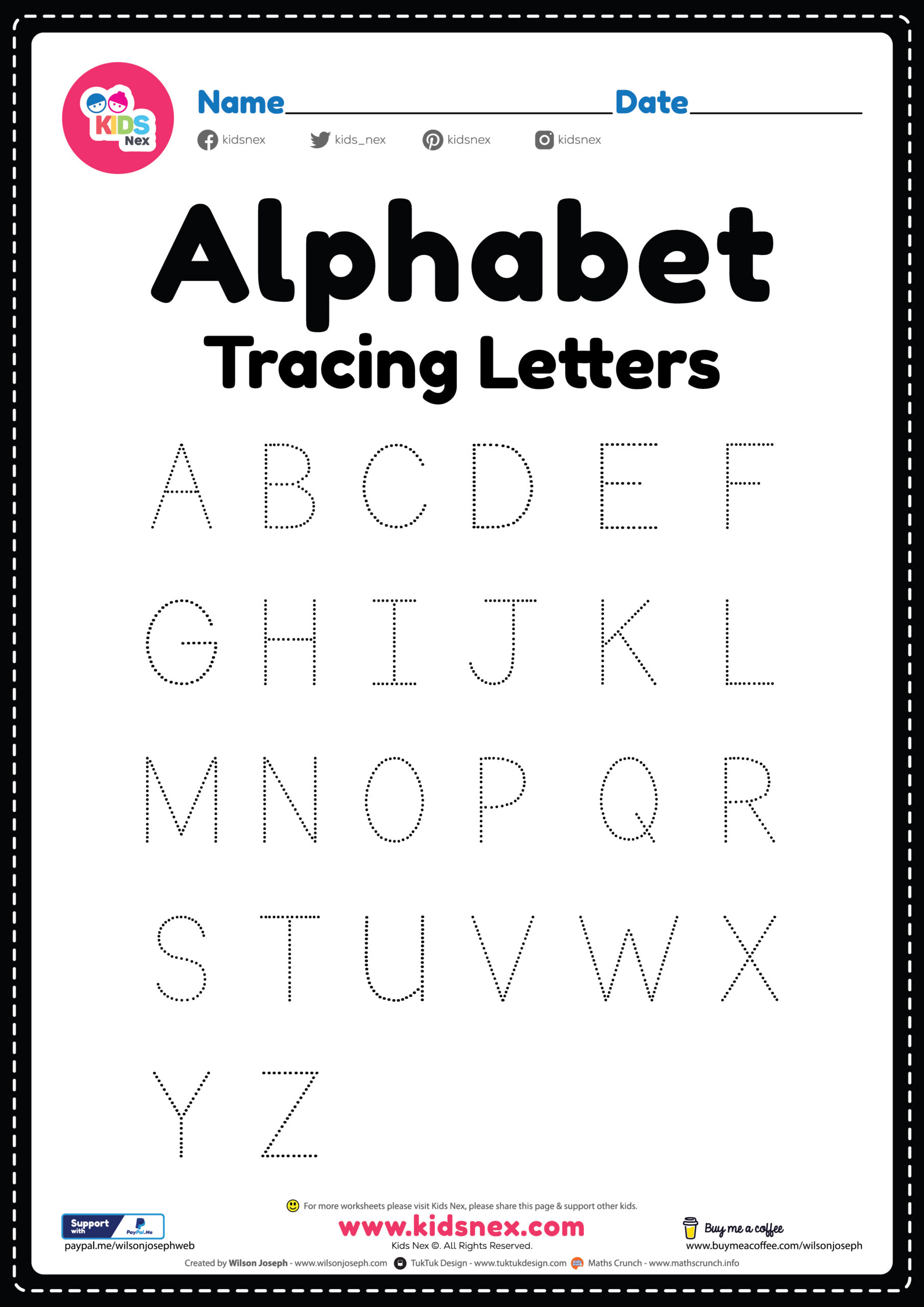
The Alphabet Worksheet Set Letters Az includes a variety of worksheets that focus on each letter of the alphabet, from A to Z. Each worksheet typically features activities like tracing, coloring, and identifying the letters, which help reinforce learning. These worksheets are ideal for preschool and kindergarten students, as they are tailored to the developmental needs of young learners.
Key Features of the Worksheets
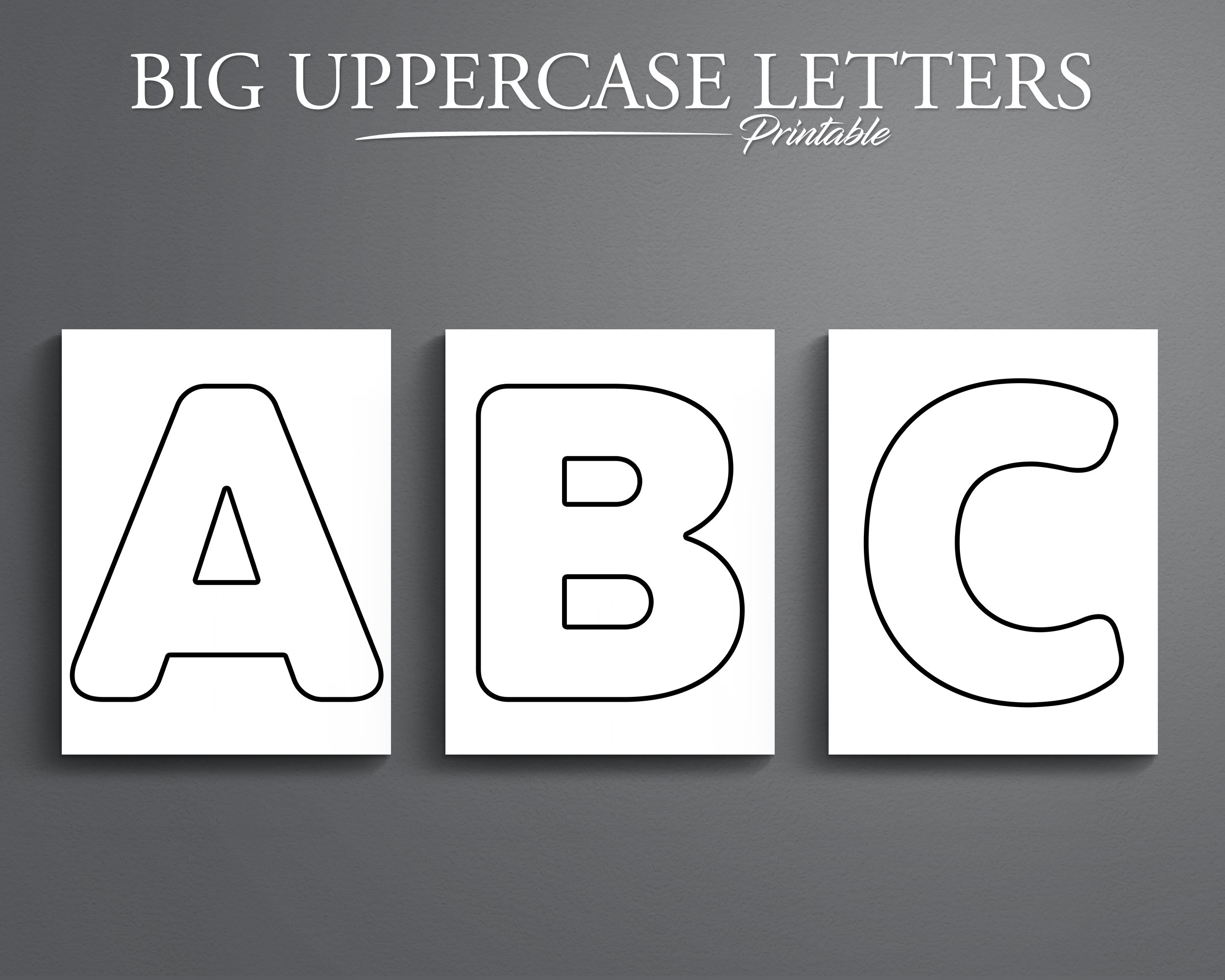
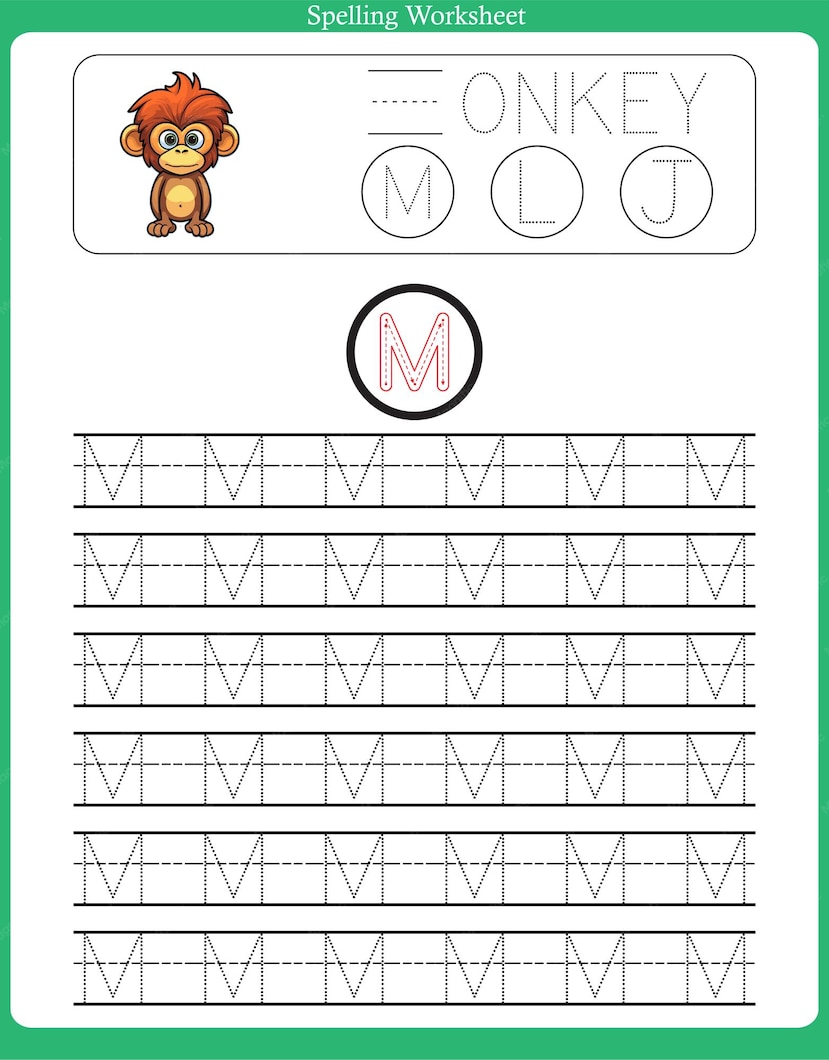
- Letter Tracing: Each worksheet often includes sections for tracing the uppercase and lowercase forms of each letter. This activity helps children develop fine motor skills while learning proper letter formation.
- Coloring Activities: Children can color pictures that correspond with each letter, reinforcing their understanding of letter sounds. For example, the letter “A” may be accompanied by an apple illustration.
- Letter Recognition: Some worksheets incorporate exercises where children must circle or highlight the target letter among a group of letters, aiding in their recognition skills.
These features make the Alphabet Worksheet Set Letters Az a versatile tool for educators aiming to create a comprehensive literacy program.
How to Use the Alphabet Worksheets Effectively
When using these worksheets, consider the following practical tips to maximize their effectiveness in reinforcing learning:
- Print Settings: Use a standard letter size (8.5 x 11 inches) for easy printing. Ensure your printer settings are adjusted for best quality; portrait orientation typically works best.
- Paper Choice: For durability, consider using cardstock instead of regular printer paper. If you plan to laminate the worksheets for repeated use, cardstock will hold up better.
- Independent Practice: Encourage students to work on these worksheets independently. This practice helps build confidence and allows you to assess their understanding without direct supervision.
By incorporating these practical strategies, you can create a structured learning environment that fosters independence and enhances literacy skills.
Engaging Children With the Worksheets
To keep children engaged while using the Alphabet Worksheet Set Letters Az, consider these interactive ideas:
- Group Activities: Use the worksheets as part of a group activity where children can work together to complete them. This promotes collaboration and allows for peer learning.
- Incorporate Movement: Combine worksheet activities with physical movement. For example, after completing a worksheet, have children jump or dance for each letter they can identify, reinforcing retention through kinetic learning.
- Rewards System: Implement a simple rewards system where children earn stickers or small prizes for completing their worksheets. This can motivate them to engage more deeply with the material.
These strategies not only make learning fun but also help cement the concepts being taught.
Adapting Worksheets for Different Learning Styles
Every child learns differently. Adapting the Alphabet Worksheet Set Letters Az to suit various learning styles can ensure that all students benefit from the resource. Here are some adaptation ideas:
- Visual Learners: Use colorful markers or crayons to enhance the worksheets visually. Encourage visual learners to create their own illustrations or designs on the worksheets related to the letters.
- Auditory Learners: Pair worksheet activities with songs or rhymes that emphasize the alphabet. Singing the alphabet song while pointing to each completed worksheet can reinforce learning through auditory means.
- Kinesthetic Learners: For children who learn by doing, consider incorporating hands-on activities. This could include using letter-shaped blocks or magnetic letters alongside the worksheets to provide a tactile experience.
By recognizing and adapting to different learning styles, you can create a more inclusive and effective educational experience.