
When teaching preschoolers, finding the right resources is key to making learning fun and effective. An effective tool for this purpose is the Alphabet Worksheet For Preschool In Spanish. This resource not only supports language development but also introduces young learners to the Spanish alphabet in an engaging way. In this guide, I’ll walk you through how to effectively use this worksheet in your home or homeschool setting.
Understanding the Importance of Alphabet Worksheets
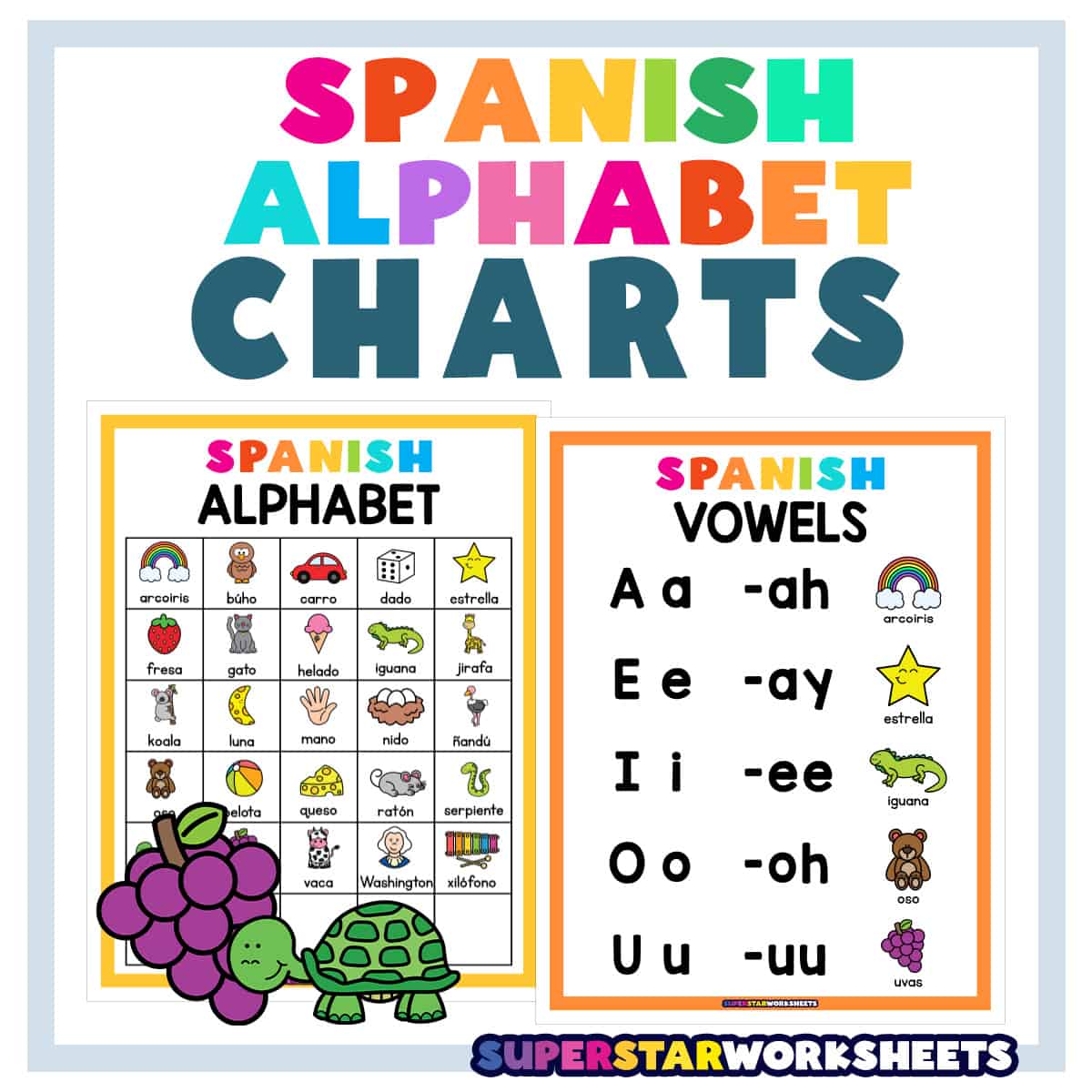
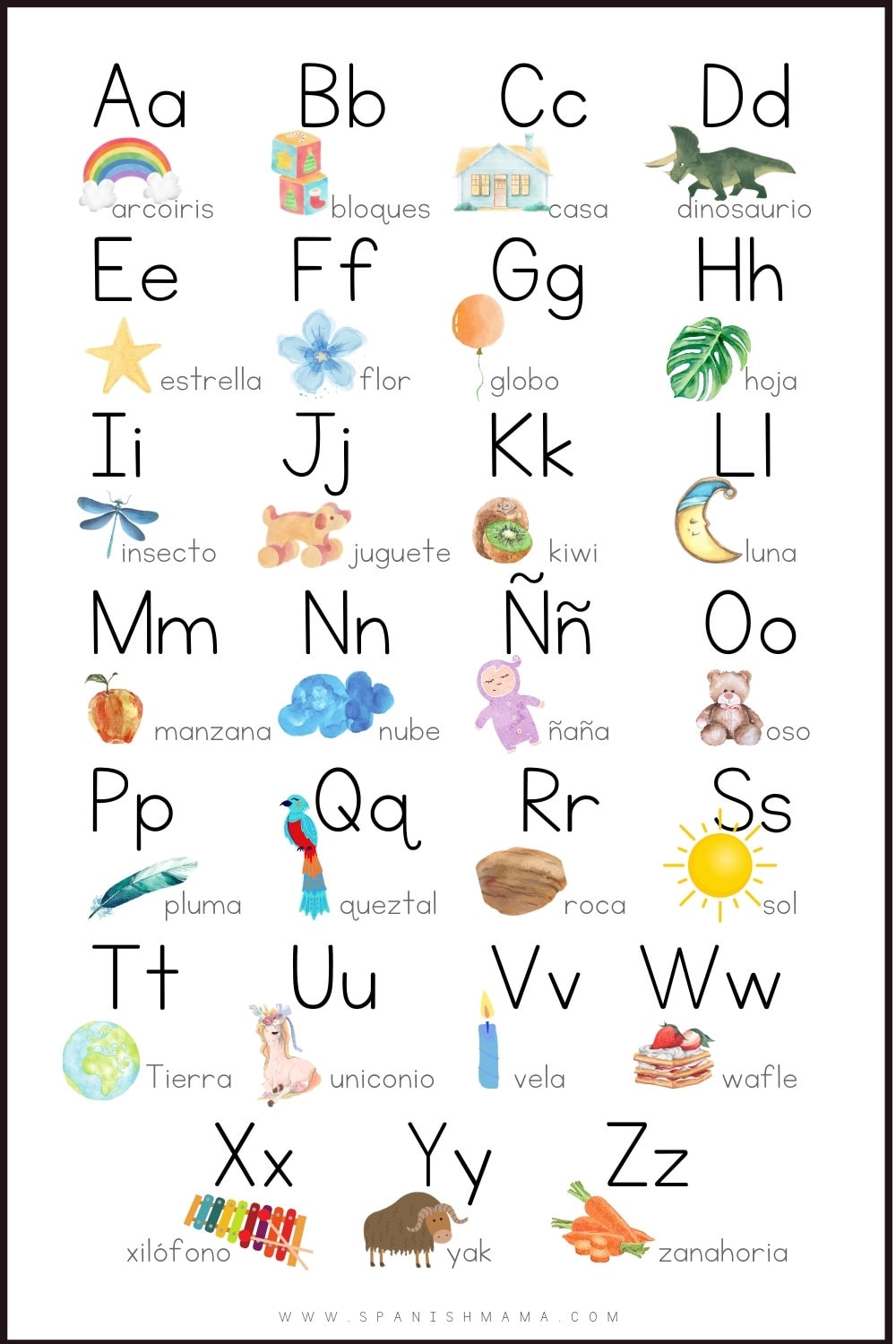
Alphabet worksheets play a crucial role in early childhood education. They help children recognize letters, understand phonetics, and enhance their vocabulary. When introducing the Spanish language, these worksheets provide a foundational understanding that is essential for further language acquisition.
Using an Alphabet Worksheet For Preschool In Spanish allows children to familiarize themselves with the letters in a language they may not encounter as frequently as English. This exposure is vital for bilingual development and can spark an interest in learning different languages.
Choosing the Right Worksheet
When selecting an alphabet worksheet, consider the following:
- Age Appropriateness: Ensure the worksheet is designed for preschoolers. It should be visually engaging and not overwhelming.
- Content: Look for worksheets that incorporate both uppercase and lowercase letters, as well as vocabulary words that start with each letter.
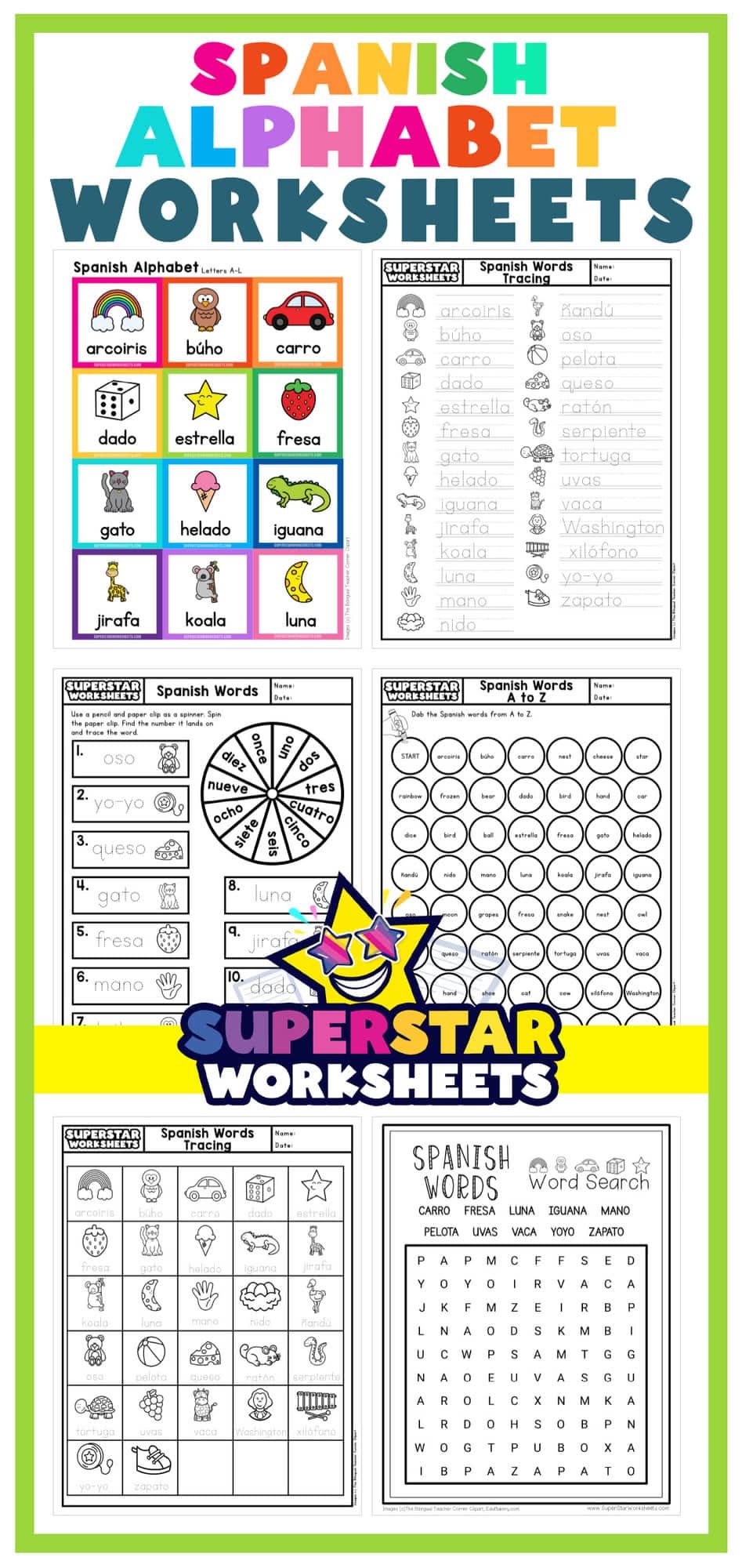
- Design: Colorful, fun illustrations can help maintain a child’s interest. Worksheets with interactive elements, such as tracing or coloring, are particularly effective.
Once you have the right worksheet, you can easily download and print it at home. Make sure to check the file format—PDFs tend to preserve the layout better than image files.
Setting Up for Success
Before diving into the activities, set up a conducive learning environment. Here’s how:
- Gather Materials: In addition to the worksheet, have crayons, colored pencils, or markers ready. You might also want to have some extra paper for practice.
- Create a Routine: Establish a specific time for the activity. This could be part of a daily learning schedule or a fun afternoon session.
- Limit Distractions: Choose a quiet space where your child can focus. Turn off the TV and put away distracting toys.
Engaging With the Worksheet
Now that you have everything prepared, it’s time to engage with the worksheet. Here’s a step-by-step approach:
- Introduction to Letters: Start by introducing the letters on the worksheet. Go through each letter and its corresponding sound in Spanish. For example, “A” sounds like “ah,” and “B” sounds like “beh.”
- Tracing and Writing: Encourage your child to trace the letters. This activity helps with fine motor skills and letter recognition. You can guide them as they write the letters on their own.
- Coloring Activities: Many worksheets include pictures or designs related to the letters. For instance, “A” might be accompanied by an image of an “árbol” (tree). Ask your child to color the images after they’ve completed the writing.
- Reinforcement with Vocabulary: Use the worksheet as a springboard for vocabulary building. For each letter, introduce a few words that start with it. Engage your child in discussions about these words. For example, with “C,” talk about “casa” (house) and “carro” (car).
- Interactive Games: Turn the learning into a game by creating a matching exercise. Write down vocabulary words on separate cards and have your child match them to the corresponding letters on the worksheet.
Assessing Progress
After completing the worksheet, take a moment to assess your child’s understanding. Here are a few ways to do this:
- Ask Questions: During the activity, ask your child questions about the letters and words. For instance, “What sound does the letter ‘D’ make?”
- Review Completed Work: Look over the worksheet together. Praise their efforts and correct any mistakes gently.
- Encourage Repetition: Revisit the worksheet after a few days. Repetition helps reinforce learning.
Additional Resources
While the Alphabet Worksheet For Preschool In Spanish is a fantastic starting point, consider supplementing it with other resources:
- Storybooks in Spanish: Reading age-appropriate Spanish books can help reinforce the letters and sounds learned.
- Online Games: Many educational websites offer interactive games focused on the Spanish alphabet. These can be a fun way to reinforce what your child has learned.
- Flashcards: Create or purchase flashcards with letters and corresponding images. This can be a great way to practice in short, focused sessions.
Final Tips for Effective Use
As you incorporate the Alphabet Worksheet For Preschool In Spanish into your learning routine, keep these tips in mind:
- Stay Positive: Celebrate small victories to keep your child motivated.
- Be Patient: Every child learns at their own pace. Encourage them without pressure.
- Make It Fun: Incorporate songs or rhymes that include the alphabet to enhance the learning experience.
With the right approach, the Alphabet Worksheet For Preschool In Spanish can become a cherished part of your child’s early learning journey. This resource not only supports language acquisition but also fosters a love for learning that can last a lifetime.