
Using an Alphabet Worksheet For 4 Years Old can be an essential tool for developing early literacy skills. These worksheets are usually designed in a kid-friendly format that encourages independent learning. By introducing letters through engaging activities, you can help young learners recognize and write the alphabet, paving the way for their reading skills.
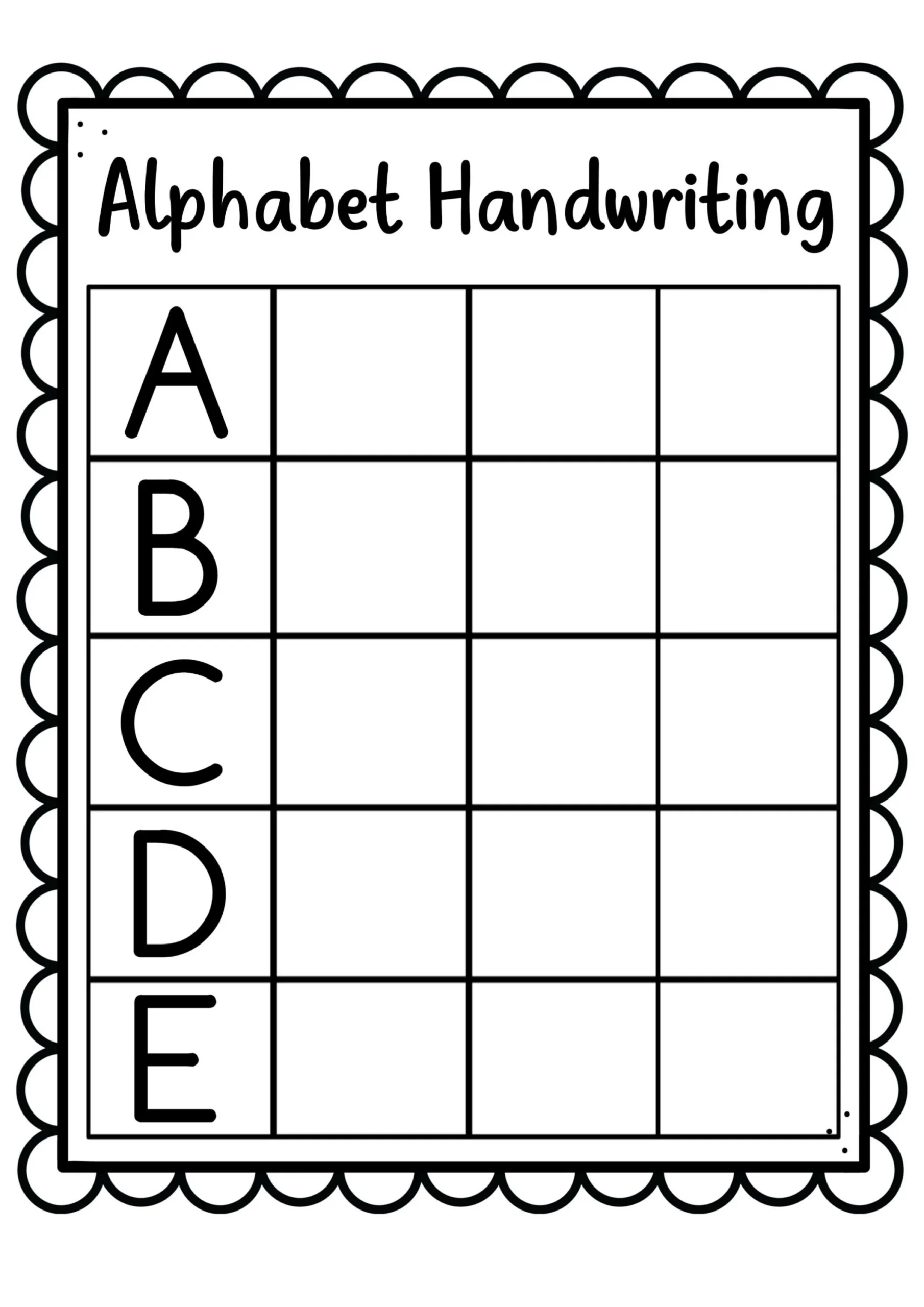
Understanding the Importance of Alphabet Worksheets
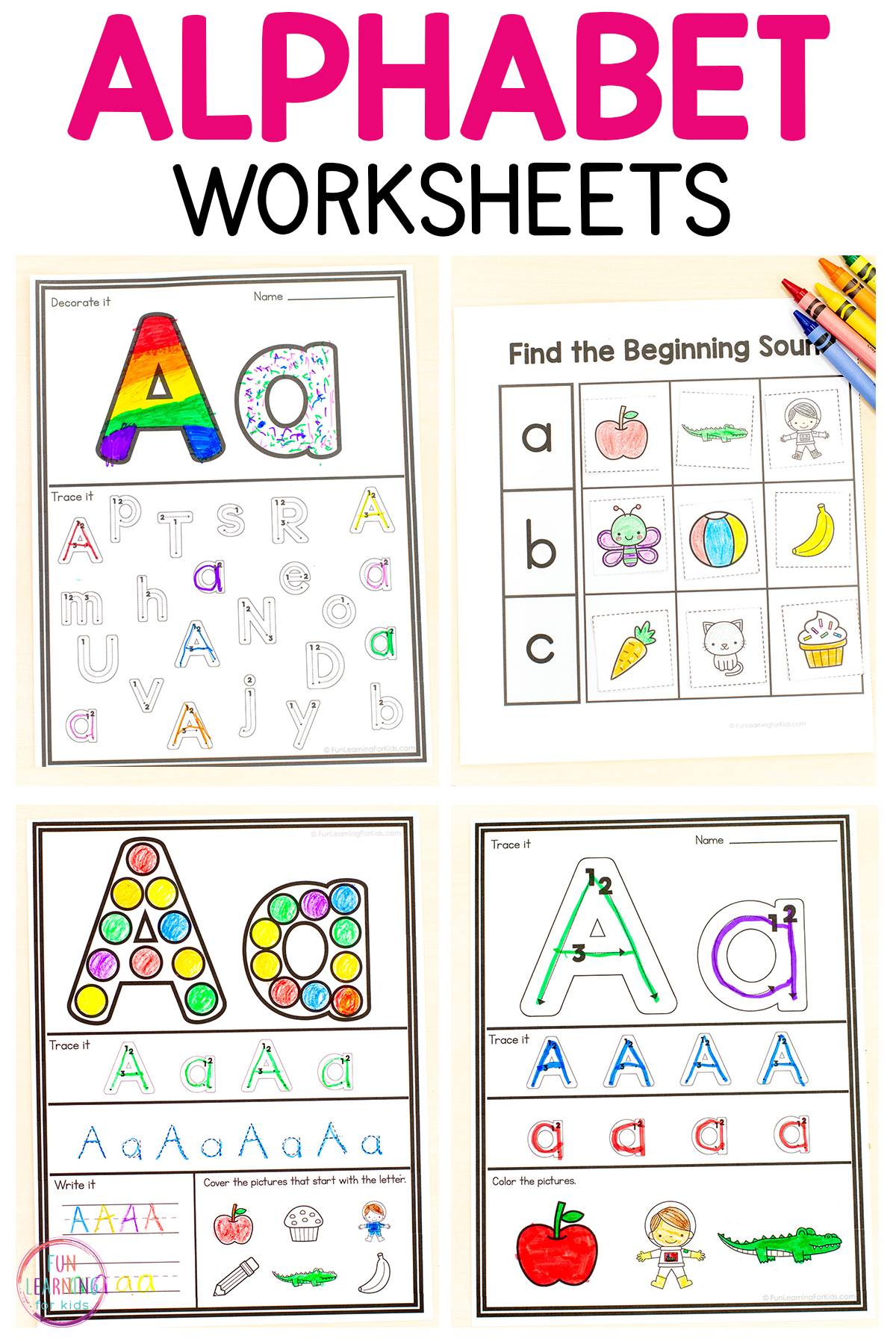
Alphabet worksheets are not just sheets filled with letters; they serve as an important foundation for literacy. For four-year-olds, these worksheets can help improve letter recognition, phonemic awareness, and fine motor skills. Engaging with the alphabet through various activities allows children to explore letters in a fun and interactive way, which increases their retention and understanding.
When children interact with letters through tracing, coloring, and identifying, they begin to associate sounds with letters, which is crucial for reading. These worksheets also help in developing concentration and hand-eye coordination, as children practice writing and drawing.
Choosing the Right Alphabet Worksheet
When selecting an Alphabet Worksheet For 4 Years Old, consider the following factors:
- Age Appropriateness: Ensure the worksheet is designed specifically for four-year-olds. Look for worksheets that feature large letters, simple instructions, and engaging images.
- Variety of Activities: Worksheets that include a mix of tracing, coloring, matching, and identifying letters can keep children engaged and cater to different learning styles.
- Visual Appeal: Bright colors and fun illustrations can make the learning process enjoyable. Worksheets should be visually appealing to capture the interest of young learners.
- Ease of Use: Opt for worksheets that are easy to print and do not require complicated setups. A straightforward format helps children focus on the learning task without distractions.
Downloading and Printing Your Worksheet
Once you’ve identified the right Alphabet Worksheet For 4 Years Old, the next step is to download and print it. Here’s how to do that effectively:
- Download: Click on the download link for the worksheet you chose. Make sure it’s in a PDF format to avoid any formatting issues.
- Print Settings: When printing, select the portrait layout for a standard look. Use regular A4 or letter-sized paper for best results. If you want to make the worksheets more durable, consider printing on cardstock.
- Check Printer Settings: Before hitting print, ensure your printer settings are adjusted to avoid issues such as scaling or cropping. Most home printers can easily handle these tasks with the right settings.
Setting Up for Successful Use
Now that you have your worksheet printed, it’s time to set it up for use. Here are some practical steps to ensure that your students can work independently:
- Create a Comfortable Learning Space: Provide a quiet and comfortable area where children can focus on their worksheets. Good lighting and a sturdy table can make a significant difference in their concentration levels.
- Gather Supplies: Have all necessary materials on hand, such as crayons, colored pencils, or markers. This allows children to express their creativity while learning.
- Explain Instructions Clearly: Before handing out the worksheets, explain the tasks clearly but simply. Use language that’s easy for four-year-olds to understand. For example, you might say, “Can you trace the letters and then color them in?”
Engaging Activities to Enhance Learning
To make the most out of the Alphabet Worksheet For 4 Years Old, consider incorporating additional activities that reinforce the learning objectives:
- Letter Sounds: As children work on the worksheet, encourage them to say the letter sounds aloud. This helps link the visual representation of the letter with its phonetic sound.
- Alphabet Songs: Use songs that feature the alphabet to make learning more enjoyable. Singing can help reinforce memory and make the letters more familiar.
- Interactive Games: Incorporate games like “I Spy” using letters found in the worksheet. This can help children practice letter recognition in a playful manner.
- Group Activities: If working in a classroom, consider having students share their completed worksheets with each other. This promotes social interaction and allows them to learn from one another.
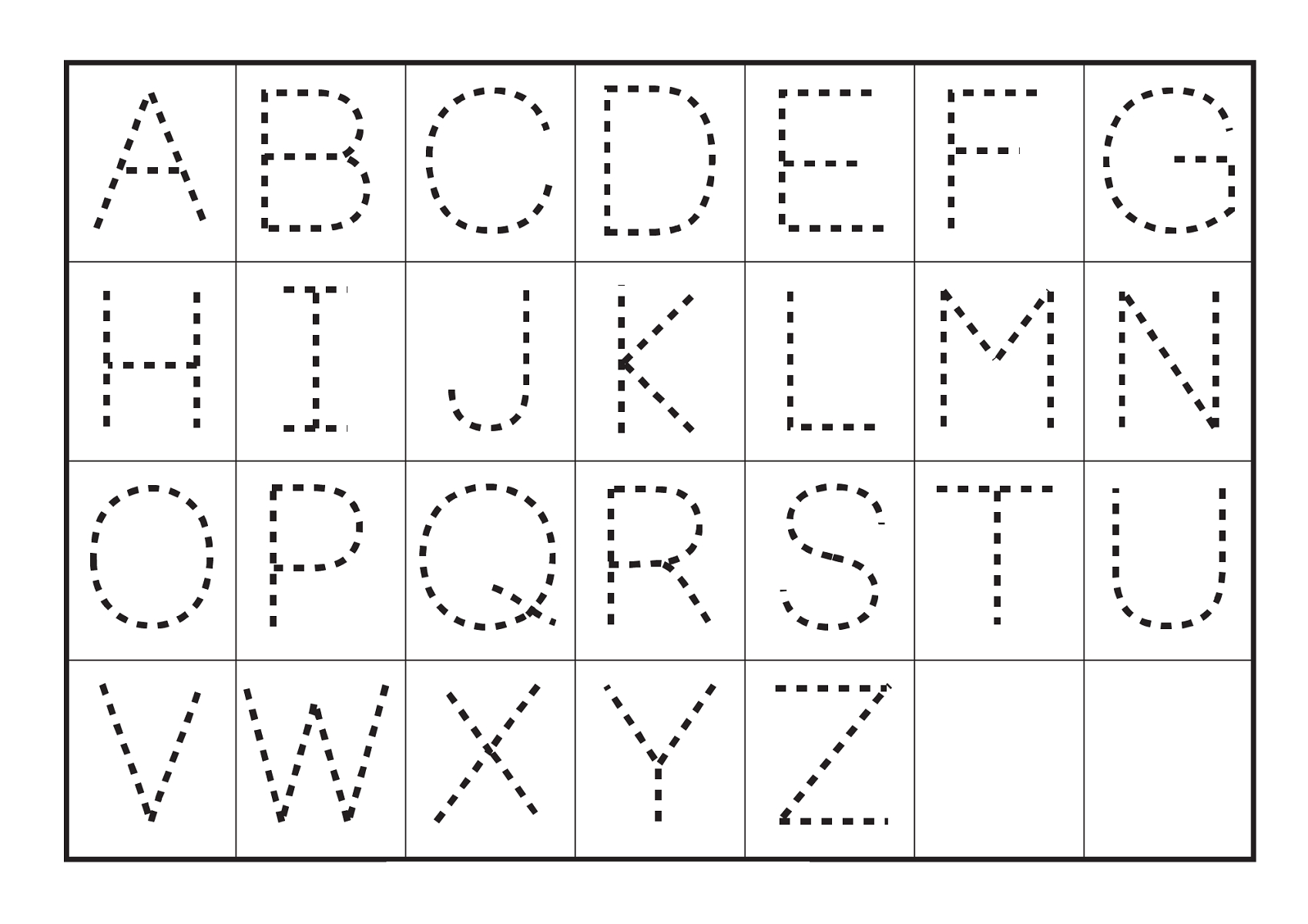
Assessing Progress
After the children have completed their Alphabet Worksheets, it’s essential to assess their understanding and progress. Here’s how you can do that:
- Review Completed Worksheets: Look over the worksheets to check for accuracy in letter identification and writing. This will give you insight into each child’s understanding.
- Provide Feedback: Offer positive reinforcement and constructive feedback. Celebrate their successes and gently guide them where they need improvement.
- Follow-Up Activities: Based on your assessment, plan follow-up activities that reinforce any letters or sounds they struggled with. This ensures continuous learning.
Using an Alphabet Worksheet For 4 Years Old is a practical and effective way to enhance early literacy skills. By carefully selecting, preparing, and engaging with these worksheets, you empower young learners to develop a strong foundation in reading and writing. One of the most useful details to remember is that children often thrive with a mix of visual, auditory, and kinesthetic activities, so consider incorporating various methods into your teaching approach.