
The Alphabet Wheel Ballon Pop Worksheet stands out by combining interactive learning with a visually appealing format that captures children’s attention. This worksheet is designed specifically for early learners, typically in preschool to kindergarten, to practice their letter recognition and phonics skills. By engaging students in a fun balloon-popping activity, this resource encourages mastery of the alphabet through play. Let’s delve into the features of this worksheet and how you can effectively implement it in various educational settings.
Understanding the Layout of the Worksheet
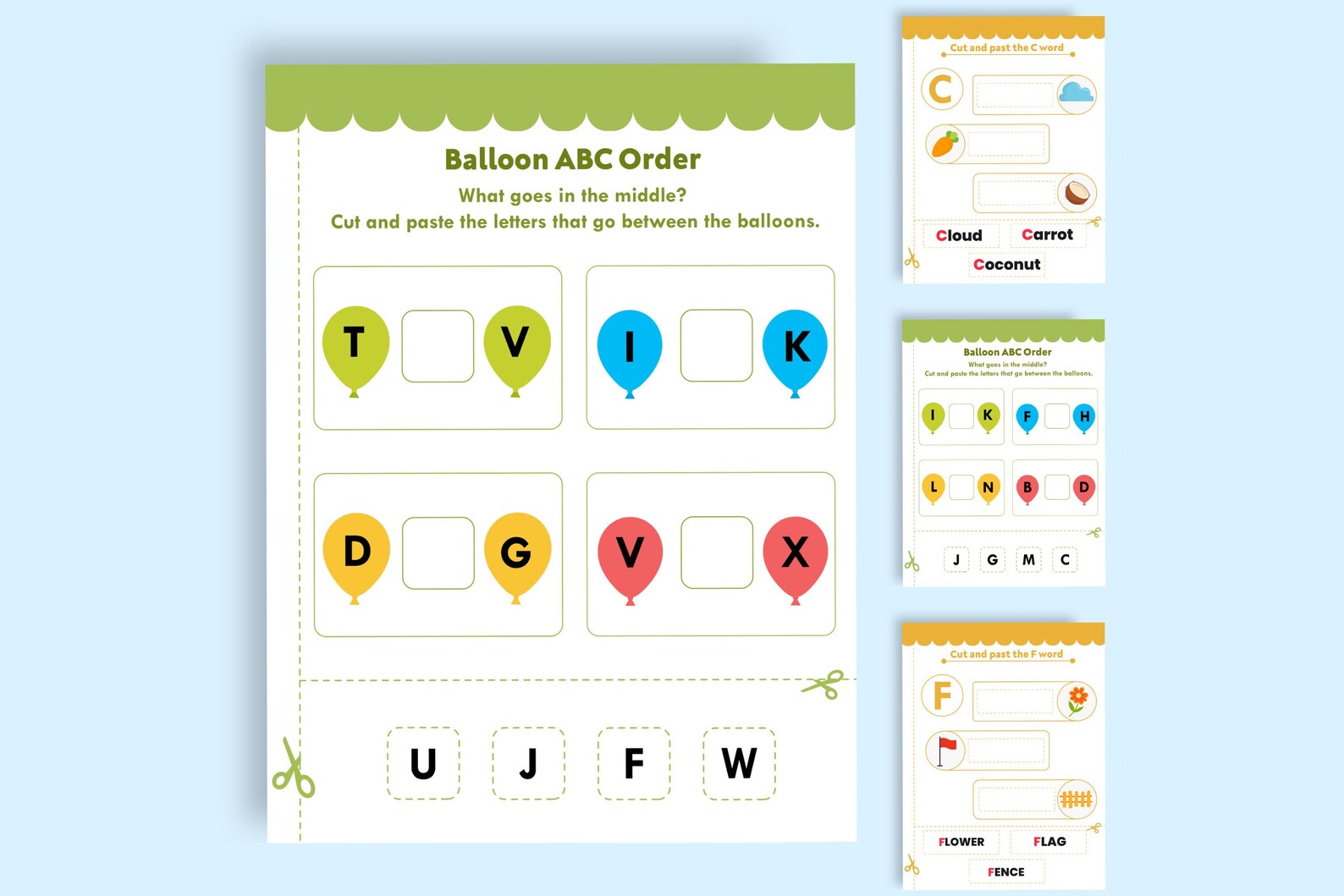
The Alphabet Wheel Ballon Pop Worksheet features a circular design split into sections that represent each letter of the alphabet. Each section includes a balloon illustration that corresponds to the letter. This layout is not just eye-catching; it serves a functional purpose. The circular format allows students to visually track their progress as they pop balloons corresponding to letters they recognize or learn.
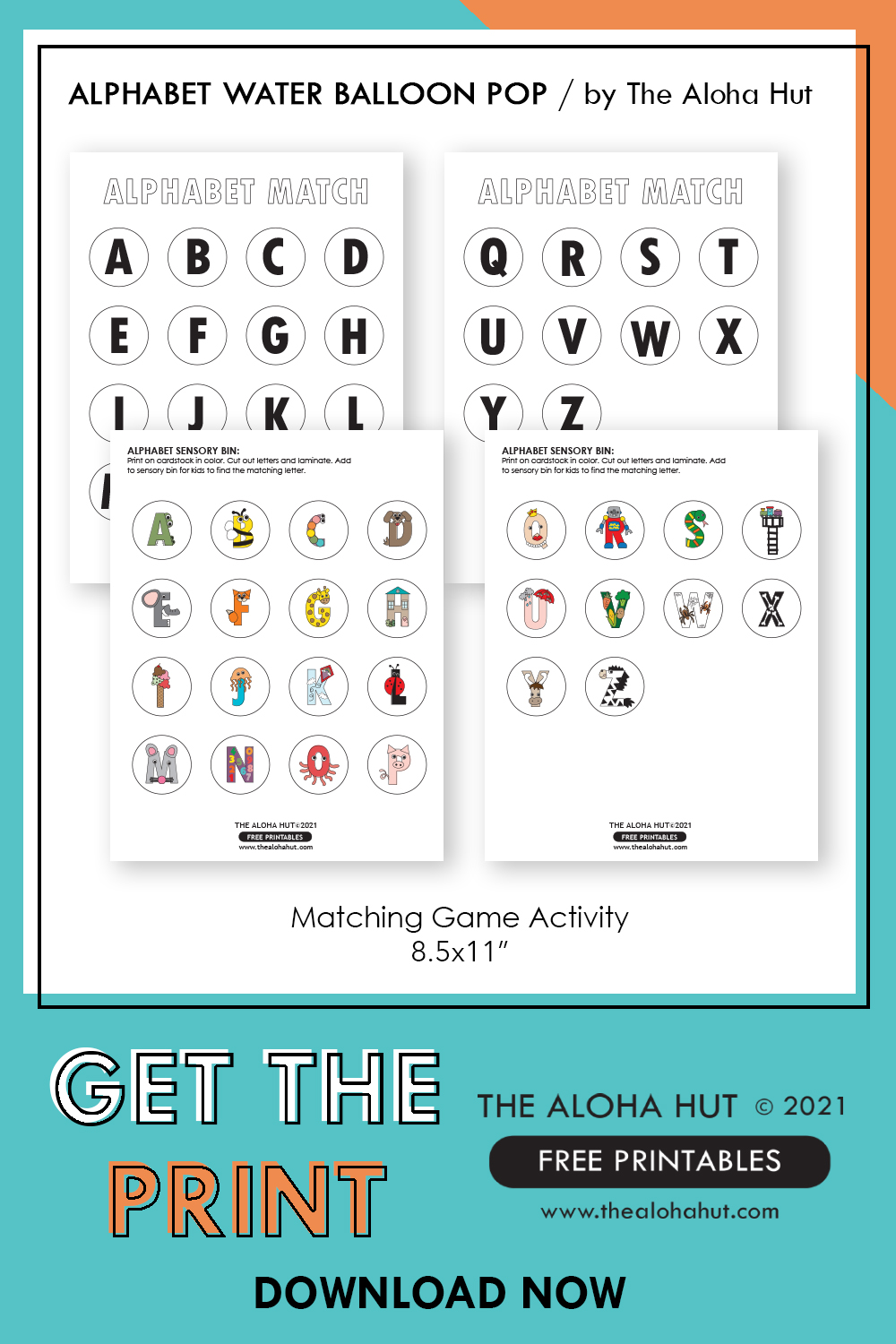
The worksheet is typically formatted for easy printing, often in a landscape orientation, which is optimal for classroom displays or individual use. The design encourages students to interact with the worksheet by coloring or cutting out the balloons after they identify the letters correctly. When printing, using cardstock can enhance durability, especially if students will be handling the sheet multiple times.
Steps to Use the Alphabet Wheel Ballon Pop Worksheet
Implementing the Alphabet Wheel Ballon Pop Worksheet in your teaching routine is straightforward. Follow these steps to maximize its effectiveness:
- Preparation: Print the worksheet using a high-quality printer. If possible, print on cardstock to ensure the worksheet withstands enthusiastic handling by young learners.
- Introduction: Begin by introducing the alphabet to your students. Use a song or interactive activity to engage them in recognizing each letter. This sets the stage for the worksheet activity.
- Demonstration: Show students how to use the worksheet. Explain that they will be “popping” the balloons once they identify the corresponding letter. This can involve coloring the balloons or using scissors to cut them out.
- Independent Practice: Allow students to work independently or in pairs. As they identify each letter, encourage them to say the letter out loud and a word that starts with that letter. This reinforces phonics and vocabulary development.
- Assessment: Observe students as they complete the worksheet. Take note of which letters they recognize easily and which ones may require further practice. This observation will help you tailor follow-up activities to individual student needs.
Mastery Indicators and Assessment
To determine if students have mastered the concepts presented in the Alphabet Wheel Ballon Pop Worksheet, look for specific indicators:
- Letter Recognition: Students should be able to identify and name each letter of the alphabet. You can assess this through informal observation as they work on the worksheet.
- Phonics Skills: As students link each letter to a corresponding word, listen for their ability to produce sounds associated with the letters. For example, when they pop the “B” balloon, they should be able to say “b” as in “ball.”
- Engagement Level: Note how engaged students are during the activity. High engagement often correlates with better learning outcomes, so if they are excited about popping balloons, it’s a good sign that they are enjoying the learning process.
If you notice that some students struggle with specific letters, consider additional activities, such as letter tracing or using flashcards, to reinforce their learning.
Variations for Different Learning Environments
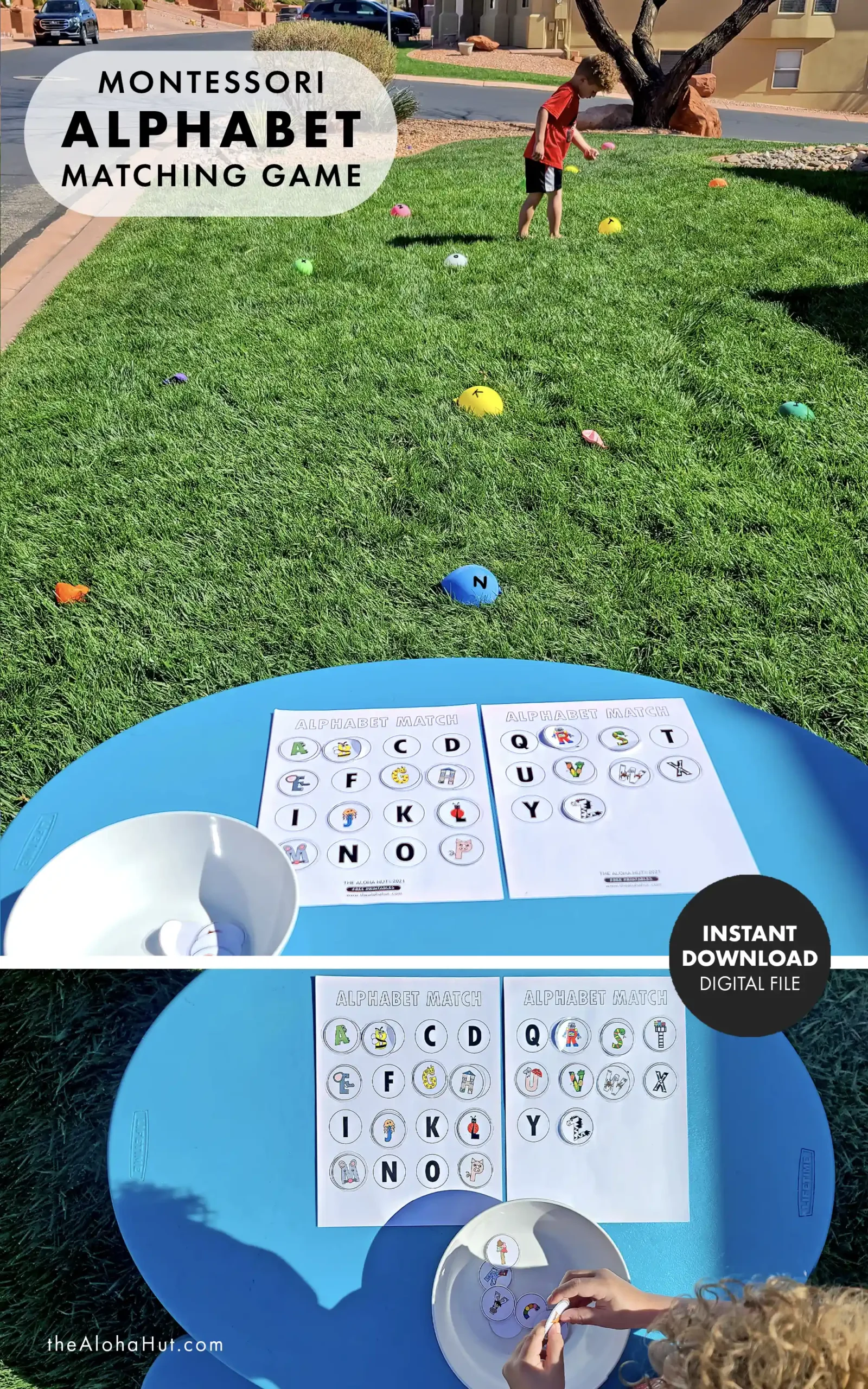
The versatility of the Alphabet Wheel Ballon Pop Worksheet makes it suitable for various educational settings, including classrooms, homeschools, and even at home for supplemental learning. Here are a few variations to consider:
- Classroom Use: Incorporate the worksheet into a center activity where students rotate through different alphabet-themed tasks. This keeps the learning experience dynamic and engaging.
- Homeschooling: Use the worksheet as part of a broader lesson on the alphabet. Pair it with storybooks that emphasize letter sounds and words, enhancing the connection between reading and writing.
- At-Home Learning: For parents working with children at home, this worksheet can be a fun weekend project. Encourage children to display their completed worksheets on the refrigerator to celebrate their achievements.